

Are you ready to make a beef stew that’s tender, flavorful, and cooked to perfection? Knowing exactly how long to cook beef stew in your Dutch oven can be the difference between a meal that melts in your mouth and one that’s tough and disappointing.
You’ll discover the ideal cooking times and tips to get that rich, hearty stew just right every time. Keep reading, and soon you’ll be serving up a comfort-filled dish that everyone will love.
Choosing The Right Beef Cut
Choosing the right beef cut is the foundation for a perfect stew in your Dutch oven. Not all beef cuts behave the same when slow-cooked, and picking the wrong one can lead to tough or dry results. Knowing which cut to use helps you control the cooking time and texture.
Best Cuts For Stewing
Look for cuts with a good amount of connective tissue and marbling. These parts break down nicely during slow cooking, turning tough meat into tender, flavorful bites.
- Chuck:This is the go-to cut for stew. It has enough fat and collagen to melt down into a rich texture.
- Brisket:Though often used for barbecue, brisket also works well in stew if cooked slowly.
- Round:Leaner than chuck, round can work but requires careful cooking to stay tender.
- Shank:Contains lots of collagen, perfect for a gelatin-rich broth and tender meat.
Have you ever wondered why some stews have that luscious mouthfeel? It’s the collagen from these cuts dissolving into the cooking liquid.
How Cut Affects Cooking Time
The beef cut you choose directly impacts how long you need to cook your stew. Tougher cuts like chuck and shank need longer, slow cooking to break down fibers.
| Beef Cut | Typical Cooking Time (Dutch Oven) | Texture Result |
|---|---|---|
| Chuck | 2 to 3 hours | Very tender, juicy |
| Brisket | 3 to 4 hours | Soft but fibrous |
| Round | 1.5 to 2.5 hours | Firm, can be chewy if undercooked |
| Shank | 3 to 4 hours | Rich and gelatinous |
Think about the time you have before dinner. Are you ready to let your stew simmer slowly for hours, or do you need a quicker option? Choosing the right cut helps you match your cooking time to your schedule without sacrificing flavor.
Preparing Ingredients
Preparing ingredients is a crucial step that sets the foundation for a delicious beef stew cooked in a Dutch oven. Taking time to get your vegetables and meat ready properly can make a big difference in both flavor and cooking time. Let’s break down what you need to do before you even turn on the heat.
Chopping Vegetables
Choosing the right size for your vegetable pieces matters. Cut potatoes, carrots, and celery into uniform chunks so they cook evenly without turning mushy or staying hard.
Think about texture. If you like a bit of bite in your carrots, chop them slightly larger than the potatoes. This way, everything finishes cooking at the same time.
Don’t forget to peel root vegetables like carrots and potatoes. It helps the flavors absorb better and keeps the stew looking clean and appetizing.
Seasoning The Meat
Before adding the beef to your Dutch oven, give it a good seasoning. Salt and pepper are essential, but feel free to add garlic powder, paprika, or dried herbs to boost the taste.
Pat the meat dry with paper towels first. This helps you get a nice sear on the beef, which locks in juices and adds a rich depth to your stew.
Have you ever noticed how seasoning only after cooking can make the meat taste bland? Seasoning upfront ensures every bite is flavorful throughout the long cooking process.
Dutch Oven Basics
Understanding the basics of using a Dutch oven can transform your beef stew from just good to truly memorable. This versatile cookware is prized for its ability to maintain even heat and lock in moisture. Getting familiar with its features and handling can make your cooking process smoother and your stew richer in flavor.
Selecting The Right Dutch Oven
Not all Dutch ovens are created equal. Look for one with a heavy cast iron base, which holds heat well and distributes it evenly. Enamel-coated versions are easier to clean and don’t require seasoning, but bare cast iron offers superior heat retention.
Consider the size based on your typical batch of stew—usually, a 5 to 7-quart pot works well for family meals. Also, a tight-fitting lid is essential to trap steam and keep your stew moist. Have you ever noticed how a good lid can keep all those flavors locked inside?
Preheating Tips
Preheating your Dutch oven before adding ingredients sets the stage for better browning and flavor development. Heat it over medium heat for about 5 minutes until it feels evenly warm to the touch.
A common mistake is to add meat to a cold pot, which can cause sticking and uneven cooking. Instead, add a splash of oil to the preheated pot and watch it shimmer before introducing your beef. This simple step helps create that rich, caramelized crust you want on your stew meat.
Cooking Time Guidelines
Cooking beef stew in a Dutch oven requires the right amount of time to achieve tender meat and rich flavors. The cooking time depends on the method used and the temperature. Proper timing ensures the beef is soft and the vegetables are cooked just right. Below are guidelines for different cooking methods to help you plan your meal perfectly.
Simmering On The Stovetop
Simmering beef stew on the stovetop usually takes about 1.5 to 2.5 hours. Keep the heat low to prevent boiling, which can toughen the meat. Stir occasionally to avoid sticking. Check the meat after 90 minutes for tenderness. Continue cooking until the beef breaks apart easily with a fork.
Oven Cooking Times
Cooking stew in the oven offers even heat, which helps in slow cooking. Set the oven to 300°F (150°C) and cook the stew for 2 to 3 hours. Use a heavy Dutch oven with a tight lid to keep moisture inside. Check for tenderness after 2 hours. The meat should be fork-tender and the sauce thickened.
Slow Cooker Comparisons
A slow cooker cooks beef stew over several hours at low temperature. It usually takes 6 to 8 hours on low or 3 to 4 hours on high. The slow cooker is convenient but lacks the deep caramelization from stovetop or oven cooking. Adjust liquid levels as slow cookers retain more moisture. Taste and texture differ but are still delicious.
Temperature Tips
Cooking beef stew in a Dutch oven requires attention to temperature. The right heat ensures tender meat and rich flavors. Too high or too low temperatures affect the texture and taste. Understanding temperature control helps achieve the perfect stew every time.
Ideal Simmering Temperature
Maintain a gentle simmer between 180°F and 200°F (82°C to 93°C). This range breaks down tough meat fibers slowly. The stew cooks evenly without drying out. Avoid boiling as it makes meat tough and broth cloudy. A steady simmer allows flavors to meld beautifully.
Avoiding Overcooking
Overcooked stew results in mushy vegetables and dry meat. Watch the temperature closely to prevent this. Use a low heat setting after the stew starts to bubble gently. Check meat tenderness often after 1.5 to 2 hours. Remove from heat once meat feels soft but not falling apart.

Credit: www.theseasonedmom.com
Testing For Doneness
Testing for doneness is key to a perfect beef stew cooked in a Dutch oven. It’s not just about cooking time; you need to be sure the meat is tender and the vegetables have the right texture. Knowing how to check these will save you from undercooked or overcooked stew.
Checking Meat Tenderness
Use a fork to gently poke a piece of beef. If it slides in easily and the meat feels soft, it’s tender enough. Tough or chewy beef means it needs more time.
Don’t rely only on the clock. Different cuts and sizes cook at different rates. The best test is always how the meat feels, not just how long it’s been simmering.
Vegetable Texture
Vegetables should be tender but still hold their shape. Overcooked vegetables turn mushy and lose flavor. Try piercing them with a fork; they should offer slight resistance but not be hard.
Think about the kind of vegetables you added. Root vegetables like carrots take longer, while peas and green beans need only a few minutes. Adjust your cooking time accordingly to keep the balance perfect.
Enhancing Flavor
Enhancing the flavor of your beef stew in a Dutch oven is key to making it truly memorable. Slow cooking allows the ingredients to meld beautifully, but the real magic happens when you pay attention to how and when you add herbs and spices. This creates a depth of flavor that keeps you coming back for more.
Adding Herbs And Spices
Fresh herbs like rosemary, thyme, and bay leaves add a fragrant touch that dried herbs can’t match. Adding them early in the cooking process lets their flavors infuse the broth deeply.
Spices such as black pepper, paprika, or a pinch of cinnamon can transform your stew from ordinary to extraordinary. Consider adding whole spices at the start and ground spices closer to the end to keep their punch vibrant.
Ever tried tossing in a crushed garlic clove at the beginning and then adding fresh minced garlic near the end? It creates layers of garlic flavor that taste far richer.
Layering Flavors Over Time
Don’t dump all your seasonings in at once. Instead, add ingredients in stages to build complexity.
- Start with sautéing onions and garlic in oil to bring out their sweetness.
- Add your herbs and spices during the browning of the beef to let them toast slightly.
- Introduce additional seasoning halfway through the simmering process to refresh the flavor.
- Finally, adjust salt and pepper just before serving to balance everything perfectly.
How often do you taste your stew during cooking? Tasting at different stages helps you decide when to add more seasoning, making sure your stew is never bland or overpowering.
Think of your Dutch oven stew as a canvas. Each herb and spice you add is a brushstroke, creating a rich, flavorful masterpiece over time.

Credit: arkansasfrontier.com
Common Mistakes To Avoid
Cooking beef stew in a Dutch oven can be deeply satisfying, but there are common pitfalls that can ruin your dish. Avoiding these mistakes ensures your stew turns out tender, flavorful, and perfectly cooked every time. Let’s look at two frequent errors that can derail your cooking process.
Cooking Too Quickly
Rushing the cooking process is a common mistake that leads to tough meat and underdeveloped flavors. Beef stew needs time to break down the connective tissues, which creates that melt-in-your-mouth texture. You might be tempted to crank up the heat to finish faster, but this usually dries out the meat and leaves vegetables undercooked.
Try to maintain a low and steady heat, allowing the stew to simmer gently. This patience pays off with richer, deeper flavors that you just can’t get by speeding things up. Have you noticed how slow-cooked dishes often taste better than fast meals? There’s a reason for that.
Lifting The Lid Often
It’s tempting to check your stew frequently, especially when you’re anxious about the cooking time. However, lifting the lid too often lets the heat and steam escape, which interrupts the cooking process. This causes the stew to take longer and can lead to uneven cooking.
Keep the lid on as much as possible to trap moisture and heat inside. If you must check, do it quickly and try to minimize how often you open the pot. Have you ever noticed how a tightly sealed pot cooks food faster and more evenly? That’s exactly what’s happening here.
Serving Suggestions
Serving beef stew cooked in a Dutch oven offers a rich and hearty meal. It pairs well with simple sides that soak up the delicious sauce. Proper storage also keeps leftovers fresh and tasty for later meals.
Pairing With Sides
Classic mashed potatoes make a perfect bed for beef stew. Their creamy texture balances the stew’s robust flavors.
Crusty bread or dinner rolls help scoop up every bit of the sauce. Steamed green beans or a fresh salad add a light, crisp contrast.
Rice or buttered noodles also work well to absorb the stew’s rich broth. Choose sides that complement without overpowering the main dish.
Storing Leftovers
Cool the stew before placing it in airtight containers. Store in the refrigerator for up to 3 days.
For longer storage, freeze the stew in freezer-safe containers. It stays good for 2 to 3 months frozen.
Reheat gently on the stove or in the microwave until hot. Stir occasionally to heat evenly and keep the texture intact.
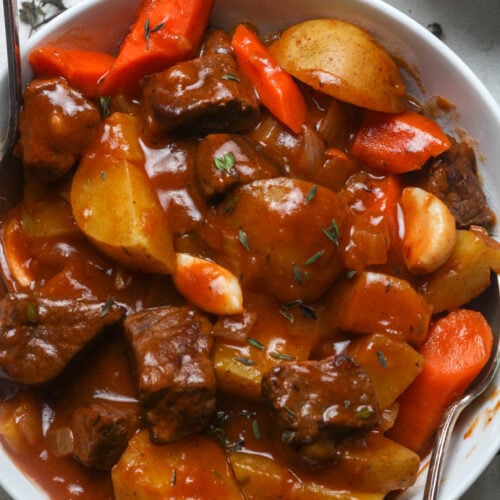
Credit: www.100daysofrealfood.com
Frequently Asked Questions
How Long Should Beef Stew Cook In A Dutch Oven?
Beef stew typically cooks for 2 to 3 hours in a Dutch oven. This slow cooking tenderizes the meat and blends flavors perfectly. Maintain low to medium heat for best results.
Can I Cook Beef Stew Faster In A Dutch Oven?
Yes, you can cook beef stew faster by increasing heat but risk tough meat. Use medium heat and cook for about 1. 5 hours. Stir occasionally to avoid burning.
What Is The Ideal Temperature For Dutch Oven Beef Stew?
Cook beef stew in a Dutch oven at low to medium heat, around 300°F to 325°F. This temperature ensures even cooking and tender meat without drying out the stew.
Should I Cover The Dutch Oven While Cooking Beef Stew?
Yes, always cover the Dutch oven while cooking beef stew. This traps moisture, preventing the stew from drying out and helps flavors meld together beautifully.
Conclusion
Cooking beef stew in a Dutch oven takes time and patience. Usually, it needs about 2 to 3 hours on low heat. This slow cooking helps the meat become tender and flavors to blend well. Keep the lid on to trap moisture and heat.
Stir occasionally and check for softness. The result is a warm, hearty meal that feels like home. Enjoy the process as much as the dish itself. Cooking stew slowly brings out the best taste and texture.