

You’ve just brought home fresh tuna steaks and want to enjoy them at their best. But how long can you safely keep them in your fridge without risking spoilage?
Knowing the right storage time can save you from wasting food and protect you from getting sick. You’ll discover exactly how long tuna steaks stay fresh in the fridge, simple tips to store them properly, and signs to watch out for before cooking.
Keep reading to make sure every bite of your tuna is safe, tasty, and satisfying.
Tuna Steak Shelf Life
Understanding the shelf life of tuna steaks is crucial for both safety and taste. Tuna is a delicious and nutritious choice, but it can spoil quickly if not stored properly. Knowing how long your tuna steak can stay fresh in the fridge helps you avoid waste and potential foodborne illness.
Fresh Tuna Storage Duration
Fresh tuna steaks typically last about 1 to 2 days in the fridge when stored correctly. The key is to keep them in the coldest part of your refrigerator, ideally below 40°F (4°C). If you want to extend their life, wrapping them tightly in plastic wrap or placing them in an airtight container can help maintain freshness.
Have you ever bought fresh tuna only to forget it in the fridge? After two days, the quality usually declines, so it’s best to plan meals accordingly.
Factors Affecting Freshness
Several factors impact how long your tuna stays fresh. The initial quality of the fish, how it was handled after purchase, and the temperature of your fridge all play a role. Even the packaging can affect shelf life—vacuum-sealed tuna lasts longer than those wrapped loosely.
Think about how often you open the fridge door or move the tuna around. Frequent temperature changes speed up spoilage. Keeping your tuna cold and sealed is the simplest way to keep it fresh.
Signs Of Spoiled Tuna
You should always check for signs of spoilage before cooking. Spoiled tuna often has a sour or ammonia-like smell, which is hard to miss. The flesh may turn dull, slimy, or develop a sticky texture, indicating it’s no longer safe to eat.
Have you noticed your tuna looking or smelling strange? Trust your senses. When in doubt, it’s safer to discard the fish than risk food poisoning.

Credit: howtofeedaloon.com
Proper Refrigeration Tips
Proper refrigeration keeps tuna steaks fresh and safe to eat. Storing tuna correctly slows bacteria growth. This extends the fish’s shelf life without losing quality.
Follow these tips to maintain tuna’s taste and texture in the fridge. Small changes in storage can make a big difference.
Ideal Temperature Settings
Set the fridge temperature between 32°F and 38°F (0°C to 3°C). This range keeps tuna cold but prevents freezing. Use a fridge thermometer to check accuracy. Avoid temperature fluctuations by not opening the fridge door too often.
Storage Containers And Wrapping
Use airtight containers or wrap tuna steaks tightly in plastic wrap. Vacuum-sealed bags work best to prevent air exposure. Avoid using loose plastic bags as they let air in. Proper wrapping stops moisture loss and prevents odors from spreading.
Placement In The Fridge
Place tuna steaks on the bottom shelf or in the meat drawer. These areas stay cooler and have less temperature change. Keep tuna away from strong-smelling foods to avoid flavor transfer. Ensure the container or wrapping does not leak to prevent cross-contamination.
Freezing Tuna Steaks
Freezing tuna steaks is a smart way to keep them fresh beyond the typical fridge lifespan. It allows you to enjoy the rich flavor and firm texture of tuna without rushing to cook it immediately. But how exactly does freezing help, and what should you do to make sure your tuna stays delicious and safe?
How Freezing Extends Freshness
Freezing tuna steaks slows down the growth of bacteria and enzymes that cause spoilage. This means your tuna can stay good for months instead of just a couple of days in the fridge. Have you noticed how fish at the supermarket often looks fresher after being frozen? That’s because freezing locks in the freshness at the moment it’s done.
Keep in mind, freezing doesn’t improve the quality—it only preserves it. So, starting with the freshest tuna steak will give you the best results after thawing.
Best Practices For Freezing
How you freeze your tuna steaks makes a big difference. Improper freezing can cause freezer burn, which dries out the fish and ruins its texture.
- Wrap each steak tightly in plastic wrap or aluminum foil to prevent air exposure.
- Place the wrapped steaks in an airtight freezer bag or vacuum-sealed bag for extra protection.
- Label the package with the date so you know when you froze it.
- Freeze the tuna steaks as soon as possible after purchase or preparation to lock in peak freshness.
Following these steps can keep your tuna steaks frozen safely for up to 2-3 months without noticeable loss of flavor or texture.
Thawing Safely
Thawing tuna steaks properly is just as important as freezing them correctly. Thawing at room temperature can encourage bacteria growth, so it’s best to avoid it.
Instead, place your frozen tuna steak in the fridge overnight. This slow thaw keeps the tuna at a safe temperature and helps maintain its texture. If you need to thaw quickly, seal the tuna in a plastic bag and submerge it in cold water, changing the water every 30 minutes.
Have you ever cooked frozen fish that turned mushy or watery? That usually happens because it was thawed too fast or improperly. Taking the time to thaw safely means your tuna will taste fresh and firm, just like when you first bought it.

Credit: kitchenlaughter.com
Using Leftover Tuna
Using leftover tuna steaks can be a smart way to reduce food waste and enjoy delicious meals without extra cooking time. However, knowing how to handle and store your leftovers safely is crucial to avoid any health risks. Let’s look at how long you can keep those tasty tuna steaks in your fridge and ways to enjoy them again.
Safe Consumption Timeframe
Leftover tuna steaks should be eaten within 2 to 3 days when stored properly in the fridge. Keep the tuna tightly wrapped or in an airtight container to maintain freshness and prevent contamination. If you notice any off smell, slimy texture, or discoloration, it’s best to discard the leftovers immediately.
Reheating Guidelines
Reheating tuna steaks can be tricky since overcooking dries them out quickly. Warm your leftovers gently on low heat or use a microwave at a reduced power setting to keep the tuna tender. Avoid reheating multiple times; each reheat increases the risk of bacteria growth and reduces quality.
Creative Recipes For Leftovers
- Tuna Salad:Chop leftover tuna and mix it with diced celery, mayo, and a squeeze of lemon for a quick, flavorful salad.
- Tuna Tacos:Flake the tuna and add it to soft tortillas with avocado slices, salsa, and shredded lettuce for an easy twist on tacos.
- Rice Bowls:Top steamed rice with leftover tuna, steamed veggies, and a drizzle of soy sauce or teriyaki for a balanced meal.
Have you tried turning your leftovers into a new dish? Sometimes a simple change in presentation can make your tuna feel like a fresh meal.
Health Risks Of Spoiled Tuna
Eating spoiled tuna isn’t just unappetizing—it can pose serious health risks. Tuna can harbor harmful bacteria and toxins if not stored properly, which can lead to foodborne illnesses. Understanding these dangers can help you protect yourself and your loved ones.
Common Foodborne Illnesses
Consuming spoiled tuna may cause illnesses like scombroid poisoning, caused by high levels of histamine in fish that wasn’t refrigerated properly. Symptoms often include flushing, headaches, and stomach cramps. Another risk is salmonellacontamination, which can lead to diarrhea, fever, and abdominal pain.
Have you ever felt sudden nausea after eating fish? It could be linked to these illnesses. Being aware of the symptoms helps you react quickly and avoid worsening health problems.
Preventing Tuna-related Illness
Always store tuna steaks at or below 40°F (4°C) to slow bacterial growth. Use airtight containers or wrap the fish tightly in plastic wrap to keep out air and moisture.
Cook tuna thoroughly or eat it fresh if you prefer it raw, but only if you trust the source. Avoid cross-contamination by cleaning cutting boards and utensils after handling raw tuna.
When To Discard Tuna
Trust your senses: if tuna smells sour, ammonia-like, or has a slimy texture, it’s time to throw it out. Even if it looks okay, fish that has been in the fridge for more than 1-2 days after purchase should be discarded.
Ask yourself: is it worth risking your health to save a piece of tuna? When in doubt, it’s safer to discard it than to get sick.
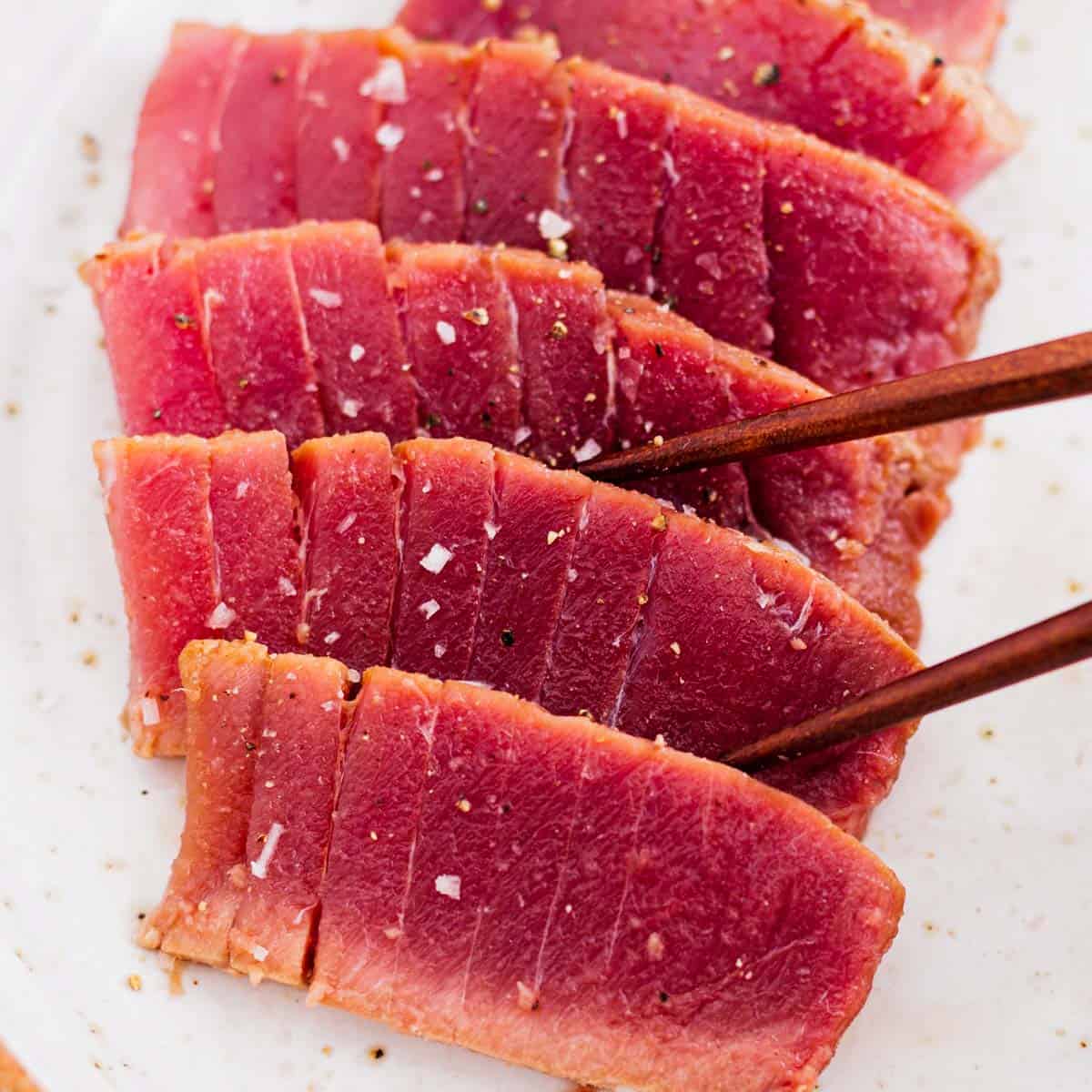
Credit: theyummybowl.com
Frequently Asked Questions
How Long Can Fresh Tuna Steaks Stay In The Fridge?
Fresh tuna steaks can stay in the fridge for 1 to 2 days. Keep them tightly wrapped or in an airtight container to maintain freshness.
Can Cooked Tuna Steaks Last Longer In The Fridge?
Cooked tuna steaks last 3 to 4 days when refrigerated properly. Store them in airtight containers to prevent spoilage and retain flavor.
How Should Tuna Steaks Be Stored In The Fridge?
Store tuna steaks in the coldest part of the fridge. Use airtight containers or wrap them tightly in plastic wrap or foil to keep them fresh.
Is It Safe To Eat Tuna Steaks After 3 Days?
Eating tuna steaks after 3 days can be risky. Spoilage bacteria may grow, so it’s best to consume within 1 to 2 days for fresh tuna.
Conclusion
Tuna steaks stay fresh in the fridge for 1 to 2 days. Keep them cold and wrapped tightly. Check for any strange smell or slimy texture. Eat them quickly to enjoy the best taste and safety. Storing tuna properly helps avoid food waste and illness.
Always trust your senses before cooking or eating. Fresh tuna means a better meal every time. Simple steps make a big difference in food safety.