

Have you ever wondered if you can make a rich, bold espresso using your regular coffee maker? If you crave that intense espresso flavor but don’t own a fancy machine, you’re not alone.
The good news is, you might be closer to espresso bliss than you think. You’ll discover whether your coffee maker can deliver that perfect shot of espresso and how to get the best results. Keep reading—you’re about to unlock a simple way to upgrade your coffee game without breaking the bank.
Credit: planetarydesign.com
Espresso Vs Regular Coffee
Espresso and regular coffee both come from coffee beans, but they differ greatly in how they are made and how they taste. Understanding these differences helps you choose the right drink for your mood and taste. Each has its own unique qualities that appeal to different coffee lovers.
Key Differences In Brewing
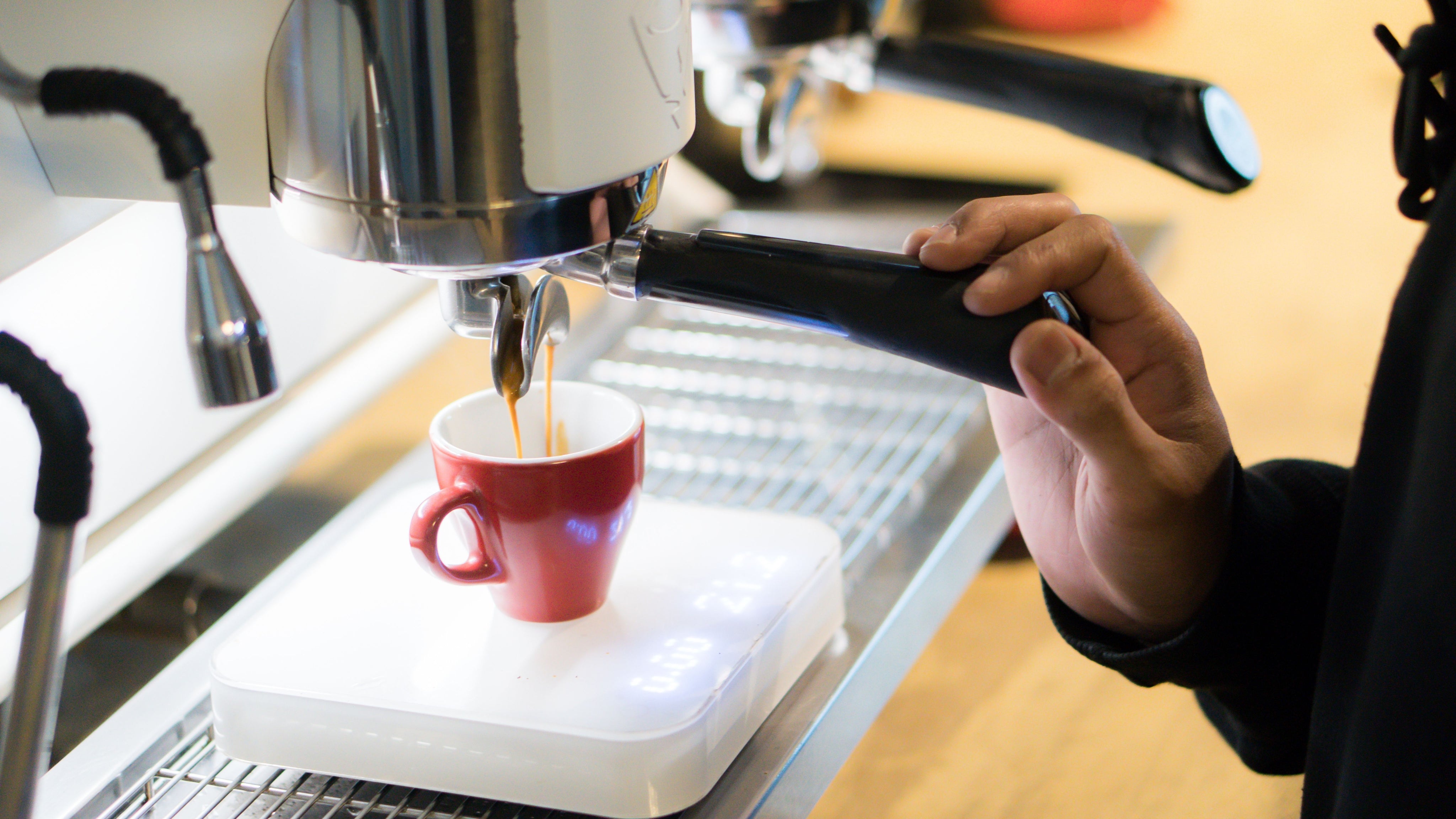
Espresso uses high pressure to force hot water through finely ground coffee. This process takes about 25-30 seconds. It creates a small, strong shot of coffee.
Regular coffee, made in a coffee maker, uses drip brewing. Hot water slowly passes through medium-ground coffee. This method takes several minutes and makes a larger cup.
Espresso machines need special equipment. Coffee makers do not create the pressure espresso requires. This affects the final drink’s texture and strength.
Flavor And Texture Variations
Espresso has a bold, intense flavor. It often tastes richer and more concentrated. The crema on top adds a creamy texture and a slightly bitter finish.
Regular coffee tastes lighter and smoother. Its flavor is more diluted due to the longer brewing time and larger water volume.
Espresso feels thicker and heavier on the tongue. Regular coffee is thinner and more watery in comparison.
Types Of Coffee Makers
Understanding the different types of coffee makers can help you decide if you can make espresso with the machine you have. Each coffee maker has its own way of brewing, affecting the flavor, strength, and texture of your coffee. Let’s look closely at three popular types and see how they differ.
Drip Coffee Makers
Drip coffee makers are the most common in many homes. They work by dripping hot water through ground coffee, producing a smooth, mild brew. However, this method doesn’t generate the high pressure needed for true espresso.
If you’ve tried making espresso with a drip machine, you probably noticed it lacks the rich crema and intensity that espresso is known for. So, while you can make a coffee that’s stronger than usual, it’s not technically espresso.
Single-serve Machines
Single-serve machines use pods or capsules to brew coffee quickly. Some models, like Nespresso, are designed to make espresso-style coffee by forcing hot water through the pod at higher pressure. This can get you close to espresso taste and texture without owning a full espresso machine.
Have you experimented with different pods to find your favorite espresso flavor? This method offers convenience and variety, but it may limit your control over grind size and extraction time.
Espresso Machines
Espresso machines are built to deliver high pressure, usually 9 bars or more, which extracts rich flavors and crema from finely ground coffee. They come in manual, semi-automatic, and automatic versions, giving you different levels of control and skill requirements.
If you’re serious about making authentic espresso, investing in an espresso machine is the best way. It lets you adjust grind size, tamping pressure, and extraction time to craft the perfect shot every time. Do you enjoy the ritual of pulling a shot, or are you looking for quick and easy coffee? Your choice in machine will reflect that.
Using A Coffee Maker For Espresso
Using a coffee maker to make espresso might sound like a shortcut, but it requires some adjustments to get closer to that rich, bold espresso flavor. While coffee makers aren’t built for espresso’s high pressure extraction, you can tweak certain factors to enhance your brew. Let’s look at how you can adjust grind size, coffee amount, and brew strength to improve your espresso-like coffee.
Adjusting Grind Size And Coffee Amount
The grind size plays a big role in espresso. Since espresso machines use fine grounds, you’ll want to use the finest grind your coffee maker can handle without clogging. If your grinder doesn’t go fine enough, try using a medium-fine grind and increase the coffee amount to boost flavor intensity.
Start by adding 2 tablespoons of coffee per cup and experiment from there. If the coffee tastes weak, add a little more. If it tastes bitter or over-extracted, reduce the coffee or adjust the grind coarser.
Modifying Brew Strength
Many coffee makers offer a brew strength setting. Choose the strongest option if available. This setting increases brewing time and extracts more flavor, mimicking the intensity of espresso.
You can also try brewing a smaller amount of water with the same coffee amount. This concentrates the coffee, making it closer to an espresso shot. It won’t be perfect, but it can satisfy your espresso craving in a pinch.
Limitations Of Standard Coffee Makers
It’s important to remember that coffee makers don’t generate the high pressure (around 9 bars) needed to pull a true espresso shot. Without this pressure, you won’t get the characteristic crema or the full espresso extraction.
Also, water temperature and flow control in coffee makers are less precise, which affects flavor consistency. If you’re after real espresso, investing in a dedicated espresso machine is the best route.
Still, tweaking your coffee maker settings can yield a stronger, richer coffee that’s close enough for everyday enjoyment. Have you tried adjusting your coffee maker to get a bolder brew? What changes worked best for your taste?
Credit: www.breville.com
Alternative Methods For Espresso At Home
If you don’t own a traditional espresso machine, don’t worry. There are several alternative ways to enjoy a rich, concentrated coffee that closely resembles espresso right at home. These methods can surprise you with their ease and the quality of the brew they produce.
Moka Pot Brewing
The moka pot is a classic tool that delivers strong coffee using steam pressure. It’s simple to use and affordable, making it a staple in many homes.
Fill the bottom chamber with water, add finely ground coffee to the filter, and place it on the stove. The water heats up and pushes steam through the grounds, resulting in a bold, espresso-like coffee.
Have you noticed how moka pot coffee has a unique, slightly smoky flavor? It’s a delightful twist if you want something different from your usual brew.
Aeropress Techniques
The AeroPress is incredibly versatile and can mimic espresso with the right technique. By using a fine grind and pressing slowly, you can extract a concentrated shot.
Try using two scoops of coffee and hot water, then press down steadily over 30 seconds. The result is a smooth, rich coffee that works well for lattes or straight shots.
What’s great about the AeroPress is how easy it is to clean and adjust to your taste. Have you experimented with different pressures or water temperatures to tweak your shot?
Manual Espresso Makers
Manual espresso makers let you control every part of the brewing process. These hand-powered devices use pressure to push water through coffee grounds, similar to an electric machine.
They usually require a bit of practice but reward you with a genuine espresso experience without the high cost. Plus, they are portable, perfect for travel or small kitchens.
Do you enjoy hands-on brewing? Manual espresso makers might be a satisfying way to engage with your coffee ritual and improve your barista skills.
Tips For Better Espresso Taste
Getting a better espresso taste from your coffee maker is all about the details. Small changes in how you choose your ingredients, handle your water, and maintain your machine can make a big difference in flavor. Let’s look at key tips to help you enjoy a richer, more satisfying espresso right at home.
Choosing The Right Beans
The beans you pick shape the entire espresso experience. Look for beans specifically labeled for espresso or dark roast—they tend to have richer, bolder flavors. Freshness matters a lot; beans start losing flavor weeks after roasting, so try to buy from local roasters or stores with high turnover.
Grinding your beans just before brewing also impacts taste. Coffee ground too coarse or too fine can lead to weak or bitter espresso. Adjust your grinder settings until you find that perfect balance for your machine.
Water Temperature And Quality
Water temperature influences how well your espresso extracts flavors. Ideal water temperature for espresso is between 195°F and 205°F (90°C to 96°C). Too hot, and your coffee tastes burnt; too cool, and it’s under-extracted and weak.
Water quality is just as important. If your tap water tastes off or contains high mineral content, it will affect your espresso. Use filtered or bottled water to get the purest taste. Have you noticed a difference when switching your water source?
Cleaning And Maintenance
A clean coffee maker makes better espresso. Old coffee oils and residue build up and create bitter flavors over time. Clean your machine regularly by running water cycles without coffee and wiping down all removable parts.
Don’t forget to descale your machine every month or so, especially if you live in an area with hard water. Descaling removes mineral deposits that block water flow and reduce extraction quality. Your espresso will taste fresher and more vibrant with a well-maintained machine.
Credit: www.coffeeoncue.com.au
Frequently Asked Questions
Can A Regular Coffee Maker Brew True Espresso?
No, regular coffee makers can’t reach the high pressure espresso needs. They brew drip coffee, not espresso. For authentic espresso, a machine that generates 9 bars of pressure is essential.
What Coffee Grind Works Best For Espresso Machines?
Espresso machines require a fine, powdery grind for proper extraction. Coarser grinds lead to weak, under-extracted coffee. Using the right grind ensures rich flavor and crema.
Can I Use Espresso Pods In A Coffee Maker?
Most coffee makers don’t support espresso pods. Espresso pods need specific pod machines with high pressure. Using pods in a regular coffee maker won’t produce true espresso.
How Does Pressure Affect Espresso Quality?
Pressure forces water through coffee grounds quickly, extracting rich oils. Ideal espresso needs around 9 bars of pressure. Lower pressure results in weak, watery coffee lacking crema.
Conclusion
Making espresso in a regular coffee maker is not easy. Coffee makers do not reach the high pressure espresso needs. You can try strong coffee instead. This gives a similar taste but not the same crema or richness. For true espresso, a special machine works best.
Still, a coffee maker can brew good coffee every day. Choose what fits your taste and budget. Enjoy your coffee moments, whatever type you make.