
Have you ever wondered if your espresso machine can make regular coffee? If you love the rich taste of espresso but crave a simple cup of drip coffee, this question might be on your mind.
You might think these machines are only for espresso shots, but there’s more to them than you realize. Imagine saving space, time, and money by using one device for both drinks. Keep reading, and you’ll discover how to get that perfect cup of regular coffee with your espresso machine—and why it might be easier than you think.

Credit: somethingsbrewing.in
Espresso Machine Basics
An espresso machine looks simple but works with precise parts. It brews strong coffee by forcing hot water through finely ground beans. Understanding the basics helps you know how it works and what makes it different from regular coffee makers.
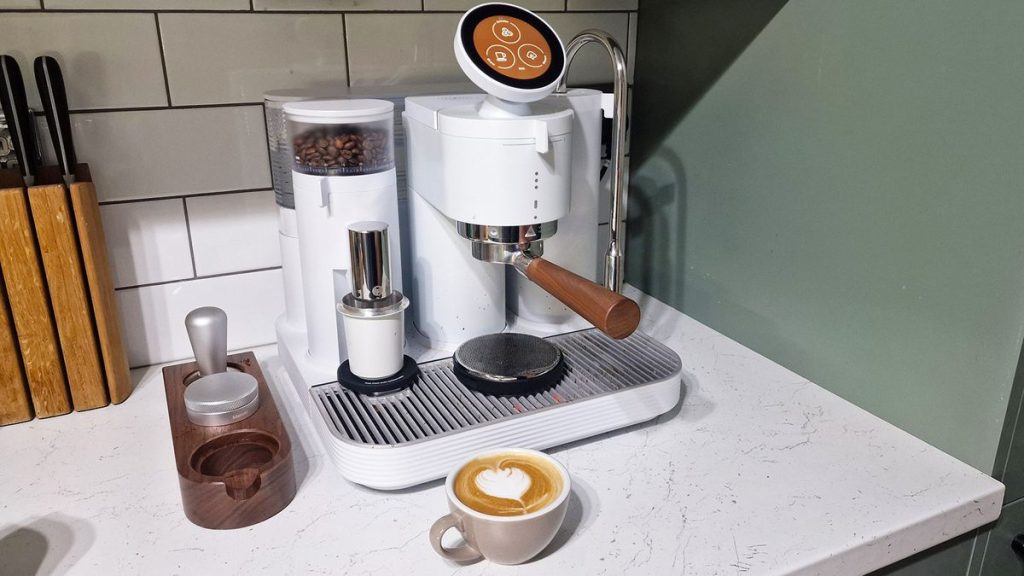
Key Components
- Portafilter:Holds the ground coffee tightly.
- Group Head:Delivers hot water to the coffee grounds.
- Boiler:Heats water to the perfect temperature.
- Pump:Pushes water through the coffee at high pressure.
- Steam Wand:Steams milk for lattes and cappuccinos.
- Drip Tray:Catches spills and excess liquid.
How Espresso Machines Work
The machine heats water inside the boiler until it reaches about 200°F (93°C). The pump forces this hot water through the portafilter. Pressure is key—about 9 bars push water evenly through the fine coffee grounds. This process extracts oils and flavors quickly, creating a rich and strong shot of espresso.
Unlike drip coffee makers, espresso machines use pressure instead of gravity. This difference affects taste and texture, making espresso thicker and more concentrated. The steam wand adds foam or steamed milk for different drinks.
Differences Between Espresso And Regular Coffee
Understanding the differences between espresso and regular coffee is key if you want to use your espresso machine to make a regular cup. They may seem similar since both come from coffee beans, but the way they are prepared changes the entire experience. Let’s break down what really sets them apart.
Grind Size And Coffee Amount
Espresso requires a much finer grind than regular coffee. The fine grind helps the water extract rich flavors quickly under pressure.
On the other hand, regular coffee uses a coarser grind. This allows for a longer brewing time without over-extracting bitter compounds.
Also, the amount of coffee used differs. Espresso typically uses about 18-20 grams for a double shot, while a regular drip brew might use twice that amount for a full cup.
Brewing Time And Pressure
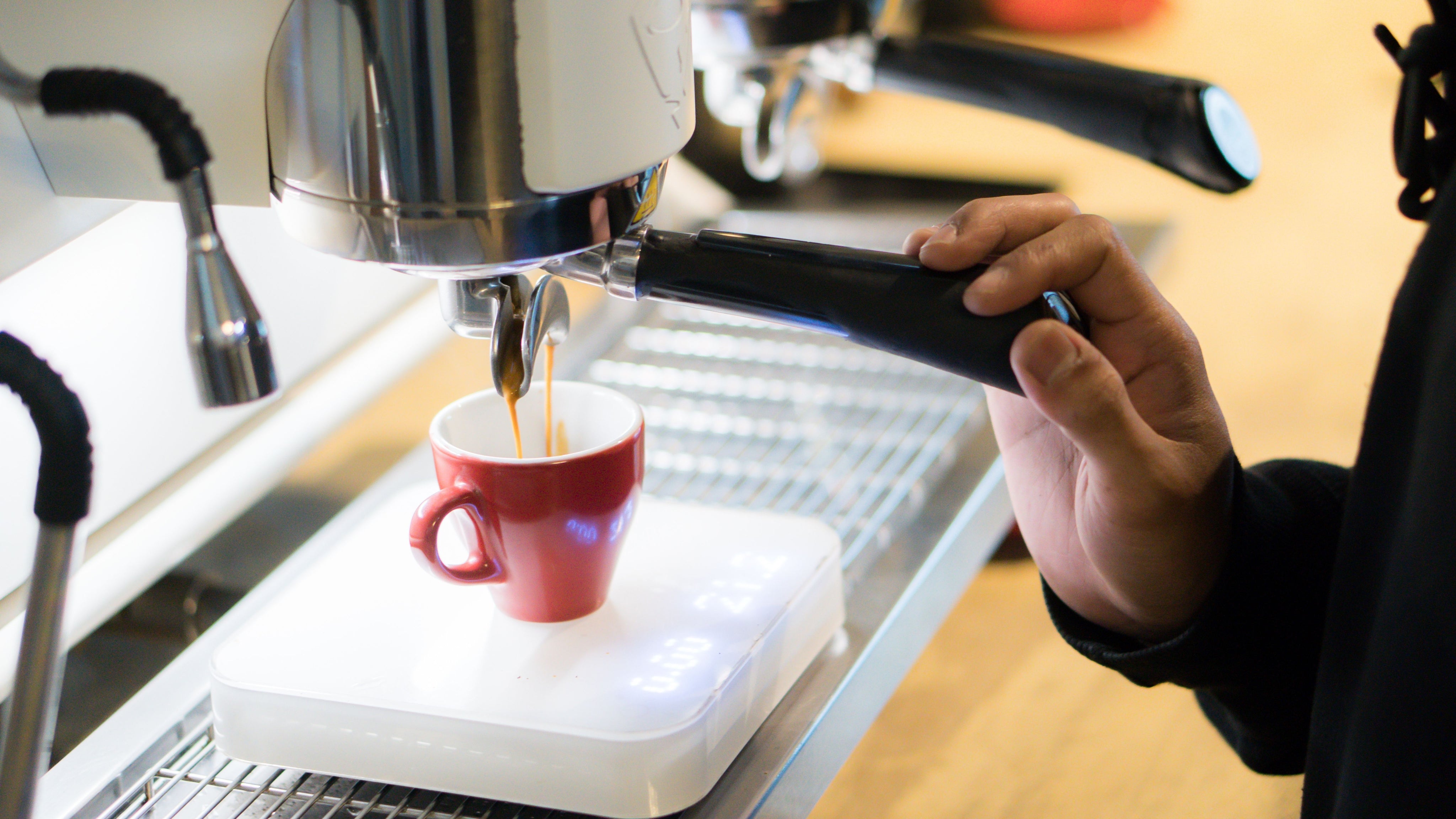
Espresso machines push hot water through coffee grounds at high pressure—around 9 bars—in about 25-30 seconds.
Regular coffee brewing relies on gravity and takes several minutes. The water seeps through the grounds without additional pressure.
This difference in pressure and time is why espresso has that thick crema and intense flavor, while regular coffee is smoother and milder.
Flavor And Strength
Espresso is concentrated and bold, packing a punch in a small volume. Its flavor is intense, often described as rich, smoky, or even slightly sweet.
Regular coffee delivers a lighter, more balanced taste. It allows subtle notes to come through without overwhelming your palate.
Have you noticed how a shot of espresso wakes you up differently than a cup of drip coffee? That’s the strength and flavor profile at work.
Using An Espresso Machine For Regular Coffee
Using an espresso machine for regular coffee is possible with some adjustments. Espresso machines are designed for strong, concentrated coffee. Regular coffee usually means a lighter, larger cup. You can tweak the settings to get a milder taste. This allows for a smoother, less intense coffee experience.
Adjusting Grind And Dose
The grind size affects the flavor and extraction. Use a coarser grind than espresso but finer than drip coffee. Adjust the coffee dose to a bit more than espresso to balance strength. A typical starting point is 18-20 grams for a double shot. Experiment with grind and dose to find your preferred taste.
Modifying Brew Time
Brew time impacts coffee strength and taste. For regular coffee, increase the extraction time slightly. Aim for 30 to 40 seconds instead of the usual 25-30 seconds for espresso. This helps extract more flavors without bitterness. Watch the flow; it should be steady, not too fast or slow.
Water Temperature And Pressure Tips
- Water temperature should be around 195-205°F (90-96°C).
- Lower pressure than espresso machines use helps mild flavors.
- Some machines allow pressure adjustment; reduce it if possible.
- Use fresh, filtered water for the best taste.
Controlling temperature and pressure creates a smoother cup. It avoids the harshness typical of espresso shots. These small changes make your espresso machine versatile for regular coffee.
Alternative Methods With Espresso Machines
Espresso machines offer more than just espresso shots. They can help create coffee drinks similar to regular coffee using simple tricks. These alternative methods use the espresso machine’s features to produce familiar coffee flavors and textures.
Exploring these options allows coffee lovers to enjoy a variety of drinks from one machine. It suits those who want a quick, easy coffee without owning multiple devices. Here are some popular alternatives to make regular-style coffee with an espresso machine.
Americano Style Coffee
Americano is a popular coffee made by adding hot water to espresso. This dilutes the strong espresso taste and creates a lighter, larger drink. To make it:
- Brew a single or double shot of espresso.
- Add hot water to the espresso, usually in a 1:2 or 1:3 ratio.
- Adjust water amount for preferred strength.
This method mimics regular drip coffee’s strength and volume. It keeps the rich espresso flavor but softens its intensity.
Long Black Coffee
Long Black is similar to Americano but with a slight difference in order. It preserves more crema and a bolder flavor. To prepare:
- Pour hot water into the cup first.
- Slowly add espresso over the water.
- Maintain the crema on top for better aroma and taste.
This results in a stronger, richer coffee compared to Americano. It suits those who like a fuller espresso experience with more volume.
Using A Steamer For Milk
Espresso machines often have steam wands to froth milk. This creates creamy, velvety textures for coffee drinks. Use the steamer to:
- Heat and froth milk separately.
- Add steamed milk to espresso or Americano.
- Create lattes, cappuccinos, or creamy regular coffee.
Steamed milk softens espresso’s strong flavor, making coffee smooth and rich. It gives a café-style touch to homemade coffee.
Common Challenges And Solutions
Using an espresso machine to brew regular coffee can be tricky. You might face some challenges that affect the taste and quality of your cup. Understanding these common issues and how to fix them will help you enjoy better coffee every time.
Avoiding Over-extraction
Over-extraction happens when water stays too long on the coffee grounds, pulling out bitter and harsh flavors. With an espresso machine, this can easily occur if the grind size is too fine or the brewing time is too long.
Try adjusting the grind to a coarser setting. Also, keep an eye on the brewing time; aiming for 20-30 seconds can prevent over-extraction. Have you noticed your coffee tastes too strong or bitter? These small tweaks can make a big difference.
Preventing Bitter Taste
Bitter coffee often results from using stale beans or water that’s too hot. Espresso machines typically heat water to around 90-96°C (195-205°F), but even slight temperature variations can affect flavor.
Use fresh, quality beans and grind them just before brewing. Make sure your machine’s temperature setting is correct, or if adjustable, try lowering it slightly. Does your coffee leave a harsh aftertaste? This might be the culprit.
Maintaining Machine Cleanliness
Regular cleaning is vital to keep your espresso machine working well and your coffee tasting great. Old coffee oils and residue can build up, causing off-flavors and affecting machine performance.
Clean the portafilter, group head, and steam wand after every use. Perform a deeper cleaning cycle weekly using a machine cleaner. Have you ever tasted sour or strange flavors? Cleaning your machine could be the simple fix you need.
Credit: www.coffeeoncue.com.au
Expert Tips For Better Results
Getting better results from your espresso machine while making regular coffee is possible with a few smart tips. Small changes can improve taste and texture. Focus on the beans, water amount, and machine care. These factors work together to create a smooth cup.
Choosing The Right Beans
Select beans that suit regular coffee, not just espresso blends. Lighter roasts often work better for drip-style coffee. Avoid very dark or oily beans that may taste bitter. Fresh beans give a cleaner flavor. Store them in an airtight container away from light and heat.
Experimenting With Ratios
Adjust the amount of coffee and water to find your favorite strength. Start with a 1:15 coffee-to-water ratio, then tweak it. Use a kitchen scale for accuracy. More water makes a lighter brew; less water makes it stronger. Keep notes to track what tastes best.
Regular Machine Maintenance
Clean your espresso machine regularly to keep flavors pure. Remove old coffee oils and residues by backflushing or using cleaning tablets. Descale the machine to prevent mineral buildup. Check the grinder and water filter often. A clean machine brews better coffee every time.

Credit: somethingsbrewing.in
Frequently Asked Questions
Can I Brew Regular Coffee Using An Espresso Machine?
Yes, you can brew regular coffee with an espresso machine. Use a coarser grind and adjust water temperature and pressure. This method won’t exactly replicate drip coffee but produces a strong, rich cup similar to espresso.
What Grind Size Is Best For Coffee In Espresso Machines?
For regular coffee in an espresso machine, use a medium-coarse grind. It prevents over-extraction and bitter taste. Espresso machines usually require fine grounds, but a coarser grind helps mimic drip coffee better.
Does Espresso Machine Coffee Taste Like Drip Coffee?
No, espresso machine coffee tastes stronger and more concentrated. Drip coffee is lighter and less intense. Espresso machines use pressure, altering flavor and texture compared to regular drip methods.
Can I Adjust An Espresso Machine For Regular Coffee?
Yes, you can adjust grind size, water volume, and brewing time. These changes help create a coffee closer to regular drip coffee. Experimenting with settings improves taste and extraction.
Conclusion
Yes, you can make regular coffee with an espresso machine. It takes some adjustments in water and coffee amount. The taste will differ from drip coffee but still good. Espresso machines offer strong and rich flavors. You only need to experiment a little to find your favorite brew.
This method saves space and money by using one machine. Enjoy your coffee, your way, every day. Simple and practical for coffee lovers everywhere.