

Have you ever stopped to wonder why bowls are round? It seems simple, but there’s more to it than just shape.
The round design affects how you use a bowl every day—whether you’re eating, cooking, or even storing food. Understanding this can change the way you see something as ordinary as a bowl. Keep reading, and you’ll discover surprising reasons behind this common shape that might make you appreciate your bowl a little more.
The Shape Of Bowls
Bowls are a common item found in every kitchen. Their round shape is not just for looks. It serves many practical purposes. The shape affects how we use them and how they hold food or liquids. Understanding the shape of bowls helps us see why round designs are popular worldwide.
Common Bowl Designs
Most bowls have a round shape with smooth curves. This shape helps contain food without spilling. The round form also makes it easy to stir or scoop. Bowls can vary in size from small to large. Some have wider openings, while others are deeper. Common materials include ceramic, glass, plastic, and metal. Each material works well with the round shape.
- Round bowls help mix ingredients easily.
- Curved sides prevent food from falling out.
- Round bases allow bowls to sit steadily on surfaces.
Historical Bowl Shapes
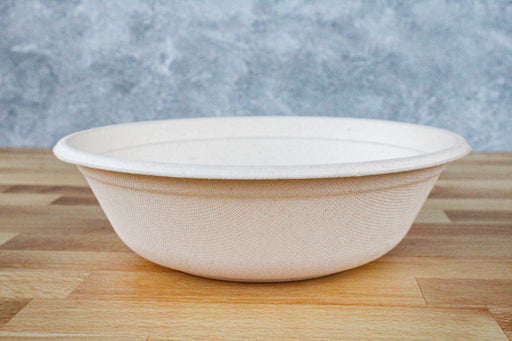
Ancient bowls were also mostly round. Early humans used natural materials like wood, clay, and shells. These materials naturally formed round shapes. Pottery from old civilizations shows many round bowls. The round shape was practical for cooking and eating. It made heating food over fire easier. The shape also helped with carrying water or grains.
Over time, bowls kept their round form because it works well. Different cultures added unique designs but kept the basic shape. The round bowl remains a simple, useful tool across history and cultures.
Credit: this-element.com
Physics Of Roundness
The physics of roundness explains why bowls often have a circular shape. This shape is not random but follows natural laws that make round bowls efficient and practical. Understanding these laws helps us see why roundness is common in everyday objects like bowls.
Surface Tension Effects
Surface tension pulls liquid molecules toward each other. This force shapes liquids into the smallest surface area possible. Round shapes, like spheres or bowls, have the least surface area for a given volume.
When a bowl holds liquid, surface tension helps keep the liquid stable. The round shape evenly distributes these forces. This prevents spills and helps the bowl hold liquids better.
Fluid Dynamics In Bowls
Fluid dynamics studies how liquids move and flow. In a round bowl, liquids move smoothly without sharp corners. This reduces turbulence and splashing.
Round bowls allow liquids to swirl easily. This is useful for mixing or stirring. The shape directs the flow in a circular motion, making tasks easier and more efficient.
Practical Benefits Of Round Bowls
Round bowls offer many practical benefits that suit everyday kitchen tasks. Their shape is not just traditional but designed for convenience and efficiency. Using round bowls can make cooking and food preparation easier and more enjoyable.
Ease Of Mixing And Stirring
Round bowls allow ingredients to move freely while mixing. The curved sides prevent food from getting stuck in corners. This makes stirring smoother and faster. It also helps blend ingredients evenly without much effort.
Even Heat Distribution
Heat spreads uniformly in round bowls, making cooking more consistent. The shape avoids hot spots that can burn food. This is useful for warming sauces or melting ingredients gently. Round bowls help keep temperature steady throughout the food.
Stacking And Storage
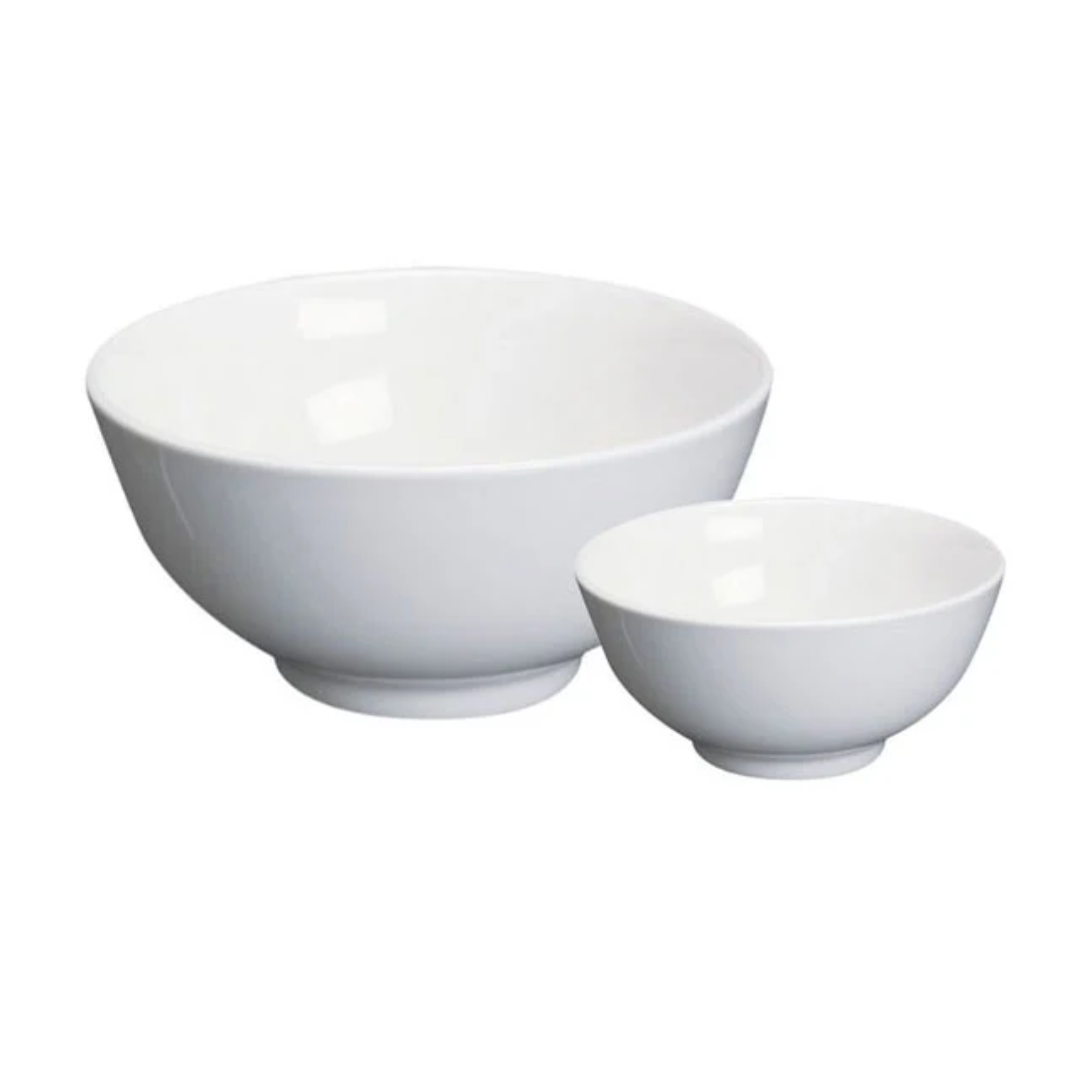
Round bowls are easy to stack and save space in the kitchen. Their uniform shape fits neatly inside one another. This helps keep cabinets tidy and organized. It also makes transporting and storing bowls simpler and safer.
Credit: pearlriver.com
Cultural And Aesthetic Factors
Bowls have been part of human culture for thousands of years. Their round shape is not only practical but also holds deep cultural and aesthetic meaning. Many societies value round objects for their beauty and symbolism. This section explores how culture and design influence why bowls are round.
Symbolism Of Circles
Circles often represent unity and wholeness in many cultures. They have no beginning or end, symbolizing eternity and life cycles. Bowls, being round, carry this symbolism. They suggest completeness and harmony during meals and gatherings. This shape also represents protection and safety, holding food gently inside. Using round bowls connects people to these deeper meanings.
Design Trends Across Cultures
Different cultures have unique design styles but often prefer round bowls. In Asia, round bowls reflect balance and natural flow. Native American pottery uses circular shapes to honor nature and community. European designs also favor round bowls for their elegance and simplicity. These trends show a shared appreciation for curves and smooth edges. Round shapes create a soft and inviting look, making bowls both functional and beautiful.
Material Influence On Bowl Shape
Have you ever wondered why bowls are predominantly round? The shape is not just a matter of tradition; it significantly depends on the materials used. From ceramic to metal, each material influences the shape and functionality of bowls in unique ways. Understanding these influences can help you choose the right bowl for your kitchen needs.
Ceramic and glass bowls are often crafted in a round shape due to the nature of the material. When you think about ceramic, it’s all about moldability and aesthetic appeal. The round shape is favored for its symmetry and smoothness, which are easily achievable with clay. Ceramic bowls are fired at high temperatures, allowing them to retain their round shape effectively.
Glass bowls, on the other hand, are shaped through a process that involves heating and blowing the glass. The round shape helps in even distribution of heat during this process. Plus, it offers an elegant look that fits well in modern kitchens. Ever tried serving a vibrant salad in a glass bowl? The roundness enhances the presentation, making your dish look irresistible.
Metal bowls, such as those made from stainless steel, often embrace the round shape for practicality. This design aids in durability and ease of cleaning. The seamless roundness prevents food from getting stuck in corners, making it ideal for mixing or serving. When you use a metal bowl, have you noticed how easy it is to scrape off ingredients without leaving residue?
Plastic bowls are versatile and can be molded into various shapes, yet round remains a popular choice. The round shape provides structural integrity and is less prone to stress fractures. Think about the last time you bought a set of plastic bowls; the round ones stack neatly, saving space in your cupboard. Would you choose a different shape if it meant compromising on storage efficiency?
Understanding the material influence on bowl shape can transform your cooking and dining experiences. So next time you’re shopping for bowls, consider how the material might impact the shape and functionality. What do you prioritize when choosing your kitchenware?
Innovative Bowl Designs
Innovative bowl designs challenge the classic round shape. Designers experiment with form and function to create bowls that suit various needs and styles. These new shapes offer fresh ways to use bowls beyond traditional dining. Some designs focus on aesthetics, while others improve usability and storage.
Non-round Bowls And Their Uses
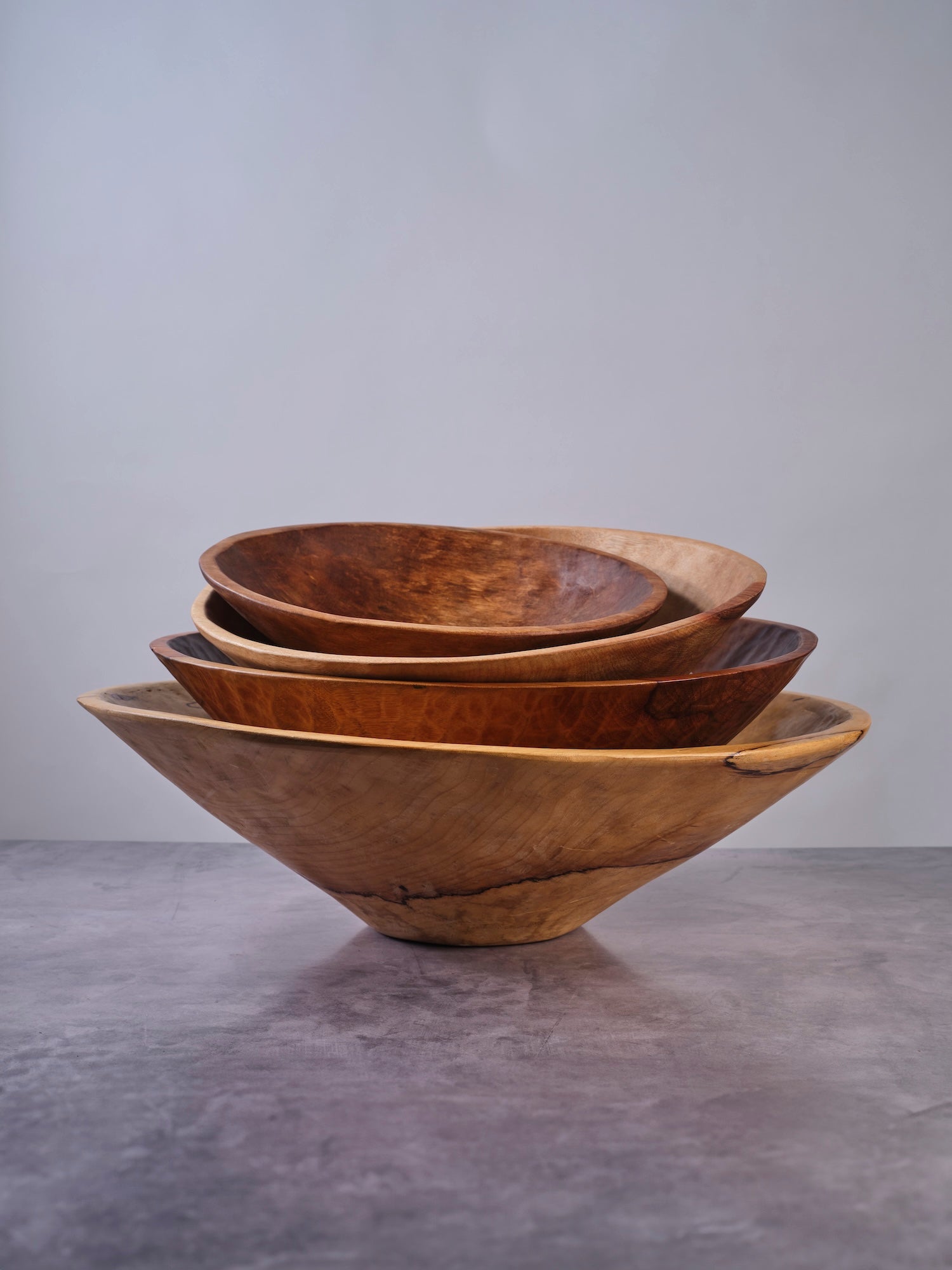
Non-round bowls come in many shapes like square, oval, and triangular. Each shape serves a special purpose:
- Square bowls stack easily, saving space in cupboards.
- Oval bowls fit better in narrow refrigerators or shelves.
- Triangular bowls add a unique look to table settings.
These shapes also influence how food is served and eaten. For example, wide edges on square bowls help hold sauces better. Some shapes work well for specific dishes, such as pasta or salads. Non-round bowls bring variety and practicality to kitchens.
Future Trends In Bowl Shapes
Future bowl designs blend creativity with technology. Smart materials that change color or temperature are emerging. Bowls may adjust shape to fit different foods or portion sizes. Designs might focus on eco-friendly materials and easy recycling.
Expect more bowls with modular parts for mixing and serving. Minimalist shapes with smooth lines will stay popular. Designers also explore cultural influences to inspire new forms. The future holds many exciting possibilities for bowls beyond the round.
Credit: www.terraklay.com
Frequently Asked Questions
Why Are Bowls Typically Round In Shape?
Bowls are round because this shape evenly distributes heat and allows easy mixing. It also fits comfortably in hands and on surfaces.
How Does A Round Bowl Improve Food Serving?
A round bowl holds liquids and solids securely, preventing spills. Its shape makes scooping and stirring food easier and more efficient.
Are There Practical Reasons For Bowls Being Round?
Yes, round bowls are easier to manufacture and clean. Their shape maximizes volume with minimal material use, making them practical and durable.
Does The Round Shape Affect Bowl Stability?
Round bowls have a stable base that prevents tipping. The curved design evenly supports the bowl’s weight, enhancing balance during use.
Conclusion
Bowls are round because this shape holds food well and feels comfortable. Round edges make eating easier and safer. The shape helps heat spread evenly in hot dishes. It also saves space when stacking many bowls. This simple design suits many uses and cultures worldwide.
Next time you use a bowl, notice its smooth, round form. It’s a smart, practical choice made over many years. Shapes matter more than we often think. Round bowls blend function with comfort perfectly.