

Have you ever wondered what makes a ramen bowl so special? It’s more than just noodles and broth.
A ramen bowl is a unique blend of flavors, textures, and traditions that come together in one delicious dish. If you love food that warms your soul and excites your taste buds, understanding what a ramen bowl truly is will change the way you enjoy this Japanese classic.
Keep reading, and you’ll discover the secrets behind this comforting meal that’s taken the world by storm.
Origins Of Ramen
The origins of ramen trace back to a mix of cultures and history. This simple bowl of noodles carries a story of migration and change. Ramen started as a foreign dish but grew into Japan’s favorite comfort food. Its journey shows how food can travel and adapt, creating something new and beloved.
History In Japan
Ramen arrived in Japan in the late 19th century. Chinese immigrants brought wheat noodles to port cities. Over time, Japanese cooks added local flavors and ingredients. By the 20th century, ramen shops appeared across Japan. After World War II, ramen became cheap and popular. It helped feed many during hard times. Different regions created unique ramen styles. Today, ramen is a symbol of Japanese food culture.
Cultural Impact
Ramen is more than just a meal in Japan. It represents comfort, tradition, and innovation. People enjoy ramen at all hours, from street stalls to fancy restaurants. Ramen shops are social places for friends and families. The dish also inspires art, movies, and festivals. Ramen has spread worldwide, connecting cultures through taste. It shows how food can unite people across borders.

Credit: www.amazon.ca
Key Ingredients
A ramen bowl is a harmony of flavors and textures. Each component plays a key role in creating this beloved dish. The noodles, broth, and toppings come together to make a satisfying meal. Understanding these key ingredients helps appreciate ramen’s unique taste.
Noodles
Ramen noodles are made from wheat flour, water, salt, and kansui. Kansui is alkaline water that gives noodles their firm texture and yellow color. Noodles vary in thickness and shape. Some are thin and straight, others thick and curly. The type of noodle changes the eating experience and how it holds the broth.
Broth Types
The broth is the soul of ramen. It can be light or rich, clear or creamy. The main types include:
- Shoyu:Soy sauce based, clear, and savory.
- Shio:Salt based, light and delicate.
- Miso:Fermented soybean paste, thick and hearty.
- Tonkotsu:Pork bone broth, creamy and rich.
Each broth offers a different flavor profile and depth. The broth choice defines the ramen style.
Toppings
Toppings add color, taste, and texture to the bowl. Common toppings include:
- Chashu (braised pork belly)
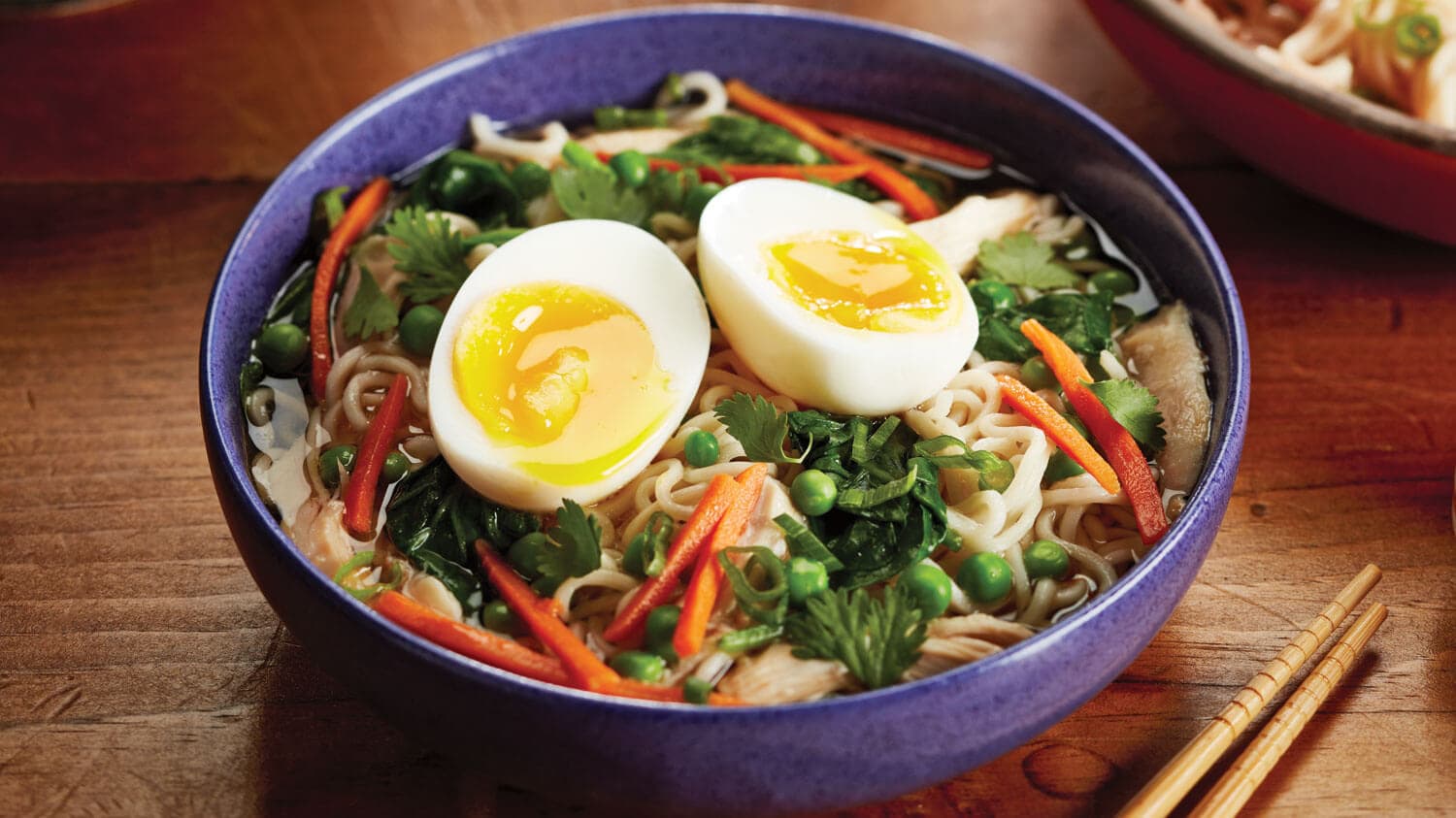
- Soft-boiled eggs with runny yolks
- Nori (seaweed sheets)
- Bamboo shoots
- Green onions
- Bean sprouts
Toppings balance the flavors and add layers to every bite. They also make the ramen visually appealing.
Popular Ramen Styles
Ramen is more than just a noodle soup; it’s a canvas for flavors that vary widely across Japan and beyond. Understanding the popular ramen styles helps you appreciate what makes each bowl unique. Whether you’re a ramen newbie or a seasoned slurper, knowing these styles can guide you to your perfect bowl.
Shoyu Ramen
Shoyu ramen features a soy sauce-based broth, giving it a clear, brown color and a slightly tangy taste. It’s often lighter than other styles but rich in umami, making it a favorite for many. The broth usually pairs well with toppings like bamboo shoots, sliced pork, and green onions.
Miso Ramen
Miso ramen stands out with its thick, hearty broth made from fermented soybean paste. It offers a deep, savory flavor that feels warming and satisfying, especially on cold days. Vegetables like corn and butter often accompany this style, adding sweetness and creaminess.
Tonkotsu Ramen
Tonkotsu ramen is famous for its rich, creamy broth made by boiling pork bones for hours. The result is a milky-white soup packed with intense flavor and a velvety texture. If you like bold tastes and a filling meal, this is the style to try.
Shio Ramen
Shio ramen uses a salt-based broth, which is usually clear and light. It highlights the natural flavors of the ingredients without overpowering them. This style often includes seafood or chicken, making it a good choice if you want something simple yet flavorful.
Which ramen style sounds like your next bowl? Trying each one can open your palate to new tastes and textures you might not expect from such a humble dish.
Credit: www.sobeys.com
How Ramen Bowls Are Made
Understanding how ramen bowls are made gives you a deeper appreciation for every sip and bite. Each component requires care and precision, coming together to create a balanced and satisfying meal. Let’s break down the process into three key parts that define the ramen experience.
Broth Preparation
The broth is the soul of a ramen bowl. It often simmers for hours, sometimes even a whole day, to extract rich flavors from ingredients like pork bones, chicken, vegetables, and seaweed. You might be surprised how subtle changes—like adding dried fish or a splash of soy sauce—can dramatically shift the taste profile.
Have you ever wondered why some broths feel so silky while others are more robust? It depends on the cooking time and the balance of fats and umami elements. This slow, careful simmering is what transforms simple ingredients into a complex, comforting broth.
Noodle Cooking
Noodles in ramen are usually fresh and cooked just before serving. They need only a few minutes in boiling water to reach the perfect chewy texture. Overcooking can make them soggy, while undercooking leaves them too firm—both can ruin your bowl.
Think about your favorite ramen spots—chances are they have mastered the timing of noodle cooking. If you try making ramen at home, pay close attention to the noodles’ texture; it’s a small step with a big impact.
Assembling The Bowl
Once the broth and noodles are ready, it’s time to bring everything together. The noodles go in first, followed by the hot broth poured gently over them. Then come the toppings: slices of tender pork, soft-boiled eggs, green onions, bamboo shoots, and maybe a sheet of nori.
Each topping adds its own texture and flavor, creating layers that keep your taste buds interested. Have you noticed how the egg yolk often blends into the broth, enriching it with creaminess? That’s the kind of detail that makes a ramen bowl truly satisfying.
Regional Variations
Ramen bowls change across regions, each with unique broth, noodles, and toppings. Local ingredients shape distinct flavors and styles. This variety makes ramen a rich, cultural experience.
Ramen, a beloved Japanese dish, is rich with variety. Each region in Japan has its own unique take on ramen, offering distinct flavors and ingredients. These regional variations showcase the diverse culinary heritage of Japan. From the bustling streets of Tokyo to the snowy landscapes of Sapporo and the historical charm of Kyoto, each style provides a different experience. Let’s explore these fascinating regional styles.Tokyo Style
Tokyo-style ramen is known for its soy-based broth. This type often features a clear, flavorful soup. The noodles are thin and curly, which helps them soak up the broth. Toppings usually include sliced pork, green onions, and nori. This style is popular for its balance and simplicity. It’s a staple in many Tokyo eateries.Sapporo Style
Sapporo-style ramen originates from the cold northern island of Hokkaido. The broth here is usually miso-based, offering a rich, hearty flavor. Noodles are typically thick and chewy. Common toppings include corn, butter, and bean sprouts, which add texture. This style is perfect for warming up during chilly days. Sapporo ramen is famous for its robust taste.Kyoto Style
Kyoto-style ramen is distinctively mild and elegant. The broth often uses chicken or fish stock, providing a subtle flavor. Noodles are medium-thick and straight, complementing the gentle broth. Typical toppings include bamboo shoots, chopped scallions, and soft-boiled eggs. This style reflects Kyoto’s refined culinary traditions. It’s ideal for those seeking a delicate taste experience.
Credit: www.amazon.ca
Eating Ramen Like A Pro
Eating ramen is more than just enjoying a meal. It is a cultural experience that highlights the flavors and textures of each ingredient. Knowing how to eat ramen like a pro lets you appreciate every bite and savor the broth, noodles, and toppings perfectly.
Proper Etiquette
Use chopsticks to pick up the noodles gently. Slurping the noodles is common and shows you enjoy the dish. It also cools down the hot noodles. Hold the bowl close to your mouth to avoid spills. Avoid breaking the noodles with your chopsticks. Drink the broth directly from the bowl or with a spoon. Eat the toppings in between bites of noodles. Do not leave food behind; finishing the bowl is respectful.
Tasting Tips
- Start by tasting the broth to understand its base flavor.
- Lift a small amount of noodles and slurp for the best taste.
- Mix toppings with noodles for varied flavors in each bite.
- Take small sips of broth between bites to cleanse your palate.
- Try to balance noodles, broth, and toppings in every spoonful.
- Eat quickly enough to enjoy the noodles before they get soggy.
Ramen In Popular Culture
Ramen has become more than just a beloved dish; it’s a cultural icon that pops up everywhere from screens to street festivals. Its rich flavors and comforting warmth have captured imaginations worldwide. You might be surprised how deeply ramen is woven into popular culture, influencing art, entertainment, and social gatherings.
Movies And Tv Shows
Ramen often stars in movies and TV shows as a symbol of comfort and connection. In the movie Tampopo, ramen is treated almost like a sacred ritual, showing how much care goes into making the perfect bowl. Watching characters share ramen scenes can make you crave your own bowl, reminding you how food brings people together.
Anime series like Narutoalso highlight ramen as a favorite food, making it a relatable and fun element for fans worldwide. These shows don’t just show ramen as food; they portray it as part of a lifestyle and identity. Have you ever noticed how a simple bowl of ramen can reveal so much about a character’s personality?
Ramen Festivals
Ramen festivals are popping up globally, celebrating this dish with incredible energy and creativity. These events gather chefs, food lovers, and communities to enjoy and explore different ramen styles in one place. Attending a ramen festival can change how you appreciate this dish, showing you the endless possibilities of flavors and toppings.
At these festivals, you can try everything from classic tonkotsu to spicy miso, often paired with live music and cultural performances. It’s not just about eating; it’s about sharing an experience that connects you with people from various backgrounds. What new ramen flavor would you be excited to try at a festival?
Making Ramen At Home
A ramen bowl is a deep, wide dish made to hold noodles and broth comfortably. It keeps the soup hot and allows easy mixing of ingredients. Perfect bowls help enjoy homemade ramen just like in a restaurant.
Making Ramen at Home There’s something magical about creating your own ramen bowl at home. The process invites you to unleash your creativity, adding flavors that resonate with your personal taste. It turns a simple meal into a culinary adventure right in your kitchen. Imagine the satisfaction of slurping noodles you’ve crafted yourself, enriched with a broth that envelops your senses.Basic Recipe
Start with the essentials. A simple ramen recipe requires just a few key ingredients: noodles, broth, and toppings. Choose fresh or dried noodles based on your preference. Prepare a flavorful broth using chicken or vegetable stock, enriched with soy sauce and miso. Top it with sliced green onions, boiled eggs, and a sprinkle of sesame seeds. Add a dash of creativity with different toppings. Try adding mushrooms, bok choy, or seaweed for extra depth. Remember, the joy of ramen lies in its versatility, allowing you to experiment with flavors and textures.Advanced Techniques
Elevate your ramen game with advanced techniques. Consider making your own noodles from scratch for that authentic touch. It’s not as daunting as it sounds—a simple dough of flour and water can be transformed into silky noodles with a bit of kneading and patience. Focus on crafting a complex broth. Simmer bones or vegetables for hours to extract deep flavors. Infuse it with ginger, garlic, and perhaps a hint of chili for a surprising kick. These techniques take your ramen from good to unforgettable.Common Mistakes To Avoid
Avoid pitfalls that can derail your ramen-making journey. Overcooking noodles is a common mistake—ensure they remain firm and springy by cooking them separately and adding them just before serving. Beware of under-seasoning the broth. It’s the heart of your ramen, and a bland broth can lead to a disappointing dish. Taste as you go and adjust with soy sauce, miso, or salt. Neglecting toppings can make your ramen feel incomplete. They add texture and flavor, turning a basic bowl into a feast for the senses. Choose toppings that complement your broth and enhance the overall experience. Making ramen at home can be a rewarding endeavor. What flavors will you explore in your next bowl?Frequently Asked Questions
What Is A Ramen Bowl Used For?
A ramen bowl is designed to hold hot ramen noodles and broth. It is deep and wide, allowing easy mixing and slurping. The bowl helps maintain the soup’s temperature and accommodates various toppings, enhancing the overall ramen eating experience.
What Materials Are Ramen Bowls Made From?
Ramen bowls are commonly made from ceramic, porcelain, or melamine. Ceramic retains heat well, keeping ramen warm longer. Melamine bowls are lightweight and durable, ideal for casual dining. These materials are food-safe and easy to clean, making them perfect for ramen serving.
How Big Is A Typical Ramen Bowl?
A typical ramen bowl holds between 20 to 32 ounces of broth and noodles. Its size allows for a generous serving with room for toppings. The bowl’s dimensions help balance the soup, noodles, and ingredients without spilling.
Can Ramen Bowls Be Used For Other Dishes?
Yes, ramen bowls are versatile and suitable for other soups, salads, or noodle dishes. Their size and shape make them perfect for any meal needing a deep bowl. They add aesthetic value and practicality to various cuisines beyond ramen.
Conclusion
A ramen bowl is more than just a dish. It brings warmth and comfort in every bite. The mix of noodles, broth, and toppings creates a unique taste. Many people enjoy ramen for its rich flavors and simple preparation. Understanding what a ramen bowl is helps you appreciate this popular food.
It invites you to try different styles and ingredients. A bowl of ramen tells a story of culture and tradition. Enjoy the experience of eating ramen, one spoonful at a time.