

Have you ever wondered how to keep the air inside your home or workplace truly clean and fresh? Dust, allergens, and harmful particles can sneak into your space without you even noticing.
That’s where air scrubbers come in. These powerful devices work quietly behind the scenes to trap and remove pollutants, giving you cleaner air to breathe. If you care about your health and want to create a safer environment for yourself and your loved ones, understanding what air scrubbers are and how they work can make a big difference.
Keep reading, and you’ll discover why air scrubbers might be exactly what your space needs.

Credit: www.amazon.com
Air Scrubber Basics
Understanding the basics of air scrubbers is key to improving the air quality in your space. These devices help remove harmful particles and contaminants from the air, making your environment healthier. Whether you’re dealing with allergens, smoke, or chemical fumes, knowing how air scrubbers work can guide you to the right choice for your needs.
How Air Scrubbers Work
Air scrubbers pull air through a series of filters and cleaning processes. They trap dust, mold spores, bacteria, and chemical pollutants. Some models use ultraviolet light or ionization to neutralize harmful particles.
Imagine breathing easier because the air in your home or workplace is constantly cleaned. This happens as the device continuously cycles air, removing pollutants before they can affect you. Have you ever noticed how stale air feels in certain rooms? An air scrubber can fix that by refreshing the air regularly.
Types Of Air Scrubbers
- Mechanical Air Scrubbers:Use HEPA and carbon filters to physically remove particles and odors.
- Electrostatic Air Scrubbers:Charge particles to stick them to collector plates inside the device.
- UV Air Scrubbers:Use ultraviolet light to kill bacteria and viruses.
- Combination Units:Mix several technologies for more thorough air cleaning.
Choosing the right type depends on the specific pollutants you want to tackle. For example, if you are concerned about viruses or bacteria, a UV air scrubber might be your best bet. What kind of air issues are you experiencing in your space?
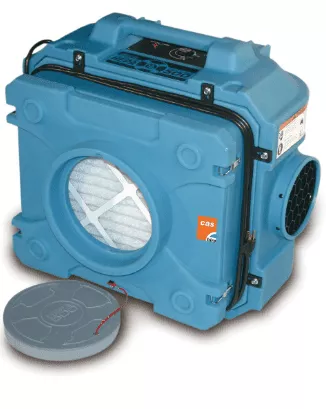
Key Components
| Component | Function |
|---|---|
| Pre-Filter | Captures large particles like dust and hair to protect deeper filters. |
| HEPA Filter | Removes 99.97% of tiny particles such as pollen and smoke. |
| Activated Carbon Filter | Absorbs odors and chemical fumes. |
| UV Light | Kills bacteria, viruses, and mold spores. |
| Fan or Blower | Pulls air through the device to circulate and clean it. |
Each component plays a role in making sure the air scrubber performs well. If one part is missing or faulty, the device won’t clean the air as effectively. Have you checked the filters in your current air purifier lately?
Credit: cleaningpro.co.nz
Benefits Of Air Scrubbers
Air scrubbers provide many benefits for indoor spaces. They help create a cleaner, healthier environment. These devices remove harmful particles and improve the air you breathe. Using air scrubbers can lead to noticeable changes in air quality and overall health.
Improving Indoor Air Quality
Air scrubbers filter out dust, smoke, and odors from the air. They use advanced technology to trap tiny particles. This process leaves the air fresher and clearer. Cleaner air reduces the chances of respiratory issues.
Reducing Allergens And Pollutants
Many allergens like pollen and pet dander get caught by air scrubbers. They also remove mold spores and bacteria. This helps lower allergy symptoms and irritation. Removing pollutants creates a safer space for everyone.
Impact On Health
Breathing cleaner air supports better lung function. It can reduce coughing, sneezing, and other discomforts. People with asthma or allergies may feel relief. Overall, air scrubbers contribute to a healthier lifestyle.
Choosing The Right Air Scrubber
Choosing the right air scrubber is essential to improve your indoor air quality effectively. The right device depends on several key factors that influence performance and convenience. Understanding these elements will help you make an informed decision tailored to your specific needs.
Factors To Consider
Start by identifying the main pollutants you want to remove. Different air scrubbers target particles, chemicals, or biological contaminants. Knowing this helps narrow down your options.
Next, think about the noise level. Some models run quietly, while others can be distracting. If you plan to use the air scrubber in a bedroom or office, a quieter model may be worth the extra cost.
Energy efficiency is another important factor. Devices that consume less power save money in the long run and are better for the environment.
Room Size And Capacity
Measure the room where you want to use the air scrubber. A small unit won’t clean the air efficiently in a large space. Look for the Clean Air Delivery Rate (CADR) rating to match the device with your room size.
If your space is open or connected to other rooms, consider a higher capacity model. Oversizing the unit slightly can improve air quality faster and more thoroughly.
Think about portability too. If you need to move the air scrubber between rooms, pick a compact model with wheels or handles.
Maintenance Requirements
Check how often filters need to be replaced or cleaned. Some air scrubbers require monthly attention, while others last several months before maintenance. Frequent upkeep might become a hassle if you have a busy schedule.
Look for models with easy-to-access filters and clear maintenance indicators. This saves time and ensures you don’t forget to keep the device running efficiently.
Also, consider the cost of replacement filters. Cheaper devices may have expensive filters, adding to your overall expenses.
Installation And Use
Installing and using an air scrubber correctly can make a big difference in how well it cleans your indoor air. You want to place it where it can work most efficiently, operate it in a way that maximizes its benefits, and avoid common pitfalls that reduce its effectiveness. Let’s walk through some practical tips to help you get the best results from your air scrubber.
Placement Tips
Think about airflow when choosing a spot for your air scrubber. Placing it near sources of pollution, like kitchens or dusty work areas, helps capture contaminants quickly.
Avoid corners or cramped spaces where air circulation is poor. Instead, choose an open area or near doorways to allow air to flow freely through the device.
If you’re using the scrubber in a large room, consider moving it around periodically or using multiple units to cover more ground. Don’t forget to keep it away from walls and furniture to prevent blocked air intake or exhaust.
Operating Guidelines
Keep the air scrubber running continuously during activities that generate dust, smoke, or odors. This steady operation helps maintain cleaner air throughout the day.
Regularly check and replace filters as recommended by the manufacturer to ensure optimal performance. Dirty filters can cause the unit to work harder and reduce its cleaning power.
Adjust the settings based on room size and air quality levels. Many models offer speed controls or modes tailored for different situations—use them to match your specific needs.
Common Mistakes To Avoid
- Placing the air scrubber in a closed cabinet or behind furniture, which limits airflow and reduces effectiveness.
- Ignoring filter replacement schedules, leading to clogged filters and poor air cleaning.
- Using the device only occasionally instead of consistently, which allows pollutants to build up between uses.
- Failing to clean the unit’s exterior and vents, which can cause dust buildup and restrict airflow.
Have you ever noticed your air scrubber seemed less effective over time? Often, it’s due to one of these avoidable mistakes. Paying attention to placement, operation, and maintenance can keep your air scrubber working as hard as you do to maintain healthy indoor air.
Comparing Air Scrubbers To Other Air Cleaners
When considering the best way to keep your indoor air fresh and healthy, understanding the differences between air scrubbers and other air cleaners is vital. Each type of air cleaner has its unique strengths and weaknesses, and knowing these can help you make an informed choice for your home or workplace. Let’s dive into how air scrubbers stack up against other popular air cleaning methods.
Hepa Filters Vs. Air Scrubbers
HEPA filters are renowned for their ability to trap particles as small as 0.3 microns, making them excellent for filtering dust, pollen, and mold spores. However, they do not eliminate odors or airborne chemicals. Air scrubbers, on the other hand, purify the air by releasing charged ions that attract and neutralize these particles, offering a more comprehensive air cleaning solution.
Imagine walking into a room and feeling the freshness as if you’re in a forest. That’s the power of air scrubbers. They don’t just trap pollutants; they actively remove them, making the air healthier to breathe.
Uv Light Systems
UV light systems target microorganisms like bacteria and viruses by disrupting their DNA. This can be a great option for sterilizing air, but it doesn’t address dust or allergens. Air scrubbers provide a broader range of benefits by also tackling these particles.
Consider UV systems as your microscopic warriors, and air scrubbers as the full army, ready to fight off multiple air quality issues. If you’re aiming for a comprehensive approach, air scrubbers might be your best ally.
Activated Carbon Filters
Activated carbon filters excel at removing odors and volatile organic compounds (VOCs) from the air. However, they don’t filter out particles like dust and pollen. Air scrubbers combine the benefits of particle removal and odor neutralization, making them a versatile choice.
Think about the last time you walked into a room and noticed a lingering smell. Activated carbon can help, but air scrubbers tackle the root of the problem, ensuring fresher air throughout your space.
Cost And Energy Efficiency
Understanding the cost and energy efficiency of air scrubbers can help you decide if they fit your budget and sustainability goals. These devices, designed to clean indoor air, come with varying price tags and energy demands. Let’s break down what you should expect in terms of initial investment, running costs, and energy consumption.
Initial Investment
Air scrubbers usually require a moderate upfront payment. Prices vary widely based on size, brand, and features.
- Smaller units for residential use can start around $200 to $500.
- Commercial-grade air scrubbers may cost $1,000 or more.
Think about how often you’ll need this device and the air quality improvements you expect. Are you willing to invest more upfront for better performance or lower maintenance later?
Running Costs
Beyond the initial purchase, consider the ongoing expenses. Filters and parts need regular replacement to keep the unit effective.
- Filter replacements typically range from $20 to $100 depending on the model.
- Maintenance frequency can vary from every 3 to 12 months.
Some air scrubbers also require professional servicing, which adds to your yearly costs. Have you checked how accessible and affordable replacement parts are for your chosen model?
Energy Consumption
Energy use depends on the scrubber’s size and operating hours. Smaller units usually consume less electricity, making them more energy-efficient.
- Typical power usage ranges from 50 to 200 watts per hour.
- Running a scrubber continuously can raise your electricity bill noticeably.
Many modern air scrubbers feature energy-saving modes or timers to help reduce consumption. Could you optimize your usage schedule to balance air quality and energy efficiency?
Troubleshooting And Maintenance
Maintaining your air scrubber is key to keeping it running efficiently and extending its life. Troubleshooting common problems early can save you time and frustration. Understanding simple maintenance tasks helps you avoid costly repairs and ensures your air stays clean.
Cleaning Procedures
Regular cleaning prevents dust and debris from clogging your air scrubber. Start by unplugging the unit to stay safe. Use a soft brush or cloth to wipe down the exterior and accessible parts.
Don’t forget the fan blades—they collect dust quickly and reduce airflow. You can use compressed air to blow out hard-to-reach spots. Always check the manufacturer’s guide for specific cleaning instructions to avoid damage.
Filter Replacement
Filters are the heart of your air scrubber. Dirty filters reduce air quality and strain the machine. Check your filters every month and replace them when they look clogged or after the recommended time.
Keep spare filters on hand so you can swap them out immediately. Some models have multiple filters—pre-filters, HEPA, and carbon filters—each with different replacement schedules. Mark your calendar to stay on track and keep your air scrubber working at its best.
Common Issues And Fixes
- Unit won’t turn on:Check the power source and fuse. Sometimes the simplest fix is just plugging it into a different outlet.
- Reduced airflow:Clean or replace filters and clear any blockages in the vents.
- Unusual noises:Inspect the fan blades for damage or dirt buildup. Lubricate motor parts if recommended.
- Indicator lights flashing:Refer to the user manual to decode error signals. Often, it points to a filter needing replacement or sensor issues.
Have you noticed your air scrubber acting up but weren’t sure why? Taking a few minutes to troubleshoot can save you from unexpected downtime and keep your indoor air fresh and healthy.
Future Trends In Air Scrubber Technology
Air scrubbers clean air by removing dust, smoke, and harmful particles. Future trends focus on smarter, energy-saving designs that improve air quality efficiently. These devices help create healthier indoor spaces with advanced technology.
Air scrubbers are evolving rapidly, adapting to modern needs and preferences. As technology advances, air scrubbers are becoming more intelligent, eco-friendly, and integrated into home systems. These trends are transforming how we purify indoor air, making air scrubbers more effective and user-friendly.Smart Features
Air scrubbers are now equipped with smart features. They can connect to Wi-Fi, allowing remote control through smartphones. Sensors detect air quality changes, adjusting settings automatically. This ensures optimal performance without manual intervention. Voice commands are also becoming popular, providing hands-free operation.Eco-friendly Innovations
Manufacturers are prioritizing eco-friendly designs. Energy-efficient models reduce electricity consumption significantly. Some use biodegradable filters that minimize waste. Others incorporate solar panels, harnessing renewable energy. These innovations aim to reduce environmental impact while maintaining high air quality.Integration With Home Systems
Air scrubbers can integrate seamlessly with smart home systems. They connect with thermostats, lighting, and security systems. This integration allows coordinated actions across devices. For instance, when air quality drops, lights can dim, alerting occupants. Such synergy enhances home automation and improves overall living conditions.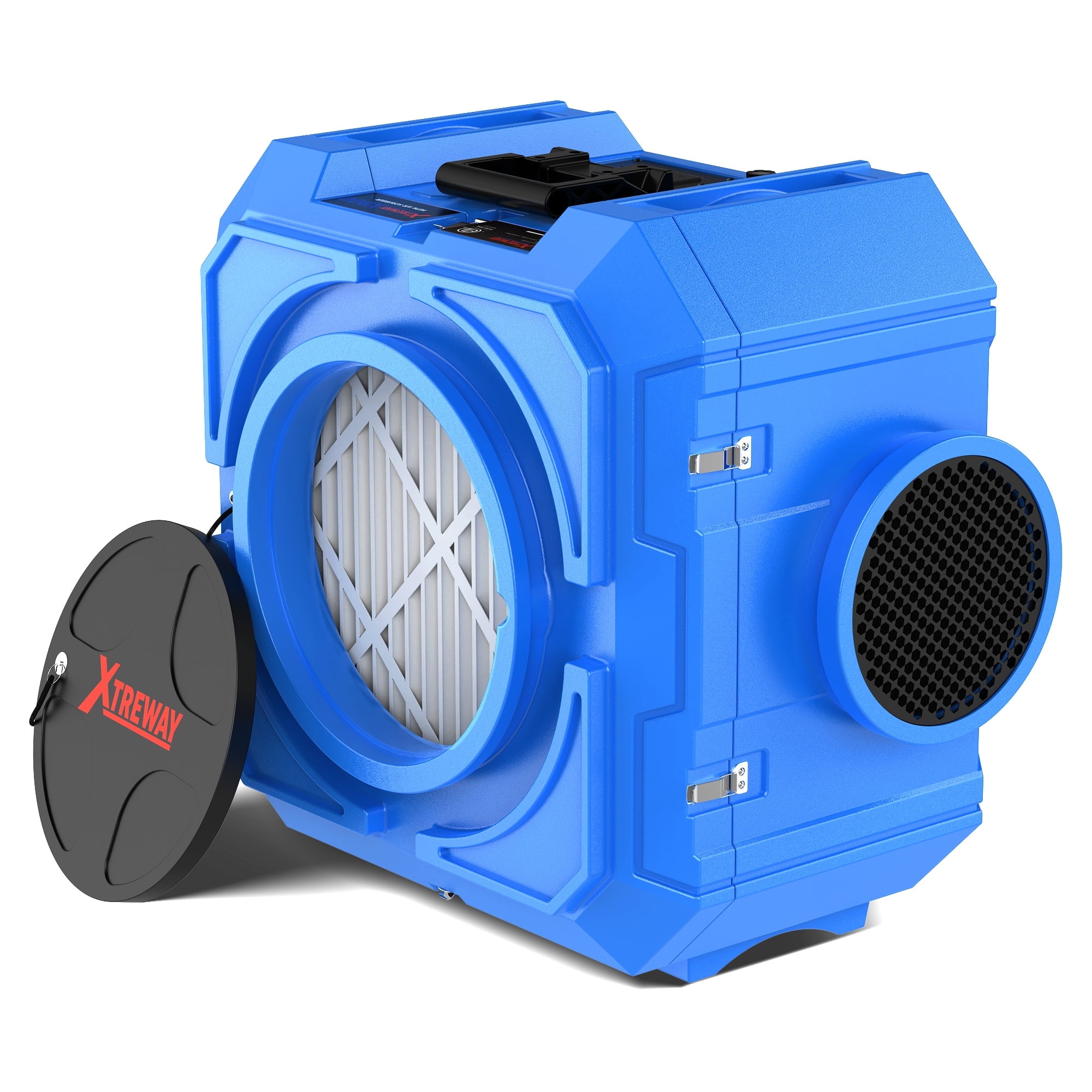
Credit: www.walmart.com
Frequently Asked Questions
What Is An Air Scrubber And How Does It Work?
An air scrubber is a device that cleans indoor air by removing pollutants. It uses filters and UV light to capture dust, allergens, and microbes, improving air quality effectively and efficiently.
Why Are Air Scrubbers Important For Indoor Air Quality?
Air scrubbers reduce airborne contaminants, protecting health by minimizing allergens and harmful particles. They improve breathing comfort and help prevent respiratory issues, especially in polluted or damaged environments.
Where Are Air Scrubbers Commonly Used?
Air scrubbers are used in homes, hospitals, construction sites, and disaster cleanup areas. They help maintain clean air during renovations, mold remediation, and after fire or flood damage.
How Often Should Air Scrubbers Be Maintained?
Air scrubbers require regular filter changes every 3-6 months. UV lamps and other parts should be checked annually to ensure optimal performance and air purification.
Conclusion
Air scrubbers help clean the air by removing dust and pollutants. They improve indoor air quality in homes and workplaces. Using an air scrubber can reduce allergies and breathing problems. These devices work quietly and need little maintenance. Choosing the right air scrubber depends on your space and needs.
Clean air creates a healthier and more comfortable environment. Consider air scrubbers as a simple way to breathe easier every day.