

Are you tired of weak WiFi signals in certain corners of your home or office? You’re not alone.
Slow internet and dead zones can be frustrating when you need a reliable connection the most. The good news is, you don’t have to settle for spotty coverage anymore. By using a WiFi range extender, you can boost your signal and enjoy faster, more consistent internet wherever you are.
You’ll discover simple steps to set up your WiFi range extender quickly and easily. Keep reading to unlock the full power of your wireless network and say goodbye to buffering for good!

Credit: www.youtube.com
Choosing The Right Wifi Extender
Choosing the right WiFi extender is important to improve your home or office network. It helps increase the WiFi signal range and reduces dead zones. Picking the correct device depends on various factors like the type of extender, compatibility, and features.
Types Of Wifi Extenders
WiFi extenders come in different forms. Some plug directly into a wall outlet, saving space. Others are larger and sit on a table or shelf. Some models combine a WiFi extender with a router or access point. Knowing the types helps you select one that fits your space and needs.
- Plug-in Extenders:Compact and easy to install in any socket.
- Desktop Extenders:Bigger, with stronger antennas for better coverage.
- Access Point Extenders:Connect via Ethernet for faster and stable connection.
Compatibility With Routers
Not all WiFi extenders work with every router. Check the extender’s compatibility before buying. Match the extender’s WiFi standards with your router’s. For example, if your router supports WiFi 5 (802.11ac), choose an extender with the same or better standard. This ensures smooth connection and better speed.
- Look for extenders that support your router’s frequency bands (2.4 GHz and 5 GHz).
- Check if the extender works with your router brand or model for best results.
- Ensure the extender supports the security protocols your router uses.
Key Features To Consider
Several features improve the performance and ease of use of WiFi extenders. Pay attention to these key aspects before making a choice.
- Dual-band Support:Extends both 2.4 GHz and 5 GHz networks for faster speeds.
- Speed Rating:Choose an extender with a speed that matches your internet plan.
- Easy Setup:Look for devices with simple installation and app control.
- Signal Indicators:Help you place the extender in the best spot.
- Ethernet Port:Allows wired connection for devices needing stable internet.

Credit: www.youtube.com
Preparing For Installation
Preparing for the installation of your WiFi range extender sets the foundation for a strong and reliable network boost. Taking time to plan ensures you avoid common pitfalls like weak signals or compatibility issues. Let’s look closely at what you need to do before plugging in the device.
Optimal Placement Tips
Where you place your WiFi extender makes a huge difference. Position it roughly halfway between your router and the area with poor signal. Avoid walls, metal objects, and appliances that can block the signal.
Think about areas you use the internet most—like your home office or living room. Placing the extender near a power outlet in these spots helps. Have you noticed your signal drops in a certain room? That’s your target zone for placement.
Checking Network Requirements
Not all extenders work with every router. Check if your extender supports the same WiFi standards as your router (such as 802.11ac or 802.11n). Also, confirm if it supports your network’s frequency bands—2.4 GHz, 5 GHz, or both.
Some extenders require a specific type of network security, like WPA2. Make sure your router’s security settings match what the extender can handle. It’s also smart to note your current WiFi network name (SSID) and password ahead of time to speed up setup.
Gathering Necessary Tools
Most extenders come with the basics, but having a few extra tools ready makes installation smoother. Keep your smartphone or laptop handy for configuration. A pen and paper can help jot down settings or troubleshooting notes.
Sometimes, you might need a longer Ethernet cable if you prefer a wired setup for better speed. Also, a flashlight can be handy for tight spots or dimly lit corners. Do you have everything within reach before starting? It saves frustration later.
Step-by-step Setup Guide
Setting up a WiFi range extender might feel tricky at first, but breaking it down into clear steps makes the process straightforward. You’ll boost your signal strength and enjoy faster connections in dead zones around your home or office. Let’s walk through how to get your extender up and running quickly.
Connecting The Extender To Power
Find a power outlet close to your router for the initial setup. Plug the extender into the socket and wait for the power light to turn on. This usually takes less than a minute.
Why start near the router? It ensures a strong signal during setup, reducing connection errors. Once configured, you can move the extender to a spot where the WiFi signal fades.
Linking Extender To Router
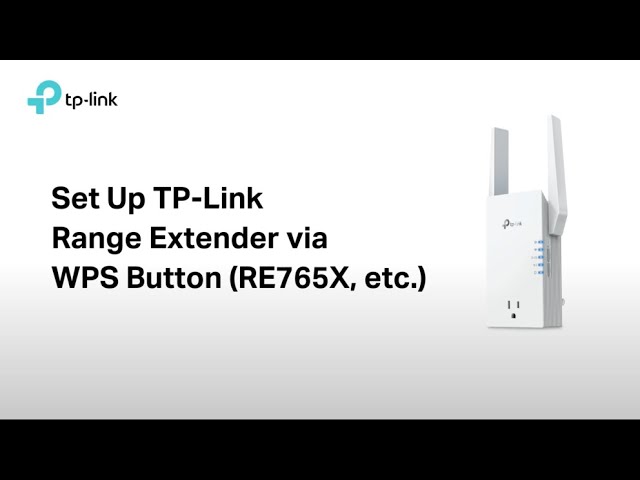
Press the WPS button on your router, then within two minutes, press the WPS button on the extender. This creates an automatic connection without entering passwords.
If your router doesn’t have a WPS button, connect the extender to your computer or phone via WiFi. Look for the extender’s network name, usually labeled on the device or in the manual.
Think about how often your router changes its password. Using WPS can save time, but a manual connection might offer more control if your network settings are unique.
Configuring Settings Via App Or Web
Open the extender’s app or type its IP address into a browser to access the setup page. You’ll be asked to connect the extender to your existing WiFi network by selecting your router’s SSID and entering the password.
Take a moment to rename the extender’s network if you want easier identification later. Some apps even let you test signal strength and suggest the best location for the extender.
Have you checked if your extender’s firmware is up to date? Updating it during setup can improve performance and security without extra hassle.
Improving Extender Performance
Improving your WiFi range extender’s performance is key to enjoying a stable and fast internet connection. Small changes can make a big difference. Focus on optimizing the signal strength and reducing disruptions. This ensures smoother streaming, faster downloads, and better overall coverage.
Adjusting Position For Best Signal
Place the extender halfway between your router and the area with weak WiFi. Avoid walls and large objects that block signals. Higher locations often provide better coverage. Test different spots to find where the signal is strongest. Keep the extender away from metal and thick furniture.
Updating Firmware Regularly
Check for firmware updates on the extender’s settings page. Updates fix bugs and improve performance. Use the official website or app to download updates safely. Regular updates keep your device secure and running smoothly. Set a reminder to update every few months.
Avoiding Common Interference
Electronics like microwaves and cordless phones can disrupt WiFi signals. Keep the extender away from these devices. Use the 5 GHz band if possible; it faces less interference. Change the WiFi channel in the router settings to reduce overlap. Clear the area around the extender for better signal flow.
Troubleshooting Common Issues
Using a WiFi range extender can improve your internet coverage. Sometimes, problems occur that slow down your connection or cause it to drop. Troubleshooting these issues helps restore smooth internet access quickly. Here are some common problems and how to fix them.
Slow Speeds And Drops
Slow speeds or frequent drops can happen if the extender is too far from the router. The signal weakens over distance. Walls and furniture also block signals.
- Move the extender closer to the router for a stronger signal.
- Avoid placing the extender near thick walls or metal objects.
- Check for devices causing interference, like microwaves or cordless phones.
- Update the extender’s firmware to improve performance.
Connection Failures
Sometimes the extender fails to connect to your router. This problem stops your devices from accessing the internet through the extender.
- Ensure the extender uses the correct WiFi network name and password.
- Restart both the router and the extender to refresh the connection.
- Check the extender’s LED lights for error signals.
- Try connecting with a different device to rule out device issues.
Resetting The Extender
Resetting the extender restores it to factory settings. This step fixes many persistent problems.
- Locate the reset button on the extender.
- Press and hold the button for about 10 seconds using a paperclip or pin.
- Release the button and wait for the extender to reboot.
- Set up the extender again following the initial instructions.
Credit: www.youtube.com
Alternative Ways To Boost Wifi
Boosting your WiFi signal can improve internet speed and coverage without extra hassle. There are several effective alternatives to WiFi range extenders. These solutions offer better connectivity in different parts of your home or office.
Using Powerline Adapters
Powerline adapters send internet signals through your home’s electrical wiring. They create a wired connection between your router and distant rooms. This reduces interference and improves speed compared to wireless extenders. Simply plug one adapter near your router and the other where you need better coverage. No new cables are required, making setup quick and easy.
Upgrading Your Router
Older routers may not support strong signals for modern devices. A new router with advanced technology can cover larger areas. Look for routers with dual-band or tri-band features. These handle more devices without slowing down your network. Placing the router in a central spot also helps spread the signal evenly.
Mesh Network Systems
Mesh networks use multiple devices to create one large WiFi network. Each device acts as a node, sharing the connection seamlessly. This eliminates dead zones and provides consistent speeds throughout your space. Mesh systems are easy to expand by adding more nodes. They work well in large homes or buildings with thick walls.
Frequently Asked Questions
What Is A Wifi Range Extender And How Does It Work?
A WiFi range extender boosts your existing wireless signal to cover dead zones. It receives your router’s signal and retransmits it, expanding coverage. This improves connectivity in areas with weak WiFi, enhancing overall internet performance at home or office.
Where Should I Place My Wifi Range Extender?
Place your extender halfway between your router and the dead zone. Avoid walls or obstacles that block signals. Proper placement ensures strong reception from the router and maximizes extended coverage for better WiFi performance.
Can Wifi Range Extenders Slow Down My Internet Speed?
Yes, WiFi extenders can reduce speed due to signal retransmission. The extender creates a new network, which may halve bandwidth. Choosing dual-band extenders or mesh systems can minimize speed loss and improve overall internet reliability.
How Do I Set Up A Wifi Range Extender Quickly?
Plug in the extender near your router, connect via WPS or web setup. Follow the manufacturer’s instructions to link it to your WiFi. Once connected, move it to the ideal spot for best coverage and enjoy improved signal strength.
Conclusion
Extending your WiFi range makes internet access better at home. Place the extender where the signal is still strong. Avoid walls and large objects that block WiFi signals. Test the connection after setup to ensure good coverage. A range extender helps reduce dead zones easily.
Keep your devices updated for the best performance. With the right steps, you can enjoy faster WiFi everywhere. Simple changes can improve your online experience a lot. Give your WiFi a boost today and stay connected.