

Have you ever wondered how to get the most out of your pressure washer? Using the soap dispenser correctly can make a huge difference in cleaning power.
It helps you apply detergent evenly, saving you time and effort. But if you’re not sure how to use it, you might miss out on this simple trick that makes cleaning easier and faster. You’ll learn exactly how to use the soap dispenser on your pressure washer, step by step.
By the end, you’ll be ready to tackle dirt and grime like a pro. Keep reading to unlock the full potential of your pressure washer!
Choosing The Right Soap
Choosing the right soap for your pressure washer can make a huge difference in how effectively you clean surfaces. Not all soaps are created equal, and using the wrong type can damage your equipment or the surfaces you’re cleaning. Let’s break down what you need to know to pick the best soap for your needs.
Types Of Soap For Pressure Washers
There are several types of soaps designed specifically for pressure washers:
- Detergents:Great for general cleaning like siding, decks, and vehicles. They remove dirt and grime efficiently.
- Degreasers:Perfect for oily or greasy surfaces like driveways and garage floors.
- Specialty Soaps:These include mold removers, rust removers, and environmentally friendly options tailored for specific tasks.
Using a soap that matches your cleaning task helps you avoid wasting time and effort. Have you ever tried cleaning a greasy surface with a regular detergent? It’s frustrating and ineffective.
Soap Concentration And Compatibility
Pressure washer soaps come in different concentrations. Some are ready to use, while others require dilution. Check the label to see how much soap to mix with water.
Using too much soap can leave residue; too little might not clean well. Also, make sure your soap is compatible with your pressure washer model. Some machines require low-foam soaps to avoid damage.
Have you noticed soap foam clogging your equipment? That’s a sign your soap isn’t compatible or is too concentrated.
Environmental Considerations
Your choice of soap affects the environment too. Biodegradable and phosphate-free soaps reduce harm to plants, animals, and water sources.
If you’re cleaning outdoor surfaces, consider soaps labeled as eco-friendly. They perform well without leaving toxic residues behind.
Think about where the runoff water will go. Would you want soap chemicals entering your garden or local waterways?
Setting Up The Soap Dispenser
Setting up the soap dispenser on your pressure washer is key to achieving a thorough clean with less effort. It allows you to apply detergent directly through the washer, making your cleaning tasks more efficient. Let’s go through the simple steps to get your soap dispenser ready for action.
Locating The Soap Dispenser
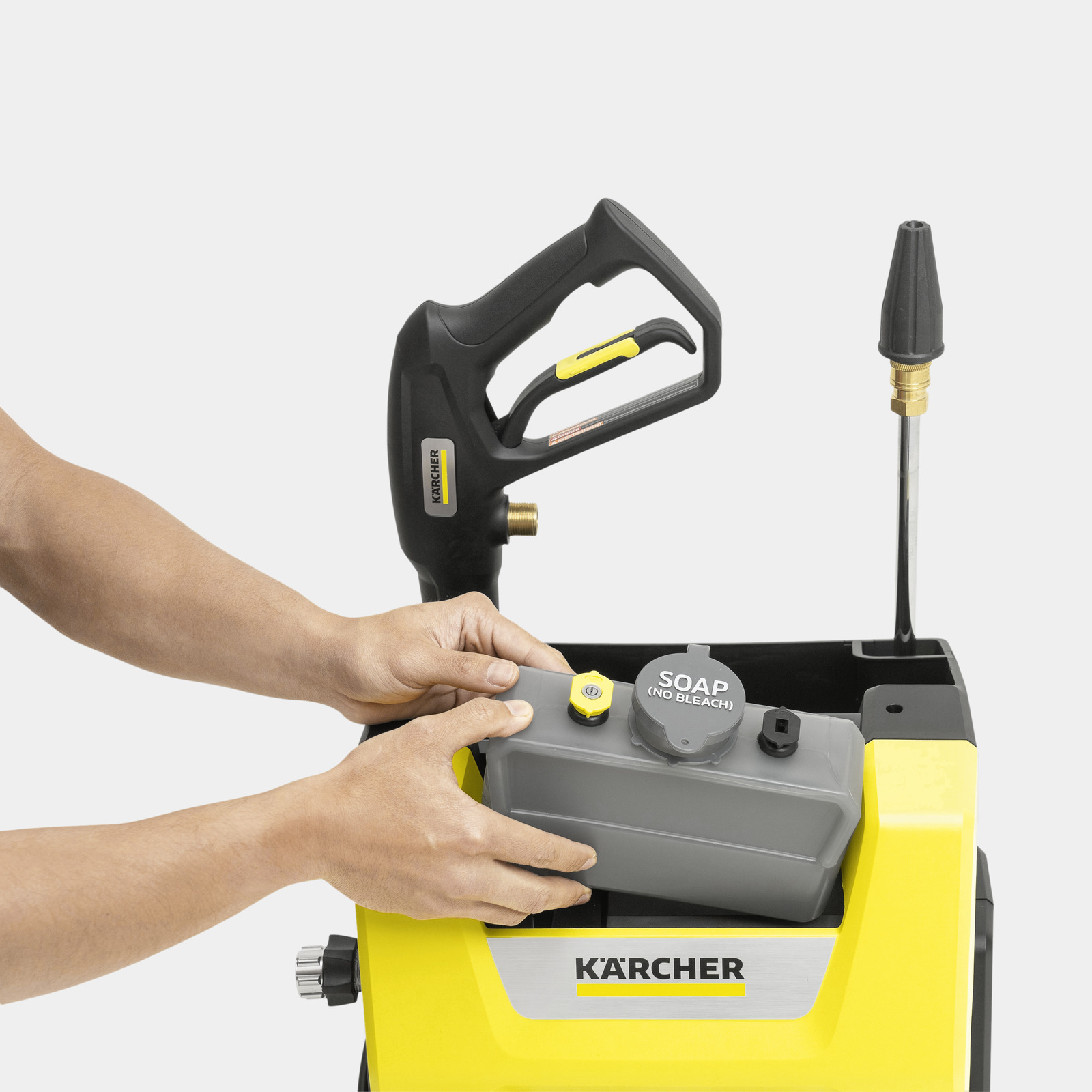
First, find the soap dispenser on your pressure washer. It’s usually a small tank or compartment near the water outlet or motor. If you’re unsure, check the user manual or look for a labeled container designed to hold detergent.
Some models have an external tank, while others include a built-in compartment. Knowing exactly where it is helps avoid confusion when it’s time to add soap or connect hoses.
Filling The Soap Tank
Before filling, make sure the pressure washer is off and cooled down to prevent accidents. Use a funnel to pour the soap into the tank, avoiding spills. Choose a detergent made specifically for pressure washers to protect your equipment and surfaces.
Fill the tank only up to the maximum fill line to prevent overflow. If you want to mix soap with water for a gentler solution, check your washer’s instructions to see if that’s recommended.
Connecting The Dispenser To The Washer
Once the soap tank is filled, connect it to the pressure washer if it’s a separate unit. Attach the hose from the dispenser to the soap intake valve on the washer. Make sure the connection is tight to prevent leaks during use.
After connecting, test the soap flow by turning on the washer and activating the soap setting. If the soap doesn’t dispense properly, check the hose for kinks or blockages. Have you noticed how a simple connection issue can stop your cleaning job before it starts?
Adjusting Soap Flow
Adjusting the soap flow on your pressure washer’s dispenser is key to getting the perfect cleaning mix. Too much soap can leave residue, while too little might not clean effectively. Finding the right balance improves results and saves soap.
Using The Soap Control Valve
The soap control valve lets you regulate how much soap mixes with the water. Turning the valve clockwise usually decreases soap flow, while turning it counterclockwise increases it. Try small adjustments and test the spray to see how the soap concentration changes.
When I first used my pressure washer, I ignored this valve and ended up wasting soap and water. After tweaking it, I noticed cleaner surfaces and less soap left behind. Have you noticed how small changes in settings can make a big difference?
Balancing Soap And Water Mixture
Getting the soap-to-water ratio right depends on the surface you’re cleaning. Delicate surfaces need less soap, while greasy or stained areas may require more. Start with a mild mix, then increase soap flow if the dirt doesn’t come off easily.
Keep an eye on how the mixture sprays. A thick foam means too much soap, while a thin spray might need more. Adjust until the spray feels just right—not too slippery and not too watery.
Common Flow Settings
- Low Flow:Ideal for light cleaning like windows or painted surfaces.
- Medium Flow:Best for general cleaning tasks such as decks and patios.
- High Flow:Use for tough grime on concrete or heavily stained areas.
Try to remember these settings as starting points. Your specific job might need you to tweak them, but these ranges help you avoid guesswork. Which setting do you find works best for your typical cleaning jobs?
Credit: www.tiktok.com
Operating The Pressure Washer With Soap
Operating a pressure washer with soap enhances cleaning power. Soap helps break down dirt and grime faster. Knowing how to use the soap dispenser properly saves time and effort. Follow these tips for effective soap application with your pressure washer.
Activating Soap Mode
Start by attaching the soap nozzle to the wand. Turn the soap dispenser on or open the soap valve. Adjust the pressure washer settings to low or soap mode. This setting lets the detergent mix with water. Hold the wand close to the surface for better soap coverage.
Spraying Techniques For Best Results
Spray the soap evenly over the dirty surface. Use slow, sweeping motions to cover all areas. Avoid spraying too close to avoid streaks or damage. Let the soap sit for a few minutes but not dry. Rinse the surface with high-pressure water after applying soap.
Safety Tips While Using Soap
- Wear gloves and eye protection to avoid irritation.
- Use only recommended soaps for pressure washers.
- Do not mix different cleaning chemicals together.
- Test the soap on a small surface first.
- Keep children and pets away during use.
Cleaning And Maintenance
Cleaning and maintaining a pressure washer’s soap dispenser is crucial. It ensures the machine works effectively each time. Regular maintenance prevents issues, such as clogs and residue buildup. These problems can affect the performance of your pressure washer. Follow the steps below to keep your soap system in top condition.
Flushing The Soap System
Flush the soap system regularly to avoid buildup. Use clean water for flushing. This clears any soap residue left inside. Run the pressure washer with only water for a few minutes. Ensure the nozzle is set to low pressure during this process. This helps in thorough cleaning of the system.
Preventing Clogs And Residue
Clogs can obstruct soap flow. Check the soap nozzle for any blockages. Ensure the soap container is clean. Avoid using soap that leaves heavy residue. Some soaps can cause buildup over time. Choose a quality soap with low residue. This minimizes clogging risks.
Storing The Pressure Washer After Use
Proper storage keeps the pressure washer ready for future use. Always drain the soap dispenser after use. This prevents soap from solidifying and causing clogs. Store the pressure washer in a dry, cool place. Protect it from extreme temperatures and moisture. Cover it with a tarp to shield from dust and debris.
Troubleshooting Common Issues
Dealing with issues in your pressure washer’s soap dispenser can be frustrating, especially when you’re ready to get the job done. Understanding common problems and how to fix them quickly keeps your cleaning routine smooth and efficient. Let’s look at some typical challenges and practical ways to solve them.
Soap Not Dispensing
If your soap dispenser isn’t releasing soap, start by checking the soap tank. Is it empty or clogged? Sometimes, thick or dried soap blocks the nozzle or tubing.
Flush the dispenser with warm water to clear any buildup. Make sure the soap you use is compatible with your pressure washer model. Have you tried using a different soap brand or diluting the soap to improve flow?
Uneven Soap Application
Uneven soap coverage often means the nozzle or soap line is partially blocked or damaged. Inspect the spray nozzle for debris or wear that could affect spray pattern.
Adjust your distance and spray angle to ensure even application. If the problem persists, check if the soap mixture is too thick—thinner soap solutions usually spray more evenly.
Dispenser Leaks And Repairs
Leaks can happen around the soap tank or tubing connections. Tighten all fittings and look for cracks or holes in hoses. Damaged parts should be replaced to avoid soap wastage and maintain pressure.
Keep a repair kit handy and know your pressure washer’s model number to find the right parts quickly. Are you regularly inspecting your dispenser for wear and tear before problems start?
Credit: www.kaercher.com
Frequently Asked Questions
How Do I Connect The Soap Dispenser To A Pressure Washer?
Attach the soap dispenser tube to the pressure washer’s detergent inlet. Ensure the connection is secure and leak-free before use.
What Type Of Soap Works Best With Pressure Washers?
Use low-foaming, pressure washer-specific detergents. Avoid harsh chemicals to prevent damage to the machine and surfaces.
How Do I Adjust Soap Concentration On A Pressure Washer?
Most dispensers have a dial or valve to control soap flow. Adjust it to increase or decrease detergent strength.
Can I Use The Soap Dispenser On All Surfaces?
Yes, but choose a soap suitable for the surface. Test on a small area to avoid damage or discoloration.
Conclusion
Using the soap dispenser on a pressure washer makes cleaning easier. It helps spread soap evenly on surfaces. Always check the soap type before use. Attach the dispenser properly for best results. Rinse the surface well after soaping. Regular cleaning keeps your pressure washer working well.
Try these steps next time you clean. Soap dispensers save time and effort. Simple, clear steps lead to better cleaning results.