
Are you tired of muffins sticking to your pans and ruining your perfect batch? Silicone muffin pans might be the simple solution you’ve been missing.
They’re flexible, easy to clean, and can make baking feel like a breeze. You’ll discover how to use silicone muffin pans to bake delicious treats with less mess and more joy. Keep reading, and you’ll learn tips and tricks that will change the way you bake forever.
Credit: arinaphotography.com
Benefits Of Silicone Muffin Pans
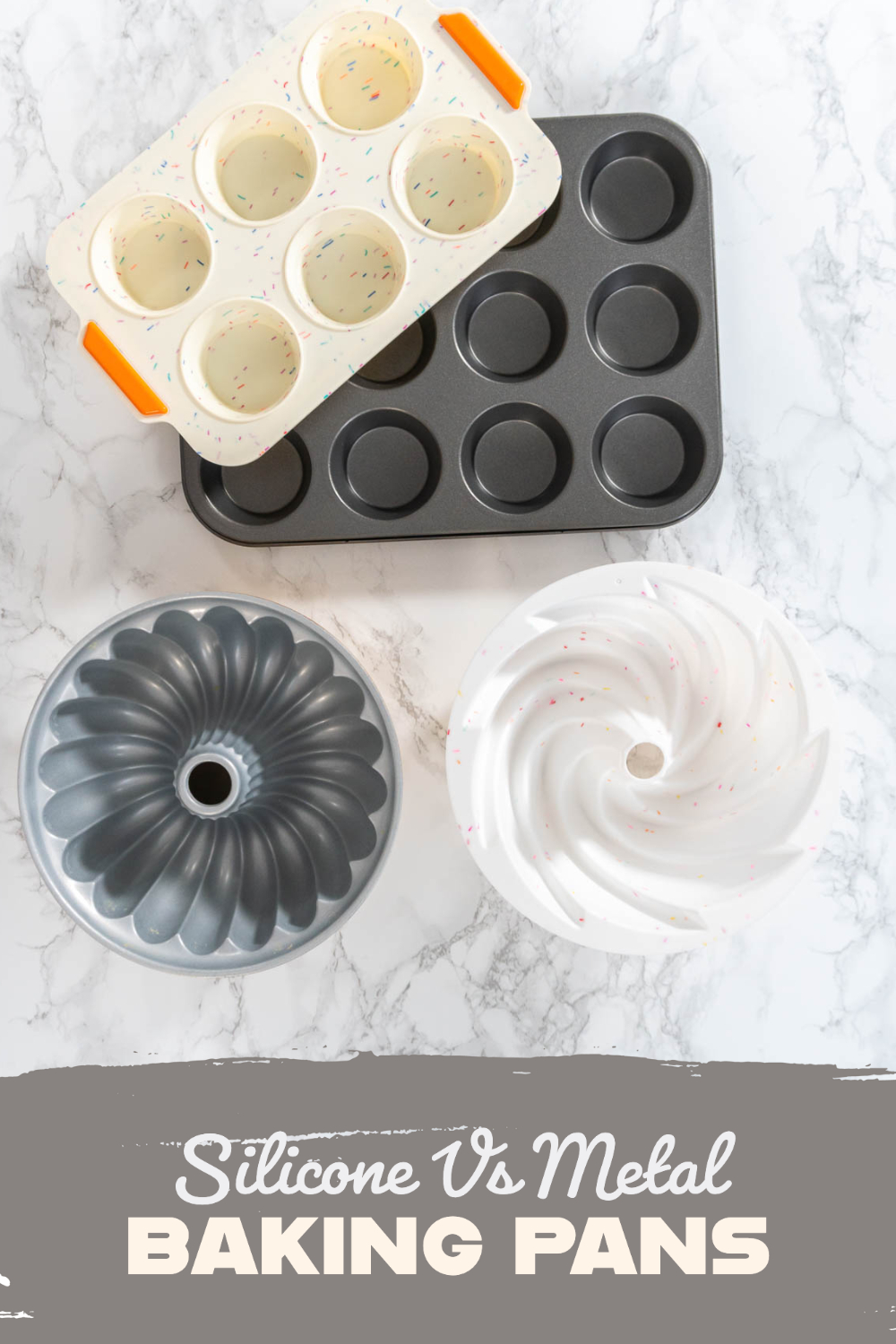
Silicone muffin pans offer many benefits for baking. They make the baking process easier and more enjoyable. These pans improve cooking results and simplify cleanup. Their unique material brings advantages that metal pans cannot match. Understanding these benefits helps you get the most from your silicone muffin pans.
Non-stick Surface
Silicone pans have a natural non-stick surface. Muffins release easily without breaking or sticking. This feature reduces the need for extra oils or sprays. Cleaning becomes quick and hassle-free. It saves time and prevents batter waste.
Even Heat Distribution
Silicone pans distribute heat evenly across all cups. Each muffin bakes at the same temperature. This prevents burning or undercooking in certain spots. Your muffins come out uniformly cooked and moist. This consistency improves the quality of your baked goods.
Flexibility And Storage
Silicone is flexible and bendable. You can easily pop muffins out by gently pushing. The pans can be folded or rolled for compact storage. They take up less space in your kitchen. This flexibility also makes them safe to handle and store.
Credit: kitchenpluse.com
Preparing Silicone Muffin Pans
Preparing your silicone muffin pans correctly can make a big difference in your baking experience. These pans are flexible and non-stick, but a little preparation ensures your muffins come out perfectly every time. Let’s look at key steps to get your silicone pans ready for baking success.
Washing Before First Use
Always wash your silicone muffin pans before using them for the first time. Use warm, soapy water and a soft sponge to remove any factory residues or dust. This simple step prevents unwanted flavors and helps maintain the pan’s non-stick quality.
Rinse thoroughly and dry completely. Have you ever noticed a strange smell the first time you bake with a new pan? Washing before use usually solves this issue right away.
Greasing Tips
Although silicone pans are naturally non-stick, lightly greasing them can improve muffin release, especially for sticky batters like chocolate or fruit-filled recipes. Use a small amount of oil, butter, or non-stick spray, applied evenly inside each cup.
Apply grease with a paper towel or brush for thin coverage. Too much oil can cause muffins to become greasy, while too little may stick. If you’re baking frequently with the pan, experiment with greasing to see what works best for your recipes.
Proper Placement In Oven
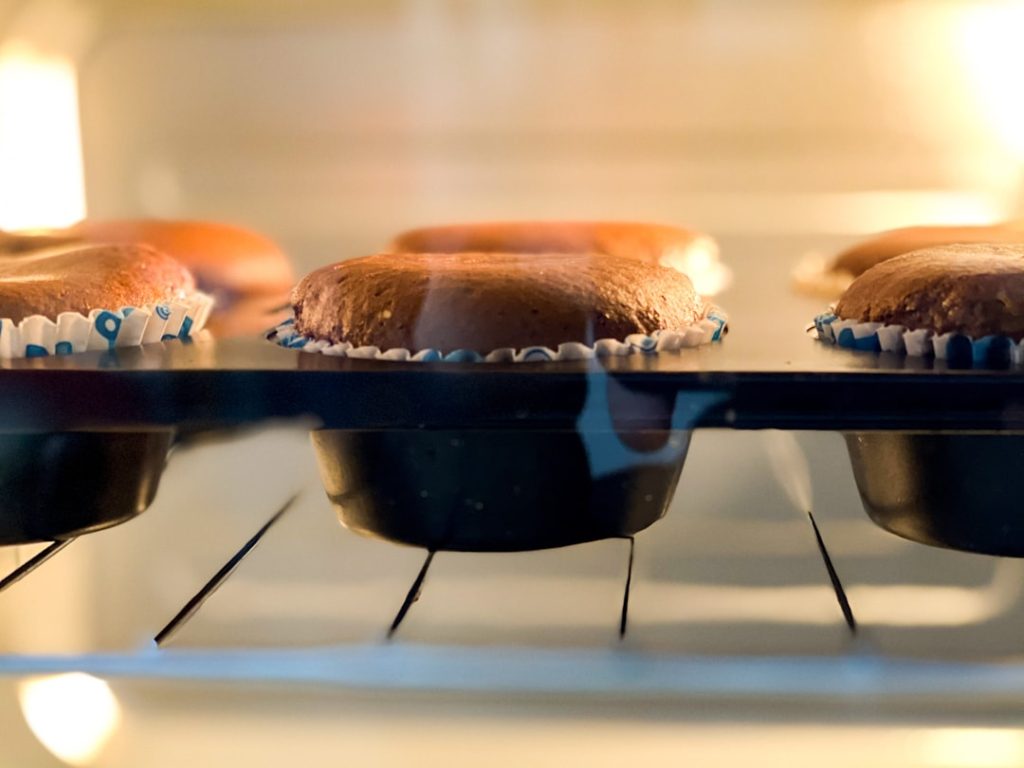
Silicone muffin pans are flexible and can sometimes bend if placed directly on an oven rack. This can cause uneven baking or spills. Place your pan on a flat baking sheet before putting it in the oven.
This simple trick gives your pans stability and ensures even heat distribution. Have you noticed muffins baking unevenly or batter leaking? Using a baking sheet underneath can prevent these issues and make handling easier when removing the pan from the oven.
Filling And Baking Tips
Filling and baking silicone muffin pans properly helps achieve perfect muffins every time. These pans need special care during filling and baking. Follow these tips to get even baking and great shape.
Filling To The Right Level
Fill each silicone cup about two-thirds full. This gives batter room to rise without spilling. Avoid overfilling to keep muffins neat. Underfilling can make muffins too small or dry. Use a spoon or scoop for even portions.
Adjusting Baking Time
Silicone pans bake slightly differently than metal ones. Muffins may need a few extra minutes. Start checking at the usual baking time, then add minutes if needed. Avoid opening the oven too often to keep heat steady.
Checking For Doneness
Test muffins with a toothpick or cake tester. Insert it in the center; it should come out clean or with a few crumbs. If batter sticks, bake a little longer. Let muffins cool in the pan for a few minutes before removing.
Removing Muffins Easily
Removing muffins from silicone muffin pans can be surprisingly simple and satisfying. The flexibility of silicone helps you avoid the frustration of stuck muffins, but knowing how to handle the process ensures your baked goods come out perfectly every time. Let’s look at some practical ways to get those muffins out without a hitch.
Cooling Techniques
Let your muffins cool in the silicone pan for about 5 to 10 minutes after baking. This allows them to set and makes them less likely to crumble or break apart when removed.
After the initial cooling, transfer the pan to a wire rack to cool further if you want to keep the muffins from becoming soggy. Avoid leaving them too long in the pan as condensation might build up.
Popping Muffins Out
Gently press the bottom of each muffin cup from underneath. Silicone’s flexibility makes it easy to push the muffins up and out without using force.
If a muffin sticks, try twisting the pan slightly or use a small offset spatula to loosen the edges carefully. You’ll be surprised how little pressure is needed to free your muffins.
Avoiding Damage
Resist the urge to use sharp tools like knives or metal spatulas, as they can tear the silicone and ruin your pan. Instead, use silicone or plastic utensils if you need help loosening muffins.
Also, avoid freezing muffins in the pan before removal; it makes the silicone stiff and harder to flex, increasing the risk of breaking muffins. Patience is key—allow muffins to cool just enough to firm up but stay flexible.
Cleaning And Maintenance
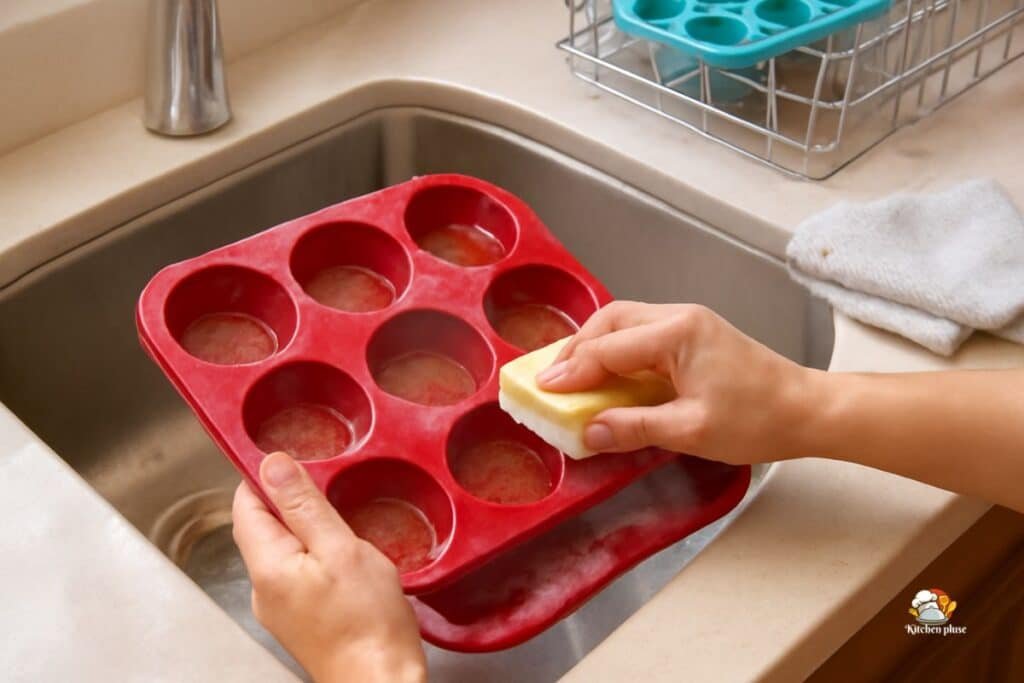
Silicone muffin pans clean easily with warm, soapy water and a soft sponge. Avoid abrasive scrubbers to keep them smooth and durable. Let pans dry completely before storing to prevent mold and maintain their shape.
Cleaning and maintaining your silicone muffin pans ensures their longevity and functionality. Proper care keeps them looking new and performing well. The following tips will guide you through the best practices for cleaning and maintaining your silicone muffin pans.Hand Washing Vs Dishwasher
Silicone muffin pans are dishwasher safe. Hand washing them can prolong their life. Use warm water and mild soap. Gently scrub with a soft sponge. Ensure all residue is removed. Dishwashers offer convenience. Place them on the top rack. Avoid harsh detergents. Always check for any remaining food particles.Removing Stubborn Stains
Stains might occur from certain ingredients. Baking soda is an effective solution. Make a paste with water. Apply to the stained area. Let it sit for a few minutes. Scrub gently with a soft brush. Rinse thoroughly with warm water. Vinegar can also be used. Soak the pan in a vinegar solution. This helps lift stubborn stains.Storage Suggestions
Proper storage prevents deformation. Keep pans away from direct sunlight. Stack them neatly in a cupboard. Avoid placing heavy items on top. This maintains their shape. Store them in a cool, dry place. A dedicated drawer is ideal. Silicone is flexible. Be mindful of sharp objects nearby. They can puncture the surface.
Credit: www.amazon.com
Creative Uses Beyond Muffins
Silicone muffin pans are not just for baking muffins. Their flexible, non-stick surface makes them perfect for many creative uses. You can use these pans in the kitchen and beyond. Explore new ways to enjoy this versatile tool.
Freezing Desserts
Silicone pans are great for freezing small treats. Fill each cup with yogurt, pudding, or fruit puree. Freeze until solid for easy, portioned desserts. You can also make bite-sized ice cream cups. The soft silicone makes removing frozen treats simple and mess-free.
Making Savory Bites
Use silicone pans to prepare savory snacks. Make mini quiches, meatballs, or stuffed peppers. The pans hold shape well and cook evenly. Perfect for appetizers or meal prep. Cleaning is quick because food doesn’t stick.
Crafting With Silicone Pans
Silicone pans work well for arts and crafts projects. Use them to mold soap, candles, or crayons. The flexible material helps release crafts easily. Great for kids’ projects or homemade gifts. The pans are heat resistant and easy to clean after use.
Frequently Asked Questions
How Do I Prepare Silicone Muffin Pans Before Use?
Always wash silicone pans with warm soapy water before first use. Dry thoroughly to remove any residue. Lightly grease the cups for easier release, even if non-stick, to ensure perfect muffins every time.
Can Silicone Muffin Pans Go In The Oven?
Yes, silicone muffin pans are oven-safe. They typically withstand temperatures up to 450°F (230°C). Always check the manufacturer’s guidelines for exact heat limits before baking.
How Do I Clean Silicone Muffin Pans Effectively?
Clean silicone pans with warm soapy water or place them in the dishwasher. Avoid abrasive scrubbers to maintain their non-stick surface. Stubborn stains can be removed with baking soda paste.
Are Silicone Muffin Pans Safe For Freezing?
Yes, silicone pans are freezer-safe. Use them to freeze muffin batter or desserts. Their flexibility makes it easy to pop out frozen treats without damage.
Conclusion
Silicone muffin pans make baking easier and more fun. They heat evenly and clean up quickly. You can bake muffins, cupcakes, and more without sticking. Just remember to place them on a baking sheet for support. These pans last long and stay flexible after many uses.
Try using them for your next baking project. Enjoy soft, tasty treats every time. Baking with silicone pans saves time and effort. Simple tools, great results.