

Are you ready to make your meals more enjoyable and healthy? Knowing how to use salad bowls the right way can change the way you eat and serve food.
Whether you want to prepare a quick lunch or impress your guests, the right salad bowl can make all the difference. You’ll discover simple tips and smart tricks that help you get the most out of your salad bowls every time.
Keep reading, and you’ll soon find yourself creating vibrant, tasty salads with ease—and maybe even fall in love with eating greens!
Choosing The Right Bowl
Choosing the right salad bowl can enhance your dining experience. A good bowl holds ingredients well and looks inviting. It must fit your needs and style. Consider the material, size, shape, and design before buying. Each factor affects usability and appearance.
Material Matters
Salad bowls come in various materials. Wooden bowls offer a natural look and feel. They are gentle on delicate greens. Glass bowls show off colorful ingredients beautifully. They are easy to clean and do not absorb odors. Ceramic bowls provide a sturdy, classic option. Plastic bowls are lightweight and budget-friendly. Choose a material that fits your style and care routine.
Size And Shape
Size depends on the number of people you serve. Small bowls suit individual salads. Medium to large bowls work for family meals or parties. Round bowls are traditional and hold salad well. Oval or square bowls add a modern touch. Deep bowls keep dressings inside and prevent spills. Shallow bowls make it easy to toss ingredients.
Style And Design
Style should match your dining setting. Simple, plain bowls fit casual meals. Bowls with patterns or colors brighten the table. Rustic designs pair well with wooden or natural themes. Sleek, minimalist bowls suit modern kitchens. Consider bowls that complement your existing dishes. The right design makes your salad more appealing.
Credit: www.tastingtable.com
Preparing Your Salad Bowl
Preparing your salad bowl is a simple but important step. It helps keep your salad fresh and tasty. A clean and cool bowl keeps ingredients crisp and vibrant. This makes the salad more enjoyable to eat. Follow these tips to get your bowl ready.
Cleaning Tips
Use warm water and mild soap to wash your salad bowl. Avoid harsh cleaners that can leave a smell. Rinse the bowl well to remove all soap. Dry it with a clean towel or let it air dry. Make sure no water spots remain before using the bowl.
Chilling Your Bowl
Place your salad bowl in the refrigerator for 10 to 15 minutes. A cool bowl keeps salad ingredients fresh longer. It slows down wilting and sogginess. Avoid freezing the bowl to prevent cracking. A chilled bowl makes a crisp, cool salad every time.
Layering Ingredients
Place heavier ingredients like beans or grains at the bottom to keep them separate from greens. Layer delicate leaves and dressings on top to prevent sogginess. This method keeps salads fresh and flavors distinct.
Layering ingredients in a salad bowl is an art that transforms a simple dish into a culinary masterpiece. By thoughtfully arranging each layer, you ensure every bite is packed with flavor, texture, and nutrition. It’s not just about tossing ingredients together; it’s about creating harmony and balance. The best salads are those where every ingredient shines, complementing each other perfectly. Ready to elevate your salad game? Let’s dive into the layers.Base Greens
Start with a solid foundation using fresh greens. Choose from spinach, kale, or mixed baby greens. These greens not only add vibrant color but also pack essential nutrients. Mix and match to suit your taste and mood. A bed of greens sets the stage for the layers to come.Adding Proteins
Proteins are what make your salad satisfying and hearty. Think grilled chicken, chickpeas, or tofu. Cook them to perfection and season well for a burst of flavor. You might be surprised at how much a well-seasoned protein can change the entire salad experience.Incorporating Veggies And Fruits
Here’s where creativity truly shines. Add a variety of colors and textures with fresh veggies and fruits. Bell peppers, cherry tomatoes, and avocados are crowd favorites. Consider adding seasonal fruits like berries or mango for a sweet contrast. Doesn’t a hint of sweetness make everything better?Toppings And Crunch
Finish with toppings that add crunch and depth. Nuts, seeds, or croutons are excellent choices. Sprinkle them generously over your salad for that satisfying crunch. A drizzle of dressing ties everything together, enhancing the flavors without overpowering them. Which toppings will you choose to make your salad unforgettable?Dressing And Tossing
Dressing and tossing your salad bowl properly can transform a simple mix of greens into a vibrant, flavorful dish. The right approach ensures every bite bursts with taste without overwhelming the fresh ingredients. Let’s dive into how you can master these essential steps for a perfect salad experience.
Choosing The Right Dressing
Your salad’s success often depends on the dressing. Pick one that complements the ingredients without overpowering them. A light vinaigrette works well with delicate greens, while creamy dressings suit heartier salads with nuts or cheese.
Think about balance: acidity, sweetness, and fat should enhance the flavors. Have you ever tried a citrus-based dressing on a spinach salad? It brightens the leaves and adds a refreshing zing that keeps you coming back for more.
Even Distribution Techniques
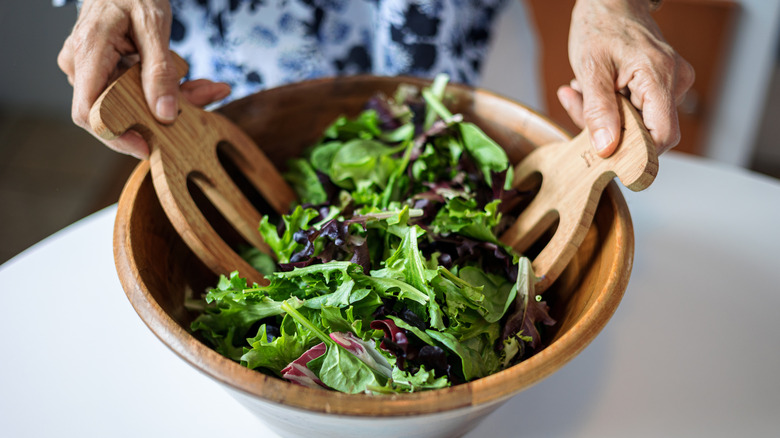
Getting the dressing evenly spread can be tricky. Pour the dressing slowly over the salad instead of dumping it all at once. Then, use salad tongs or two large forks to gently lift and fold the salad from the bottom up.
This method ensures every leaf gets coated without bruising the greens. Have you noticed how tossing from the bottom prevents soggy patches? It’s a small step that makes a big difference in texture and taste.
Tossing Without Mess
Tossing a salad bowl can get messy if you’re not careful. Use a bowl large enough to give you room to work without spilling. Hold the bowl firmly with one hand while tossing with the other, using a gentle lifting motion rather than aggressive shaking.
If you want to avoid drips, try partially covering the bowl with a plate or lid as you toss. This simple trick keeps your countertop clean and your salad perfectly mixed. What’s your go-to tip to prevent dressing splatters?
Serving Tips
Serving salad in the right way can transform a simple meal into an inviting experience. The bowl you choose plays a big role, but how you present, portion, and keep the salad fresh matters just as much. Let’s dive into some practical tips that can make your salad servings stand out every time.
Presentation Ideas
Think about the colors and textures in your salad and how they look in your bowl. Layer ingredients for a visual appeal—start with leafy greens at the bottom, then add vibrant veggies, nuts, or cheese on top.
Use bowls that contrast with your salad’s colors to make them pop. Clear glass or white ceramic bowls work great for showcasing freshness and variety.
Garnish with fresh herbs or a drizzle of dressing just before serving. These little touches invite your guests to dig in and enjoy.
Portion Control
Salad bowls come in many sizes—choose one that fits the number of servings you need. Large bowls are perfect for family-style meals, but smaller bowls help control portions for individual servings.
If you’re watching your intake, pre-portion salads into smaller bowls. This makes it easier to avoid overeating and helps you appreciate each bite.
Try using a salad bowl with measurement markings to help you keep track of how much you’re serving. It’s a simple way to stay mindful without the need for a scale.
Keeping Salad Fresh
Salads can wilt quickly if not handled properly. Use a salad bowl with a lid or cover the bowl tightly with plastic wrap to keep air out.
Chill your salad bowl in the fridge before adding ingredients; this helps keep everything crisp longer. Also, keep dressings separate until just before serving to prevent sogginess.
If you like, add ice cubes under a removable rack inside your salad bowl to keep the greens cool during outdoor meals. Have you tried this trick at your last picnic?

Credit: www.tastingtable.com
Cleaning And Maintenance
Keeping your salad bowls clean is key to their long life and safe use. Dirt and food residue can build up quickly. Proper care stops stains and odors. It also keeps your bowls looking fresh and new.
Proper Washing
Rinse the bowl with warm water right after use. Use mild dish soap and a soft sponge to clean it. Avoid abrasive scrubbers that can scratch the surface. For wooden bowls, avoid soaking in water. Instead, wipe with a damp cloth and dry immediately. Dry the bowl completely before storing to prevent mold and mildew.
Storage Tips
Store salad bowls in a dry place away from direct sunlight. Stack them carefully to avoid chips and cracks. Use a soft cloth or paper towel between bowls if stacking. Keep wooden bowls away from heat sources to prevent warping. Regularly check bowls for cracks or damage before use.

Credit: www.instagram.com
Frequently Asked Questions
What Are The Best Materials For Salad Bowls?
Wood, glass, ceramic, and stainless steel are popular salad bowl materials. Each offers durability and aesthetic appeal. Wood bowls add a rustic touch, while glass and ceramic are easy to clean. Stainless steel is lightweight and modern, ideal for everyday use.
How Do I Properly Clean A Salad Bowl?
Clean salad bowls with warm water and mild soap immediately after use. Avoid harsh chemicals to protect the bowl’s surface. For wooden bowls, use a damp cloth and oil them occasionally to maintain quality. Proper cleaning ensures hygiene and extends bowl life.
Can Salad Bowls Be Used For Other Foods?
Yes, salad bowls are versatile and can hold fruits, snacks, or pasta. Their size and shape make them perfect for mixing and serving various dishes. Using salad bowls beyond salads maximizes kitchen utility and reduces the need for extra containers.
How To Prevent Salad Bowls From Staining?
Rinse salad bowls quickly after use to prevent stains. Avoid leaving acidic dressings or ingredients in the bowl for long. For wooden bowls, apply food-safe oil regularly to create a protective layer that resists stains and cracks.
Conclusion
Salad bowls add style and function to your meals. Choose the right size and material for your needs. Mix fresh ingredients directly in the bowl for easy serving. Clean and store your salad bowls properly to keep them lasting long.
Using salad bowls makes healthy eating simple and fun. Try different designs to match your kitchen and taste. Enjoy preparing and sharing salads with your family and friends. Simple tools, great results.