
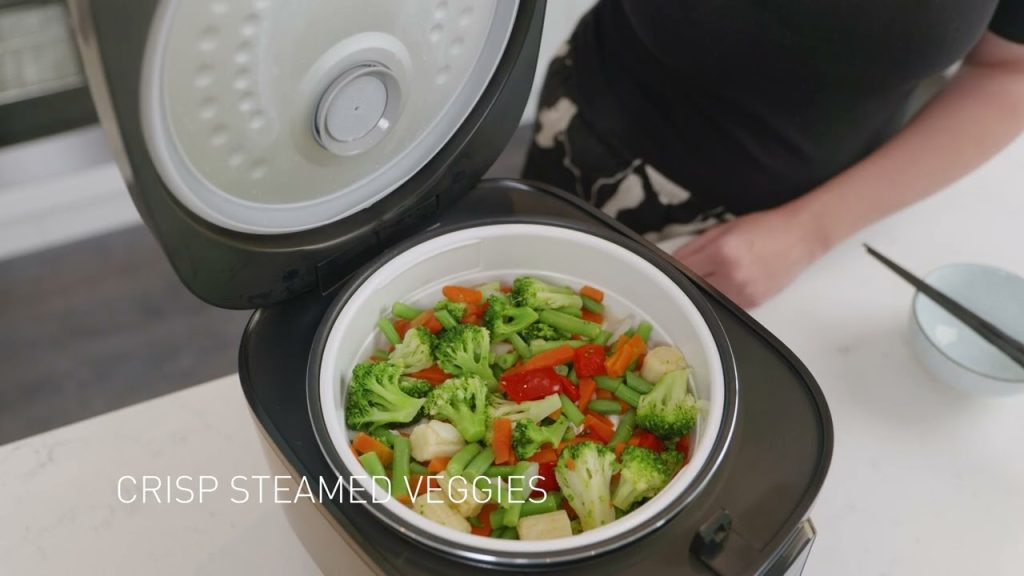
Are you looking for a simple way to enjoy perfectly steamed vegetables every time? Your rice cooker can be more than just a tool for cooking rice—it’s a secret weapon for quick, healthy meals.
Imagine having tender, flavorful veggies ready in minutes, with almost no effort. In this guide, you’ll discover exactly how to use your rice cooker to steam vegetables like a pro. Keep reading, and you’ll unlock a simple method that saves time, boosts flavor, and makes healthy eating easier than ever.
Credit: folders.co.nz
Choosing The Right Vegetables
Choosing the right vegetables for steaming in your rice cooker can make a huge difference in taste and texture. Not all veggies steam equally well, so picking the ones that hold up to heat and retain their nutrients is key. Have you ever ended up with soggy or flavorless steamed vegetables? The right choices can prevent that and elevate your meal effortlessly.
Best Vegetables For Steaming
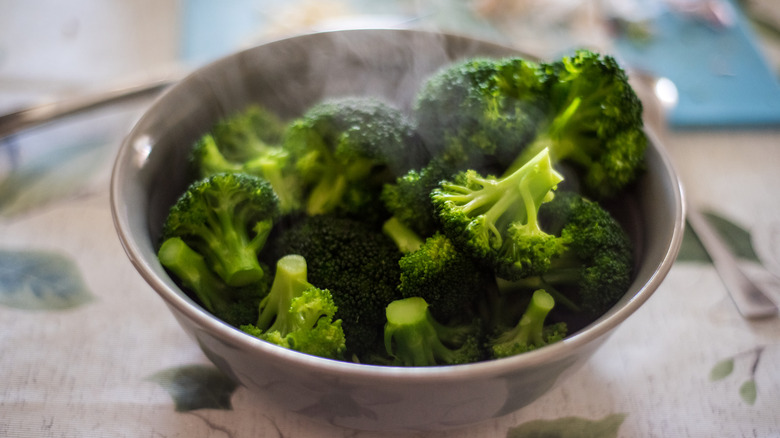
Some vegetables naturally shine when steamed because they stay crisp yet tender and keep their vibrant colors. Think about broccoli, carrots, green beans, and cauliflower—they hold their shape and flavor beautifully. Leafy greens like spinach or kale work too, but watch them closely as they cook faster.
- Broccoli:Crisp florets soften just right without becoming mushy.
- Carrots:Sweetness intensifies, and they stay firm when sliced evenly.
- Green Beans:Snap and bright green color remain vibrant.
- Cauliflower:Fluffy texture and mild flavor become more pronounced.
- Zucchini and Summer Squash:Tender but not watery if cut into thick slices.
Try mixing different textures for a more exciting plate. What’s your favorite vegetable combo to steam?
Preparing Vegetables For Steaming
Preparation affects how well your vegetables cook in the rice cooker. Washing thoroughly removes dirt and pesticides, which you definitely want to avoid steaming in. Cut vegetables into uniform pieces—this helps everything cook evenly and prevents some parts from getting mushy while others stay crunchy.
Peeling is optional but recommended for tougher skins like carrots or butternut squash. Thicker vegetables might benefit from a quick blanch before steaming to speed up cooking and keep the color bright. Remember to pat veggies dry after washing to avoid extra water diluting their flavor.
Setting Up Your Rice Cooker
Setting up your rice cooker properly is the key to perfectly steamed vegetables every time. It’s not just about tossing veggies inside and pressing start. Paying attention to how you arrange your equipment and add water can make a big difference in texture and flavor.
Using The Steaming Basket
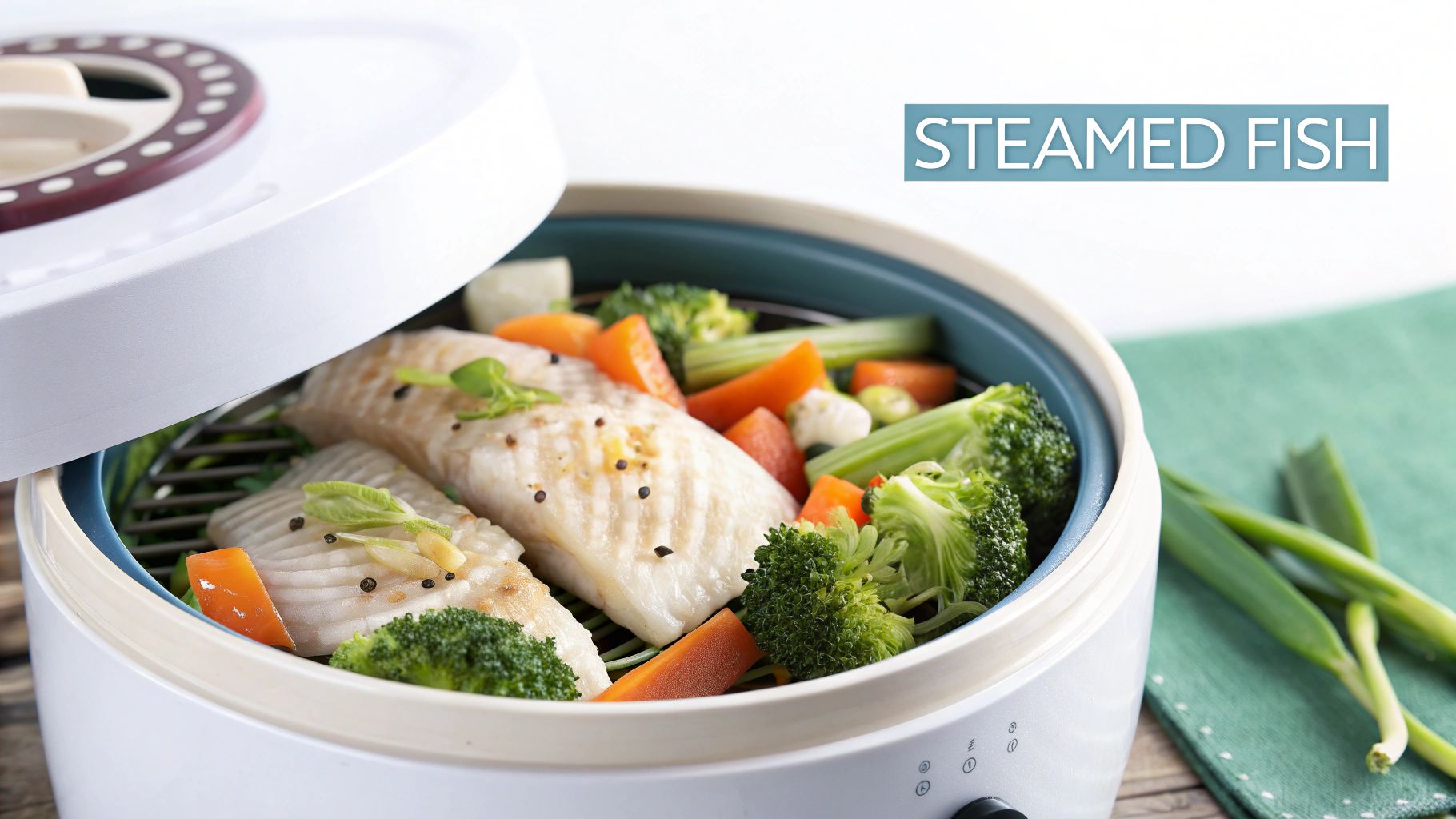
Most rice cookers come with a steaming basket designed specifically for steaming vegetables. Place the basket inside the cooker carefully so it sits above the water level. This keeps your veggies out of direct contact with water, allowing them to steam evenly.
Don’t overcrowd the basket. Give each vegetable enough space so steam can circulate freely. Have you noticed soggy or unevenly cooked veggies before? That’s often because the basket was packed too tightly.
Adding Water For Steaming
The amount of water you add is crucial. Too little, and the steam won’t last long enough; too much, and your veggies might get wet instead of steamed. Usually, filling the cooker with about 1 to 2 cups of water works well, but check your rice cooker’s manual for exact recommendations.
Use hot water if you want to speed up the steaming process. It creates steam faster and saves you time in the kitchen. Have you tried steaming with cold water and felt it took forever? This small change can make a noticeable difference.
Steaming Steps
Steaming vegetables in a rice cooker is an easy way to keep their nutrients intact while enhancing their natural flavors. Knowing how to place the vegetables and understanding the right cooking times can make a big difference in texture and taste. Let’s look at the key steps to get perfectly steamed veggies every time.
Placing Vegetables In The Basket
Arrange your vegetables evenly in the steaming basket to allow the steam to circulate freely. Avoid overcrowding the basket; this helps each piece cook uniformly. If you want to steam different vegetables together, place those with similar cooking times closer to each other.
Wash and chop the vegetables into similar-sized pieces for consistent cooking. Leafy greens can be placed on top since they steam quickly. Think about layering harder vegetables like carrots or potatoes at the bottom where they get the most direct steam.
Cooking Time For Different Vegetables
Different vegetables need different steaming times to reach the ideal tenderness. Here’s a quick guide you can follow:
| Vegetable | Steaming Time | Texture Tip |
|---|---|---|
| Broccoli | 5-7 minutes | Steamed until bright green and tender-crisp |
| Carrots | 8-10 minutes | Soft yet firm enough to hold shape |
| Green Beans | 6-8 minutes | Still snap when bitten |
| Cauliflower | 7-9 minutes | Cooked through but not mushy |
| Spinach | 2-3 minutes | Just wilted and bright green |
Have you ever ended up with mushy or undercooked vegetables? Adjusting the time by a minute or two can fix this easily. Keep a timer handy to avoid overcooking. Your rice cooker can double as a reliable steamer once you get a feel for these timings.
Credit: www.chowhound.com
Tips For Perfectly Steamed Vegetables
Steaming vegetables in a rice cooker is simple and healthy. Perfectly steamed vegetables keep their color, texture, and nutrients. These tips help you get the best results every time. They focus on timing, water levels, and flavor boosts. Follow these steps for fresh, tasty vegetables from your rice cooker.
Avoiding Overcooking
Set the timer according to the vegetable type. Leafy greens need less time than root vegetables. Check water levels before starting. Too much water can make veggies soggy. Too little water might burn the rice cooker. Open the lid carefully to avoid steam burns. Stop cooking as soon as vegetables are tender but firm.
Enhancing Flavor
Add herbs or spices to the steaming water for a mild aroma. Lemon slices or garlic cloves work well. Use vegetable broth instead of water for richer taste. Toss steamed veggies with olive oil and salt right after cooking. Fresh herbs like parsley or dill add color and flavor. Serve immediately to keep the best taste and texture.
Cleaning And Maintenance
Keeping your rice cooker clean ensures it works well and lasts longer. Regular cleaning and proper care prevent smells and stains. It also keeps your steamed vegetables tasting fresh and healthy. Follow simple steps to clean and maintain your rice cooker effectively.
Cleaning The Steaming Basket
Remove the steaming basket after each use. Wash it with warm water and mild dish soap. Use a soft sponge to avoid scratches. Rinse thoroughly to remove soap residue. Dry the basket with a clean cloth or let it air dry. Check for food stuck in small holes and clean gently. Avoid using harsh chemicals or abrasive pads.
Maintaining Your Rice Cooker
Unplug the rice cooker before cleaning. Wipe the inner pot with a soft cloth and warm water. Do not soak the rice cooker base in water. Clean the heating plate carefully to remove any residue. Use a damp cloth for the outer surface. Dry all parts completely before reassembling. Store the cooker in a dry place to prevent rust or damage.

Credit: www.facebook.com
Frequently Asked Questions
How Long Should I Steam Vegetables In A Rice Cooker?
Steam vegetables in a rice cooker for 5 to 15 minutes. The time depends on vegetable type and size. Check tenderness with a fork. Adjust steaming time to avoid overcooking and preserve nutrients.
Can I Steam Frozen Vegetables In A Rice Cooker?
Yes, you can steam frozen vegetables directly in a rice cooker. Add a little water and steam until heated through. This method retains flavor and nutrients while saving prep time.
What Water Amount Is Needed For Steaming In Rice Cooker?
Use about 1 to 2 cups of water for steaming vegetables in a rice cooker. Ensure water does not touch the steaming basket. This creates enough steam without boiling the vegetables.
Is Steaming Vegetables In Rice Cooker Healthier Than Boiling?
Steaming preserves more vitamins and minerals than boiling. It prevents nutrients from leaching into water. Using a rice cooker for steaming is a healthy and easy cooking method.
Conclusion
Steaming vegetables in a rice cooker is simple and fast. It keeps nutrients and taste fresh. You just need water, vegetables, and your cooker. Set the timer and wait a few minutes. This method saves time and uses less energy.
Try different veggies for variety and health. Enjoy healthy meals with little effort. Cooking this way fits busy days well. Give it a try and see the difference.