

Have you ever tossed potato peels into your garbage disposal, only to find it suddenly clogged and stopped working? It’s frustrating when your kitchen cleanup turns into a hassle.
But don’t worry—unclogging those stubborn potato peels is easier than you think. In this guide, you’ll discover simple, effective steps to get your disposal running smoothly again. Keep reading to save time, avoid costly repairs, and keep your kitchen flowing without stress.
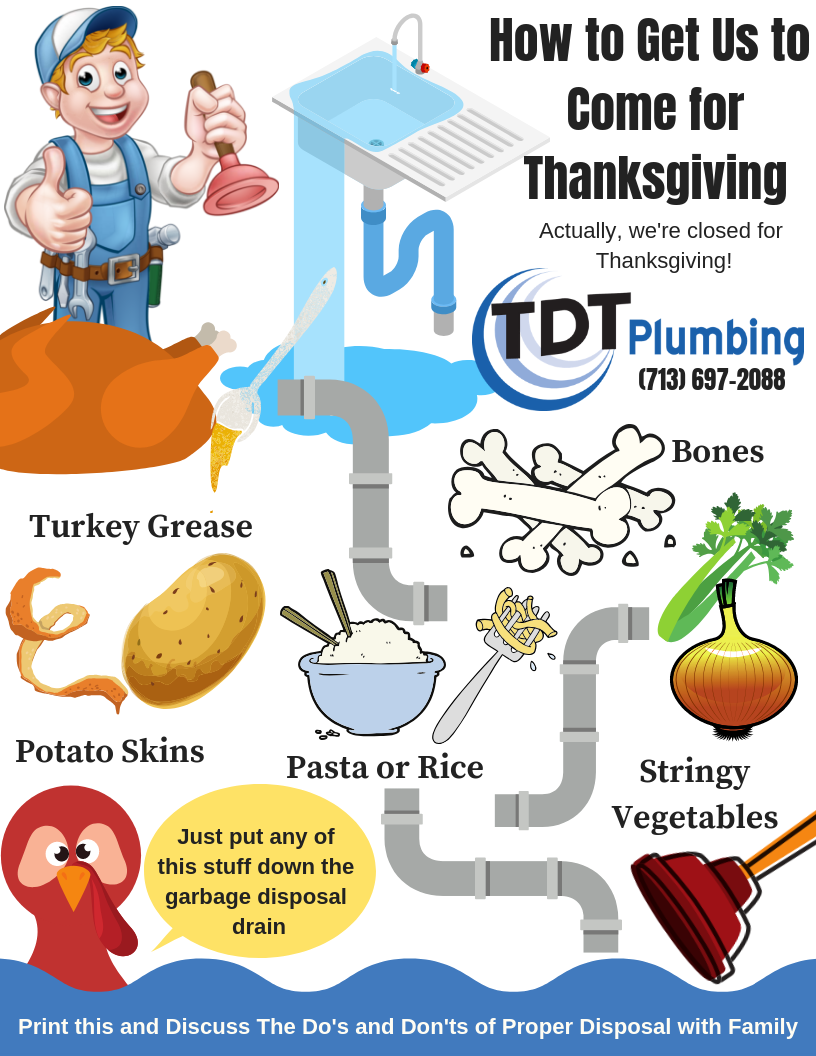
Credit: tdtplumbing.com
Causes Of Potato Peel Clogs
Potato peels can cause clogs in garbage disposals more often than other kitchen scraps. They tend to stick together and create blockages that slow down or stop the disposal. Understanding the causes helps prevent these issues and keeps your kitchen running smoothly.
Why Potato Peels Block Disposals
Potato peels are fibrous and tough. These fibers wrap around the disposal blades and the inner parts. They form thick mats that reduce the disposal’s efficiency. When wet, peels become sticky and glue to the disposal walls. This buildup narrows the space inside the disposal chamber. Over time, small bits accumulate and create a solid clog.
Potato peels also absorb water and swell. This swelling increases the size of the clog, making it harder for water and waste to pass through. Unlike soft food scraps, peels do not break down easily in the disposal. Their texture resists grinding, which leads to faster blockages.
Common Disposal Mistakes
- Throwing large amounts of potato peels at once overwhelms the disposal.
- Not running enough water during disposal use causes peels to stick inside.
- Grinding peels without cutting them into smaller pieces increases clog risk.
- Ignoring slow drainage signs lets small clogs grow into bigger problems.
- Putting other fibrous foods like celery or onion skins with peels worsens blockages.
These mistakes make potato peel clogs more frequent and harder to clear. Proper use and care reduce the chance of disposal jams and improve kitchen hygiene.

Credit: www.facebook.com
Safety Tips Before Starting
Clearing potato peels from a garbage disposal can be tricky. Safety must come first before starting any work on the unit. Taking the right precautions prevents injuries and protects the disposal from damage. Follow simple safety rules to make the process smooth and safe.
Power Off The Disposal
Always switch off the garbage disposal before doing anything. Unplug the unit or turn off the circuit breaker. This stops the blades from spinning unexpectedly. Never rely on just the wall switch. Confirm the power is off to avoid accidents.
Wear Protective Gear
Protect your hands with thick gloves. Sharp blades inside the disposal can cut skin easily. Eye protection is also important. Small debris may fly out while working. Use goggles or safety glasses to keep your eyes safe.
Tools Needed For Unclogging
Having the right tools ready makes unclogging potato peels from your garbage disposal much easier. Without proper equipment, you might waste time or even damage your disposal unit. Gathering the right tools beforehand prepares you to handle the clog efficiently and safely.
Basic Tools List
- Flashlight:Helps you see inside the disposal to locate the clog clearly.
- Tongs or Pliers:Useful for safely grabbing and removing stuck potato peels.
- Hex Wrench (usually 1/4 inch):Allows you to manually turn the disposal’s motor from underneath to free jams.
- Rubber Gloves:Protect your hands from sharp edges and debris inside the disposal.
- Bucket:Handy to catch any water or loosened debris when working under the sink.
Optional Tools For Tough Clogs
- Plunger:Can help dislodge stubborn clogs by creating suction and pressure.
- Drain Snake or Auger:Useful if the clog extends beyond the disposal into the pipes.
- Wooden Spoon or Stick:Ideal for gently pushing or dislodging stuck pieces without damaging the disposal blades.
- Vinegar and Baking Soda:These natural cleaners can help break down organic matter causing the clog.
Have you ever tried to fix a clog only to find your tools weren’t suited for the job? Preparing these basics and optional tools can save you frustration and time. What tools do you find most helpful when tackling kitchen sink clogs?

Credit: www.facebook.com
Step-by-step Unclogging Process
Clogged potato peels can stop your garbage disposal from working well. Clearing the clog quickly helps avoid bad smells and keeps your kitchen clean. The process to fix this is simple and safe. Follow these clear steps for the best results.
Manual Removal Techniques
First, turn off the power to the disposal. Safety is key. Use a flashlight to look inside the drain. Grab a pair of tongs or pliers. Carefully pull out any visible potato peels or debris. Avoid using your hands to prevent injury. Clear as much as you can by hand.
Using A Plunger
Next, try a plunger to push out the clog. Cover the drain with the plunger cup tightly. Push down and pull up quickly several times. This creates pressure to loosen the blockage. Check if the water drains better after a few tries. Repeat if necessary, but don’t use too much force.
Resetting The Disposal
If the disposal still won’t work, try resetting it. Locate the reset button under the unit. Press the button firmly until it clicks. This may fix an internal jam or overload. Turn the power back on and run cold water. Test the disposal to see if it works smoothly now.
Preventing Future Clogs
Regularly running cold water while using the disposal helps prevent clogs from potato peels. Avoid putting large amounts of peels at once to keep the drain clear. Small, gradual disposal reduces the chance of blockages forming.
Preventing future clogs in your garbage disposal is crucial to maintaining a smooth-running kitchen. Potato peels are notorious for causing blockages, and understanding how to prevent these can save you time and hassle. By adopting proper disposal habits and committing to regular maintenance, you can ensure your garbage disposal remains efficient and trouble-free.Proper Disposal Habits
Developing smart disposal habits is your first line of defense against clogs. Always be mindful of what you put down the disposal. Potato peels, due to their starchy nature, should be thrown in the trash or compost bin. Ensure you run cold water before and after using the disposal. This helps solidify any lingering starch and washes it away effectively. Consider breaking down food scraps into smaller pieces. This simple step can prevent buildup and keep your disposal operating smoothly.Regular Maintenance Tips
Regular maintenance can keep your garbage disposal in prime condition. Clean it weekly using a mixture of baking soda and vinegar to break down residual starch and odors. Use ice cubes to sharpen the blades. This ensures your disposal remains effective at cutting through food waste. Periodically check for leaks or unusual noises. These can be early signs of wear and may need professional attention. What are your kitchen habits that might be contributing to clogs? Reflecting on these can help you make adjustments for a clog-free disposal experience.When To Call A Professional
Knowing when to call a professional for a clogged garbage disposal can save time and prevent damage. Simple blockages might clear with home methods. Serious blockages need expert help to avoid costly repairs. Recognizing the signs ensures the right action fast.
Signs Of Serious Blockages
- Water drains very slowly or not at all.
- Foul odors persist despite cleaning.
- Disposal makes loud grinding or humming noises.
- Repeated clogs happen after basic fixes.
- Leaks appear under the sink near the disposal.
- Disposal won’t turn on or stops mid-cycle.
Professional Services Overview
Experts use special tools to clear tough clogs safely. They inspect pipes and disposal units for hidden damage. Professionals can replace worn parts if needed. Their work prevents future blockages and improves disposal life. Hiring a pro avoids risks of injury or worsening the problem.
Frequently Asked Questions
How Do Potato Peels Clog Garbage Disposals?
Potato peels are starchy and can stick together, forming a thick mass. This mass blocks the disposal blades and drains, causing clogs.
What Is The Best Way To Unclog Potato Peels?
Use a plunger or reset the disposal first. Then flush with hot water and dish soap to break up starchy residue.
Can Vinegar Help Clear Potato Peel Clogs?
Yes, vinegar’s acidity helps dissolve starch buildup. Pour a cup of vinegar followed by hot water to clear mild clogs.
How To Prevent Potato Peels From Clogging Disposal?
Cut peels into small pieces before disposal. Run cold water while grinding to flush debris effectively.
Conclusion
Clearing potato peels from your garbage disposal is easier than you think. Use cold water and a plunger to start. Avoid putting large peels down the drain next time. Regular cleaning keeps your disposal working well. Small steps prevent big clogs and bad smells.
Stay patient and follow simple tips for best results. Your kitchen will stay fresh and running smoothly. Keep these ideas in mind to avoid future problems. Easy care makes a big difference every day.