

You’ve invested in a beautiful Japanese knife, and now it’s time to keep it sharp, safe, and ready for every meal. But how do you store it properly so it lasts for years?
Storing your knife the right way not only protects its delicate edge but also keeps you safe in the kitchen. You’ll discover simple and effective storage methods that preserve your knife’s quality and performance. Keep reading to learn the secrets that many knife owners overlook—and make your Japanese knife a tool you can trust every day.
Choosing The Right Storage
Choosing the right storage for your Japanese knives is crucial to keep their sharpness and beauty intact. The way you store these delicate blades affects their longevity and your safety. You want a solution that protects the edge, prevents rust, and fits your kitchen style.
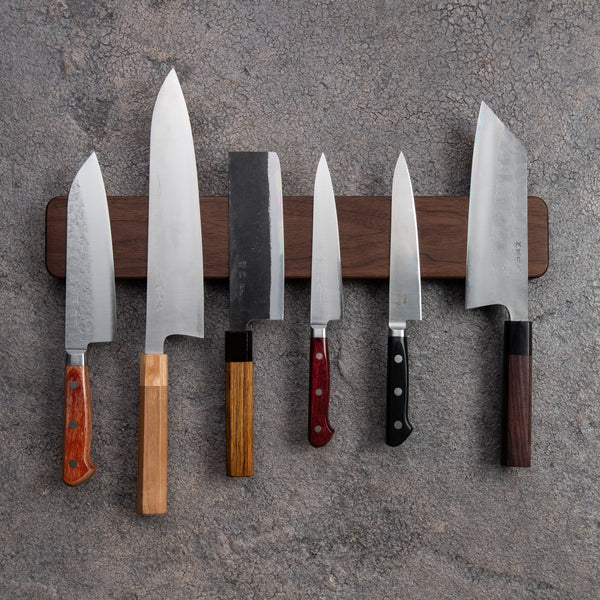
Magnetic Strips
Magnetic strips offer a sleek and practical way to store your Japanese knives. They keep the blades visible and easily accessible, which is perfect if you use your knives frequently.
However, make sure the magnets are strong enough to hold the knives securely without scratching the blade. Position the strip so the knives don’t bump into walls or other objects.
Knife Blocks
Knife blocks provide a classic and safe storage option. Look for blocks with slots designed specifically for thinner Japanese knives, as standard slots might be too wide and cause the blade to move around.
Wooden blocks also help maintain humidity balance, reducing rust risk. But remember to clean the slots regularly to avoid moisture buildup.
Protective Sheaths
Protective sheaths are excellent if you need to store knives in drawers or transport them safely. They shield the blade from damage and prevent accidents.
Choose sheaths made from soft materials that won’t dull the edge, and always dry your knives thoroughly before slipping on a sheath to avoid rust.
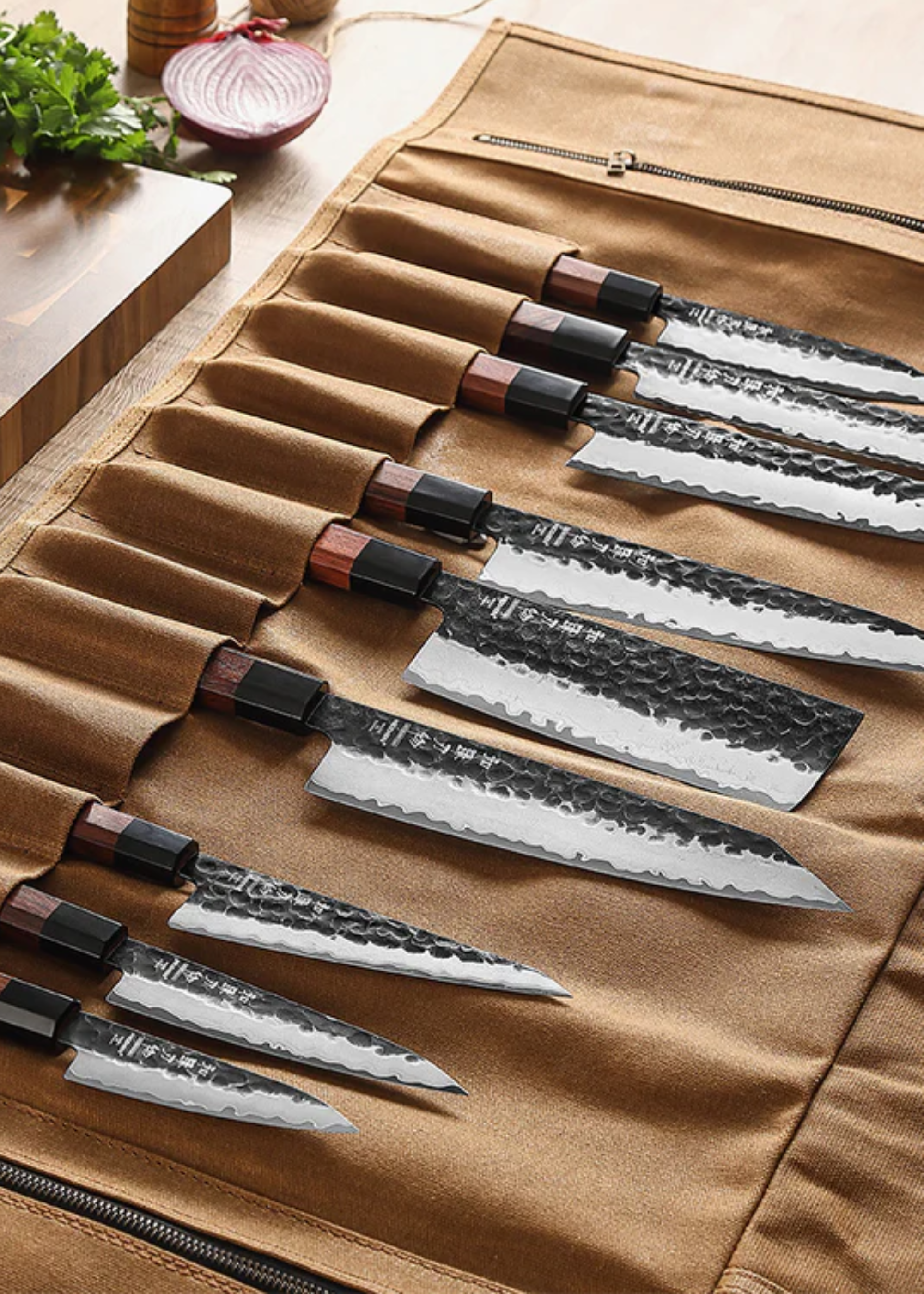
Drawer Inserts
Drawer inserts designed for knives can save counter space while keeping blades secure and organized. Look for inserts with individual slots that prevent knives from touching each other.
This option is great if you prefer a clean countertop or have limited wall space for magnetic strips.
Credit: www.livingetc.com
Cleaning Before Storage
Cleaning your Japanese knives before storing them is essential to keep their sharpness and prevent damage. Residue from food or moisture left on the blade can cause rust and dullness over time. Taking the time to clean your knives properly ensures they stay in top condition for years.
Proper Washing Techniques
Always wash your Japanese knives by hand. Avoid using a dishwasher, as the high heat and harsh detergents can harm the blade and handle.
Use warm water with a mild dish soap. Gently scrub the blade with a soft sponge or cloth to remove any food particles. Pay special attention to the edge but avoid scrubbing too hard, which could dull the blade.
Rinse thoroughly to remove all soap. Don’t let the knife soak in water, as prolonged exposure can lead to rust spots.
Drying Methods
After washing, dry your knife immediately with a clean, soft towel. Leaving it wet even for a few minutes can allow rust to start forming, especially on high-carbon steel blades.
Make sure to dry both the blade and handle completely. If you own a wooden handle, this step is crucial to prevent cracking or warping.
Consider air-drying the knife for a few minutes after towel drying, but only if you place it in a clean, dry spot away from humidity.
Preventing Rust And Corrosion
Rust and corrosion damage the beauty and sharpness of Japanese knives. These blades need special care to stay in top condition. Preventing rust keeps the metal strong and extends the knife’s life. Simple daily habits help protect these valuable tools from moisture and air.
Oil Application
Applying a thin layer of oil protects the blade from rust. Use light mineral oil or knife-specific oils. Spread the oil evenly using a soft cloth. This creates a barrier against moisture. Repeat the oiling after cleaning or long storage periods.
Climate Control
Store knives in a dry place with stable temperature. Avoid areas with high humidity or sudden temperature changes. Use a dehumidifier or silica gel packs to reduce moisture. Proper climate control slows down rust formation on the blade.
Avoiding Moisture
Never store knives while wet or damp. Always dry the blade completely after washing. Use a clean towel to remove all water drops. Avoid leaving knives near sinks or dishwashers. Moisture is the main cause of rust and corrosion.
Safe Handling And Placement
Handling and placing your Japanese knives safely is crucial to preserving their sharpness and preventing accidents. These knives are crafted with precision and delicate steel, so even small mistakes can cause damage or injury. Paying attention to how you store and handle them can make a big difference in their longevity and your kitchen safety.
Avoiding Contact With Hard Surfaces
Hard surfaces like stone, metal, or ceramic can dull the blade quickly. Always avoid letting your knife blade touch these materials when storing or using it. Even resting the knife blade directly on a countertop can cause tiny chips and scratches over time.
Think about how you place your knife down after use. Instead of laying it flat on a hard surface, place it on a soft wooden board or use a blade guard. I once learned this the hard way when my favorite knife chipped after sliding against a marble countertop.
Positioning For Safety
Where you keep your knives matters as much as how you place them. Storing knives in a drawer without protection can lead to dulling and accidental cuts when reaching inside. Consider magnetic strips or dedicated knife blocks that hold blades securely and visibly.
- Store knives with the blade edge facing away from your hands.
- Keep them out of reach of children to avoid accidents.
- Ensure knives do not overlap or touch each other to prevent scratches.
Have you ever grabbed a knife only to find it hidden under other utensils? That moment of surprise can be dangerous. Keeping knives in a fixed, visible spot reduces risk and keeps them ready for your next cooking session.
Maintenance Between Uses
Proper maintenance keeps Japanese knives sharp and safe. Regular care between uses preserves the blade’s quality. It also extends the knife’s life. Simple habits prevent damage and rust. Follow these tips for daily upkeep.
Regular Honing
Honing realigns the blade’s edge without removing metal. Use a honing rod made of ceramic or steel. Hold the rod vertically and draw the knife down at a 15-degree angle. Repeat on both sides about 5-10 times each. Do this before or after every use. Honing keeps the blade sharp longer. It prevents dullness and uneven edges.
Sharpening Schedule
Sharpening removes metal to create a new edge. Use a whetstone or professional sharpener. Frequency depends on use and blade type. For home cooks, sharpening every 3-6 months works well. If you use your knife daily, sharpen every 1-2 months. Avoid sharpening too often to preserve the blade. Check the edge regularly for dull spots. Proper sharpening keeps your knife cutting cleanly and safely.

Credit: m.facebook.com
Travel And Long-term Storage Tips
Proper care of Japanese knives during travel and long storage keeps their blades sharp and rust-free. Special storage methods protect these delicate tools from damage and corrosion. Using the right cases and storage techniques preserves their quality over time.
Using Knife Cases
Knife cases provide a safe way to carry Japanese knives. They prevent the blades from hitting hard surfaces or other objects. Soft cases with padding absorb shocks well. Hard cases offer more protection against drops and pressure. Choose a case that fits your knife size exactly. Secure the knife inside to stop movement. Clean and dry the knife before placing it in the case. This avoids rust caused by moisture.
Storing For Extended Periods
Long-term storage needs extra care to avoid rust and dullness. Clean knives thoroughly to remove food and oils. Dry them completely with a soft cloth. Wrap blades in a cloth or wax paper to block moisture. Store knives in a dry, cool place away from sunlight. Avoid storing knives in leather sheaths for long periods. Leather can hold moisture and cause corrosion. Check knives regularly during storage and apply light oil to the blade surface for protection.
Credit: www.chuboknives.com
Frequently Asked Questions
How Should I Store Japanese Knives Safely?
Store Japanese knives in a wooden knife block, magnetic strip, or protective sheath. Avoid loose drawer placement to prevent damage and accidents. Proper storage maintains blade sharpness and prevents rust or chipping, extending the knife’s lifespan.
Can I Store Japanese Knives In A Drawer?
It’s not ideal to store Japanese knives loosely in a drawer. Use blade guards or knife trays to protect edges. This prevents dulling and accidental cuts, keeping your knives safe and sharp for longer.
Why Avoid Storing Japanese Knives With Other Utensils?
Storing Japanese knives with other utensils can cause nicks and dull edges. Separate storage reduces blade damage and preserves sharpness. Use dedicated knife holders or magnetic strips for best results.
Is A Magnetic Strip Suitable For Japanese Knives?
Yes, a magnetic strip is a great option for Japanese knives. It keeps blades visible, accessible, and prevents contact with other objects. Ensure the magnet is strong enough to hold the knife securely without slipping.
Conclusion
Storing Japanese knives properly keeps them sharp and safe. Use wooden blocks or magnetic strips to avoid damage. Always dry knives before storing to stop rust. Keep knives away from other tools to prevent scratches. Regular care helps your knives last longer.
A little effort protects your valuable blades every day. Follow these simple tips for the best knife care. Your kitchen tools will stay in top shape. Safe storage means better cooking results. Easy to do, and worth every step.