

Steaming vegetables is one of the healthiest ways to prepare them, locking in nutrients and natural flavors. But what if you don’t have a steamer?
You might be surprised to learn that your rice cooker can do the job perfectly. If you want an easy, hands-off method to steam your veggies just right, this guide is for you. Keep reading, and you’ll discover simple steps to turn your rice cooker into a powerful steaming tool that makes your meals tastier and healthier.
Ready to make your vegetables delicious without extra fuss? Let’s dive in!
Choosing Vegetables
Choosing the right vegetables is key to making steaming with your rice cooker a success. Not all vegetables steam evenly or taste their best when cooked this way. Knowing which vegetables work well and how to prepare them can make your meals quicker, healthier, and more delicious.
Best Vegetables For Steaming
Some vegetables hold up better during steaming and keep their texture and flavor intact. Think about firm, crisp veggies that don’t turn mushy easily. Here are some great choices to get you started:
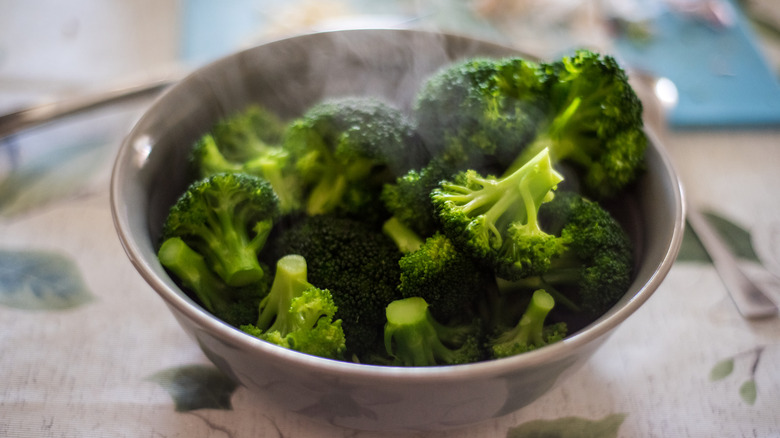
- Broccoli:Steams quickly and stays crunchy.
- Carrots:Slice them thin for even cooking.
- Green beans:Retain their snap and vibrant color.
- Cauliflower:Cooks evenly and absorbs seasoning well.
- Asparagus:Steams fast and tastes fresh.
- Peas and snap peas:Perfect for a quick steam.
- Spinach and kale:These leafy greens steam down quickly; watch your timing.
Have you tried steaming root vegetables like sweet potatoes or beets? They can be steamed but usually need longer cooking times or pre-cutting to small pieces. Think about what textures you enjoy and how long you want to wait.
Preparing Vegetables
How you prepare your vegetables can change the whole steaming experience. Cutting vegetables into similar sizes ensures they cook evenly. For example, chopping broccoli into uniform florets helps all pieces finish steaming at the same time.
Washing is another simple but crucial step. Dirt hides in the crevices of many vegetables, especially leafy greens and broccoli. Rinse thoroughly under cold water and let them dry slightly to avoid sogginess.
Don’t forget to peel tougher skins like on carrots or sweet potatoes if you want them tender quickly. You can also trim ends or remove stems to make vegetables easier to eat and steam.
Have you noticed how smaller pieces steam faster? That’s why slicing or dicing can be a game changer when you’re short on time. Try experimenting with different cuts and see what texture you prefer straight from your rice cooker.
Credit: www.chowhound.com
Setting Up Your Rice Cooker
Setting up your rice cooker correctly is key to steaming vegetables perfectly every time. This simple appliance can do much more than just cook rice, but a few adjustments are necessary to get the best results for your veggies. Paying attention to the right tools and water levels can make a big difference in texture and taste.
Selecting The Right Steaming Basket
Not all steaming baskets fit every rice cooker. Some rice cookers come with a dedicated steaming basket, while others require you to use a separate accessory. Choose a basket that fits snugly inside your cooker without touching the water below.
Look for baskets made of stainless steel or BPA-free plastic. These materials ensure even steam distribution and easy cleaning. If your basket has holes, make sure they are small enough to prevent smaller vegetables from falling through.
Adding Water Properly
The amount of water you add affects how well your vegetables steam. Too little water, and the steam will run out before your veggies are cooked. Too much, and your vegetables might become soggy or even boil.
Fill the rice cooker’s inner pot with water up to the level recommended for steaming, usually about one to two cups. The water should not touch the bottom of the steaming basket; it needs to stay below to produce steam without soaking the vegetables.
Have you checked your rice cooker’s manual for specific water measurements? Following those guidelines can save you from trial and error and help you get consistent results.
Steaming Process
Steaming vegetables in a rice cooker is a simple and healthy way to cook. The process uses steam to cook the veggies evenly without losing nutrients. It keeps the vegetables crisp and colorful, making meals more appealing and nutritious.
The key to perfect steaming lies in arranging the vegetables right and knowing the right cooking time. This ensures each vegetable cooks just enough without becoming soggy or underdone.
Arranging Vegetables In The Basket
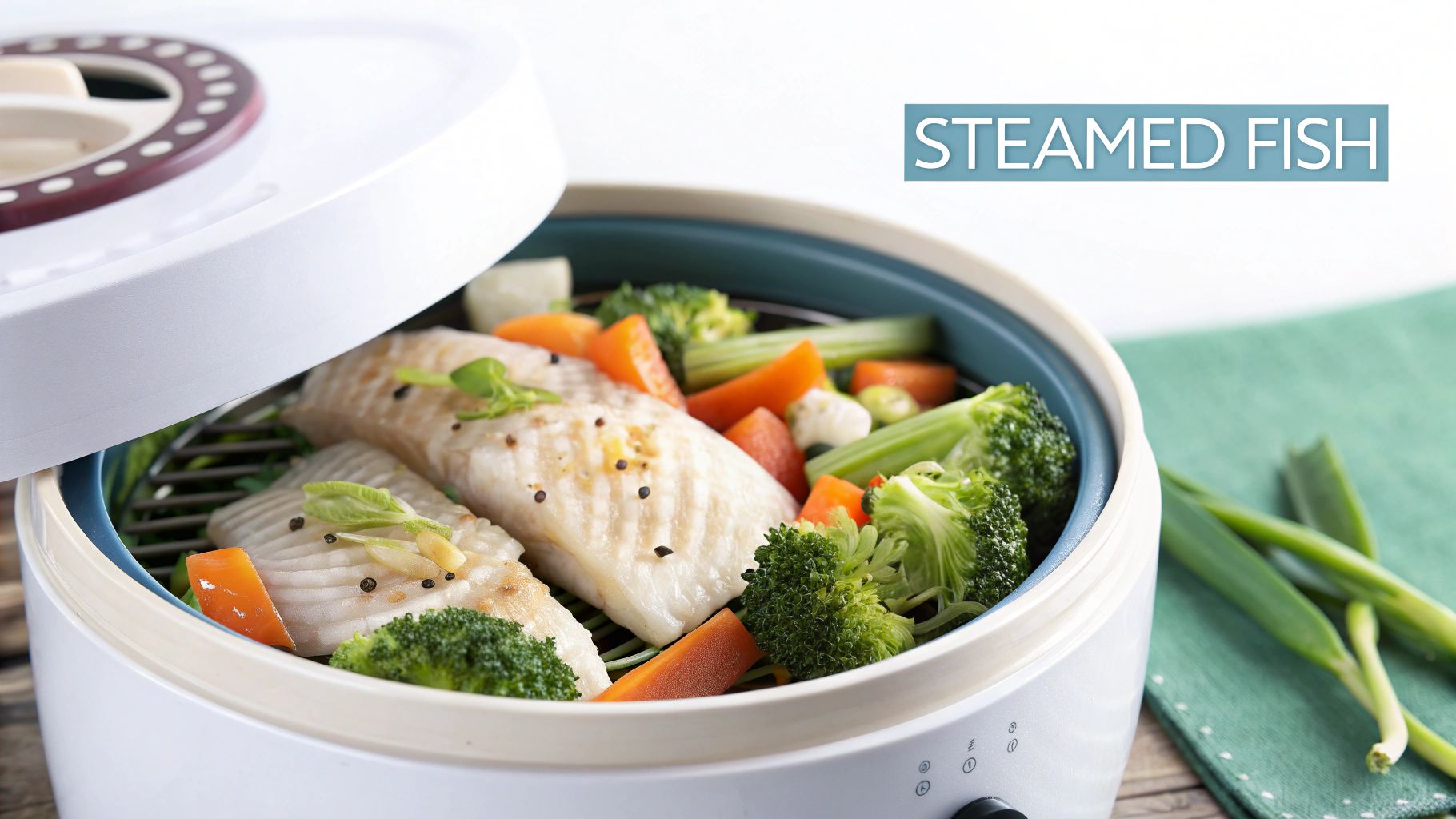
Place vegetables in a single layer in the rice cooker basket. Avoid stacking them to allow steam to circulate freely. Cut larger vegetables into smaller, even pieces for uniform cooking. Leafy greens can go on top since they cook faster. Use the basket’s holes to let steam rise and cook the vegetables evenly.
Cooking Times For Different Veggies
| Vegetable | Cooking Time |
|---|---|
| Broccoli florets | 6-8 minutes |
| Carrot slices | 8-10 minutes |
| Green beans | 6-8 minutes |
| Cauliflower | 7-9 minutes |
| Spinach | 3-5 minutes |
Check vegetables early to avoid overcooking. Cooking times may vary by rice cooker model and vegetable size. Use a fork to test tenderness before serving.
Tips For Perfect Steamed Vegetables
Steaming vegetables with a rice cooker is a simple way to keep them fresh, crunchy, and full of nutrients. However, getting the perfect texture and taste requires a few smart tricks. These tips will help you avoid common pitfalls and bring out the best flavor in every batch.
Avoiding Overcooking
Overcooked vegetables lose their vibrant color and crisp texture. To prevent this, cut your vegetables into uniform pieces so they cook evenly. Thinner slices or smaller chunks steam faster, so adjust your timing accordingly.
Keep an eye on the clock, but also check the vegetables early. A quick poke with a fork can tell you if they’re done—firm but tender is the goal. Using the rice cooker’s automatic timer can be helpful, but don’t rely on it blindly.
Enhancing Flavor
Steamed vegetables don’t have to be bland. Try adding herbs, spices, or even a splash of broth to the water in your rice cooker’s steaming basket. This infuses subtle flavors directly into the veggies as they cook.
Another trick is to toss the steamed vegetables with a little olive oil, lemon juice, or your favorite seasoning right after cooking. This boosts taste and adds a nice shine. Have you experimented with garlic powder or chili flakes? They can transform simple steamed veggies into a delicious side dish.
Cleaning And Maintenance
Keeping your rice cooker clean is important for healthy cooking and long device life. After steaming vegetables, some food bits and moisture can stay inside. Proper cleaning stops bacteria and odors from building up. Regular maintenance also makes sure your rice cooker works well every time.
Cleaning The Rice Cooker
Unplug the rice cooker before cleaning to avoid accidents. Remove the steaming basket and inner pot carefully. Wash these parts with warm water and mild soap. Use a soft sponge to avoid scratches. Rinse well to remove soap residue.
Wipe the inside of the cooker with a damp cloth. Avoid using too much water inside the main unit. Clean the lid and steam vent to prevent clogging. Dry all parts completely before putting them back. This stops rust and mold growth.
Storing Your Equipment
Store the rice cooker in a dry, cool place. Keep the lid slightly open or off to allow air circulation. Store steaming baskets and inner pots separately if possible. Make sure all parts are dry before storage. This avoids bad smells and damage.
Check the power cord for any damage regularly. Coil it loosely to prevent bending. Cover the rice cooker with a clean cloth to keep dust away. Proper storage helps your rice cooker stay in good shape for years.

Credit: www.youtube.com
Credit: folders.co.nz
Frequently Asked Questions
How Do I Steam Vegetables Using A Rice Cooker?
Fill the rice cooker with water below the steaming basket. Place chopped vegetables in the basket. Close the lid and turn on the cooker. Steam for 5-15 minutes, depending on vegetable type and size, until tender but crisp.
Can I Steam Frozen Vegetables In A Rice Cooker?
Yes, you can steam frozen vegetables in a rice cooker. Add a bit more steaming time than fresh veggies. Ensure the water level is sufficient to generate steam throughout cooking. This method preserves nutrients and texture effectively.
What Vegetables Are Best For Steaming In A Rice Cooker?
Best vegetables for steaming include broccoli, carrots, green beans, and cauliflower. These hold texture and flavor well when steamed. Avoid dense root vegetables unless cut into small, uniform pieces for even cooking.
How Much Water Should I Add For Steaming Vegetables?
Add about 1 to 2 cups of water below the steaming basket. The water should not touch the vegetables. This prevents boiling and ensures proper steaming. Refill water if steaming longer than 15 minutes.
Conclusion
Steaming vegetables with a rice cooker is simple and quick. This method keeps nutrients and flavors fresh. You only need a few steps to get it right. It saves time and uses less energy than other ways. Anyone can try this, even beginners.
Enjoy healthy, tasty vegetables every day. Give your rice cooker a new job in the kitchen. Simple, fast, and good for you. Why not start steaming today?