

Have you ever struggled with a dull pocket knife when you needed it most? A sharp blade makes all the difference, whether you’re cutting rope, preparing food, or handling everyday tasks.
But sharpening your pocket knife doesn’t have to be confusing or time-consuming. You’ll discover simple, effective steps to bring your knife back to life. Keep reading, and you’ll learn how to sharpen your pocket knife quickly and safely, so it’s ready whenever you need it.
Credit: www.outdoorlife.com
Choosing The Right Sharpening Tools
Choosing the right sharpening tools plays a big role in keeping your pocket knife sharp. The correct tool makes sharpening easier and protects your blade. Different tools offer various benefits and suit different skill levels. Understanding these options helps you pick what fits your needs and budget.
Whetstones And Their Grits
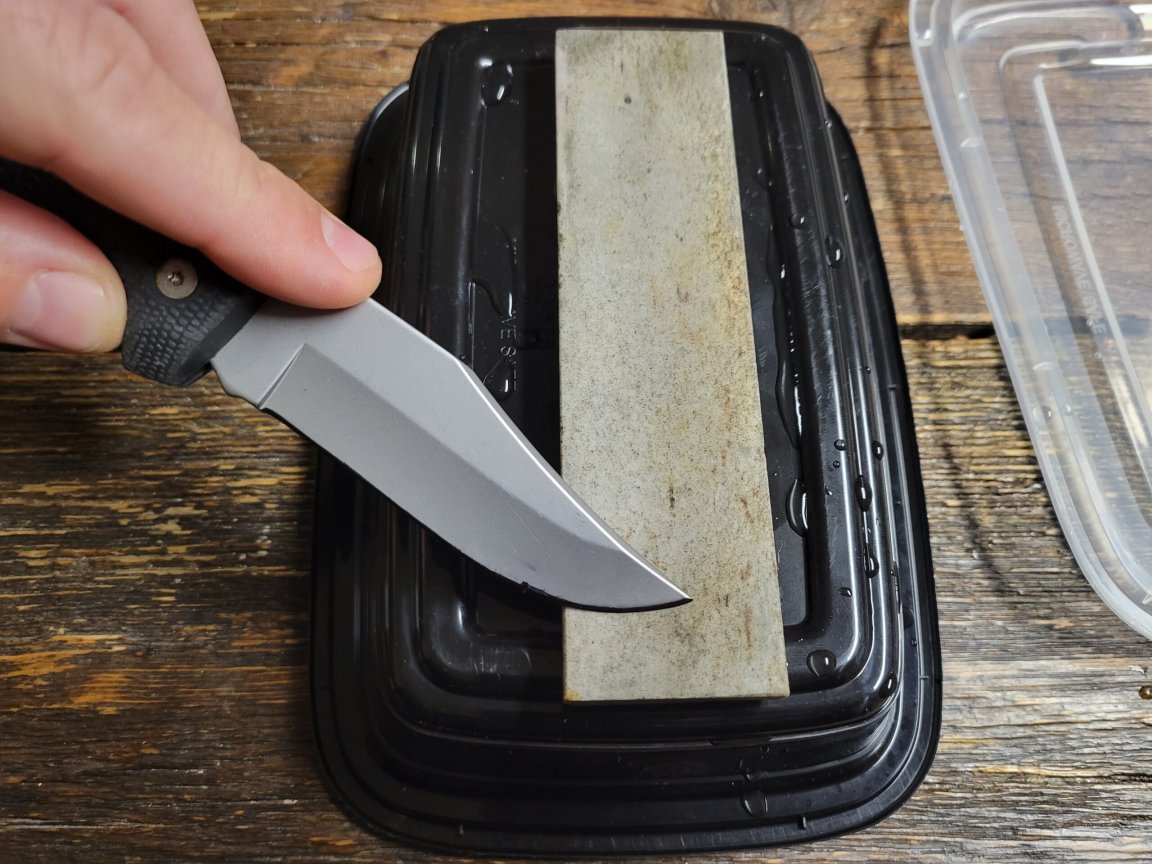
Whetstones are flat stones used to sharpen knives by hand. They come in different grit levels, which affect the sharpness and smoothness of the blade.
- Coarse grit (200-600) fixes dull or damaged edges.
- Medium grit (800-1500) sharpens the blade for regular use.
- Fine grit (2000-8000) polishes the edge to a razor finish.
Whetstones require water or oil for lubrication. They need practice but give great control and results.
Sharpening Rods And Strops
Sharpening rods, also called honing rods, realign the blade edge without removing much metal. They are good for quick touch-ups.
Leather strops polish and refine the blade after sharpening. Stropping removes tiny burrs and smooths the edge.
Both tools maintain sharpness and extend the time between full sharpenings.
Electric Vs Manual Sharpeners
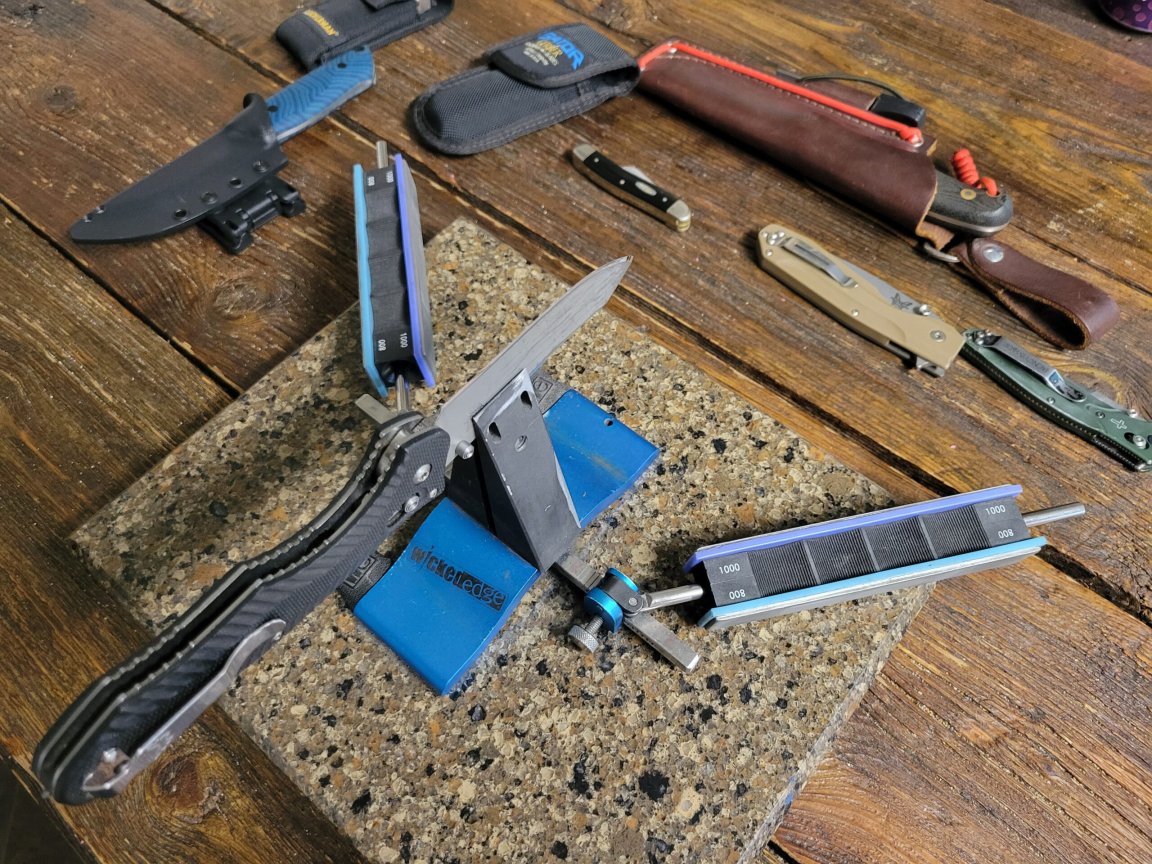
Electric sharpeners are fast and easy to use. They have fixed angles and guide the blade automatically.
Manual sharpeners require more effort and skill. They offer better control over the sharpening angle and pressure.
Electric models suit beginners or busy users. Manual sharpeners appeal to those who want precision and care.
Credit: www.outdoorlife.com
Preparing Your Pocket Knife
Preparing your pocket knife is a key step before sharpening. Proper prep keeps the blade safe and makes sharpening easier. Clean blades sharpen better. Secure knives stay stable and reduce injury risk. These steps help you get the best edge.
Cleaning The Blade
Start by wiping off dirt and grime from the blade. Use a soft cloth or paper towel. For sticky residue, apply a bit of rubbing alcohol. Dry the blade fully to avoid rust. Clean blades allow smooth sharpening and reveal any damage.
Securing The Knife For Sharpening
Hold the knife steady to avoid slips. Use a clamp or a non-slip mat on your work surface. Keep the blade pointing away from your body. A stable knife keeps your hands safe. It also helps you sharpen evenly and accurately.
Sharpening Techniques
Sharpening pocket knives requires specific techniques to keep the blade precise and safe. Each method suits different tools and skill levels. Understanding these techniques helps maintain your knife’s edge longer and improves cutting performance.
Angle And Stroke Basics
Maintaining the correct angle is vital for sharpness. Most pocket knives sharpen best between 15 and 20 degrees. Hold the blade steady and consistent. Use smooth, even strokes across the sharpening surface. Avoid pressing too hard; let the tool do the work.
Stroke direction usually moves from the base of the blade to the tip. Repeat the motion evenly on both sides for balance. Count your strokes to keep it symmetrical. This practice prevents uneven edges and extends blade life.
Using A Whetstone Properly
Start with a coarse grit to shape the edge. Soak the whetstone in water if required. Place the blade at the right angle and slide it across the stone. Use gentle, circular or sweeping strokes.
Switch to finer grits to smooth and polish the edge. Keep the stone wet during use to reduce heat and friction. Wipe the blade clean between grits to avoid clogging the stone. Finish by rinsing and drying the knife carefully.
Honing With A Rod
A honing rod realigns the blade’s edge without removing much metal. Hold the rod vertically with its tip on a stable surface. Place the blade at the same sharpening angle. Swipe the blade down the rod from base to tip.
Alternate sides with each stroke to keep the edge even. Use light pressure for best results. Honing works well for quick touch-ups between sharpening sessions. It keeps the blade sharp and ready for use.
Polishing With A Strop
A leather strop refines the edge after sharpening. It removes tiny burrs and smooths the blade. Pull the knife backward along the strop at the sharpening angle. Avoid pushing the blade forward to prevent cuts in the leather.
Repeat several times on each side for a polished finish. Stropping enhances sharpness and blade durability. It is the final step for a razor-sharp pocket knife edge.
Credit: www.tiktok.com
Testing Sharpness
Testing sharpness is key after sharpening your pocket knife. It helps confirm if the blade is ready for use. Sharpness affects cutting ease and safety. Simple tests can show if the edge is sharp enough or needs more work.
Paper Cut Test
Take a piece of regular printer paper. Hold the paper by one end so it hangs straight. Gently slice the paper with the knife blade. A sharp blade cuts cleanly and smoothly through the paper. If it tears or struggles, the blade needs more sharpening.
Thumb Nail Test
Lightly drag the knife edge across your thumbnail at a shallow angle. A sharp blade will catch slightly on the nail. A dull edge slides without gripping. Be very careful to avoid cutting yourself during this test. This test gives a quick feel of sharpness.
Visual Inspection
Look closely at the knife edge under good light. A sharp edge appears thin and even. Check for nicks, chips, or rounded spots. Dull edges reflect light and look shiny. Sharp edges look matte and have no visible damage. Visual checks help find spots needing more sharpening.
Maintaining Sharpness
Keeping your pocket knife sharp makes it safer and easier to use. Sharp blades cut cleanly and need less force. Maintaining sharpness needs simple habits and care. These habits protect your blade and extend its life.
Regular Honing
Honing keeps the edge straight between sharpenings. Use a honing rod with a smooth motion. Hold the rod steady and slide the blade at a 20-degree angle. Do this on both sides evenly. Honing does not remove metal but realigns the edge. Regular honing prevents dullness and keeps the blade ready.
Proper Storage
Store your knife in a dry place to avoid rust. Use a sheath or blade guard to protect the edge. Keep the knife separate from other tools to prevent nicks. Avoid tossing the knife in a drawer with other items. Proper storage keeps the blade sharp and safe.
Avoiding Common Mistakes
Do not cut hard materials like metal or stone. Avoid using the knife as a screwdriver or pry tool. Do not apply too much pressure while cutting. Clean the blade after each use with mild soap and water. Dry the knife completely before storing. These steps stop damage and dulling of the blade.
Frequently Asked Questions
How Often Should I Sharpen My Pocket Knife?
Sharpen your pocket knife when it feels dull or struggles to cut. Regular use requires sharpening every few months. Frequent sharpening maintains edge quality and improves cutting performance. Avoid waiting too long to prevent blade damage and difficult sharpening.
What Tools Are Best For Sharpening Pocket Knives?
Use a sharpening stone, ceramic rod, or diamond sharpener for pocket knives. These tools provide precise control and effective edge refinement. Avoid electric sharpeners that may remove too much metal. Choose based on blade type and your sharpening skill level.
Can I Sharpen Pocket Knives At Home Safely?
Yes, sharpening pocket knives at home is safe with proper tools and care. Use a stable surface, maintain consistent angles, and avoid excessive pressure. Follow step-by-step guides to prevent injury and damage. Practice enhances skill and confidence.
What Angle Should I Use To Sharpen Pocket Knives?
Sharpen pocket knives at a 20-degree angle for a sharp, durable edge. Some blades may require 15-25 degrees based on design. Consistency in angle ensures even sharpening and better cutting performance. Use angle guides for accuracy.
Conclusion
Sharpening pocket knives keeps them safe and ready to use. Regular sharpening makes cutting easier and more precise. Use the right tools and follow simple steps carefully. Practice a little to improve your technique every time. A sharp knife lasts longer and works better for you.
Keep your blade clean and dry after sharpening. Small efforts bring great results in knife care. Stay safe and enjoy the sharp edge on all your tasks.