
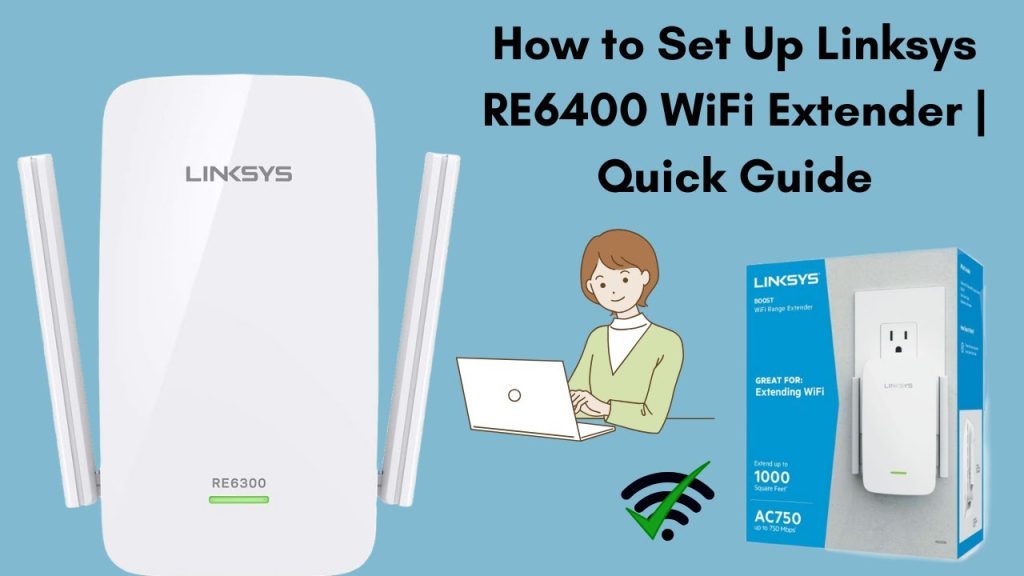
Is your WiFi signal weak in certain parts of your home? You’re not alone, and the good news is you don’t have to live with slow internet or dropped connections.
Setting up a Linksys WiFi extender can boost your signal and give you faster, more reliable coverage exactly where you need it. In this guide, you’ll discover simple, step-by-step instructions to get your extender up and running quickly. By the end, you’ll enjoy stronger WiFi without the frustration.
Keep reading—you’re just moments away from better internet!
Choosing The Right Linksys Extender
Choosing the right Linksys extender is key to improving your WiFi signal. The right model depends on your home size, internet speed, and router type. Picking the best one ensures smooth streaming, gaming, and browsing without drops.
Models And Features
Linksys offers many extender models with different features. Some support dual-band WiFi for faster speeds. Others have multiple antennas for wider coverage. Look for extenders with easy setup options and a strong signal range. Some models include Ethernet ports for wired devices.
Compatibility With Routers
Check if the extender works with your current router. Most Linksys extenders support any router brand. Still, using a Linksys extender with a Linksys router can simplify setup. Verify the WiFi standards match, such as 802.11ac or 802.11n. Compatibility ensures the best performance and fewer connection issues.
Placement Tips
Place your extender where the WiFi signal is still strong but near the area with weak coverage. Avoid walls, metal objects, and appliances that block signals. Keep the extender midway between your router and dead zone. This setup maximizes signal boost and helps maintain stable connection speeds.
Preparing For Setup
Getting your Linksys WiFi extender ready for setup involves a few simple but important tasks. These steps ensure a smooth installation process and help avoid common frustrations like connection drops or setup errors.
Gathering Necessary Equipment
Before you start, make sure you have all the gear needed for the job. This usually includes:
- Your Linksys WiFi extender
- The original power adapter for the extender
- A computer, smartphone, or tablet to access the setup page
- Your main WiFi router’s network name (SSID) and password
- An Ethernet cable, if you prefer a wired connection during setup
Having these ready saves you from scrambling around mid-setup. Ever tried setting up a device only to realize the power cable is missing? It’s a real time-waster.
Checking Network Requirements
Next, confirm your existing network supports the extender. Your main router must broadcast a WiFi signal that the extender can detect and repeat.
Check if your router is compatible with the extender’s frequency bands—most Linksys extenders work on 2.4 GHz and 5 GHz. Do you know which band your router uses? You can usually find this in the router’s admin settings or user manual.
Also, consider the placement of your extender. It should be close enough to your router to get a strong signal but far enough to extend coverage to dead zones. Have you noticed areas in your home where WiFi just can’t reach? The right location can fix that.
Connecting The Extender
Connecting your Linksys WiFi extender is the crucial step that brings your network’s signal to those hard-to-reach spots. It’s the moment your device goes from a box on the shelf to a powerful tool expanding your online world. Let’s break down how to get your extender up and running quickly and easily.
Powering On
Start by plugging your Linksys extender into a power outlet near your router. Wait for the power LED to light up, indicating the device is on and ready. This simple step sets the stage for a smooth connection process.
Keep an eye on the indicator lights—they give you clues about the extender’s status. If the power light doesn’t turn on, try a different outlet or check the power cable for damage. Have you ever been stuck trying to connect a device only to find out it wasn’t powered? Avoid that frustration here.
Using Wps Button
If your router supports WPS (Wi-Fi Protected Setup), this method is the fastest way to link your extender. Press the WPS button on your router first, then within two minutes, press the WPS button on your Linksys extender.
The extender’s LED will blink, showing it’s trying to connect. Once the light turns solid, your extender has successfully joined your network. What’s great about WPS is you don’t have to enter any passwords, saving you time and hassle.
Manual Setup Via Web Interface
If WPS isn’t an option, you can manually connect your extender through its web interface. Start by connecting your device (computer or smartphone) to the extender’s default WiFi network, usually named Linksys Extender Setup.
Open a web browser and enter http://extender.linksys.comor the IP address provided in your manual. You’ll be guided through the setup wizard where you’ll select your existing WiFi network and enter its password.
This method gives you more control and can be useful if you want to customize your extender’s settings. Have you ever found yourself wishing for more setup options? The web interface lets you fine-tune your connection exactly how you like it.

Credit: www.youtube.com
Configuring Network Settings
Configuring the network settings is a crucial part of setting up your Linksys WiFi extender. This step determines how well your extender communicates with your existing network and how securely it shares your internet connection. Paying close attention here ensures you get the best range and performance from your device.
Selecting The Network To Extend
First, you need to choose the right WiFi network to extend. Your extender will scan for available networks—pick your home WiFi from the list carefully.
Make sure it’s the network with the strongest signal and the one you want to improve coverage for. Selecting the wrong network can cause connection issues or slow speeds.
Setting Up Ssid And Password
Next, decide whether to keep the same network name (SSID) for your extender or create a new one. Using the same SSID allows your devices to switch seamlessly between your router and extender.
If you prefer a separate name, pick something clear and easy to remember. Then, set a strong password to keep your extended network secure.
Saving And Applying Changes
Once you’ve configured your settings, don’t forget to save them. Look for the “Save” or “Apply” button on the setup page to confirm your choices.
Your extender will usually restart to apply the new settings. Be patient during this process—it can take a few minutes.
Have you ever skipped saving changes and wondered why your extender didn’t work as expected? This simple step often fixes many connection problems.
Optimizing Extender Placement
Optimizing the placement of your Linksys WiFi extender can dramatically improve your home network’s speed and reliability. The right spot ensures a strong connection between your router and the extender, giving you seamless internet access in every corner. Let’s look at how you can find the best location, avoid interference, and test signal strength effectively.
Finding The Best Location
Place your extender roughly halfway between your router and the area with weak WiFi. This position allows the extender to catch a strong signal and boost it further. Avoid spots too close to the router, as the extender won’t extend much, and don’t put it too far where the signal is already weak.
Think about walls, floors, and furniture. Thick concrete or metal can block signals. I once placed my extender behind a large cabinet and noticed nearly no improvement—moving it just a few feet out fixed the issue instantly.
Avoiding Interference
Wireless devices like microwaves, cordless phones, and baby monitors can interfere with your extender’s signal. Keep the extender away from these gadgets to reduce disruptions. Even your neighbor’s WiFi on the same channel can cause interference, so consider changing your router’s channel if you suspect this.
Try to keep the extender out of direct sunlight and away from large metal objects. These can absorb or reflect signals, causing drops in performance. Have you checked what devices are running near your extender’s location?
Testing Signal Strength
After placing your extender, test the signal strength in the areas you want to cover. Use your phone or laptop to check WiFi bars or speed test apps to measure real-time performance. If the signal is weak or speeds are low, move the extender slightly and test again.
Don’t settle for the first spot you try. Small adjustments can make a big difference. I found moving my extender just one room over increased my speed by over 30%. How much better could your connection get with a little trial and error?
Credit: wifiwavlink.net
Troubleshooting Common Issues
Setting up your Linksys WiFi extender should ideally be smooth, but sometimes issues pop up that can frustrate even the most patient user. Troubleshooting these common problems quickly helps you get back to a strong and stable connection without wasting time. Let’s break down some typical hurdles and how you can fix them effectively.
Connection Failures
One of the most common problems is the extender failing to connect to your main router. Check if your extender is within the range of your router’s signal—too far away and it won’t pick up the network properly.
Make sure you’re entering the correct WiFi password during setup. A small typo can block the connection completely.
If you’ve verified distance and password but still face issues, try restarting both your router and extender. Sometimes, a simple reboot clears up temporary glitches.
Slow Speeds
Slow internet through the extender can be caused by interference or overcrowded wireless channels. Are there many devices connected to your network at the same time? Reducing the number of active connections might help speed things up.
Also, check if your extender firmware is up to date. Older firmware versions can limit performance.
Try relocating the extender closer to your router but still within the area where you want coverage. This balance often improves speed significantly.
Resetting The Extender
If problems persist despite your efforts, resetting the extender to factory settings can offer a fresh start. Look for the small reset button, usually found at the back or bottom of the device.
Press and hold it for about 10 seconds until the lights blink. This process wipes all previous settings.
After resetting, go through the setup process again carefully. Have you noticed that starting over sometimes solves issues that seemed impossible to fix?
Maintaining Your Extender
Maintaining your Linksys WiFi extender is key to keeping your network fast and reliable. Simple habits can prevent many common issues and ensure your extender delivers strong signals where you need them most. Let’s look at practical ways to keep your device running smoothly.
Firmware Updates
Firmware updates are more than just bug fixes—they improve performance and security. Check the Linksys website or your extender’s admin panel regularly for new updates. Installing the latest firmware can fix bugs that slow down your connection or cause drops.
Have you ever noticed your WiFi acting up suddenly? Often, an outdated firmware is the culprit. Keeping your extender updated means fewer interruptions and better coverage.
Regular Reboots
Rebooting your extender might sound simple, but it can solve many connectivity problems. Restarting clears temporary glitches and frees up memory, which helps maintain a stable connection. Try rebooting your extender once every week or two.
If your WiFi slows down or devices stop connecting, a quick reboot might be all you need. It’s a small step that saves you from bigger headaches.
Security Tips
Securing your extender protects your network from intruders and keeps your data safe. Always change the default login credentials to a strong username and password. Avoid using easy-to-guess passwords like “admin” or “password.”
Also, enable WPA3 or WPA2 encryption in the extender’s settings. This ensures only authorized devices can connect. Have you checked your extender’s security settings lately? Taking a few minutes to update them can prevent unauthorized access and potential data theft.

Credit: www.youtube.com
Frequently Asked Questions
How Do I Connect My Linksys Wifi Extender?
To connect your Linksys WiFi extender, plug it in near your router. Use the WPS button or the web setup page to link it. Follow the on-screen prompts to complete the connection quickly and securely.
Where Should I Place My Linksys Wifi Extender?
Place your Linksys WiFi extender halfway between your router and the weak signal area. Avoid walls or metal objects that block signals. Proper placement ensures optimal range and better WiFi coverage throughout your home.
How Can I Reset My Linksys Wifi Extender?
To reset your Linksys WiFi extender, press and hold the reset button for 10 seconds. This restores factory settings, allowing you to set it up again if you face connection issues.
What If My Linksys Extender Won’t Connect?
If your extender won’t connect, restart both devices and check their proximity. Ensure you enter the correct WiFi password and update firmware if needed. Also, verify your router supports extender connections.
Conclusion
Setting up your Linksys WiFi extender is simple and quick. Just follow the steps carefully. This will improve your WiFi signal at home or office. You can enjoy better internet in every corner. No more weak connections or slow speeds.
Keep your devices connected smoothly and easily. A strong WiFi signal means less frustration. Stay connected to what matters most. Take control of your internet experience today.