

If you own a cast iron Dutch oven, you know how versatile and durable it can be. But to get the best performance and keep it rust-free, you need to season it properly.
Seasoning your Dutch oven creates a natural, non-stick surface that improves with every use. In this guide, you’ll learn simple, step-by-step tips to season your cast iron Dutch oven like a pro. By the end, you’ll be ready to cook delicious meals without worrying about sticking or damage.
Keep reading to unlock the secret to a perfectly seasoned Dutch oven that lasts a lifetime.
Choosing The Right Dutch Oven
Choosing the right Dutch oven is essential before you start seasoning it. The type of material and its size can affect how well your cast iron Dutch oven performs in the kitchen. Picking the best one for your cooking style makes seasoning easier and improves your cooking experience.
Material And Coating Types
Most Dutch ovens are made of cast iron, but they come with different coatings. You’ll find bare cast iron, which is perfect for seasoning because it absorbs oil and builds a natural non-stick surface over time.
Enamel-coated Dutch ovens look nice and don’t require seasoning, but they don’t develop the same non-stick properties. If you want a traditional seasoning experience, choose bare cast iron. It might need more care but rewards you with better heat retention and flavor.
Size And Shape Considerations
Think about what you usually cook when choosing the size and shape. A 5 to 7-quart Dutch oven works well for most families and is versatile for soups, stews, and roasts.
If you often cook for one or two, a smaller size saves space and heats faster. Round shapes are great for even cooking, while oval ones fit larger cuts of meat better. What meals do you plan to make? Let that guide your choice.
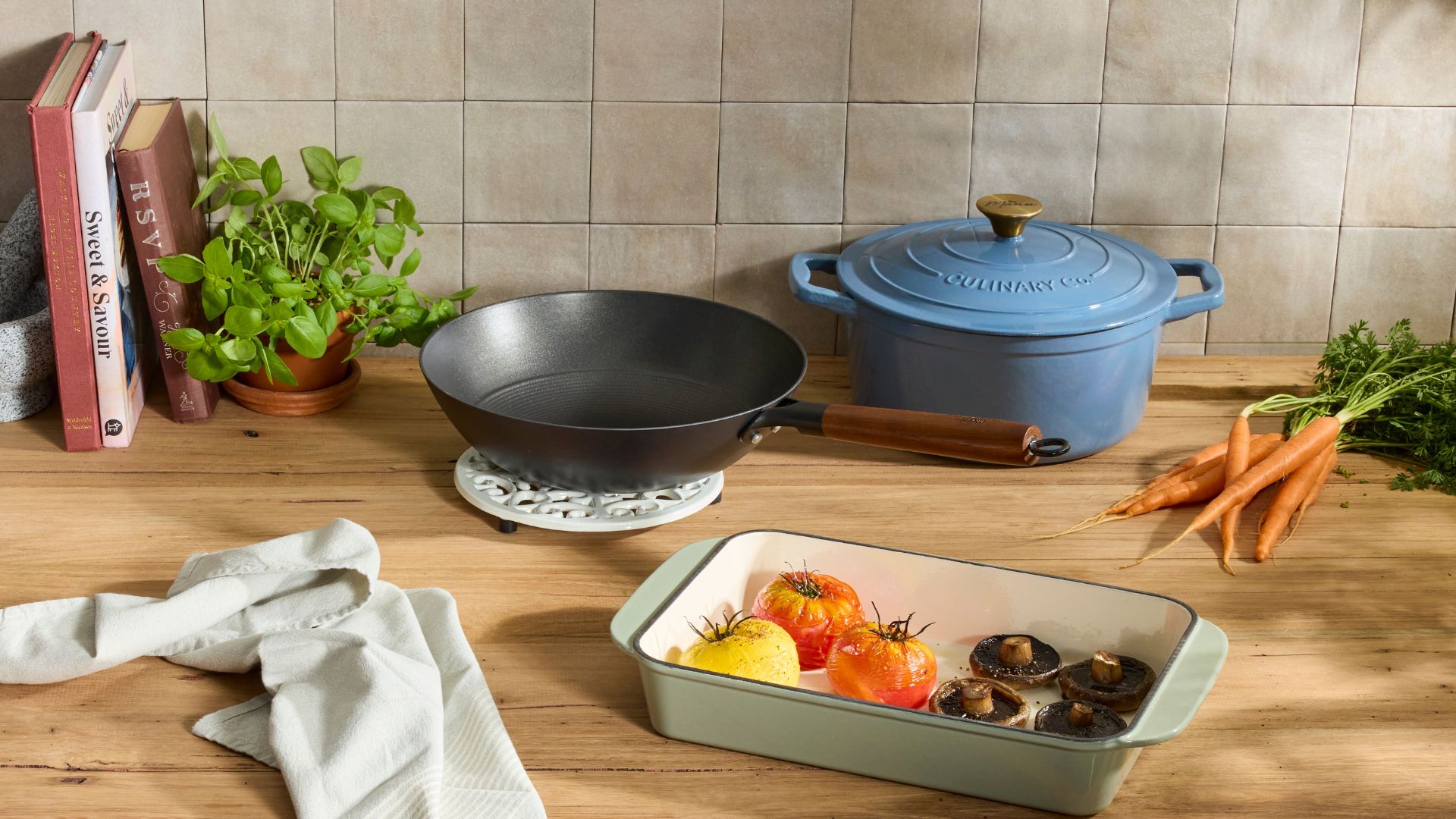
Credit: www.spotlightstores.com
Preparing Your Dutch Oven
Preparing your cast iron Dutch oven properly is crucial before seasoning. This initial step ensures the seasoning process is effective and long-lasting. Taking the time to prepare your pot carefully means better flavor for your meals and a longer life for your cookware.
Cleaning Before Seasoning
Even if your Dutch oven looks clean, it’s important to wash it thoroughly before seasoning. Use warm water and a mild dish soap to remove any dust or residues from manufacturing or storage. Avoid harsh scrubbing; a soft sponge or brush works best to protect the surface.
Dry your Dutch oven completely with a clean towel or by heating it gently on the stove. Moisture can interfere with the oil bonding to the metal during seasoning. Have you noticed how a damp pan never seems to get that perfect non-stick finish? That’s why drying is key.
Removing Factory Coatings
Most new cast iron Dutch ovens come with a protective wax or oil coating to prevent rust during shipping. This coating must be removed before you start seasoning. To do this, scrub the pot using hot water and a stiff brush or sponge until the wax is fully gone.
If the coating feels stubborn, a quick soak in hot, soapy water can help loosen it. After rinsing, dry the Dutch oven completely. Skipping this step can cause the seasoning to flake off or not stick properly, which ruins the whole effort.
Selecting The Best Oil
Choosing the right oil is key to seasoning your cast iron Dutch oven. The oil creates a protective layer that prevents rust and builds a non-stick surface. Not all oils work the same. Some oils handle heat better, while others leave a stronger coating. Knowing which oil to use can save time and improve the cooking experience.
Smoke Points Explained
The smoke point is the temperature at which oil starts to burn and smoke. Oils with high smoke points are better for seasoning. They can withstand the heat needed to bond with cast iron. Low smoke point oils may burn and create a sticky or uneven coating. Aim for oils with smoke points above 400°F (204°C) for best results.
Popular Oils For Seasoning
- Flaxseed Oil:Very popular for its strong polymerization. It creates a hard, durable layer. Smoke point around 225°F (107°C), but it cures well at oven temperatures.
- Canola Oil:Affordable and easy to find. Smoke point about 400°F (204°C). Good balance of cost and performance.
- Grapeseed Oil:High smoke point around 420°F (216°C). Neutral flavor and dries well on cast iron.
- Vegetable Oil:Common and inexpensive. Smoke point varies but generally around 400°F (204°C). Works fine for seasoning.
- Avocado Oil:Very high smoke point near 520°F (271°C). Great for high-temperature seasoning but can be pricey.
Seasoning Process Step-by-step
Seasoning your cast iron Dutch oven is key to its performance and longevity. The process builds a natural, non-stick surface that protects against rust. Follow these steps carefully to get the best results.
Applying The Oil Evenly
Start with clean, dry cookware. Use a cloth or paper towel to rub a thin layer of oil over the entire surface. Cover inside, outside, and the lid. Choose an oil with a high smoke point, like vegetable or flaxseed oil. Avoid thick or sticky layers to prevent uneven seasoning.
Heating Methods And Temperature
Preheat your oven to 375°F (190°C). Place the Dutch oven upside down on the middle rack. Put a sheet of aluminum foil on the rack below to catch drips. Heat allows the oil to bond with the metal, creating a smooth, durable coating. Avoid direct flames or stovetop heat for this step.
Duration And Multiple Coats
Bake the Dutch oven for one hour. After heating, turn off the oven and let it cool inside. Repeat the oil application and heating process 2 to 3 times for a strong, even layer. Multiple coats improve durability and non-stick quality.
Maintenance After Seasoning
Maintaining your cast iron Dutch oven after seasoning keeps it in top shape. Proper care protects the non-stick surface and prevents rust. It helps your cookware last for many years. A simple routine makes all the difference in performance.
Cleaning Tips To Preserve Seasoning
Clean your Dutch oven right after use. Avoid harsh soaps or scrubbing pads that strip seasoning. Use warm water and a soft brush or sponge. For stuck-on food, soak in warm water briefly. Dry it completely with a towel or on low heat. Never leave it wet to avoid rust.
- Use mild soap only if needed
- Scrub gently with a non-metal brush
- Dry thoroughly after washing
- Apply a light coat of oil after drying
Re-seasoning When Needed
Re-season your Dutch oven if food starts sticking or surface looks dull. Clean the pot completely before re-seasoning. Apply a thin layer of vegetable or flaxseed oil all over. Bake upside down at 350-400°F (175-200°C) for one hour. Let it cool in the oven before storing. This process rebuilds the protective coating and restores non-stick quality.

Credit: www.facebook.com
Common Seasoning Mistakes
Seasoning a cast iron Dutch oven can feel tricky, especially when your hard work results in sticky or flaky layers instead of a smooth, protective coating. Many beginners—and even experienced cooks—make common mistakes that affect the seasoning quality. Understanding these errors helps you avoid frustration and achieve a durable, non-stick surface.
Avoiding Sticky Or Flaky Layers
Sticky seasoning often happens when too much oil is applied or the oven temperature is too low during seasoning. Your goal is a thin, even layer of oil that polymerizes properly. If the oil pools or doesn’t fully bake in, you’ll see a tacky finish.
Try wiping the Dutch oven with a paper towel soaked in oil, then wiping off any excess until the surface looks nearly dry. Bake at a high temperature, around 450°F (232°C), to ensure the oil bonds firmly with the iron.
Flaky layers usually come from building up seasoning too quickly by applying too many layers without proper curing. This weakens the coating, causing it to peel off. Have you ever noticed seasoning flaking after just a few uses? It often means the seasoning layers weren’t fully cured before adding more.
Dealing With Rust
Rust can appear if moisture isn’t fully removed after cleaning or if the seasoning isn’t maintained properly. Leaving your Dutch oven damp or storing it in a humid place invites rust spots that are tough to fix later.
If you see rust, scrub it gently with steel wool until the surface is clean. Then, dry your Dutch oven completely and apply a fresh seasoning layer immediately. Prevent rust by drying your cookware right after washing and applying a light coat of oil before storing.
Think about how often you check your cast iron’s surface after cooking. Are you giving it the care it needs to stay rust-free? Regular maintenance is key to keeping your Dutch oven in top shape.
Enhancing Performance With Seasoning
Seasoning a cast iron Dutch oven is essential for its performance. It creates a natural, protective layer on the surface. This layer enhances cooking and protects the pot. Proper seasoning improves how food cooks and makes cleaning easier. It also helps the Dutch oven last for many years.
Improving Non-stick Properties
Seasoning builds a smooth, slick surface on the cast iron. This surface stops food from sticking during cooking. It reduces the need for extra oil or butter. Over time, the more you season, the better the non-stick layer becomes. This makes cooking a better experience and cleaning much faster.
Extending Dutch Oven Lifespan
The seasoning layer protects the cast iron from rust and damage. It keeps moisture away, which prevents corrosion. A well-seasoned Dutch oven can last for decades. Regular seasoning repairs tiny scratches and wear from use. Taking care of the seasoning means your pot stays strong and reliable for years.

Credit: www.facebook.com
Frequently Asked Questions
How Often Should I Season A Cast Iron Dutch Oven?
Season your Dutch oven after every 3 to 4 uses. Regular seasoning maintains its non-stick surface. If food starts sticking, it’s time to re-season. Proper care extends the lifespan and enhances cooking performance.
What Oil Is Best For Seasoning A Dutch Oven?
Use oils with high smoke points like flaxseed, grapeseed, or vegetable oil. These oils create a durable, non-stick coating. Avoid low smoke point oils as they can cause sticky residue. Proper oil choice ensures a smooth, lasting seasoning.
Can I Season A Dutch Oven In The Oven?
Yes, seasoning in the oven is effective. Apply a thin oil layer, then heat at 450°F for one hour. Let it cool inside the oven. This method evenly bonds oil to the cast iron, improving durability.
How Do I Clean My Dutch Oven Before Seasoning?
Clean with warm water and mild soap. Avoid harsh detergents or soaking, which strip seasoning. Dry thoroughly to prevent rust. Clean surface ensures better oil adhesion during seasoning.
Conclusion
Seasoning a cast iron Dutch oven keeps it strong and nonstick. Clean it well, dry it completely, and apply a thin layer of oil. Heat the oven to bake the oil into the surface. Repeat this process for best results.
Proper care helps your Dutch oven last many years. Enjoy cooking with a well-seasoned, reliable tool every time. Simple steps bring great benefits. Try seasoning today and feel the difference in your cooking.