

Have you ever faced the frustration of a broken or chipped plate in your favorite dinnerware set? Instead of replacing the entire collection, what if you could easily swap out just that one damaged piece?
Knowing how to replace individual plates in a larger set can save you money and keep your table looking perfect. You’ll discover simple, practical steps to identify, find, and replace those single plates without hassle. Keep reading, and you’ll never have to worry about ruining your beautiful set again.
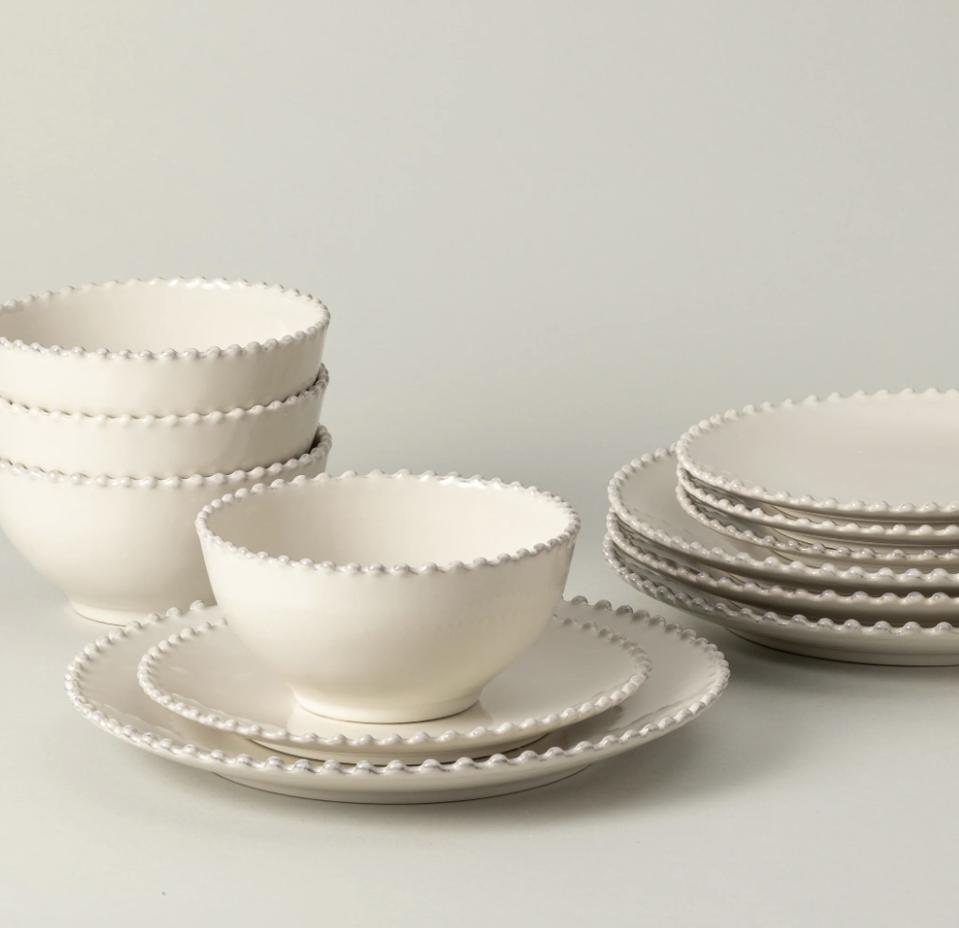
Credit: www.forbes.com
Assessing Plate Damage
Assessing the damage to your plates is the crucial first step before deciding on replacements. Not every flaw means a plate is ruined, but some damages can affect safety and appearance. Knowing how to spot and evaluate these issues helps you save money and maintain your set’s charm.
Identifying Cracks And Chips
Look closely at each plate under good lighting. Cracks often appear as thin lines on the surface or edges, while chips are small missing pieces, usually around the rim. Even hairline cracks can grow over time, especially with regular use or washing.
Try tapping the plate gently with your fingernail or a utensil. A clear ringing sound usually means the plate is intact, while a dull thud can signal internal cracks. Have you ever noticed a plate feeling weaker or more fragile after a minor impact? That’s a sign to inspect it carefully.
Determining Replacement Necessity
Ask yourself how the damage affects the plate’s function and appearance. If a chip is small and away from the edge, you might keep the plate for casual use. But cracks that penetrate deep or compromise the plate’s structure require replacement to avoid injury or further breakage.
Consider how much the damage stands out in your set. Does it disrupt the overall look? If you host guests often, a visibly damaged plate might not be worth keeping. Sometimes, replacing just one plate can restore balance and keep your collection looking fresh.

Credit: hfcoors.com
Matching Replacement Plates
Matching replacement plates can be a tricky task, especially if your set is older or rare. Getting the right fit means more than just color or shape; it’s about preserving the harmony of your collection. The goal is to find plates that feel like they’ve always belonged to your set, maintaining both function and style.
Checking Brand And Pattern
Start by identifying the brand of your plate set. Brands often have unique marks or stamps on the back that reveal the manufacturer and sometimes the production year. This information is your key to locating the exact pattern or a close match.
Patterns can be subtle or bold, so take clear photos from different angles. Pay attention to details like edge design, color tones, and any decorative motifs. These small elements can make all the difference when comparing potential replacements.
Sourcing Replacement Options
Once you know the brand and pattern, your search becomes more focused. Check out online marketplaces, vintage shops, and specialty dealers that might carry individual plates or entire sets from your brand.
- Look for online communities or forums dedicated to dishware collectors; members often trade or sell plates.
- Consider auction sites where rare pieces sometimes appear.
- Don’t overlook local thrift stores or estate sales; hidden gems often surface there.
Have you ever found a perfect replacement plate only to realize it didn’t quite match in size or glaze? That’s why asking sellers about exact measurements and condition can save you from disappointing surprises.
Preparing For Replacement
Preparing for the replacement of individual plates in a larger set is crucial to ensure a smooth and damage-free process. Taking the time to clean the surrounding plates and gather the right tools can save you frustration and prevent further issues. Have you ever started a project without the proper setup and wished you had paused to organize? This step helps you avoid that.
Cleaning Surrounding Plates
Before removing the plate you want to replace, clean the surrounding plates carefully. Dust, grease, or leftover food particles can interfere with the fit of the new plate or even cause damage during removal. Use a soft cloth with mild soap and water to gently wipe the edges and surfaces around the plate.
Be cautious not to use abrasive materials that can scratch the plates. This small effort ensures that your new plate will sit perfectly and look seamless with the rest of the set.
Gathering Necessary Tools
Having the right tools ready is essential. Depending on your plate set, you might need:
- A flathead or Phillips screwdriver
- Replacement screws or fasteners
- Soft cloth or rubber gloves for handling plates
- A small pry tool or plastic card to help lift the plate
Think about the last time you started a task and had to stop halfway to find a missing tool. Avoid that by preparing everything upfront. Also, check if your replacement plate comes with any special installation instructions or accessories to ensure compatibility.
Removing The Damaged Plate
Removing the damaged plate from a larger set requires care and attention. The goal is to take out the broken piece without causing harm to yourself or the rest of the set. Proper handling helps keep the plates safe for future use. The process also ensures the other plates stay in place and avoid damage.
Handling Plates Safely
Hold the plate firmly but gently. Use both hands if needed. Support the plate from the bottom to avoid drops. Avoid gripping too tightly to prevent cracks or chips. Clear your workspace to avoid accidents. Wear gloves if the plate edges are sharp or broken. Keep children and pets away during the removal process.
Removing Without Affecting Others
Lift the damaged plate straight up to avoid shifting nearby plates. Slide your hand under the plate if possible. Pull slowly and steadily. Do not twist or jerk the plate, as this can disturb others. If plates are stacked tightly, wiggle the plate gently to loosen it. Use a soft cloth or padding between plates to protect them in the future.
Installing The New Plate
Carefully remove the damaged plate from the set by loosening any screws or clips. Align the new plate precisely and secure it firmly in place. Check that it fits well with the surrounding plates to ensure stability.
Installing the New Plate Replacing a plate in a larger set can seem daunting. But with careful steps, it becomes simple. The key is to ensure proper installation. This maintains the integrity of the set. Follow these steps to make sure your new plate fits perfectly.Positioning The Replacement Correctly
Place the new plate where the old one was. Align it with surrounding plates. Check if it sits flat on the surface. Ensure edges match those of nearby plates. This prevents uneven gaps. Adjust as needed for a snug fit.Securing The Plate In Place
Once positioned, secure the plate firmly. Use screws or fasteners provided. Tighten them gently, avoiding over-tightening. This keeps the plate stable. Test by pressing lightly on the plate. It should not wobble or shift. Make adjustments if necessary.Post-replacement Care
After replacing individual plates in a larger set, caring for the set is crucial. Proper post-replacement care helps keep the set stable and prevents future damage. This ensures the set lasts longer and looks good on your table.
Inspecting The Set For Stability
Check the entire set carefully after the replacement. Look for any loose plates or uneven stacking. Gently press on each plate to see if it moves or wobbles. Make sure the replaced plate fits well with the others. Stability keeps the set safe and prevents accidents.
Maintaining Plates To Prevent Future Damage
Clean plates with mild soap and soft cloths to avoid scratches. Avoid harsh chemicals that can weaken the material. Store plates in a dry, cool place to prevent cracks from moisture or heat. Use separators or soft cloths between plates to stop chipping. Handle plates with care during washing and stacking.

Credit: www.forbes.com
Frequently Asked Questions
How Do I Find Matching Replacement Plates?
Check the brand and pattern number on your plates. Contact the manufacturer or search online marketplaces for matching sets. Antique shops and specialty stores may also have individual plates that match your larger set.
Can I Replace Only One Plate From A Set?
Yes, replacing a single plate is possible. Just ensure the replacement matches the design, size, and color of your existing set to maintain uniformity.
What Should I Consider Before Buying Replacement Plates?
Consider the material, pattern, and size of your current plates. Verify if the replacement is dishwasher and microwave safe for practical use.
Where Can I Buy Individual Replacement Plates?
Try manufacturer websites, online retailers, or specialty dinnerware stores. Auction sites and local thrift shops can also have unique individual plates.
Conclusion
Replacing individual plates in a larger set is easier than it seems. Small steps help avoid mistakes and save time. Always check the plate size and design first. Keep your set looking complete and neat. This way, your dishes stay useful and beautiful for years.
Taking care of your plates protects your investment. Now, you can confidently swap out any plate you need. Simple actions keep your kitchen organized and ready for guests. Try it yourself and enjoy a fresh, matching set.