

Are you tired of running out of foam soap at the worst moments? Refilling your foam soap dispenser might seem tricky, but it’s easier than you think.
With just a few simple steps, you can keep your dispenser full and ready to use whenever you need it. In this guide, you’ll learn exactly how to refill your foam soap dispenser quickly and without any mess. Keep reading to save time, avoid frustration, and make handwashing more enjoyable every day.
Choosing The Right Foam Soap
Choosing the right foam soap is key to getting the best experience from your foam soap dispenser. The soap you pick affects not only the cleanliness but also the feel of your skin and the dispenser’s lifespan. Let’s look at what makes a foam soap suitable and how to select one that fits your needs perfectly.
Types Of Foam Soaps
Foam soaps come in various types, each designed for different purposes and skin types.
- Antibacterial Foam Soap:Contains agents to kill germs quickly, ideal for kitchens and bathrooms.
- Moisturizing Foam Soap:Formulated with added moisturizers to prevent dry skin, great for frequent hand washers.
- Fragrance-Free Foam Soap:Perfect for sensitive skin or those who prefer no scent.
- Eco-Friendly Foam Soap:Made with biodegradable ingredients, suitable for environmentally conscious users.
Which type fits your daily routine best? Think about where you use the dispenser and who will use it most.
Ingredients To Consider
Look at the soap’s ingredients carefully. Simple and natural ingredients often work better for your skin.
- Glycerin:Helps keep skin hydrated.
- Aloe Vera:Soothes and reduces irritation.
- Essential Oils:Add natural fragrance and extra skin benefits.
Choosing soaps with these ingredients can make your handwashing more pleasant and gentle.
Avoiding Harsh Chemicals
Harsh chemicals can dry out your skin and damage your dispenser over time.
- Sulfates:Can strip natural oils from your skin.
- Parabens:Often used as preservatives but may cause allergic reactions.
- Triclosan:An antibacterial agent linked to health concerns.
Have you noticed your skin feeling tight or irritated after washing? It might be time to switch to a gentler foam soap without these harsh additives.
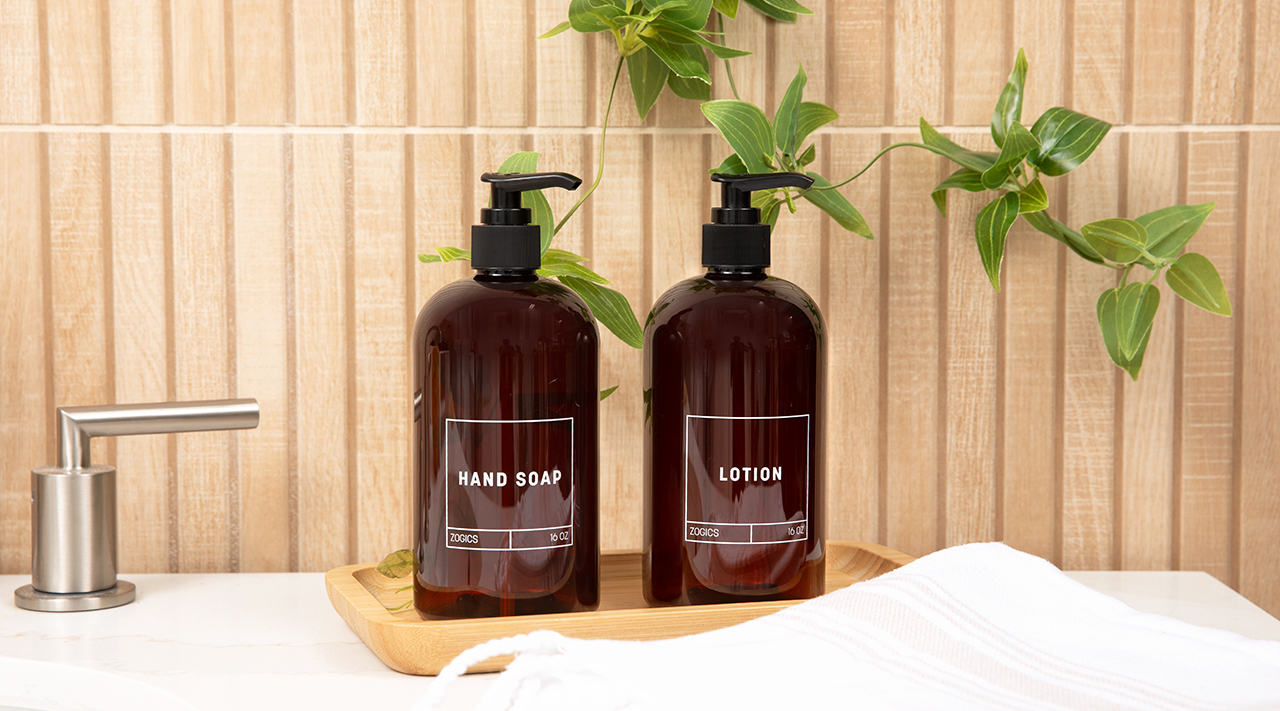
Credit: zogics.com
Preparing The Dispenser
Before you pour in fresh foam soap, getting your dispenser ready makes all the difference. A clean and well-maintained dispenser works smoothly and keeps your soap fresh longer. Taking a few minutes to prepare it properly prevents clogs and keeps your bathroom or kitchen hygienic.
Cleaning The Bottle
Start by rinsing the empty bottle with warm water. This removes any leftover soap and dirt that could mix with the new soap and cause buildup. If the bottle feels greasy, add a little dish soap and scrub gently with a soft brush or cloth.
Rinse thoroughly to make sure no soap suds remain. Let the bottle air dry completely to avoid diluting the new soap. Have you noticed your soap getting watery before? It’s often because the bottle wasn’t dry enough.
Removing Old Soap Residue
Soap residue can harden inside the dispenser, blocking the pump. Use a cotton swab or a small brush to reach tight spots and clear away any dried soap. This step might seem small, but it saves you from frustrating clogs later.
If the residue is stubborn, soak the bottle in warm vinegar for 10 minutes. Vinegar breaks down soap scum naturally without damaging your dispenser. After soaking, rinse well and dry.
Checking The Pump Mechanism
Before filling, test the pump by pressing it a few times. If it feels stiff or stuck, clean the nozzle with warm water and a toothpick to clear any blockages. Sometimes, trapped soap dries inside the pump and stops it from working properly.
Also, check if the spring inside the pump is intact and moves freely. A broken or jammed spring means you’ll need a replacement pump to avoid wasting soap. Have you ever refilled only to find the pump won’t work? Checking now saves you that hassle.
Step-by-step Refill Process
Refilling your foam soap dispenser is a simple task that keeps your bathroom or kitchen neat and eco-friendly. Knowing the exact steps helps prevent mess and ensures your dispenser works smoothly every time. Let’s walk through the process so you can do it quickly and confidently.
Opening The Dispenser
Start by locating the dispenser’s pump top. Most foam soap dispensers have a twist-off or pull-up mechanism. Gently twist or lift the top to remove it without forcing, which could break the pump.
If it feels stuck, try turning it counterclockwise with a bit more pressure or check for a locking tab. Have you noticed how some dispensers hide the refill cap better than others? That small design difference can make all the difference.
Mixing Soap Concentrate With Water
Foam soap requires a specific ratio of soap concentrate to water to create that perfect lather. Usually, the mix is about 1 part soap concentrate to 3 or 4 parts water. Check the label on your soap bottle for exact instructions.
Use warm water to help the soap dissolve evenly. Pour the concentrate into a clean container first, then add water slowly while stirring gently. This prevents bubbles and ensures the solution is well blended before filling your dispenser.
Filling The Bottle Correctly
Pour your soap mixture slowly into the dispenser’s bottle, stopping before the neck to avoid spills. Filling it about three-quarters full leaves enough room for the pump mechanism to work properly. Overfilling can cause leaks or poor foam quality.
Use a funnel if you have one to keep the process tidy. Have you ever tried refilling without one and ended up with soap everywhere? It’s a simple tool that saves a lot of cleanup time.
Reassembling The Dispenser
Once filled, carefully screw or press the pump top back onto the bottle. Make sure it’s secure but don’t overtighten, which can damage the threads. Test the pump a few times to prime the soap and check that it dispenses foam evenly.
If the pump doesn’t work right away, a few firm presses usually fix it. If problems persist, check for clogs or air bubbles trapped inside. Your dispenser should now be ready to deliver smooth, rich foam every time you need it.
Troubleshooting Common Issues
Troubleshooting common issues with foam soap dispensers saves time and frustration. Problems often arise from simple causes. Identifying these issues helps restore smooth operation quickly.
Check for blockages, incorrect soap thickness, or pump damage. Most fixes require basic steps anyone can follow. Keep your dispenser working well with these tips.
Pump Not Working Properly
A pump may stop working due to clogging or air pockets. Remove the pump and rinse it under warm water. Press the pump several times to clear air bubbles.
Ensure the pump is tightly screwed back onto the bottle. Loose fitting can cause the pump to fail. Test the pump by pressing it slowly and steadily.
Soap Too Thin Or Thick
Soap that is too thin may leak or fail to foam. Add a small amount of foaming soap concentrate to thicken it. Stir gently to mix without creating bubbles.
Thick soap can clog the pump. Dilute it with water gradually. Test the soap consistency by pressing the pump after each adjustment.
Foam Quality Problems
Poor foam quality often results from wrong soap type or dirty parts. Use only soap designed for foam dispensers. Avoid regular liquid soap or dish soap.
Clean the dispenser parts regularly. Soap residue and dirt reduce foam quality. Rinse the pump and bottle with warm water and dry before refilling.
Tips For Maintaining Your Dispenser
Keep the dispenser clean to avoid clogs and ensure smooth foam flow. Use only the recommended foam soap refill for best results. Refill gently to prevent spills and maintain dispenser function.
Maintaining your foam soap dispenser is key to ensuring it works efficiently and lasts longer. Regular upkeep not only extends the life of your dispenser but also ensures that you always have access to fresh, clean soap. Let’s dive into some practical tips to keep your dispenser in top shape.
Regular Cleaning Schedule
Creating a regular cleaning schedule for your dispenser can make a huge difference in its performance. Consider cleaning it every month to prevent soap buildup and clogging. Simply rinsing it with warm water and a mild detergent can help maintain its functionality. Have you ever noticed a decrease in foam quality? This might be a sign that your dispenser needs cleaning. By sticking to a routine, you ensure that every use is as effective as the first.
Storing Foam Soap Properly
Proper storage of foam soap is crucial. Always keep your soap in a cool, dry place to preserve its quality. Exposure to extreme temperatures can alter the consistency of the soap and affect its foaming action. Think about where you store your soap. Is it near a window where sunlight might degrade it? By simply adjusting its location, you can prolong its effectiveness and save yourself from frequent refills.
Extending Dispenser Lifespan
Want your dispenser to last longer? Avoid using overly thick or concentrated soap, as it can clog the mechanism. Opt for products specifically designed for foam dispensers. Consider how you handle your dispenser. Are you pressing the pump too hard? Gentle usage can prevent wear and tear, ensuring that your dispenser serves you well for years. Taking these steps not only saves you money but also reduces waste. What’s one small change you can make today to improve your dispenser’s longevity?
Credit: www.tiktok.com
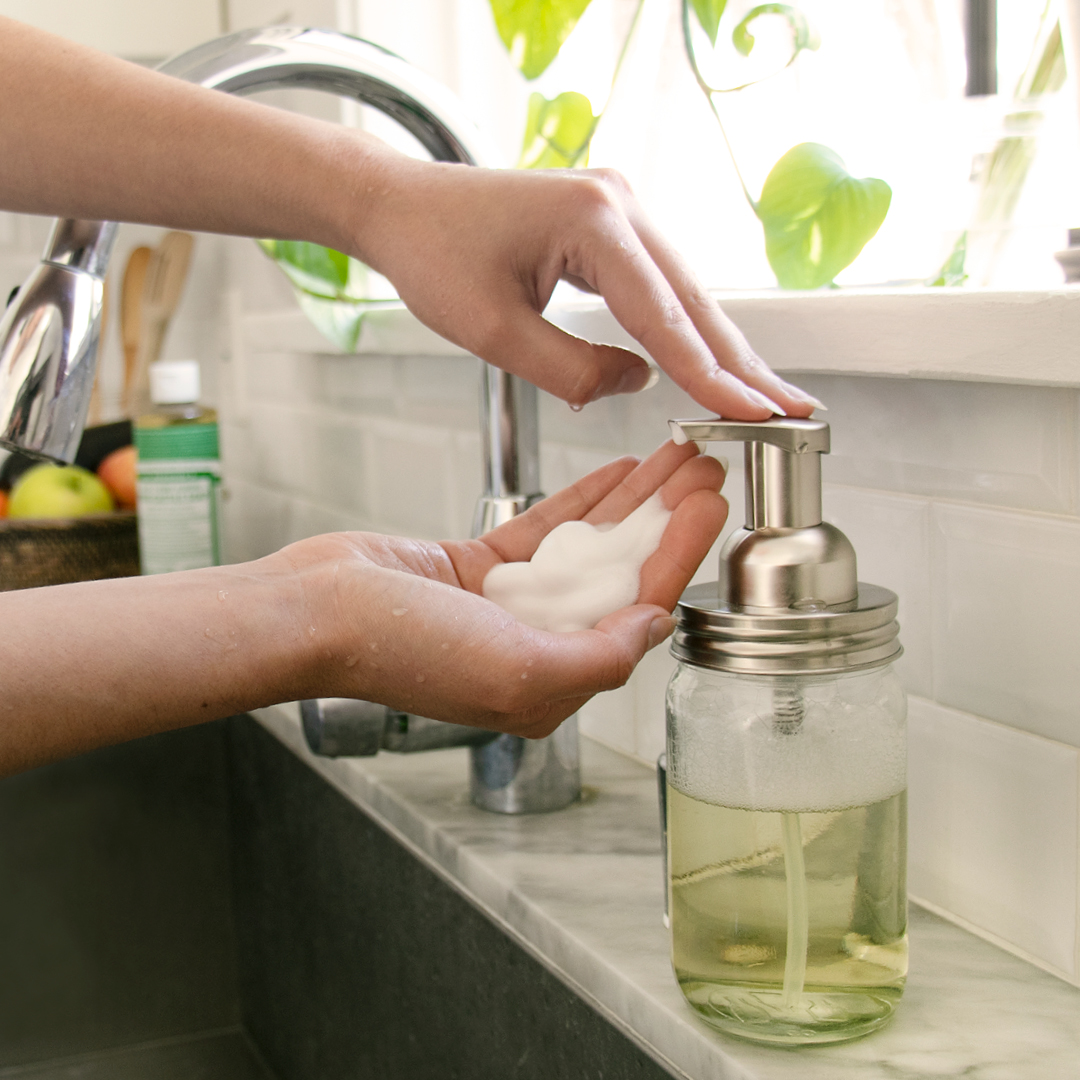
Credit: www.lisabronner.com
Frequently Asked Questions
How Do I Refill A Foam Soap Dispenser Easily?
To refill, remove the dispenser pump and fill the bottle with foaming soap solution. Avoid overfilling to prevent spills. Secure the pump back tightly and test the foam output.
Can I Use Regular Soap In A Foam Dispenser?
No, regular soap is too thick for foam dispensers. Use specially formulated foaming soap or dilute liquid soap with water for best results.
How Often Should I Refill My Foam Soap Dispenser?
Refill your foam soap dispenser when the soap level is low. Frequency depends on usage but typically ranges from one to two weeks.
What Is The Best Soap Ratio For Foam Dispensers?
A common mix is one part liquid soap to three or four parts water. This ratio creates rich foam without clogging the dispenser.
Conclusion
Refilling a foam soap dispenser is simple and quick. Use the right soap mix for best foam results. Avoid overfilling to prevent leaks or clogs. Clean the dispenser regularly to keep it working well. Follow these easy steps to save money and reduce waste.
Keep your hands clean with fresh foam soap every day. Try it yourself and enjoy the convenience.