

Your silver plated cutlery adds a touch of elegance to every meal. But over time, it can lose its shine and start to look dull.
You might think polishing silver plated cutlery is tricky or time-consuming, but it doesn’t have to be. What if you could bring back that bright, beautiful finish with simple steps you can do at home? Keep reading, and you’ll discover easy and effective ways to make your cutlery sparkle again—without harsh chemicals or expensive tools.
Your next dinner will feel special with cutlery that looks brand new.
Preparing Your Cutlery
Preparing your silver plated cutlery properly sets the foundation for a successful polishing session. Taking the time to get everything ready helps you avoid damage and ensures a smooth, shiny finish. Let’s look at what you need before you start polishing.
Gathering Materials
Start by collecting all the tools and supplies you will need. This usually includes a soft cloth, mild dish soap, warm water, a non-abrasive sponge, and a silver polish or homemade polishing paste.
Having everything within reach saves time and prevents interruptions. Do you have an old toothbrush? It can be handy for cleaning tiny crevices.
Checking For Damage
Before polishing, closely inspect your cutlery for any cracks, loose parts, or worn plating. Polishing damaged silver plated items can worsen the problem or make plating wear away faster.
If you find any issues, consider whether you need professional repair or if it’s safer to skip polishing that piece. Have you noticed spots where the silver layer is very thin or missing?
Cleaning Before Polishing
Even the best polish won’t work well on dirty cutlery. Wash your silver plated pieces gently with warm water and mild soap to remove oils, dirt, and food residue.
Rinse them thoroughly and dry with a soft towel. Polishing on a clean surface helps the shine develop evenly and prevents scratches from trapped grit.
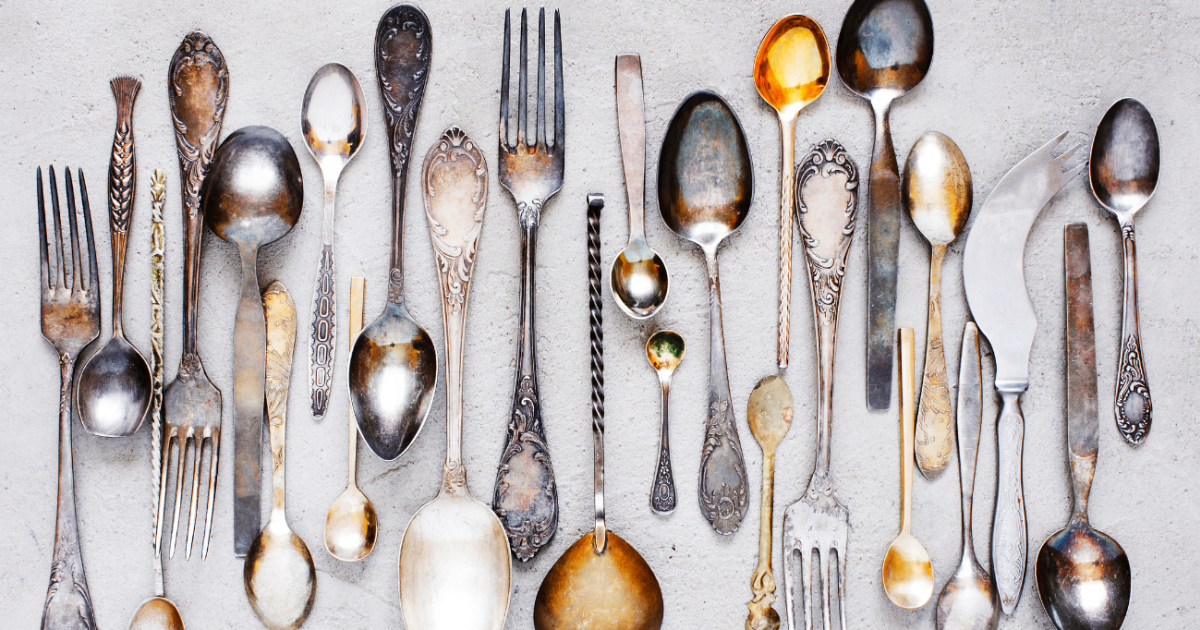
Credit: dengarden.com
Choosing The Right Polish
Choosing the right polish for your silver plated cutlery is key to keeping it shiny without causing damage. Not all polishes suit every type of silver plating, and using the wrong one can wear down the delicate surface. Understanding your options helps you pick a safe and effective product that matches your needs.
Commercial Silver Polishes
Commercial silver polishes are specially formulated to clean and protect silver plated items. They often come as creams, liquids, or gels and contain mild abrasives and chemicals to remove tarnish gently.
Look for products labeled safe for silver plating to avoid harsh ingredients. Brands like Wright’s Silver Cream or Hagerty Silver Polish are popular choices that provide excellent results without damaging the plating.
Always test a small area first. Your cutlery’s finish might react differently depending on its age and plating thickness.
Homemade Polishing Solutions
If you prefer natural options, you can create your own polish using household ingredients. A simple paste made from baking soda and water works well to lift tarnish without harsh chemicals.
Another effective method is mixing equal parts white vinegar and water for a gentle soak, followed by a soft cloth rub. These solutions are affordable and easy to customize based on how tarnished your cutlery is.
Have you tried any homemade polish before? You might find it less abrasive and more satisfying to use than commercial products.
Avoiding Harsh Chemicals
Some polishes contain strong acids or ammonia, which can strip the thin silver layer or cause permanent damage. Avoid products with bleach, acid, or abrasive powders that can scratch or dull the plating.
Steer clear of toothpaste or metal polishes not specifically designed for silver plated items. They might feel convenient but can wear down your cutlery faster over time.
Protect your investment by reading labels carefully and choosing gentler options tailored for silver plating. Your cutlery deserves a polish that cleans without compromising its shine.
Polishing Techniques
Polishing techniques help restore shine and remove tarnish from silver plated cutlery. Proper care prevents damage and keeps pieces looking beautiful. Using gentle methods protects the thin silver layer. Different tools and motions work best for various parts of the cutlery.
Hand Polishing Tips
Use gentle pressure when polishing by hand. Avoid harsh scrubbing which can wear down silver plating. Choose a mild silver polish or a homemade paste of baking soda and water. Apply polish with small, circular motions to bring out the shine. Rinse thoroughly with warm water after polishing to remove any residue. Dry the cutlery completely with a soft towel to avoid water spots.
Using Soft Cloths And Brushes
Soft cloths are ideal for polishing large flat surfaces. Microfiber cloths work well because they trap dirt and polish evenly. Use a soft-bristled brush to clean areas that cloths cannot reach. Toothbrushes or small paint brushes can help polish intricate designs. Avoid abrasive cloths or brushes that scratch the silver. Always polish gently to maintain the silver’s smooth surface.
Polishing Small Details
Small details need careful attention to avoid damage. Use cotton swabs dipped in polish for tight spots and crevices. Work slowly and carefully to cover all areas. Toothpicks wrapped in a soft cloth can reach tiny grooves. Be patient and repeat polishing if needed to remove stubborn tarnish. Finish by wiping the details with a clean, dry cloth to remove excess polish.

Credit: food52.com
Rinsing And Drying
Rinsing and drying silver plated cutlery properly is essential after polishing. It removes leftover polish and prevents water marks. A careful rinse and gentle drying keep the shine bright and smooth. Avoid rushing this step to maintain the cutlery’s beauty.
Proper Rinsing Methods
Use warm water to rinse off the polish residue carefully. Avoid hot water, as it can damage the silver plating. Hold each piece under the running water or rinse in a bowl filled with warm water. Gently rub with your fingers to remove any polish stuck in crevices. Make sure no polish remains on the surface, as it can cause dull spots later.
Drying To Prevent Spots
Use a soft, clean cloth to dry the cutlery immediately after rinsing. Microfiber or cotton cloths work best as they absorb water without scratching. Pat the pieces gently instead of rubbing hard to avoid scratches. Dry each item thoroughly to stop water spots from forming. Do not air dry, because water droplets leave marks on the silver plating.
Final Inspection
Check each piece closely under good light after drying. Look for any water spots, dull areas, or leftover polish. Use a soft cloth to buff away minor spots if needed. Ensure every piece shines evenly and feels smooth to touch. This final check keeps your cutlery looking polished and elegant.
Maintaining The Shine
Polishing silver-plated cutlery keeps it looking bright and new. Use a soft cloth with gentle polish to remove tarnish carefully. Regular cleaning prevents dullness and preserves the shine.
Maintaining the shine of your silver plated cutlery can be a delightful endeavor that adds elegance to every meal. Imagine the glint of polished silver enhancing your dining experience, inviting admiration from guests. However, keeping that sparkle requires a few simple habits and insights.Regular Cleaning Habits
Consistency is key. After each use, rinse your cutlery with warm water to prevent tarnish from setting in. Use a gentle dish soap with a soft sponge to remove any residues. Dry immediately with a soft cloth to avoid water spots. Think of it as a quick pampering session for your cutlery, ensuring it’s always ready for the next occasion.Storage Tips
Proper storage prevents unnecessary tarnishing. Wrap each piece in acid-free tissue paper or anti-tarnish cloth to shield it from air and moisture. Consider a dedicated drawer or box lined with felt to cushion and protect your cutlery. How do you store yours? Could a simple upgrade make a noticeable difference?When To Re-polish
Even with regular care, occasional re-polishing keeps your silverware dazzling. Look for signs like dullness or minor tarnish. Using a good silver polish, gently buff the pieces until they regain their luster. It’s not just maintenance; it’s a chance to reconnect with the beauty of your collection.
Credit: www.youtube.com
Frequently Asked Questions
How Do I Safely Polish Silver Plated Cutlery?
Use a soft cloth and gentle silver polish. Avoid abrasive cleaners to prevent damage. Rinse thoroughly and dry with a clean towel.
What Household Items Can Polish Silver Plated Cutlery?
Baking soda, vinegar, and lemon juice work well. Mix with water to create a paste. Apply gently and rinse off completely.
How Often Should I Polish Silver Plated Cutlery?
Polish every few months or when tarnish appears. Frequent polishing can wear the silver layer. Store cutlery properly to reduce tarnishing.
Can I Use Toothpaste To Clean Silver Plated Cutlery?
Yes, non-gel toothpaste can be a mild polish. Apply with a soft cloth, rub gently, and rinse well to avoid residue.
Conclusion
Polishing silver plated cutlery keeps it shiny and beautiful. Use gentle cleaners and soft cloths to avoid damage. Clean regularly to stop tarnish from building up. Small care steps help your cutlery last longer. Enjoy your bright and clean tableware every day.
Simple habits make a big difference in silver care. Keep your cutlery looking its best with easy polishing tips. Your efforts show in every sparkling piece on your table.