

Have you ever struggled to open a soap dispenser mounted on the wall? It can be frustrating when you need to refill or clean it, but the dispenser just won’t budge.
Knowing the right way to open it can save you time and prevent damage. You’ll discover simple, step-by-step tips to unlock your wall-mounted soap dispenser easily and safely. Keep reading, and you’ll never worry about getting stuck again.

Credit: tanstella.com.au
Tools Needed
Before you start opening a soap dispenser mounted on the wall, gathering the right tools is essential. Having everything ready saves time and prevents frustration. It also ensures you don’t damage the dispenser or the wall during the process.
Common Tools
You will usually need a few basic tools to open most wall-mounted soap dispensers. A flathead screwdriver or a small pry tool often works well to gently pop open the dispenser cover. Sometimes, a Phillips screwdriver is necessary if screws secure the dispenser.
Other helpful items include:
- A flashlight to see inside tight or dark spaces.
- A utility knife or small blade to cut through any seal or tape.
- A pair of pliers for gripping small parts or removing stuck pieces.
Have you ever tried opening a dispenser without the right screwdriver? It quickly becomes clear why the proper tools matter.
Safety Equipment
Protecting yourself during the task is just as important as having the right tools. Wearing gloves can prevent cuts from sharp edges inside the dispenser. Plus, gloves keep your hands clean from soap residue or cleaning chemicals.
Eye protection is worth considering too. Sometimes, old soap or water can splash unexpectedly when opening the dispenser. Simple safety goggles or glasses shield your eyes from any surprises.
Remember, a careful approach combined with safety gear keeps the job smooth and accident-free. What safety gear do you usually keep handy for small home repairs?
Identify The Dispenser Type
Identifying the type of soap dispenser is key before opening it. Each model has a unique design and unlocking method. Knowing the type helps avoid damage and ensures smooth access to refill or repair. Look closely at the dispenser’s shape, buttons, or sensors.
Push Button Models
Push button dispensers have a simple design. They usually have a plastic or metal button to press. The top or front panel often snaps off or twists open. Some models require gentle prying under the button area. These dispensers are common in public restrooms.
Lever Operated Dispensers
Lever operated units feature a small lever or handle. The lever may lift or push to release soap. Opening these often involves lifting the lever and pulling the cover forward. Some have a lock near the lever to secure the dispenser. They are sturdy and used in busy places.
Sensor-activated Units
Sensor-activated dispensers open differently. They have a sensor window and no buttons. Often, the top cover releases by pressing a hidden latch or unlocking a key slot. These units use batteries inside, so opening requires care. Sensor dispensers offer touch-free soap dispensing for hygiene.
Locate The Opening Mechanism
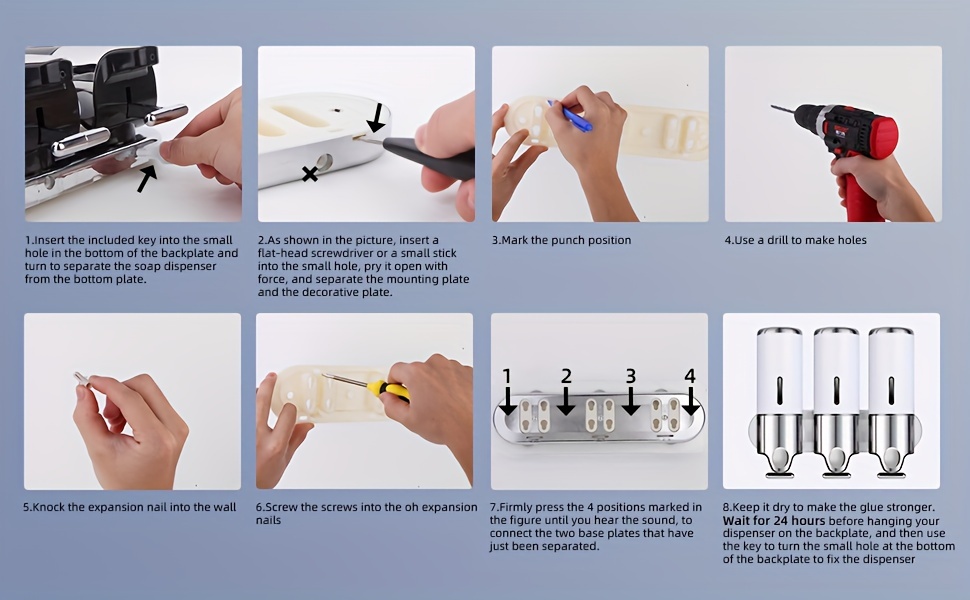
Locating the opening mechanism on a wall-mounted soap dispenser is the first key step. This step helps you open the dispenser without causing damage. Different dispensers have different ways to open. Some use hidden clips, others use screws, and some have twist-off caps. Understanding these options will save time and effort.
Hidden Clips And Latches
Many soap dispensers use hidden clips or latches to keep the cover secure. These clips are often located along the edges or back of the dispenser. You may need to press or slide them gently to release the cover. Use your fingers or a flat tool carefully to avoid breaking the clips.
Visible Screws
Some dispensers have visible screws that hold the cover in place. Check around the front or sides for small screws. A screwdriver can remove these screws easily. Keep the screws safe after removal, so you can close the dispenser again later.
Twist-off Caps
Other dispensers come with twist-off caps on top or bottom. Grip the cap firmly and twist it counterclockwise. It may require a little force but should open without tools. Once open, you can refill or clean the dispenser inside.
Credit: www.temu.com
Remove The Dispenser Cover
Removing the cover of a wall-mounted soap dispenser is often the first challenge when you need to refill or fix it. Covers come in different designs, and knowing the right way to open yours saves time and avoids damage. Let’s look at practical ways to get that cover off smoothly.
Releasing Clips
Many dispensers use clips to hold the cover in place. Check for small tabs or edges around the cover where you can gently press or pull. You might hear a soft click as the clips release.
If you find the clips hard to reach, try using a flat-head screwdriver or a plastic pry tool. Insert it carefully to avoid scratching the surface. Have you noticed how some clips are hidden under a small lip? That’s designed to keep the cover secure but can be tricky the first time.
Unscrewing Components
Some soap dispensers have screws securing the cover. Look for visible screws on the front or sides, or sometimes under a small plastic cap. Use the right screwdriver size to avoid stripping the screws.
Keep screws in a small container so you don’t lose them. If the dispenser has a security feature, you may need a special key or tool—check the product manual or manufacturer’s website for specifics. Have you ever tried using the wrong screwdriver and ended up damaging the screw head? It’s frustrating and slows you down.
Twisting And Lifting
Certain models use a twist-lock mechanism. Try turning the cover gently clockwise or counterclockwise—it usually requires a small rotation, around 15 to 45 degrees. After twisting, the cover should lift off easily.
If it doesn’t budge, avoid forcing it. Look for arrows or instructions molded into the plastic that show the direction to twist. Sometimes, a slight push while twisting helps release the lock. What’s your experience with twist-lock covers? They can feel stubborn but usually give way with the right angle and pressure.
Access The Soap Reservoir
Locate the release button or latch on the dispenser’s side or bottom. Press or slide it to open the reservoir. Access the soap tank by gently pulling the cover away from the wall.
Access the soap reservoir is the first step in maintaining your wall-mounted dispenser. This process is simple, making it easy to keep your dispenser functioning well. By ensuring the reservoir is clean and full, you can prevent blockages and ensure smooth operation. Follow these guidelines for accessing and managing the soap reservoir.Refilling Instructions
To refill your dispenser, locate the access panel. Usually, this panel is at the top or front. Open it gently to reveal the reservoir inside. Use an appropriate funnel to avoid spills. Pour in the liquid soap slowly until the reservoir is full. Close the panel securely to prevent leaks. Always check for any dripping before finishing. This ensures your dispenser remains clean and efficient.Cleaning Tips
Regular cleaning is crucial for your soap dispenser. Begin by opening the access panel and removing the reservoir. Rinse the reservoir with warm water to remove any soap residue. For stubborn dirt, use a mild detergent and scrub gently. Dry thoroughly before reinserting to avoid mold. Check the dispenser’s nozzle for blockages. Cleaning ensures consistent flow and prolongs the dispenser’s life.Troubleshooting Common Issues
Opening a soap dispenser on the wall can sometimes be trickier than expected. You might face issues like stuck covers, broken clips, or leaks that make the task frustrating. Understanding how to troubleshoot these common problems can save you time and prevent damage to your dispenser.
Stuck Covers
Stuck covers are a frequent headache. Dirt, soap residue, or dried liquid can glue the cover shut.
Try gently twisting or sliding the cover while applying slight pressure. Using a soft cloth soaked in warm water can help loosen the grime around the edges.
If the cover still won’t budge, avoid forcing it too hard—you risk breaking the dispenser. Instead, use a plastic scraper or a credit card edge to carefully pry it open.
Broken Clips
Clips hold the dispenser cover firmly in place but can break over time due to frequent use or rough handling.
If you notice a broken clip, check if the dispenser is still securely attached to the wall. Loose clips can cause the dispenser to fall or leak.
Replacing clips may require ordering parts from the manufacturer or using strong adhesive tape as a temporary fix. Have you ever tried fixing a broken clip with hot glue? It’s a quick, effective trick to keep things together until a proper replacement arrives.
Leaking Dispensers
Leaks not only waste soap but can damage your wall and floor. Common causes include cracked containers, loose fittings, or worn-out seals.
Inspect the dispenser for visible cracks or gaps around the nozzle and base. Tighten any loose parts and clean the seals thoroughly.
If leaks persist, consider swapping out old seals or replacing the entire dispenser. Have you ever ignored a small leak only to regret it later? Addressing leaks early prevents bigger problems down the line.
Reassemble The Dispenser
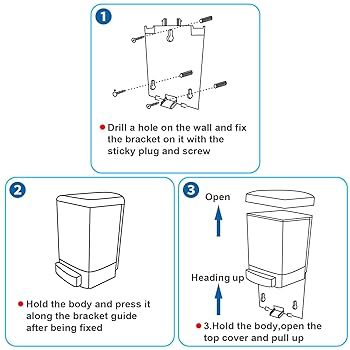
Reassembling the soap dispenser is key to restore its function. It needs careful handling to fit all parts correctly. Take your time to avoid any damage or leaks. Follow these steps to put the dispenser back on the wall properly.
Aligning Parts
Start by matching each part to its original position. Look for grooves or slots where pieces fit together. Hold the dispenser parts close and check the alignment carefully. Misaligned parts can cause the dispenser to jam or leak. Make sure the pump mechanism lines up with the soap container. This step sets the foundation for a smooth reassembly.
Securing The Cover
Place the cover gently over the aligned parts. Press down evenly to snap it into place. Some models use screws; tighten them without overdoing it. Use a screwdriver if needed, turning until snug. A loose cover can fall off or let soap spill out. Check that all edges sit flush against the wall or base. This keeps the dispenser stable and ready to use.
Testing Functionality
Push the pump a few times to test the flow. Soap should come out smoothly without resistance. If it feels stuck, open and realign parts again. Check for leaks around the cover and container. Make sure the dispenser is firmly attached to the wall. Testing ensures the dispenser works well and lasts longer.
Credit: www.amazon.ca
Frequently Asked Questions
How Do I Unlock A Wall-mounted Soap Dispenser?
To unlock, locate the locking mechanism on top or side. Use a key or press a release button. Gently lift or twist the dispenser cover to open it safely.
What Tools Are Needed To Open A Soap Dispenser?
Usually, no tools are required. Some dispensers need a small flathead screwdriver or a key provided by the manufacturer. Always check the dispenser model for specific instructions.
How Can I Prevent Damage When Opening Soap Dispensers?
Open slowly and avoid forcing the cover. Use the correct key or button to unlock. Follow manufacturer guidelines to prevent breaking clips or seals.
Why Won’t My Soap Dispenser Open?
It might be locked or stuck due to dried soap residue. Try using gentle pressure on the release mechanism. If stuck, clean around the edges carefully before trying again.
Conclusion
Opening a soap dispenser on the wall is simple with the right steps. Start by finding the release button or latch. Gently press or slide it to unlock the dispenser. Pull the front cover carefully to avoid damage. Keep the parts clean to make refilling easy next time.
Following these tips saves time and keeps your soap dispenser working well. Now, you can refill your soap dispenser without any trouble. A small effort brings big convenience.