

If you’ve ever tried making sticky rice at home, you know it can be tricky to get just right. But what if you could make perfectly soft, chewy sticky rice with almost no effort?
Using a rice cooker is the secret many people don’t know about. In this post, you’ll discover simple steps to make sticky rice that’s just as delicious as what you get at your favorite restaurant. Ready to impress your taste buds and make mealtime easier?
Keep reading to learn how to turn your rice cooker into a sticky rice master.

Credit: www.hungryhuy.com
Choosing The Right Rice
Choosing the right rice is key to making perfect sticky rice in a rice cooker. Sticky rice has a unique texture and taste. Picking the correct type ensures your dish turns out soft and chewy. Not all rice varieties work for sticky rice recipes. Knowing the differences helps you select the best option for your meal.
Types Of Sticky Rice
Sticky rice is also called glutinous rice or sweet rice. It has a high starch content, which makes it sticky when cooked. There are two main types:
- White Sticky Rice:Most common and easy to find. It has a mild flavor and soft texture.
- Purple Sticky Rice:Has a nutty taste and a deep purple color. Often used in desserts.
Both types work well in a rice cooker. Choose based on your recipe and flavor preference.
Where To Buy Sticky Rice
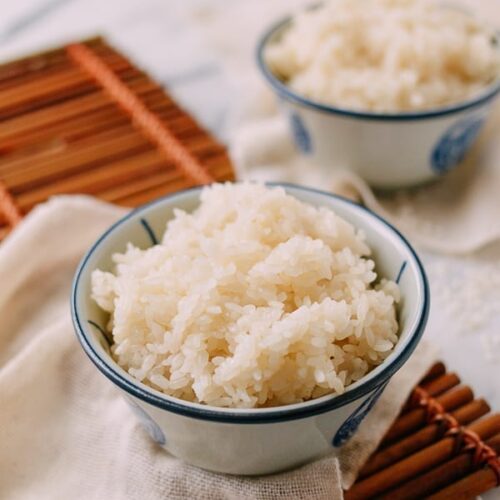
Sticky rice is available in many grocery stores and online markets. Asian supermarkets usually have the widest selection. You can also find it in the international aisle of large supermarkets. Buying from reliable sources ensures quality rice. Check the packaging for freshness and expiration dates.
Credit: thewoksoflife.com
Preparing Sticky Rice
Preparing sticky rice properly sets the foundation for a perfect texture. It involves cleaning the rice and letting it rest in water. These steps help the rice grains absorb moisture evenly. Proper preparation ensures the rice cooks well in a rice cooker and turns out sticky and tender.
Washing The Rice
Start by measuring the sticky rice you want to cook. Place it in a large bowl. Fill the bowl with cold water. Gently rub the rice with your hands. This removes excess starch and dirt. Drain the water carefully. Repeat washing until the water runs clear. Usually, 3 to 4 washes are enough. Clean rice prevents clumping and makes the grains separate nicely after cooking.
Soaking Time Tips
Soaking sticky rice is essential. It softens the grains and helps even cooking. Pour fresh water over the washed rice. Make sure the water covers the rice by at least 2 inches. Let the rice soak for 4 to 6 hours. For best results, soak overnight. Avoid soaking for too long, over 12 hours, as rice can ferment. Drain the rice well before placing it in the rice cooker. Proper soaking creates the perfect sticky rice texture.
Using The Rice Cooker
Using a rice cooker simplifies making sticky rice. It controls temperature and cooking time precisely. This tool helps achieve the perfect texture without constant watching. Follow simple tips for best results with sticky rice.
Rice To Water Ratio
Getting the right rice to water ratio is key. Use less water than regular rice. Sticky rice needs just enough water to steam. Too much water makes it mushy.
- For 1 cup of sticky rice, add about 1 cup of water.
- Rinse the rice until water runs clear before cooking.
- Let the rice soak for 30 minutes if possible.
Selecting The Right Cooking Setting
Choose the correct setting on your rice cooker. Use the “sticky rice” or “sweet rice” mode if available. These settings adjust time and heat for sticky rice.
If your cooker lacks these options, use the regular white rice setting. Let the rice rest inside the cooker for 10 minutes after cooking. This helps the rice finish steaming and become stickier.

Credit: www.hungryhuy.com
Cooking Process
Cooking sticky rice in a rice cooker is easier than many expect, but the process requires careful attention to detail. The key lies not just in starting the cooker but also in what happens after the rice stops cooking. These steps ensure your sticky rice turns out perfectly tender and clumps together just right.
Starting The Cooker
After rinsing your sticky rice thoroughly to remove excess starch, place it in the rice cooker with the correct amount of water. Usually, the water level should be just enough to cover the rice, about 1:1 ratio, but this can vary slightly depending on your rice cooker model.
Press the cook button and let the cooker run its cycle. Avoid opening the lid during cooking; every interruption can affect the rice’s texture. Have you noticed how even a slight disturbance can make your sticky rice less sticky?
Resting The Rice After Cooking
Once the cooker switches to the “keep warm” mode, resist the urge to scoop out the rice immediately. Let the rice rest inside the cooker with the lid closed for at least 10 to 15 minutes.
This resting period allows steam to redistribute evenly, firming up the grains and enhancing stickiness. Think of it as the rice’s final stage to reach its ideal texture—impatiently opening the cooker can make your sticky rice less cohesive.
Try fluffing the rice gently with a rice paddle after resting. You’ll notice the difference in how the grains hold together perfectly without being mushy.
Serving Suggestions
Serving sticky rice straight from your rice cooker is just the beginning. How you pair and present it can transform a simple meal into a memorable experience. Whether you stick to traditional combinations or experiment with new flavors, the way you serve sticky rice can highlight its unique texture and taste.
Traditional Pairings
Sticky rice shines when paired with classic dishes. It perfectly complements grilled meats like Thai satay or Laotian larb, soaking up savory sauces with ease.
Don’t forget the sweet side—mango sticky rice is a beloved dessert that balances creamy coconut milk with fresh fruit. You might want to try sticky rice alongside spicy papaya salad or steamed fish for an authentic taste of Southeast Asia.
Creative Serving Ideas
Why limit sticky rice to traditional meals? You can turn it into a base for rice bowls topped with sautéed vegetables and fried eggs. Mixing in herbs like cilantro or mint adds fresh bursts of flavor.
Try shaping sticky rice into small patties and pan-frying them until crispy on the outside. Serve with dipping sauces like soy, chili, or peanut for a fun appetizer. Ever thought about using sticky rice in sushi rolls or even in rice puddings with a twist? Your rice cooker makes these ideas easy to try anytime.
Troubleshooting Common Issues
Even with a rice cooker, getting sticky rice just right can sometimes be tricky. You might find your rice either too sticky or too dry, or notice some grains are perfectly cooked while others remain hard. Don’t worry—these issues are common and fixable with a few simple adjustments.
Rice Too Sticky Or Too Dry
If your rice turns out too sticky, the most likely cause is using too much water. Try reducing the water slightly next time—cut back by about a tablespoon or two and see how it affects the texture.
On the other hand, if your rice is too dry or hard, it probably needs more water. Adding a little extra water before cooking can help. Also, make sure you rinse your rice thoroughly before cooking to remove excess starch, which can make rice overly sticky.
Another tip: Let the rice sit in the cooker for 10 minutes after cooking without opening the lid. This resting time lets moisture redistribute evenly.
Uneven Cooking
Uneven cooking often happens if the rice or water isn’t spread evenly in the cooker pot. Before you start, give the pot a gentle shake to level the rice and water.
Check your rice cooker’s heating plate for cleanliness and ensure the pot sits flat. A dirty or uneven surface can cause hot spots, leading to some grains cooking faster than others.
If you notice consistent uneven cooking, try stirring the rice gently halfway through the cooking process if your cooker allows it. This helps distribute heat more evenly.
Have you tried these tips yet? Adjusting water amounts and ensuring even distribution might be the game-changer your sticky rice needs.
Frequently Asked Questions
How Do I Prepare Sticky Rice For A Rice Cooker?
Rinse the sticky rice thoroughly until water runs clear. Soak it for at least 4 hours or overnight. Drain before cooking to achieve the perfect sticky texture in your rice cooker.
What Is The Ideal Water-to-rice Ratio For Sticky Rice?
Use about 1 cup of water for every 1 cup of sticky rice. Adjust slightly based on your rice cooker model for the best consistency.
Can I Use Regular Rice For Sticky Rice Recipes?
No, regular rice lacks the high amylopectin content needed. Use glutinous or sticky rice varieties for authentic sticky rice texture.
How Long Does Sticky Rice Take To Cook In A Rice Cooker?
Sticky rice usually cooks in 20 to 30 minutes. Some rice cookers have a specific sticky rice setting for optimal results.
Conclusion
Making sticky rice with a rice cooker is simple and quick. You just need the right rice and water ratio. The rice cooker does most of the work for you. This method saves time and keeps the rice soft and sticky.
Try it at home and enjoy delicious sticky rice easily. Perfect for meals or snacks. Keep practicing, and you will get better each time. Cooking sticky rice has never been this easy or convenient. Give it a go and taste the difference today.