

Are you craving a warm, comforting meal that’s easy to make and gentle on your stomach? Rice porridge is exactly what you need.
But did you know you can make it perfectly every time using your rice cooker? Whether you’re a busy parent, a student, or someone looking for a simple, healthy dish, this method saves you time and effort. Keep reading, and you’ll discover how to turn basic ingredients into a delicious, creamy porridge without standing over the stove.
Your next cozy meal is just a few steps away!
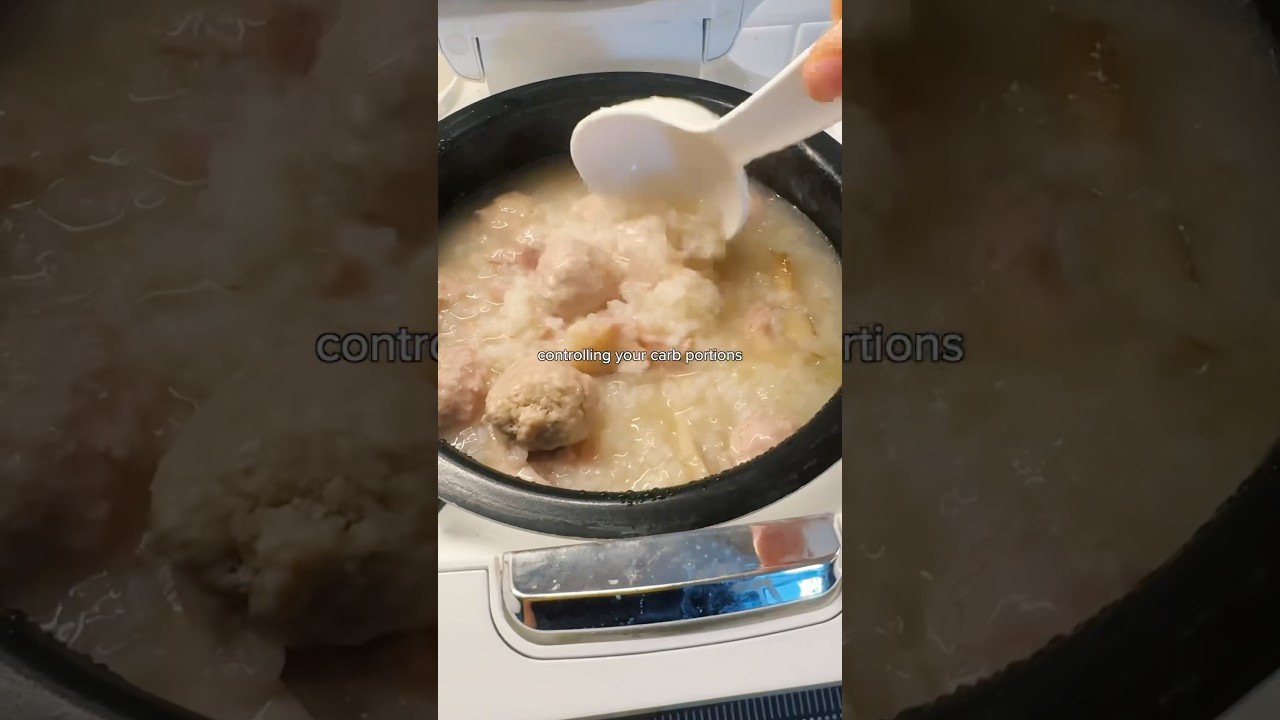
Credit: www.youtube.com
Choosing The Right Rice
Choosing the right rice is key for a creamy and smooth porridge. Different rice types change the texture and taste. Picking the proper rice makes cooking easier and the result tastier.
Types Of Rice For Porridge
Not all rice is good for porridge. Some types work better because they absorb more water and get soft quickly.
- Short-Grain Rice:Sticks together well and becomes soft and creamy.
- Medium-Grain Rice:Slightly less sticky but still good for porridge.
- Long-Grain Rice:Less sticky, keeps shape, not ideal for porridge.
- Sticky Rice (Glutinous):Very sticky, creates thick, smooth porridge.
Benefits Of Using Short-grain Rice
Short-grain rice is perfect for porridge. It has more starch, which makes the porridge thick and creamy.
This rice absorbs water well and breaks down easily during cooking. The texture becomes soft and smooth without being mushy.
Using short-grain rice also means the porridge cooks faster. It needs less stirring and is less likely to burn.

Credit: www.youtube.com
Preparing Ingredients
Preparing ingredients is the first key to making delicious rice porridge in a rice cooker. This step ensures the rice cooks evenly and the flavors blend well. Proper preparation saves time and improves the texture of your porridge. Focus on cleaning and selecting the right ingredients.
Washing The Rice
Start by measuring the rice you want to use. Place it in a bowl or directly in the rice cooker pot. Rinse the rice with cold water. Stir gently with your hand to remove excess starch. Drain the water carefully without losing rice grains. Repeat this process 2 to 3 times. Clean rice prevents the porridge from becoming too sticky. It also gives a smoother, creamier texture.
Additional Ingredients To Enhance Flavor
Rice porridge can be plain or rich in taste. Add simple ingredients to improve flavor. Try these:
- Water or broth – Use chicken or vegetable broth for more taste.
- Salt – A small pinch brings out the natural flavors.
- Ginger slices – Add warmth and a fresh aroma.
- Garlic – Provides a mild, savory note.
- Green onions – Sprinkle for color and a gentle onion flavor.
These ingredients make the porridge comforting and tasty. Adjust the amount to suit your preference.
Setting Up The Rice Cooker
Setting up your rice cooker correctly is the key to making smooth, creamy rice porridge without any hassle. Getting the basics right ensures the texture turns out just the way you like it—whether thick and hearty or light and soupy.
Measuring Rice And Water Ratio
Start by measuring the rice accurately. The usual ratio for rice porridge is about 1 part rice to 6–8 parts water. More water means a thinner porridge; less water makes it thicker.
Use a measuring cup to keep it consistent every time. If you prefer a silky texture, lean towards 8 cups of water per cup of rice. For a denser porridge, reduce the water to around 6 cups.
Have you ever wondered why some porridge turns out lumpy? It’s often because the water-to-rice ratio was off or unevenly mixed before cooking. Stir the rice and water together gently before closing the lid.
Using The Porridge Or Slow Cook Setting
Most modern rice cookers come with a porridge or slow cook setting. These settings control the temperature and cooking time perfectly for porridge.
Choose the porridge setting if your cooker has one. It’s designed to simmer the rice slowly, preventing it from burning at the bottom. If not, the slow cook option works well for a similar effect.
Remember, patience pays off here. Resist the urge to open the lid early; the slow simmer will break down the rice grains beautifully. How often do you rush through cooking only to wish the results were better? Let your rice cooker do the work while you relax.

Credit: www.instagram.com
Cooking Process
Making rice porridge in a rice cooker is simple and convenient. The cooking process needs careful attention to get the perfect texture. Using the right water-to-rice ratio and stirring at the right time helps create a smooth, creamy porridge. Follow these steps for a delicious result.
Starting The Cooker
Rinse the rice until the water runs clear. Add rice and water into the rice cooker bowl. Use about five times more water than rice for soft porridge. Close the lid and select the “porridge” or “slow cook” setting if available. If your cooker has no porridge mode, use the regular cooking setting but expect longer cooking time. Let the cooker run until it finishes the cycle.
Stirring Tips For Creamy Texture
Open the lid carefully once the cooking cycle ends. Stir the porridge gently with a wooden spoon or heatproof spatula. Stirring breaks up clumps and releases starch for creaminess. Avoid vigorous stirring that can break grains too much. If the porridge seems too thick, add a little hot water and stir again. Close the lid and let it sit for 5 to 10 minutes to thicken and cool slightly. Stir again before serving for the best smooth texture.
Serving Suggestions
Serving rice porridge straight from the rice cooker is comforting, but adding the right touches can elevate it into a memorable meal. Small additions create layers of flavor and texture that keep you coming back for more. Let’s look at some simple ways to enhance your rice porridge experience.
Toppings And Garnishes
Think about what you enjoy on your porridge—do you prefer savory or sweet? Toppings like chopped scallions, toasted sesame seeds, or a drizzle of soy sauce add a savory punch and a bit of crunch. Soft-boiled eggs or shredded chicken can turn your porridge into a satisfying main dish.
Sweet toppings also work well if you want a lighter touch. Try fresh fruit slices, a sprinkle of cinnamon, or a drizzle of honey. Adding nuts or dried fruit gives a delightful contrast in texture and flavor.
- Fresh herbs like cilantro or parsley
- Crispy fried shallots or garlic
- Pickled vegetables for tanginess
- Chili oil or flakes for heat
- Grated cheese for richness
Pairing With Side Dishes
Rice porridge is a blank canvas that pairs well with many side dishes. Consider simple steamed or stir-fried vegetables to keep the meal balanced and nutritious. A small plate of pickles or kimchi can add acidity and crunch, making every bite more interesting.
For heartier options, grilled fish or roasted meats complement the gentle flavor of porridge beautifully. You might be surprised how a small side of sautéed mushrooms or tofu can change your perception of this humble dish.
| Side Dish | Flavor Profile | Why It Works |
|---|---|---|
| Steamed Bok Choy | Light and fresh | Adds crunch and balances the porridge’s creaminess |
| Pickled Radish | Tangy and sharp | Provides contrast and awakens the palate |
| Grilled Mackerel | Rich and smoky | Offers protein and deepens flavor complexity |
What side dishes have you tried with your rice porridge? Experimenting might lead you to a new favorite combo you never expected.
Troubleshooting Common Issues
Rice porridge in a rice cooker is simple to make, but sometimes things don’t turn out quite right. You might find your porridge too thick or too thin, or notice it sticking to the bottom and burning. These common issues can be fixed with a few easy adjustments to your process.
Fixing Too Thick Or Thin Porridge
If your porridge turns out too thick, try adding a little more water or broth. Pour in small amounts, about 1/4 cup at a time, and stir gently before cooking again. This helps you reach the perfect creamy consistency without making it too watery.
On the other hand, if the porridge is too thin, reduce the liquid next time or cook it a bit longer. Sometimes using the “keep warm” setting on your rice cooker after cooking helps the porridge thicken naturally. Have you checked if your rice cooker’s settings are suitable for porridge? Some models have a specific porridge mode that can make a big difference.
Preventing Sticking Or Burning
Sticking and burning usually happen when the heat is too high or there isn’t enough liquid. Try rinsing your rice well before cooking to remove excess starch, which reduces stickiness. Also, lightly oiling the pot before adding ingredients can create a barrier that prevents burning.
Another tip is to stir the porridge once or twice during cooking if your rice cooker allows it. This breaks up any rice that’s settling at the bottom. Remember, every rice cooker heats differently, so you might need to experiment a bit to find the right balance.
Variations And Add-ins
Rice porridge is a versatile dish. It can be simple or filled with flavors. Variations and add-ins change its taste and texture. They also make it more nutritious and exciting. Experimenting with different ingredients keeps your meals fresh and enjoyable.
Savory Vs Sweet Porridge
Savory rice porridge often includes salt and spices. It pairs well with ingredients like soy sauce, ginger, or garlic. Common toppings include green onions, cooked meats, or eggs. This style is warm and comforting, perfect for any meal.
Sweet porridge uses sugar, honey, or fruits for flavor. Try adding cinnamon, vanilla, or coconut milk. Fresh or dried fruits like berries, mango, or raisins work well. This version makes a great breakfast or dessert option.
Incorporating Vegetables And Proteins
Vegetables add color, nutrition, and texture to rice porridge. Peas, carrots, corn, or mushrooms are easy choices. Chop them small for even cooking in the rice cooker. They make the porridge heartier and more satisfying.
Proteins boost the meal’s energy and fullness. Eggs, chicken, tofu, or fish fit well in porridge. Add cooked or raw proteins depending on cooking time. This creates a balanced, nourishing dish for any time of day.
Frequently Asked Questions
How Long Does Rice Porridge Take In A Rice Cooker?
Rice porridge typically takes 45 to 60 minutes in a rice cooker. Cooking times vary by rice cooker model and porridge consistency. Use the porridge or slow cook setting if available for best results.
What Rice Is Best For Making Porridge In Rice Cooker?
Short-grain or medium-grain rice is best for porridge. These types create a creamy, soft texture. Avoid long-grain rice as it tends to be less sticky and less suitable for porridge.
Can I Add Flavors While Cooking Rice Porridge?
Yes, you can add flavors like ginger, garlic, or broth before cooking. These ingredients enhance taste and aroma. Add them at the start to let flavors infuse during cooking.
How Much Water Is Needed For Rice Porridge In Rice Cooker?
Use a ratio of 1 cup rice to 6-8 cups water for porridge. More water results in thinner porridge, while less water makes it thicker. Adjust water based on desired consistency.
Conclusion
Making rice porridge in a rice cooker is simple and quick. Just add rice, water, and press start. The cooker does the rest. You get warm, soft porridge every time. Perfect for breakfast or a light meal. Feel free to add your favorite toppings.
Try fruits, nuts, or a bit of honey. This easy recipe saves time and effort. Enjoy a comforting dish with little fuss. A great way to enjoy rice in a new way. Give it a try and taste the difference.