

Want to enjoy fresh, flavorful pesto but don’t have a blender? You’re not alone.
Many people think making pesto is impossible without one, but that’s not true. You can create a delicious, homemade pesto using simple tools you already have in your kitchen. Imagine the rich taste of basil, garlic, and pine nuts coming together in a smooth, vibrant sauce—all without any fancy gadgets.
Keep reading, and you’ll discover easy, step-by-step methods to make pesto that will impress your taste buds and your guests. Your next meal just got a whole lot better.

Credit: www.nonguiltypleasures.com
Ingredients For Classic Pesto
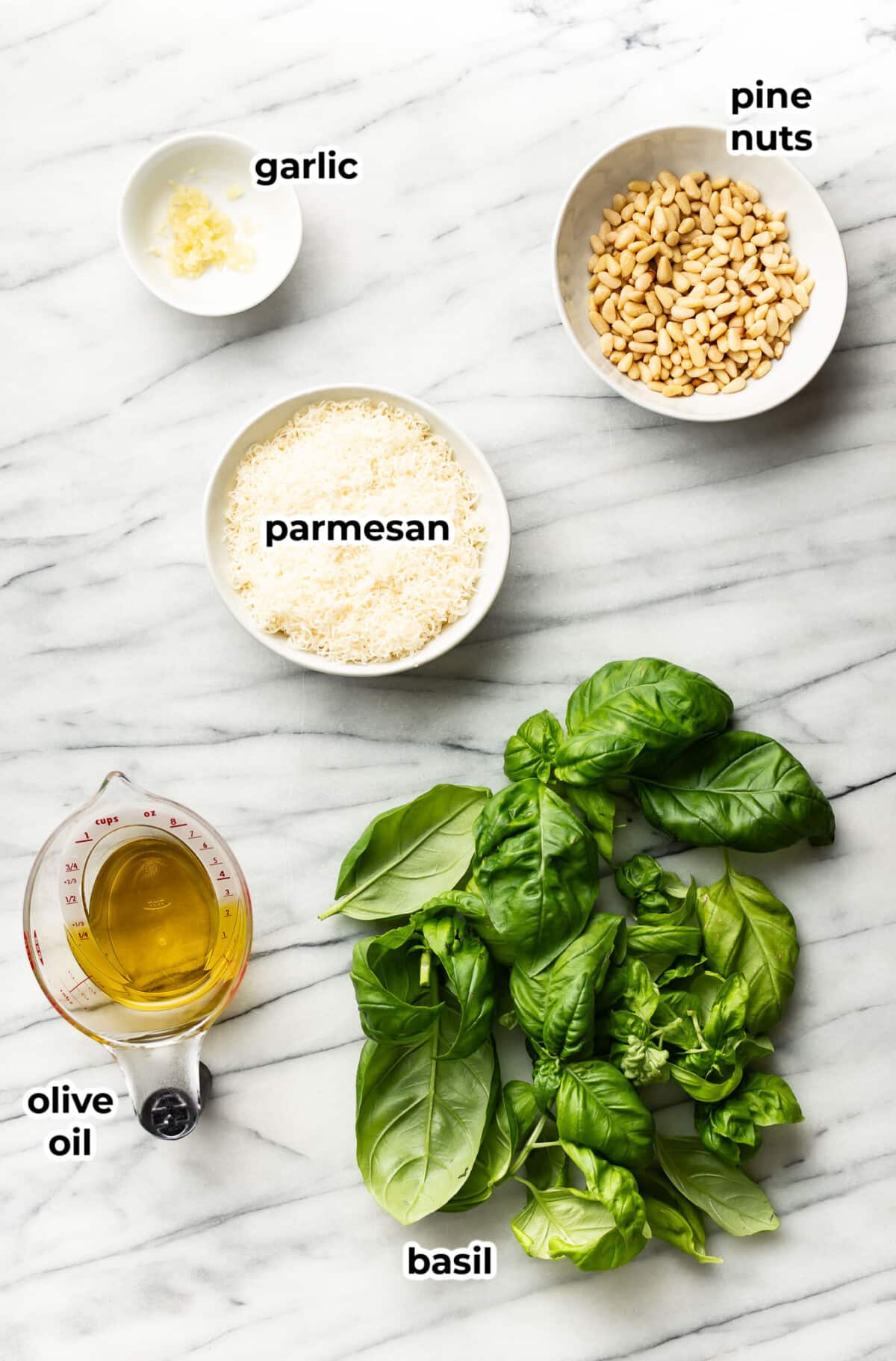
Pesto has a fresh and rich flavor that brightens many dishes. Making it without a blender needs the right ingredients to create that classic taste. Picking fresh and quality ingredients gives your pesto a vibrant and authentic flavor. Understanding these ingredients helps you prepare the best homemade pesto, even with simple tools.
Essential Herbs And Nuts
- Fresh basil leaves – the main herb for classic pesto
- Pine nuts – add creaminess and a subtle nutty taste
- Garlic cloves – bring a sharp and aromatic flavor
Cheese And Oil Choices
- Parmesan cheese – offers a salty and nutty flavor
- Pecorino Romano – adds a sharper, tangy taste
- Extra virgin olive oil – smooth and fruity, it binds the pesto
Optional Flavor Enhancers
- Salt – balances and enhances all flavors
- Black pepper – adds mild heat and depth
- Lemon juice – gives brightness and freshness
- Red pepper flakes – for a spicy kick

Credit: www.kitchenparade.com
Tools Needed Without A Blender
Making pesto without a blender might seem tricky, but it’s completely doable with the right tools. Each tool brings a unique texture and flavor to your pesto, and choosing the right one can make the process enjoyable. Let’s look at some effective tools you can use to create delicious pesto by hand or with simple kitchen gadgets.
Mortar And Pestle
A mortar and pestle is a classic tool for making pesto the traditional way. It allows you to crush basil leaves, garlic, nuts, and cheese slowly, releasing more flavor than fast blending. Using this tool connects you with the ingredients, giving you control over the pesto’s texture and consistency.
Try grinding the basil leaves first, then add garlic and nuts gradually. It requires some elbow grease, but the rich aroma and fresh taste you get are worth it. Have you ever noticed how fresh pesto tastes different when you make it by hand?
Knife And Cutting Board
If you don’t have a mortar and pestle, a sharp knife and sturdy cutting board can work wonders. Finely chopping the ingredients takes more time but lets you customize the size of each piece. This method produces a rustic pesto with a chunky texture that many people love.
Start by chopping the nuts and garlic finely, then add basil leaves and cheese. Keep chopping until everything is well mixed. It’s a great way to slow down and appreciate the ingredients—what’s your favorite way to enjoy chunky pesto?
Food Processor Alternatives
When a blender is not an option, small kitchen gadgets like a mini chopper or manual hand chopper can be handy. These devices offer a middle ground, making it easier to combine ingredients without overprocessing. They’re perfect if you want pesto quickly but still want some texture.
- Mini chopper: Pulses ingredients for a coarse mix
- Manual hand chopper: Lets you control chopping speed and size
- Immersion blender (without the blending function): Can be used with a chopping attachment
These alternatives reduce prep time without sacrificing flavor. Have you tried any small kitchen tools for making sauces or dips before?
Step-by-step Mortar And Pestle Method
Making pesto without a blender might sound challenging, but using a mortar and pestle brings a delightful, hands-on experience to your kitchen. This traditional method lets you control the texture and release the fresh flavors in a way that machines sometimes miss. Ready to get your hands a little green? Let’s dive into the step-by-step process.
Preparing The Ingredients
Start with fresh basil leaves—about two cups packed tightly. Wash them gently and pat dry to avoid any watery pesto. Gather your nuts, typically pine nuts, around a quarter cup, but feel free to experiment with walnuts or almonds for a twist.
Grate about half a cup of Parmesan or Pecorino cheese and have a small bowl of good-quality olive oil ready. Don’t forget a clove or two of garlic, peeled and ready for crushing. Having everything prepped makes the process smooth and enjoyable.
Grinding Basil And Nuts
Place the garlic and nuts in the mortar first. Press down with the pestle and grind in a circular motion until you get a rough paste. This step takes patience—you’ll notice the aroma intensify as oils release.
Add the basil leaves a handful at a time. Press and twist gently; don’t rush to pulverize. You want to bruise the leaves enough to release their flavor without turning them into mush. Ask yourself: how coarse or fine do you like your pesto’s texture?
Incorporating Cheese And Oil
Once the basil and nuts reach a fragrant, slightly chunky paste, sprinkle in the grated cheese. Mix it thoroughly with the pestle, blending the salty sharpness throughout. Then, slowly drizzle olive oil into the mortar while stirring with the pestle to emulsify the mixture.
Adjust the oil amount to get your preferred consistency—thick enough to hold shape but smooth enough to spread. Taste as you go; you might want a pinch of salt or an extra squeeze of lemon juice for brightness. This hands-on mixing lets you customize flavor and texture perfectly.
Chopping And Mixing By Hand
Making pesto without a blender is simple with some basic tools and patience. Chopping and mixing by hand brings out fresh flavors and lets you control the texture. It takes a little effort but creates a delicious, rustic pesto.
Finely Chopping Basil Leaves
Start by washing the basil leaves and patting them dry. Stack the leaves and roll them into a tight bundle. Use a sharp knife to chop the leaves into small pieces. Chop slowly and carefully to avoid bruising. The goal is to create fine, even pieces that release the basil’s aroma.
Crushing Nuts With A Rolling Pin
Place the nuts in a clean plastic bag or between two sheets of parchment paper. Use a rolling pin to gently crush the nuts into small bits. Apply even pressure and roll back and forth. Break any large chunks with the side of the rolling pin. This method keeps the nuts crunchy and flavorful.
Combining Ingredients In A Bowl
Put the chopped basil, crushed nuts, grated cheese, and minced garlic in a bowl. Slowly add olive oil while stirring with a spoon or fork. Mix thoroughly until all ingredients blend into a thick paste. Season with salt and pepper to taste. Stir well and adjust oil for desired consistency.
Tips For Achieving Perfect Texture
Achieving the perfect texture for pesto without a blender requires a careful balance. The right texture makes pesto enjoyable and easy to spread or mix. These tips help you create a smooth yet slightly coarse pesto that holds its flavor and freshness.
Balancing Coarse And Smooth
Use a mortar and pestle or a sharp knife to crush ingredients gradually. Start by roughly chopping basil leaves and garlic. Grind them gently to release oils without turning into paste.
Keep some small pieces for texture. Avoid over-mashing for a fresh, vibrant pesto. Aim for a mix of tiny bits and smooth paste for the best mouthfeel.
Adjusting Oil For Consistency
Add olive oil slowly while stirring. The oil helps bind ingredients and controls thickness. Too much oil makes pesto runny. Too little oil makes it dry and crumbly.
Stop adding oil when pesto spreads easily but holds shape. Use a spoon to check consistency. Adjust oil quantity to suit your taste and use.
Storing Fresh Pesto
Store pesto in an airtight container to keep it fresh. Pour a thin layer of olive oil on top to prevent browning. Keep it in the refrigerator and use within a week.
For longer storage, freeze pesto in small portions. Use ice cube trays for easy serving sizes. Thaw only the amount needed to keep flavor vibrant.
Credit: www.saltandlavender.com
Creative Variations Without A Blender
Making pesto without a blender invites creativity. It offers a chance to experiment with flavors and textures. Hand-chopping ingredients can bring out fresh, vibrant tastes. This section explores ways to vary your pesto using simple kitchen tools and common ingredients.
Using Different Herbs And Nuts
Traditional pesto uses basil and pine nuts. Swap basil with parsley, cilantro, or mint for new aromas. Try nuts like walnuts, almonds, or cashews for unique crunch and flavor. Hand-chop herbs and nuts finely to mix well and release their oils.
Adding Citrus Or Spices
Add zest or juice of lemon, lime, or orange for a bright touch. A pinch of chili flakes or black pepper can add warmth and depth. Garlic and salt remain essential but adjust amounts to balance new flavors. Stir ingredients together gently to keep texture fresh and chunky.
Making Vegan Or Dairy-free Pesto
Skip cheese to keep pesto vegan or dairy-free. Use nutritional yeast or ground nuts for a cheesy flavor. Olive oil helps blend ingredients and adds richness. This version stays fresh and vibrant without losing its classic charm.
Frequently Asked Questions
How Can I Make Pesto Without A Blender?
You can make pesto by finely chopping ingredients with a knife. Use a mortar and pestle to grind basil, garlic, nuts, and cheese. Slowly add olive oil while mixing to achieve a smooth consistency without a blender.
What Tools Are Needed To Make Pesto Manually?
You need a sharp knife, cutting board, mortar, and pestle to make pesto manually. These tools help finely chop and grind ingredients, ensuring the pesto has the right texture and flavor without using a blender or food processor.
Can I Use A Food Processor Instead Of A Blender?
Yes, a food processor is a good alternative to a blender for making pesto. It chops ingredients efficiently and creates a similar texture. However, manual methods offer more control over the consistency and freshness of your pesto.
How Do I Achieve Smooth Pesto Without Electric Appliances?
To get smooth pesto without appliances, chop ingredients very finely and use a mortar and pestle to grind them. Gradually add olive oil while mixing to emulsify the mixture. Patience and consistent stirring are key for smooth results.
Conclusion
Making pesto without a blender is simple and fun. You only need a few tools and fresh ingredients. Crushing and mixing by hand brings out great flavors. This method lets you control the texture easily. It works well for small batches or when blenders aren’t available.
Try it next time for a tasty, homemade sauce. Enjoy your pesto with pasta, bread, or veggies. Cooking can be creative and easy, even without special gadgets. Give it a try and taste the difference yourself.