

Have you ever spent hours painting a mug, only to see the design fade or peel after a few washes? It’s frustrating when your beautiful artwork doesn’t last.
But what if you could make your painted mugs dishwasher safe? Imagine enjoying your custom creations every day without worrying about damage. You’ll discover simple and effective steps to protect your painted mugs. By following these tips, your designs will stay vibrant wash after wash.
Keep reading to learn how to turn your homemade mugs into lasting, dishwasher-friendly treasures!

Credit: upcyclemystuff.com
Choosing The Right Paint
Choosing the right paint is the foundation of making your painted mugs dishwasher safe. Not all paints handle heat or water exposure well, so picking the correct type can save you from chipped designs and fading colors. It’s about balancing durability with safety, especially since these mugs come into contact with food and drink.
Types Of Paint For Mugs
There are several paint options available, but not all are suitable for mugs meant to be washed frequently. Acrylic paints are popular because they’re easy to use and come in many colors. However, regular acrylic paint isn’t waterproof or dishwasher safe unless sealed properly.
Oil-based enamel paints provide a tougher finish and better adhesion to ceramic surfaces. They often require baking to cure, which strengthens their bond to the mug. Paint pens designed specifically for ceramics are convenient and often include instructions for heat setting to improve durability.
Paints That Withstand Heat
Heat resistance is key for dishwasher-safe mugs. Paints that cure under high temperatures generally perform better. For example, ceramic or porcelain paints that require baking at 300°F or higher harden into a durable coating that resists chipping and fading.
Have you ever noticed how some painted mugs lose their design after a few washes? That’s usually due to paint that isn’t heat-cured or designed for dishwasher conditions. Choosing paints that specify oven curing or heat setting can make a big difference in how your artwork holds up.
Non-toxic And Food-safe Options
Your painted mugs come in contact with beverages, so the paint must be safe. Look for paints labeled as non-toxic and food-safe to avoid harmful chemicals leaching into your drink. Some ceramic paints are specifically formulated to meet these safety standards.
Even if a paint is durable and heat-resistant, it’s crucial to confirm it’s safe for use on items that touch food. This ensures you protect your health without sacrificing the beauty of your designs. Have you checked the safety labels on your paints lately?

Credit: www.skiptomylou.org
Preparing The Mug Surface
Preparing the mug surface is a crucial step to ensure your painted design stays vibrant and intact through many dishwasher cycles. Skipping or rushing this process can cause the paint to peel or fade quickly. Taking the time to properly clean and prep the surface sets the foundation for a durable finish.
Cleaning Techniques
Start by thoroughly washing your mug with warm soapy water to remove dust, oils, and residues. Avoid using dishwashers or harsh cleaners at this stage since they might leave behind invisible residues. Instead, use a gentle sponge and rinse well with clean water.
After washing, wipe the surface with rubbing alcohol or nail polish remover on a lint-free cloth. This step removes any remaining oils and ensures the paint will stick better. Have you noticed how your fingerprints leave oily marks? Alcohol wipes help eliminate those invisible barriers.
Sanding For Better Adhesion
Lightly sanding the mug surface can help the paint adhere more securely. Use fine-grit sandpaper (around 400 grit) and gently rub the area you plan to paint. This creates a slightly rough texture, allowing the paint to grip the surface more effectively.
Don’t overdo it; sanding too hard can damage the mug or create uneven spots. A quick, gentle pass is enough to improve adhesion. Have you ever painted on a smooth plastic surface and struggled with peeling? Sanding is the simple fix for that problem.
Avoiding Contaminants
After cleaning and sanding, keep the mug free from dust, oils, and moisture before painting. Avoid touching the surface with bare hands; instead, use clean gloves or hold the mug by the handle. Dust particles floating in the air can settle on the surface, so painting in a clean, draft-free area makes a big difference.
Think about how a tiny speck of dust can ruin a smooth paint job. Taking precautions now will save you from frustration later. What steps do you take to keep your work area clean during crafting?
Painting Techniques
Painting techniques play a crucial role in making your painted mugs dishwasher safe. The way you apply the paint affects not only the design’s look but also its durability. Choosing the right method and understanding the drying process can help your artwork withstand repeated washes without fading or chipping.
Brush Vs. Marker Paint Methods
Brush painting offers flexibility with textures and blending colors. You can create soft gradients or bold strokes, but it requires a steady hand and patience to avoid smudges. On the other hand, marker paint methods give you precision and control, especially for detailed designs like lettering or fine lines.
Markers are generally easier for beginners and allow quicker application. However, brush paints often use thicker formulas, which can create more vibrant and lasting finishes. Have you tried combining both? Using markers for details and brushes for backgrounds often leads to professional-looking results.
Layering And Drying Times
Patience is key when layering paint on mugs. Each layer needs to dry completely before adding the next, or you risk mixing colors unintentionally. Dry times can vary from 15 minutes to several hours depending on the paint type and room temperature.
Applying thin layers rather than one thick coat helps prevent cracking and peeling after baking. If your design looks uneven after the first coat, don’t rush to fix it—wait and build up the color gradually. Have you noticed how skipping drying time often leads to paint lifting off after washing?
Creating Durable Designs
Durability starts with the right paint choice—look for ceramic or glass paints labeled as dishwasher safe. After painting, curing the mug properly by baking it in the oven seals the design and improves adhesion. Most paints require about 30 minutes at 350°F (175°C), but always check the manufacturer’s instructions.
Adding a clear sealant designed for ceramics can boost protection, especially on mugs that will see heavy use. Avoid touching the painted areas before curing to keep oils from your skin from interfering with the paint. What small changes have you made that helped your painted mugs last longer?
Curing And Sealing
Curing and sealing painted mugs is essential to protect your design from fading and chipping. This process strengthens the paint and helps it resist dishwasher heat and water. Proper curing and sealing give your mugs a longer life and keep them looking fresh after many washes.
Oven Baking Methods
Baking painted mugs in the oven helps set the paint firmly. Use an oven-safe mug and place it on a baking tray.
- Preheat the oven to 350°F (175°C).
- Put the mug inside and bake for 30 minutes.
- Turn off the oven and let the mug cool inside.
This heat process bonds the paint to the mug surface. Avoid sudden temperature changes to prevent cracking.
Air Drying Tips
Allowing the paint to dry naturally also helps it cure. This method takes longer but is gentle on delicate designs.
- Place the mug in a dust-free area.
- Let it dry for at least 72 hours.
- Do not touch or move the mug during drying.
Air drying works best with special ceramic or glass paints. It ensures the paint fully hardens before sealing.
Using Sealants For Extra Protection
Applying a clear sealant adds a protective layer over the paint. Sealants improve water resistance and durability.
- Choose a food-safe, dishwasher-safe sealant.
- Apply a thin, even coat with a brush or spray.
- Let the sealant dry completely before use.
Sealants guard your design against scratches and dishwasher wear. Reapply sealant after several washes for best results.
Testing Dishwasher Safety
Seal painted mugs with a clear, food-safe sealant to protect designs during dishwasher cycles. Ensure the mugs dry completely after applying the sealant. This helps preserve their vibrant colors and patterns.
Testing the dishwasher safety of your painted mugs is a crucial step to ensure they withstand the rigors of regular cleaning. You don’t want your hard work to fade or peel away after a few washes. Let’s dive into how you can test the durability and make necessary adjustments for long-lasting results.Initial Wash Trials
Start by placing your painted mug in the dishwasher for a gentle cycle. This initial trial helps you observe the mug’s reaction to water and heat. Choose a cycle that is less intense, as this will minimize stress on the paint. After the wash, inspect the mug closely. Does the paint appear intact, or are there signs of wear? A successful trial means the paint remains vibrant and firmly adhered to the mug’s surface.Signs Of Paint Fading Or Peeling
Keep an eye out for telltale signs of fading or peeling. If you notice even slight discoloration, it indicates that the paint might not be fully dishwasher safe yet. Peeling is a more severe issue, suggesting that the bonding between the paint and mug is weak. Regular checks after each wash can save your mug from irreversible damage.Adjusting Techniques Based On Results
If your trial reveals any issues, consider adjusting your approach. A common fix is applying an additional layer of sealant. This can enhance the paint’s resistance to heat and water. Alternatively, you might opt for a lower dishwasher temperature or shorter cycle. Small tweaks can make a big difference in extending the life of your painted mugs. Remember, patience is key. Testing and adjusting may take a few attempts, but the reward is a beautifully resilient mug that you can proudly display or gift. Are you willing to experiment and find the perfect solution for your unique designs?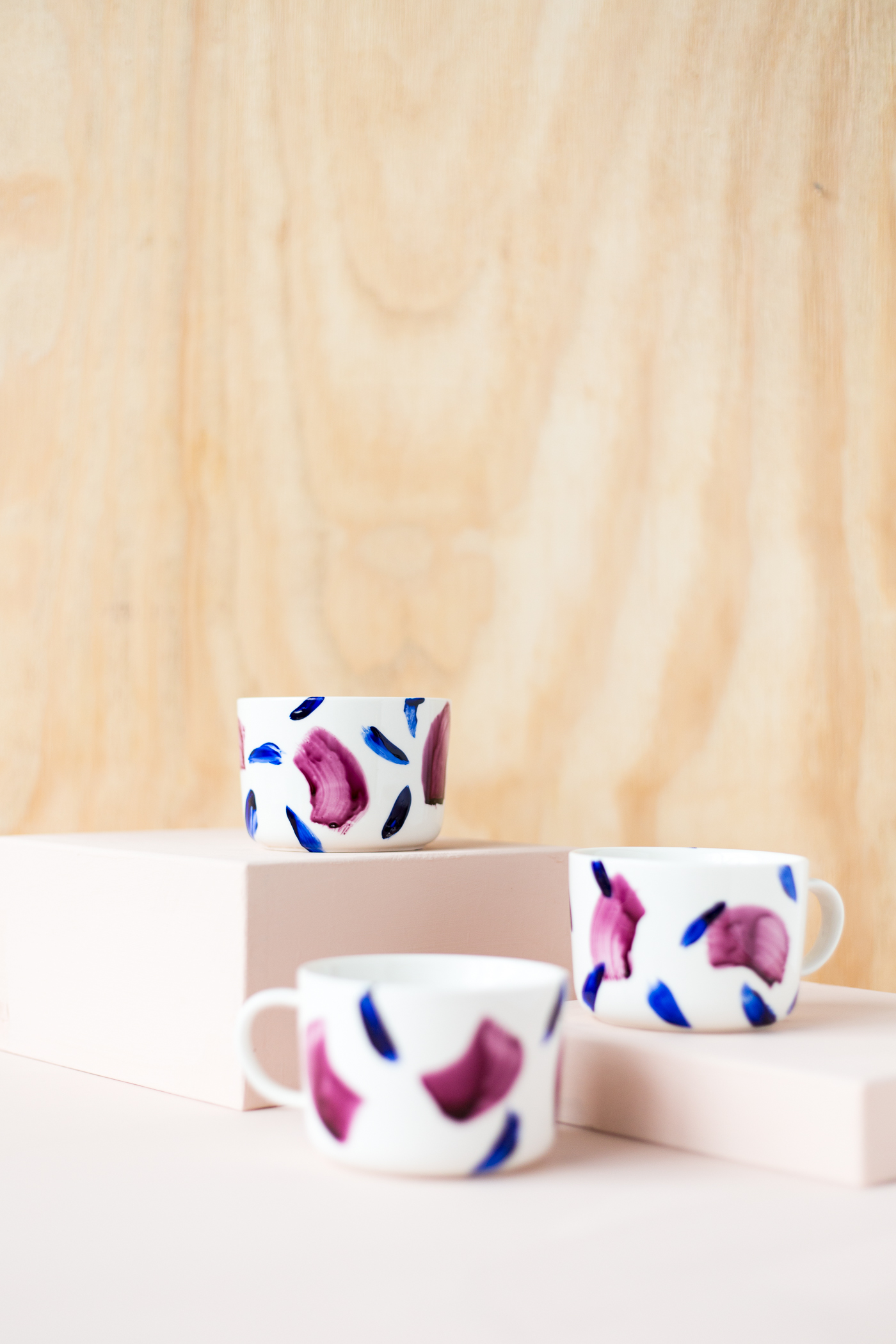
Credit: fallfordiy.com
Maintenance For Longevity
Keeping your painted mugs looking fresh and vibrant requires a bit of care beyond just the painting process. Proper maintenance helps your designs stay intact and bright for years. Let’s look at how you can protect your mugs and make them truly dishwasher safe without losing the charm of your artwork.
Handwashing Vs. Dishwasher Use
Handwashing is gentler on painted mugs. Using warm water and mild soap with a soft sponge reduces wear on your paint. It’s a simple way to extend the life of your mug’s design.
Dishwashers, however, expose mugs to high heat and strong water pressure. This can cause paint to fade or peel over time. If you prefer using a dishwasher, place your mugs on the top rack to minimize direct exposure to heat.
Ask yourself: how often do you really need to use the dishwasher for these mugs? Sometimes, a quick handwash can save you a repaint later.
Avoiding Abrasive Cleaners
Abrasive cleaners or scrubbing pads can scratch and damage the paint. Even if your mug looks clean, these tiny scratches add up and dull the design.
Use gentle dish soaps and soft cloths or sponges instead. If there’s stubborn residue, soak the mug in warm soapy water first to loosen it without scrubbing hard.
Think about the last time you scrubbed a painted mug hard—did the paint stay flawless? Probably not. Adjusting your cleaning habits can make a big difference.
Storage Tips To Preserve Paint
How you store your mugs impacts their longevity too. Avoid stacking painted mugs directly on top of each other; the friction can wear off paint.
Consider using shelf liners or separating mugs with soft cloths. Store them in a cool, dry place away from direct sunlight to prevent fading.
Do you keep your mugs in a crowded cabinet or a spacious shelf? Giving them room to breathe helps keep your artwork vibrant for longer.
Common Mistakes To Avoid
Making painted mugs dishwasher safe requires care and attention. Many beginners make simple mistakes that ruin their work. Avoiding these common errors helps protect your designs and keeps mugs looking fresh longer.
Skipping Surface Prep
Cleaning the mug surface is crucial before painting. Dirt, oil, or dust stops paint from sticking well. Use rubbing alcohol or mild soap to clean the mug fully. Let it dry completely before starting to paint. Skipping this step leads to paint peeling or fading quickly.
Using Incompatible Paints
Not all paints work on ceramic or glass mugs. Acrylic paints not labeled for ceramics may wash off easily. Choose paints made for ceramics or glass to ensure durability. Using wrong paint types causes fading or chipping after washing.
Improper Curing Processes
Curing the paint correctly makes it stick and last. Air drying alone is not enough for dishwasher-safe mugs. Baking the mug in an oven at the right temperature hardens the paint. Follow the paint manufacturer’s curing time and temperature instructions. Skipping or rushing curing weakens the paint’s hold.
Frequently Asked Questions
How Can I Make Painted Mugs Dishwasher Safe?
To make painted mugs dishwasher safe, use dishwasher-safe paint and seal with a clear, food-safe sealant. Cure the paint properly by baking the mug in an oven. This process helps protect the design from fading or chipping during washing.
What Type Of Paint Is Best For Mugs?
Porcelain or ceramic paints labeled as dishwasher-safe are best for painting mugs. These paints are designed to withstand heat and water exposure. Using the right paint ensures the design lasts longer without peeling or fading.
How Long Should I Bake Painted Mugs?
Bake painted mugs for 30 minutes at 350°F (175°C) to cure the paint. This step sets the paint and makes it more durable. Let the mugs cool completely inside the oven before removing them to prevent cracking.
Can I Use Acrylic Paint For Dishwasher-safe Mugs?
Standard acrylic paint is not dishwasher safe unless sealed properly. Use a dishwasher-safe sealant over acrylic paint, then bake the mug to improve durability. This combination helps protect the paint from water damage.
Conclusion
Making painted mugs dishwasher safe takes care and patience. Choose the right paint and seal it well. Let the paint dry fully before washing. Hand wash gently if unsure about the dishwasher. Small steps protect your artwork and keep mugs looking fresh.
Enjoy your personalized mugs without worry. Safe care helps your mugs last longer and stay beautiful. Keep these tips in mind to enjoy your creations every day. Simple care makes all the difference.