

Have you ever wondered how to turn a simple sheet of paper into a sharp-looking knife? Making knives out of paper is not only a fun and creative activity but also a great way to impress your friends and challenge your crafting skills.
In this guide, you’ll discover easy steps to create your own paper knife that looks surprisingly realistic. Whether you want to add a cool prop to your collection or just enjoy a new DIY project, this article will show you how to do it right.
Ready to start? Let’s dive in and make your own paper knife today!
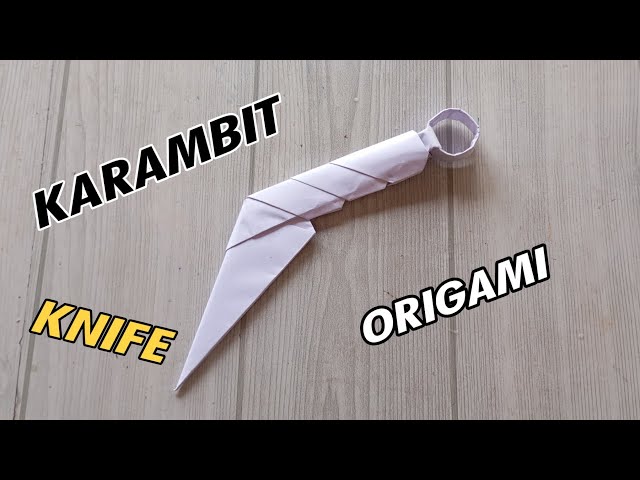
Credit: m.youtube.com
Materials Needed
Creating knives out of paper needs specific materials. Choosing the right supplies ensures a strong and sharp paper knife. Gathering all items before starting saves time and keeps the process smooth.
Types Of Paper
- Cardstock: Thick and sturdy, great for a solid blade.
- Origami Paper: Thin but flexible, good for detailed folds.
- Construction Paper: Easy to fold and widely available.
- Printer Paper: Common and easy to find, best for practice.
- Magazine Pages: Colorful and glossy, adds a unique look.
Additional Tools
- Scissors: For cutting paper into the right shapes.
- Glue Stick: Helps to keep folds and layers together.
- Ruler: Measures paper to make precise cuts and folds.
- Pencil: Marks lines for cutting and folding guides.
- Bone Folder or Smooth Edge: Creates sharp creases.

Credit: www.youtube.com
Preparing The Paper
Preparing the paper is a crucial part of making a knife that looks sharp and holds its shape well. The right preparation ensures your paper knife will be sturdy and easy to handle. Before folding, you need to focus on the size and precision of your paper cuts.
Cutting To Size
Start with a clean sheet of paper, preferably a bit thicker than regular printer paper. Cutting the paper into precise rectangles makes folding easier and the final knife more balanced.
Use a ruler and a sharp pair of scissors or a craft knife to get straight edges. A good size to aim for is about 8 inches long and 2 inches wide. Too small, and your knife will be flimsy; too large, and it might be hard to manage.
Have you noticed how even tiny misalignments in paper folding can ruin your shape? Cutting with care saves you frustration later.
Folding Techniques
Once your paper is cut, folding it correctly is the next step to build strength. Fold the paper lengthwise in half, then in half again. Each fold adds layers, making the paper tougher.
Use a flat surface and press each fold firmly with your fingernail or a flat tool. This sharp crease helps keep the folds tight and the knife solid.
Try folding the edges inward toward the center fold. This technique thickens the paper’s ‘blade’ and helps it hold a point better. Which folding style do you find gives your paper knife the best balance between flexibility and firmness?
Shaping The Blade
Shaping the blade is a key part of making a paper knife. It gives the knife its sharp look and makes it stronger. This step takes patience and careful folding. The goal is to form a blade that looks like a real knife and feels solid. Focus on the edges and the thickness to get the best result.
Creating The Edge
Start by folding the paper to form a thin, pointed edge. Fold the paper lengthwise multiple times to sharpen the tip. Press the folds tightly to make the edge firm. Use a ruler or a flat tool to crease the edge sharply. This creates a clean, knife-like edge that looks real. Avoid thick folds near the edge to keep it thin.
Adding Thickness
Thickening the blade makes it stronger and more durable. Layer several sheets of paper by folding or gluing them together. Fold the paper back and forth to build thickness along the blade’s body. Press each layer firmly to avoid gaps or weak spots. A thicker blade holds its shape better and feels heavier. Keep the thickness even for a balanced knife shape.

Credit: www.youtube.com
Crafting The Handle
The handle of a paper knife is important for comfort and style. A well-crafted handle makes the knife easier to hold and use. It also adds a realistic touch to your paper craft. This section guides you through designing and securing a strong, attractive handle.
Design Options
Choose a handle design that suits your knife shape. Simple shapes like rectangles or ovals work best for beginners. You can add details like patterns or colors using markers or colored paper. Layering multiple paper sheets can create a thicker, sturdier handle. Rounded edges make the handle feel smooth and comfortable.
- Use colored paper for visual appeal
- Try folding the paper to add thickness
- Draw small designs for decoration
- Cut the handle shape slightly bigger than the blade base
Securing The Handle
Attach the handle firmly to the blade for stability. Glue is the easiest way to hold parts together. Apply glue evenly on the handle base and press it onto the blade. Use clips or hold the pieces for a few minutes to dry. For extra strength, wrap thin strips of paper around the joint. Let everything dry completely before using the knife.
- Use white glue or glue stick
- Press pieces tightly during drying
- Wrap paper strips to reinforce the handle
- Allow at least 15 minutes to dry fully
Assembling The Knife
Assembling the knife is the key to turning flat paper into a sharp-looking tool. This stage combines the blade and handle parts carefully. The goal is a sturdy and balanced paper knife. Focus on fitting each piece perfectly for the best results.
Joining Blade And Handle
Start by aligning the blade and handle edges. Use glue sparingly to avoid wrinkles or bends. Hold both parts firmly until the glue sets. Press edges together to create a seamless join. Check that the blade points straight from the handle. A strong bond here ensures the knife stays intact during use.
Reinforcing The Structure
Strengthen the knife by adding extra layers of paper. Apply glue between layers for extra toughness. Wrap thin strips around the blade and handle junction. This support prevents bending or tearing. Let the knife dry completely on a flat surface. Reinforcement improves durability and gives a solid feel.
Finishing Touches
Finishing touches give your paper knife a polished look and make it safer to handle. This stage focuses on refining the edges and adding personal style. These simple steps enhance the knife’s appearance and usability.
Smoothing Edges
Sharp paper edges can cause small cuts. Use fine sandpaper or an emery board to smooth all edges gently. Move the sandpaper back and forth along each edge until it feels soft.
This step reduces roughness and improves comfort. Pay special attention to the tip and blade sides. Smoothing makes the knife safer to hold and carry.
Decorative Elements
Decorate your paper knife to make it unique. Use markers, colored pencils, or paint to add patterns or designs. Simple stripes or dots can give a cool look.
Consider adding small paper shapes glued to the handle. Stickers or washi tape can also brighten the knife. These decorations do not affect the knife’s function but add fun and personality.
Safety Tips
Making knives out of paper can be fun and creative. Safety is very important during this activity. Paper blades may seem harmless but can still cause small cuts or scratches. Taking care while handling paper knives helps prevent accidents. Always follow safety tips to enjoy crafting without harm.
Handling Paper Blades
Paper blades can have sharp edges. Fold the paper carefully to avoid sharp points. Avoid pressing too hard on the edges. Keep fingers away from the blade tips. Use smooth motions when cutting or shaping paper knives. Store paper knives safely when not in use. Never throw or swing paper knives around.
Supervision For Kids
Children need adult supervision while making paper knives. Adults should guide kids on safe folding and handling. Explain the risks of sharp edges clearly. Keep scissors and cutting tools out of reach unless supervised. Encourage children to show their work before playing. Supervision helps prevent accidents and teaches safe craft habits.
Creative Variations
Creative variations bring fun and uniqueness to paper knife making. These ideas let you explore different shapes and designs. They add personality and style to your paper creations. You can make each knife special by changing its form or color.
Different Styles
Try different blade shapes like curved, straight, or jagged edges. You can fold the handle in many ways for comfort and grip. Experiment with thick layers for a strong look or thin layers for a sleek design. Some styles mimic real knives, while others are more playful or artistic.
- Classic dagger style with a pointed tip
- Wide blade inspired by a cleaver
- Curved blade similar to a kukri
- Simple straight blade for easy folding
Incorporating Colors
Colors make your paper knife stand out. Use colored paper to create vibrant blades and handles. Combine different shades for a cool, layered effect. You can also add patterns like stripes or dots. Colored markers or paints work well for details. Bright colors catch the eye and make crafting more enjoyable.
- Use two-tone paper for blade and handle contrast
- Create a gradient effect with colored pencils
- Add small designs with markers or pens
- Mix solid and patterned paper for texture
Frequently Asked Questions
How Can I Make A Paper Knife Safely At Home?
Use thick paper or cardstock for durability. Fold multiple layers tightly. Avoid sharp edges to prevent injury. Always handle with care and supervise children during the process.
What Materials Do I Need For Making Paper Knives?
You will need thick paper or cardstock, scissors, glue, and tape. Optional materials include markers for decoration and a ruler for precise folds.
How Sharp Can A Paper Knife Be?
Paper knives are not truly sharp but can be pointed. They are safe for crafts, not for cutting tough materials. Use them only for decorative or light tasks.
Can Paper Knives Be Used As Real Cutting Tools?
No, paper knives are decorative and not suitable for real cutting. They lack durability and sharpness required for practical use.
Conclusion
Making knives out of paper is a fun and simple craft. It helps you practice folding and cutting skills. You only need a few materials and some patience. This project is safe and great for kids with adult help. Try different designs to see what works best.
Remember, paper knives are for play, not real cutting. Keep practicing to improve your technique. Enjoy your creative and easy paper knife craft!