

Have you ever wanted to create your very own folding knife? Making a folding knife is not only a fun and rewarding project, but it also gives you a tool you can be proud of.
Whether you’re a beginner or have some experience with DIY crafts, this guide will show you clear, simple steps to bring your folding knife to life. By the end, you’ll have the skills and confidence to craft a knife that fits perfectly in your hand and pocket.
Ready to start? Let’s dive into how to make folding knives that stand out.
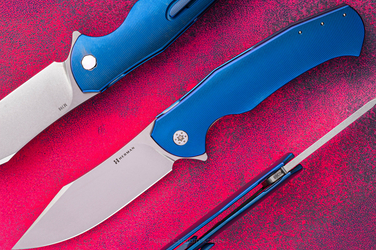
Credit: polishcustomknives.com
Choosing Materials
Choosing the right materials is crucial when making folding knives. It affects the knife’s durability, usability, and overall feel in your hand. Every part of the knife, from the blade to the handle and hardware, needs careful consideration to ensure your creation performs well and lasts long.
Blade Steel Types
Your blade’s steel defines its sharpness, strength, and resistance to rust. High carbon steel like 1095 is easy to sharpen and holds an edge well, but it needs regular maintenance to prevent rust.
Stainless steels such as 440C or S30V resist corrosion better and require less upkeep, making them popular choices for everyday use knives. Think about what your knife will be used for most: heavy-duty tasks or light cutting? That will guide your steel choice.
Handle Materials
The handle material impacts comfort, grip, and the knife’s weight. Wood offers a classic look and feels warm in your hand but may swell or crack if exposed to moisture.
G10 and Micarta are synthetic options that provide excellent grip, even when wet, and they are very durable. If you want something lightweight, consider aluminum or titanium, but be aware they can feel cold and slippery without texturing.
Hardware Selection
Hardware includes pins, screws, washers, and the pivot system that holds your folding knife together. Stainless steel hardware is common because it resists rust and is strong.
For smoother blade action, consider using phosphor bronze washers or ball bearings in the pivot. This choice can make a noticeable difference in how your knife opens and closes, improving your overall experience.
Essential Tools
Making folding knives requires several essential tools to shape, finish, and assemble each part. These tools help transform raw materials into a sharp, functional blade that folds safely. Precision is key, so choosing the right equipment makes a big difference.
Cutting And Shaping Tools
Cutting and shaping tools prepare the blade and handle materials. A metal cutting bandsaw or hacksaw cuts steel blanks to size. Files and rasps refine rough edges and shape curves smoothly. A drill press creates holes for screws and pivot pins. These tools help form the basic knife shape accurately.
Grinding And Polishing Equipment
Grinding equipment refines the blade edge and handle surfaces. Belt grinders with various grits shape the blade profile and bevels. Sanding drums smooth the handle contours. Buffing wheels polish metal parts to a clean shine. Proper grinding removes burrs and sharpens the blade for safe use.
Assembly Tools
Assembly tools join the knife components firmly. Small screwdrivers tighten screws and pivot pins. Needle nose pliers hold tiny parts during assembly. A pin press or hammer fits pins securely without damage. These tools ensure the folding mechanism works smoothly and the knife feels sturdy.
Designing The Knife
Designing a folding knife is where creativity meets function. This stage determines how your knife will perform, feel, and even look. Every choice you make now impacts the user experience later, so focus on details that matter most to you and those who will use the knife.
Blade Shape And Size
The blade shape defines the knife’s purpose. A drop point blade offers versatility, perfect for everyday tasks, while a tanto blade excels in piercing. Think about what your knife will cut most often and choose a shape that matches those needs.
Blade size also plays a key role. A longer blade handles bigger jobs but might be less handy for precise work. I once made a 3-inch blade that felt just right in my hand for camping and small tasks—balance is crucial.
Handle Ergonomics
Your knife handle must fit comfortably in your hand. Test different shapes and sizes to avoid fatigue during use. Rounded edges and textured surfaces improve grip, especially in wet conditions.
Consider materials like wood, G10, or titanium for durability and feel. I prefer a slightly curved handle because it naturally follows my grip, reducing slips and improving control. What kind of tasks will your knife handle most?
Locking Mechanisms
The locking mechanism keeps your blade safely in place. Popular choices include liner locks, frame locks, and lockbacks, each with its own pros and cons. For instance, liner locks are easy to operate but may wear out faster over time.
Test different locks to find one that feels secure and smooth. Remember, a reliable lock adds confidence when using your knife for tougher jobs. Have you tried opening and closing your knife repeatedly to test the lock’s durability?

Credit: www.youtube.com
Blade Crafting
Blade crafting is a vital part of making folding knives. It shapes the heart of the knife. A good blade needs precision and care. Every cut and polish affects its sharpness and durability.
This process starts with cutting the blank, followed by heat treatment. Then comes grinding the edge to make it sharp and strong. Each step requires attention to detail and the right tools.
Cutting The Blank
Start by selecting quality steel for the blade. Use a saw or laser cutter to shape the blank. The blank is the rough outline of the blade. It should match the knife design closely.
Cut slowly to avoid mistakes. Keep the edges clean and smooth. This helps during later steps like grinding and polishing. A well-cut blank saves time and effort.
Heat Treatment Process
Heat treatment strengthens the blade steel. Heat the blade until it glows red hot. Then cool it quickly in oil or water. This hardens the metal, making it durable.
After hardening, temper the blade by heating it again at a lower temperature. This reduces brittleness. The blade becomes tough but not too hard. Proper heat treatment improves blade performance and lifespan.
Grinding The Edge
Grinding shapes the blade edge. Use a belt grinder or sharpening stones for this step. Grind slowly to form a sharp, even edge. Keep the blade angle consistent during grinding.
Start with coarse grit to remove excess metal. Then use finer grit for a smooth finish. A well-ground edge cuts better and lasts longer. Finish by polishing the blade for a clean look.
Handle Fabrication
Handle fabrication is a vital part of making folding knives. The handle offers comfort, grip, and style. Choosing the right materials and shaping them carefully ensures a strong and attractive handle. Each step in the process requires attention to detail and patience.
Shaping And Fitting
Start by cutting handle materials to fit the knife’s tang. Use wood, micarta, or metal for durability and look. Shape the material using files, sandpaper, or a belt sander. Make sure the handle fits snugly against the blade’s tang. Check for gaps and adjust the shape as needed. A good fit prevents handle movement and adds strength.
Attaching Handle Scales
Attach handle scales to the tang using epoxy or strong adhesive. Apply glue evenly for a secure bond. Use clamps to hold the scales firmly while the glue dries. Insert pins or screws through the handle for extra stability. Make sure pins align with holes drilled in the tang. Remove excess glue before it hardens for a clean finish.
Finishing Touches
Sand the handle starting with rough grit, moving to fine grit. Smooth edges and corners for comfortable holding. Apply oil or wax to wood handles to protect and shine. Polish metal or synthetic handles for a clean look. Test the handle’s grip and make adjustments if needed. A well-finished handle improves knife performance and user comfort.
Assembly And Adjustment
The assembly and adjustment phase is where your folding knife truly takes shape. This stage demands careful attention because the fit and function depend on precise installation and fine-tuning. A poorly assembled knife can lead to issues like blade wobble or weak locking, which affect performance and safety.
Installing The Pivot
The pivot is the heart of your folding knife, connecting the blade to the handle and allowing smooth opening and closing. Start by placing the pivot screw through the blade’s hole and into the handle scale. Tighten it just enough to hold the blade firmly, but still allow it to rotate freely.
If the pivot is too tight, the blade will be hard to open. Too loose, and the blade will wobble. You might need to adjust the tension a few times to find the perfect balance. Use a small drop of thread locker to keep the pivot screw secure once you’re happy with the tension.
Aligning The Blade
Blade alignment is crucial for safe operation and a clean look. When the blade is closed, it should sit perfectly centered between the handle scales. If it leans too far to one side, your knife may pinch or wear unevenly.
To fix this, gently loosen the pivot and shift the blade until it’s centered. Check the alignment from both sides. Sometimes, a slight adjustment to the washers or spacers can help achieve perfect balance.
Testing The Lock
The lock mechanism keeps your blade safely open during use. After assembly, test the lock repeatedly to ensure it engages fully and holds the blade firmly. Open and close the knife several times, paying attention to any slipping or resistance.
If the lock feels weak or sticks, adjust the lock bar tension carefully. You want it tight enough to secure the blade but smooth enough to release easily. Remember, a reliable lock is not just about function—it’s about your safety every time you use the knife.
Sharpening Techniques
Sharpening folding knives keeps them effective and safe to use. Good sharpening techniques improve cutting power and extend the blade’s life. Understanding the right tools and angles makes the process easier and more precise.
Choosing The Right Stones
Select stones based on the blade’s material and sharpness level. Coarse stones remove chips and reshape the edge quickly. Fine stones polish and refine the blade for a smoother cut.
- Use diamond stones for hard steel blades.
- Water stones offer fast sharpening with less heat.
- Oil stones provide a consistent surface for slow, controlled sharpening.
Keep stones clean and flat for best results. Flat stones ensure even sharpening across the blade.
Sharpening Angles
Maintain a consistent angle to protect the blade edge. Folding knives usually sharpen between 15° and 20° per side. A smaller angle creates a sharper but more fragile edge.
Use guides or angle holders to keep steady angles. Hold the blade firmly and move it smoothly across the stone. Repeat strokes evenly on both sides to balance the edge.
Maintaining The Edge
Regular honing keeps the edge aligned and sharp. Use a leather strop or fine ceramic rod for quick touch-ups. Avoid over-sharpening, which wears down the blade faster.
Store knives properly to prevent damage and dulling. Clean and dry blades after each use to avoid rust and corrosion. Proper care extends the sharpness and lifespan of folding knives.
Safety Tips
Safety should be your top priority when making folding knives. Handling sharp tools and small parts demands constant attention. Ignoring safety can lead to serious injuries, so it’s essential to build good habits from the start.
Handling Tools Safely
Always hold your tools firmly and use them for their intended purpose. Avoid distractions—focus on what your hands are doing. For instance, when sharpening blades, move the tool away from your body to reduce the risk of cuts.
Keep your workspace organized. A cluttered bench invites accidents, like knocking sharp objects off the table or losing control of a tool. Have a designated spot for every item so you can find and use tools quickly without rushing.
Protective Gear
Wear safety glasses to shield your eyes from flying metal shards or sparks. Even if you think the risk is small, one slip can send debris straight into your eyes.
Gloves are helpful but choose them wisely. Thin, cut-resistant gloves protect your hands without sacrificing dexterity. Thick gloves might reduce your control and increase the chance of an accident.
Consider using ear protection if you’re working with loud equipment like grinders or drills. Protecting your hearing now prevents problems later in life.
Safe Knife Use
Test the folding mechanism carefully before using the knife. Make sure the blade locks securely and doesn’t wobble. A loose blade can snap shut unexpectedly, causing injury.
Keep the blade sharp but never touch the edge directly. A dull blade forces you to apply more pressure, increasing the chance of slipping. Sharp blades cut smoothly and safely if handled correctly.
Always cut away from your body and keep your fingers out of the blade’s path. Ask yourself: Are you in full control of the knife’s movement? If not, stop and reset your grip.
Troubleshooting
Troubleshooting is a key part of making folding knives. Even small mistakes can cause issues that affect the knife’s performance and safety. Knowing how to identify and fix common problems will save you time and improve your skills.
Fixing Alignment Issues
Alignment problems often happen when the blade doesn’t sit flush inside the handle. This can cause the knife to stick or not close properly. Check if the blade is centered by closing it slowly and observing the gaps on each side.
If the blade leans to one side, try gently adjusting the washers or spacers around the pivot. Sometimes loosening and tightening the pivot screw while guiding the blade can help it settle into the correct position. Be patient—small tweaks can make a big difference.
Locking Problems
A faulty lock can make your knife unsafe to use. If the lock doesn’t engage fully or slips under pressure, inspect the lock bar and the blade’s locking surface for wear or debris. Dirt or metal shavings can stop the lock from catching properly.
Lightly filing the lock surface can improve engagement, but avoid removing too much material. Test the lock repeatedly as you make adjustments to ensure it holds firmly without sticking. Have you noticed a particular movement that causes the lock to fail? That clue can guide your fixes.
Blade Play Solutions
Blade play feels like unwanted side-to-side or up-and-down movement when the blade is open. This is often caused by loose pivot screws or worn washers. Start by tightening the pivot screw, but don’t overtighten—it should allow smooth opening and closing.
If tightening doesn’t help, replace or clean the washers. Some makers use nylon or Teflon washers that wear down over time. Using a small drop of lubricant can reduce friction and noise, but too much can attract dirt. How does your blade feel after these tweaks? Your hands will tell you if the knife is ready.

Credit: www.youtube.com
Frequently Asked Questions
What Materials Are Needed To Make Folding Knives?
To make folding knives, you need steel for the blade, handle materials like wood or metal, pins, springs, and screws. Tools include files, grinders, drills, and a vise. Quality materials ensure durability and sharpness for effective knife performance.
How Do You Ensure A Folding Knife Blade Is Sharp?
Sharpen the blade using progressively finer grits of sharpening stones or a sharpening system. Maintain the correct angle, usually 20 degrees. Regular honing keeps the edge sharp. Proper sharpening improves cutting efficiency and safety.
What Safety Precautions Are Important When Making Folding Knives?
Always wear safety goggles and gloves to protect from metal shards and sharp edges. Work in a well-ventilated area. Use clamps to secure the blade during grinding. Follow tool instructions carefully to avoid accidents.
How Long Does It Take To Make A Folding Knife?
Making a folding knife typically takes several hours to a few days. Time depends on skill level, design complexity, and tools used. Patience and precision are key for a quality finished knife.
Conclusion
Making folding knives takes patience and careful steps. Start with the right tools and materials. Follow each step slowly and check your work often. Safety is important, so wear protective gear always. With practice, your skills will improve. Enjoy the process of creating something useful and unique.
Keep learning and trying new designs. Your handmade knife will be a proud achievement.