

Have you ever struggled with a soap dispenser that just won’t pop up when you need it most? It’s frustrating when your hands are wet or soapy, and the dispenser stays stuck.
But don’t worry—getting your soap dispenser to pop up smoothly is easier than you think. You’ll discover simple tricks and quick fixes that anyone can do. Keep reading, and you’ll soon have your dispenser working perfectly every time you press it.
Common Reasons Soap Dispensers Get Stuck
Soap dispensers often get stuck and fail to pop up when you need them most. Understanding the common reasons behind this problem can help fix the dispenser quickly. Most issues involve simple blockages or mechanical faults.
Knowing what causes a soap dispenser to jam helps in maintaining it better. It also prevents frustration during daily use. The main causes include clogged nozzles, airlocks, and broken springs.
Clogged Nozzle Issues
Soap residue can build up inside the nozzle over time. This buildup blocks soap from flowing freely. Dried soap or dirt can clog the tiny opening, stopping the dispenser from working.
Regular cleaning of the nozzle keeps it clear. Warm water or a small brush can remove blockages. Avoid letting soap dry inside the dispenser to reduce clogging.
Airlock Problems
An airlock happens when air gets trapped inside the soap container or tube. This trapped air stops soap from moving out. The dispenser pump cannot push soap through the nozzle properly.
Releasing the airlock involves pumping the dispenser several times. This action pushes air out and allows soap to flow again. Checking the container for tight seals also prevents airlocks.
Broken Spring Mechanism
The spring inside the dispenser helps it pop back after pressing. If the spring breaks or loses tension, the pump gets stuck. This mechanical failure stops the soap dispenser from popping up.
Replacing the spring or the entire pump mechanism often solves the problem. Using gentle pressure prevents damaging the spring. Regular maintenance keeps the spring working smoothly.
Quick Ways To Unclog The Dispenser
Soap dispensers stop working when clogged with dried soap or debris. Quick fixes can clear blockages fast. These simple tricks bring the dispenser back to life. Use common household items to unclog without hassle.
Soaking In Warm Water
Remove the dispenser pump from the bottle. Soak the pump in warm water for 10 to 15 minutes. Warm water softens dried soap inside the pump. After soaking, pump the dispenser repeatedly to clear the clog. Repeat soaking if needed until the soap flows smoothly.
Using A Toothpick Or Needle
Check the dispenser nozzle for visible clogs. Use a toothpick or needle to gently clear the blocked opening. Push through any dried soap or debris carefully. Avoid damaging the nozzle or pump mechanism. Clean until the soap flows freely from the nozzle.
Flushing With Vinegar Solution
Mix equal parts white vinegar and warm water. Soak the dispenser pump in the vinegar solution for 20 minutes. Vinegar breaks down soap residue and mineral buildup. After soaking, flush the pump with clean water. Test the dispenser to ensure smooth soap flow.
Fixing Airlock And Pressure Problems
Soap dispensers sometimes refuse to pop up because of airlock or pressure issues inside the pump mechanism. These problems block the smooth flow of soap, making the dispenser feel stuck or unresponsive. Fixing these common issues can get your dispenser working again quickly without needing a replacement.
Tapping The Dispenser Head
Gently tapping the dispenser head can help shift trapped air bubbles inside the pump. Use your fingers or a small tool to tap around the nozzle and the pump area. This simple action often loosens the internal parts, allowing soap to flow freely again.
Have you noticed how a few light taps can sometimes fix other stubborn household gadgets? The same idea applies here—vibrations help release stuck air or soap clogs.
Releasing Built-up Air
Airlock happens when air gets trapped inside the pump, preventing soap from being pushed out. To release this air, try pumping the dispenser multiple times firmly but without forcing it. If that doesn’t work, remove the pump head and press down on the tube inside the bottle to let trapped air escape.
Some dispensers come with a small valve or vent—check if yours has one and use it to release air pressure safely. If you’ve ever tried shaking a bottle with a clogged nozzle, you know that releasing pressure can make a big difference.
Refilling Properly
Filling the soap dispenser incorrectly can cause air pockets that block soap flow. Always refill slowly and avoid creating bubbles by tilting the bottle and pouring soap along the side. Leaving some space at the top instead of filling it completely can prevent pressure buildup.
Next time you refill, watch how the soap flows and stops. Could a small change in how you pour avoid future airlocks? Proper refilling minimizes the chances of soap getting trapped and keeps your dispenser popping up smoothly.
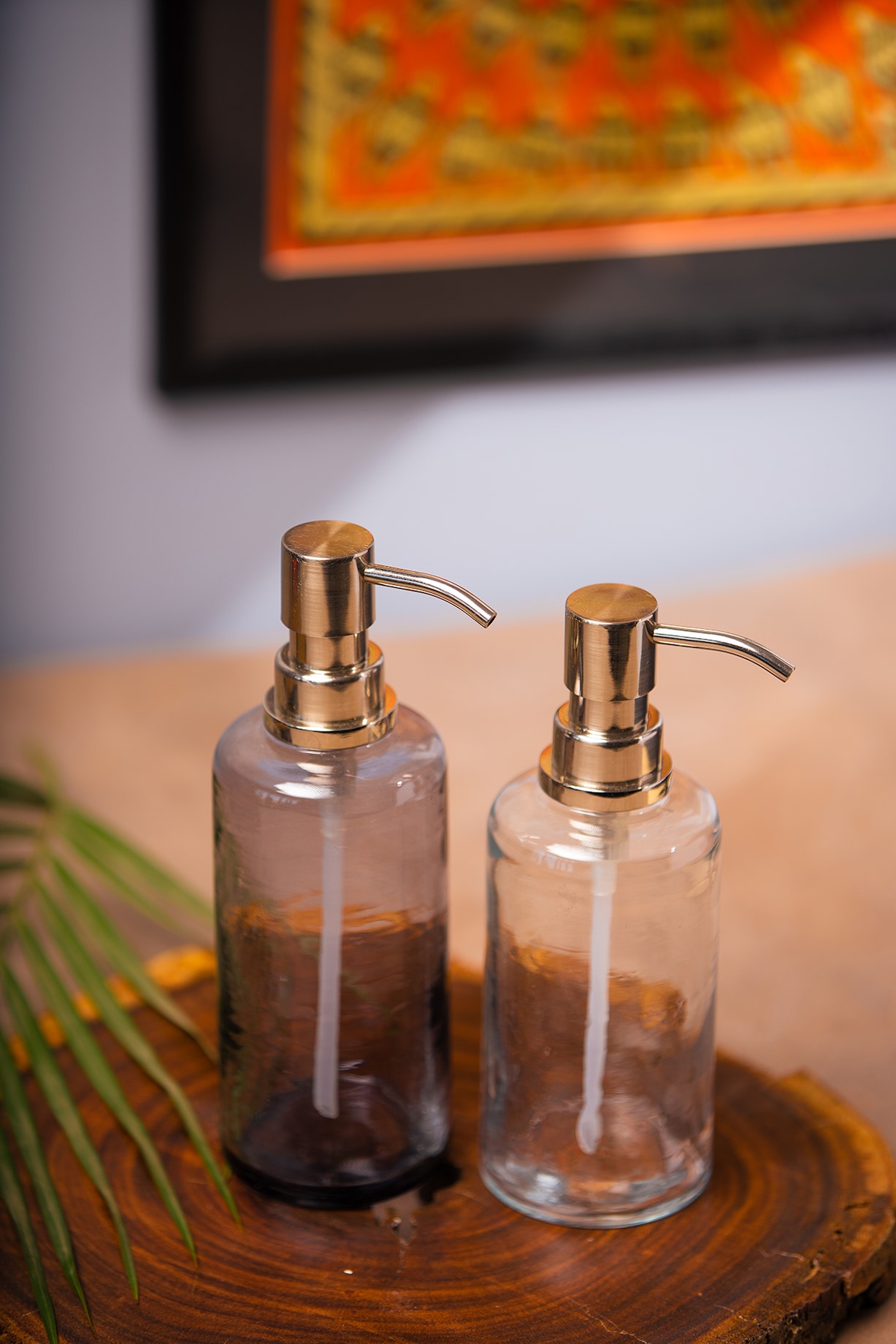
Credit: www.perniaspopupshop.com
Repairing Or Replacing The Spring
Repairing or replacing the spring inside your soap dispenser can bring it back to life quickly. The spring is a small but crucial part that helps the pump pop up and dispense soap. If it’s damaged or worn out, your dispenser won’t work properly, but fixing it might be simpler than you think.
Checking For Spring Damage
Start by removing the pump head from the soap bottle. Look closely at the spring inside the pump mechanism. Is it bent, broken, or rusty? Any visible damage means the spring can’t perform its job properly.
Sometimes, the spring might be stuck due to soap residue or dirt. Gently clean it with warm water and a soft brush. If the spring looks intact but the pump still doesn’t pop up, the problem could be hidden inside the mechanism.
Temporary Spring Fixes
If you notice the spring is just a bit loose or stuck, try a quick fix before buying a new one. You can apply a small drop of cooking oil or silicone spray to help the spring move smoothly. This often works if the spring is just stiff from dried soap.
Another trick is to carefully stretch the spring a little if it has lost tension. Use pliers to gently pull it apart, but don’t overdo it. A temporary fix like this might get your dispenser working for a while longer.
When To Replace The Dispenser
If the spring is broken or severely rusted, replacing it might not be worth the effort. Some soap dispensers have springs that are hard to find separately. In these cases, buying a new dispenser could save time and frustration.
Think about how often you use the dispenser. If it’s in a busy kitchen or bathroom, a fresh unit with a reliable spring can avoid repeated problems. Have you ever kept a broken dispenser just because you didn’t want to replace it, only to regret it later?
Preventive Tips To Keep Dispensers Working
Keeping your soap dispenser working smoothly needs simple care. Regular attention stops clogs and keeps the pump popping up easily. These preventive tips help your dispenser last longer and work better every day.
Regular Cleaning Routine
Clean the dispenser at least once a week. Use warm water to rinse the pump and bottle. Remove soap build-up that can block the nozzle. Wipe the outside to stop dirt from entering. This keeps the dispenser free and smooth.
Using Compatible Soap Types
Choose soap that matches the dispenser’s design. Thick or gritty soaps can clog pumps quickly. Thin liquid soaps flow easier and pump well. Check the product label for dispenser compatibility. This avoids damage and keeps the dispenser working.
Avoiding Overfilling
Fill the dispenser only to the recommended level. Overfilling causes pressure and leaks. It can also block the pump mechanism. Leave space for air to flow inside. This simple step helps the dispenser pop up every time.

Credit: www.amazon.in
Alternative Solutions For Stubborn Dispensers
Soap dispensers can be tricky sometimes. You press and nothing comes out. Don’t worry, there are solutions. Different methods can solve this problem. Let’s explore some.
Manual Pumping Techniques
Try pumping the dispenser manually. Use steady and firm pressure. Sometimes, the pump needs a little help. This might fix the issue. Make sure the soap is not clogged. Check the nozzle for blockages. Clean it if needed. Manual pumping can often restore flow.
Switching To Touchless Models
Consider touchless soap dispensers. They use sensors to dispense soap. No need to press anything. They are convenient and easy. Touchless models reduce contact and mess. They often work better than manual pumps. This might be a good option for stubborn dispensers.
Using External Dispensers
External dispensers can be helpful. They are separate units you can place anywhere. Easy to refill and maintain. Ideal for areas with heavy use. They offer flexibility in placement. This could be a solution for stubborn soap dispensers. External dispensers ensure soap is always available.

Credit: www.amazon.com
Frequently Asked Questions
How Do I Fix A Stuck Soap Dispenser Pump?
To fix a stuck soap dispenser pump, first remove the pump from the bottle. Clean any dried soap or debris around the pump. Soak it in warm water for a few minutes, then pump it several times to loosen it.
Reassemble and test for smooth operation.
Why Won’t My Soap Dispenser Pump Pop Up?
A soap dispenser pump may not pop up due to clogs, dried soap, or a broken spring. Cleaning the pump and removing blockages usually solves this. If the spring inside is damaged, replacing the pump mechanism is necessary for proper function.
Can I Lubricate A Soap Dispenser Pump?
Yes, you can lubricate a soap dispenser pump using a small amount of food-safe lubricant. Avoid using oils that could contaminate soap. Lubrication helps the pump move smoothly and prevents sticking, especially if the dispenser is used frequently or exposed to dry soap residue.
How To Prevent Soap Dispenser From Sticking Again?
To prevent sticking, clean the pump regularly with warm water. Avoid letting soap dry inside the pump. Use liquid soap with proper consistency and refill the dispenser before it runs completely dry. Regular maintenance ensures the pump stays functional and pops up easily.
Conclusion
Getting your soap dispenser to pop up is easier than it seems. Check for clogs or stuck parts first. Clean the pump and refill it properly. Press the top gently but firmly. Small fixes often solve common problems quickly. Keep your dispenser clean to avoid future issues.
A working soap dispenser makes hand washing simple. Try these tips and enjoy hassle-free soap use every day.