

Are your old kitchen knives just taking up space and gathering dust? You might be wondering how to get rid of them safely and responsibly.
Holding onto dull or damaged knives can clutter your kitchen and even pose risks. But tossing them in the trash isn’t the answer either. You’ll discover simple, smart ways to say goodbye to those old blades without hassle. Keep reading to learn how to clear out your kitchen while protecting yourself and the environment.

Credit: www.reddit.com
Signs To Replace Old Knives
Knowing when to replace your old kitchen knives can save you time, effort, and even prevent accidents. Knives that have outlived their prime often show clear signs that you shouldn’t ignore. Paying attention to these signs helps you decide if it’s time to upgrade your kitchen tools for better performance and safety.
Dull Blades And Rust
Dull blades make cutting frustrating and unsafe. If your knife struggles to slice through tomatoes or tears bread instead of cleanly cutting it, that’s a strong signal. Rust spots are another red flag—they not only weaken the blade but can also contaminate your food.
Have you noticed your knives needing more force than before? That extra effort can lead to slips and injuries. Instead of constantly sharpening a blade that won’t hold an edge, consider replacing it to save time and stay safe.
Handle Damage
Cracked, loose, or warped handles affect your grip and control. If your knife handle feels wobbly or has visible damage, it’s a sign to let it go. A damaged handle can cause unexpected slips during chopping, risking cuts or other injuries.
Even if the blade looks fine, a compromised handle is a safety hazard. Imagine trying to dice onions quickly but losing grip because the handle twists unexpectedly. That risk isn’t worth it.
Safety Concerns
Knives that don’t feel balanced or comfortable in your hand can lead to accidents. Over time, wear and tear may affect the knife’s stability and precision. Your safety depends on using tools that offer confidence and control.
If you hesitate before using a knife or notice it’s harder to handle, it’s time to replace it. A reliable knife gives you peace of mind and helps you cook with ease. What’s more important: risking injury or enjoying your kitchen tasks?
Preparing Knives For Disposal
Preparing old kitchen knives for disposal is important for safety and hygiene. Proper steps help prevent injuries and make recycling easier. Start by cleaning the knives well. Then, remove any handles if possible. Finally, package the knives safely before throwing them away.
Cleaning And Drying
Clean the knives using warm water and soap. Remove all food particles and grease. Use a scrub brush or sponge carefully. Rinse the blades thoroughly. Dry the knives completely with a clean towel. Moisture can cause rust and make disposal unsafe.
Removing Handles
Check if the knife handles can be removed. Use a screwdriver or pliers to detach screws or pins. Some handles are glued, so cutting may be needed. Removing handles separates metal from plastic or wood. This step helps recycling centers process materials better.
Safe Packaging
Wrap each knife blade in thick paper or cardboard. Secure the wrapping with tape to avoid openings. Use a sturdy box for all knives. Label the box clearly as “Sharp Objects.” This protects waste handlers from cuts and accidents.
Eco-friendly Disposal Methods
Eco-friendly disposal methods help reduce waste and protect the environment. Old kitchen knives should not end up in landfills. These knives contain metal that can be reused and recycled. Proper disposal saves resources and cuts down pollution. Using green ways to get rid of old knives benefits communities and nature alike.
Metal Recycling Centers
Metal recycling centers accept old kitchen knives easily. They melt down the metal to create new products. Recycling knives reduces the need for mining new metal. It also lowers energy use and carbon emissions. Find a nearby metal recycling center and drop off your knives safely.
Donation And Repurposing
Knives in good condition can be donated to shelters or community kitchens. Some craft groups use old knives for art or tools. Repurposing gives knives a new life instead of throwing them away. Contact local charities or artists to see if they accept donations.
Community Collection Programs
Many towns hold special collection days for hazardous or bulky waste. Old kitchen knives are often accepted during these events. These programs ensure safe handling and recycling of sharp objects. Check your local community calendar for upcoming collection programs.
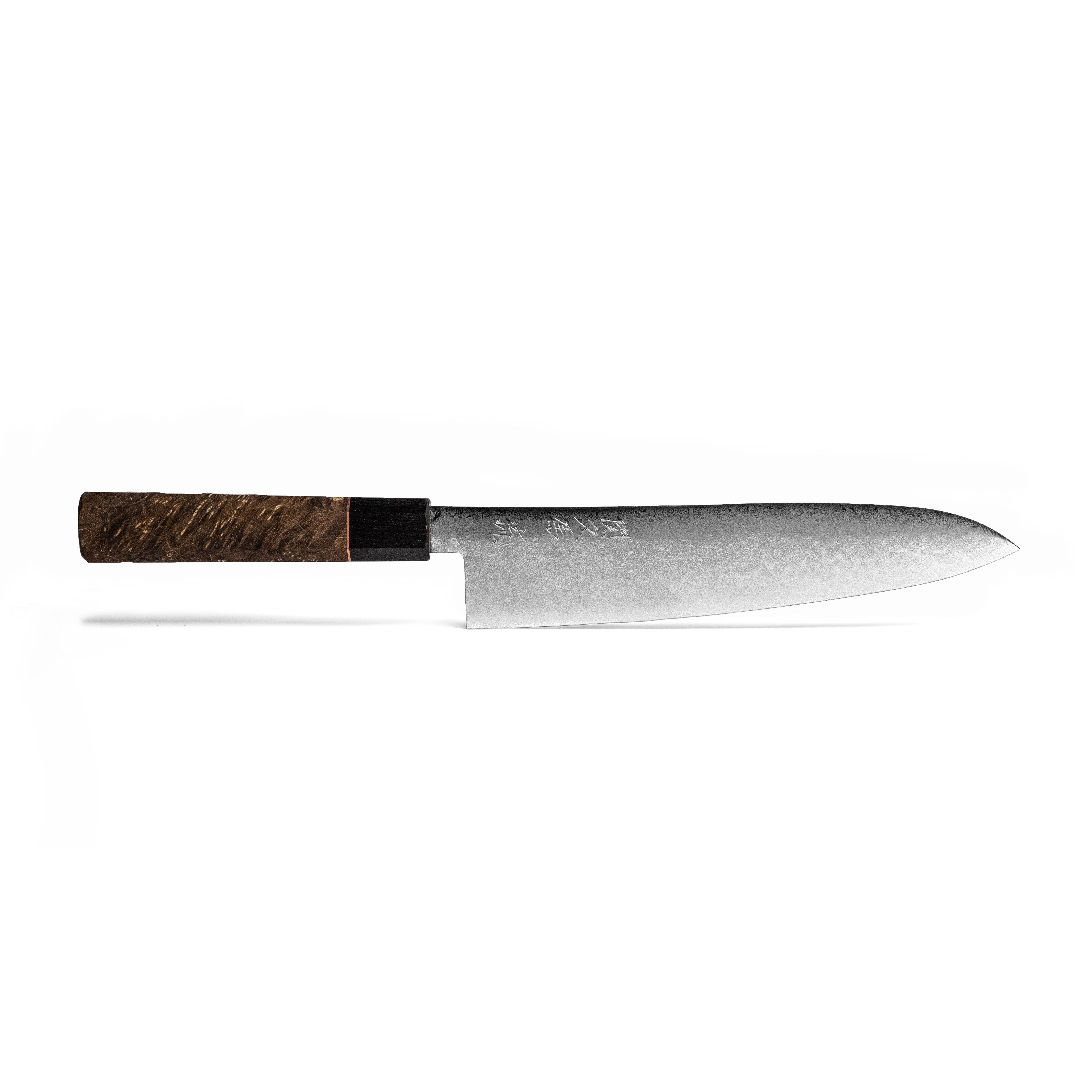
Credit: oishya.com
Creative Ways To Reuse Old Knives
Old kitchen knives do not have to go to waste. They can find new life through creative reuse. Repurposing knives saves money and reduces clutter. It also adds unique touches to your home and garden. Here are some inspiring ideas to reuse old knives effectively and safely.
Craft Projects
Old knives make great materials for craft projects. Use the handles and blades to create art pieces. For example, you can:
- Make wind chimes by hanging knife blades from a frame.
- Create jewelry like pendants or bracelets from small blade pieces.
- Use handles as bases for small sculptures or models.
These projects add character and recycle metal and wood beautifully.
Garden Tools
Knives can be handy in the garden after a little work. Sharpen or reshape blades for new uses. Some ways to reuse knives in gardening include:
- Cutting twine or small branches easily.
- Digging tiny holes for planting seeds.
- Scraping off weeds or moss from garden stones.
Old knives become useful tools without buying new ones.
Home Decor Ideas
Transform knives into eye-catching home decor. They bring rustic charm and a vintage feel. Ideas to try are:
- Mounting knives on wooden boards to create wall art.
- Using blades as hooks for hanging keys or small items.
- Making a coat rack by fixing knife handles to a plank.
These decor ideas add personality and recycle old materials creatively.
Preventing Waste With Proper Knife Care
Proper care of your kitchen knives not only keeps them sharp and safe but also helps you avoid the need to toss them out prematurely. Taking simple steps to maintain your knives can save you money and reduce waste. It also means you get the best performance every time you cook, making your kitchen tasks smoother and more enjoyable.
Regular Sharpening
Keeping your knives sharp is key to their longevity. Dull blades force you to apply more pressure, which can damage the knife and increase the risk of accidents.
You don’t need expensive tools—using a sharpening stone or a honing rod regularly can make a big difference. Consider setting a schedule, like sharpening once a month, to keep your knives in top shape.
Safe Storage
How you store your knives impacts their lifespan. Tossing them loosely in a drawer can cause nicks and dull edges.
Try using a knife block, magnetic strip, or blade guards. These options protect the blades and keep them ready to use, preventing unnecessary wear and tear.
Choosing Durable Materials
Not all knives are made equal. Investing in knives made from high-quality stainless steel or carbon steel means they will withstand frequent use better.
Think about what you use most—if you cook daily, durable materials will save you from replacing knives often. This choice reduces waste and gives you tools that last.
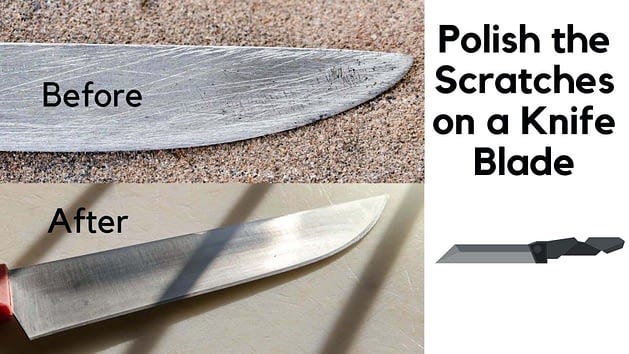
Credit: medium.com
Frequently Asked Questions
How Can I Safely Dispose Of Old Kitchen Knives?
Wrap the blades in thick paper or cloth to prevent injury. Place them in a sturdy box before discarding. Check local regulations for knife disposal or recycling programs.
Are There Eco-friendly Ways To Get Rid Of Old Knives?
Yes, donate usable knives to shelters or community kitchens. Recycle metal parts at scrap yards. Avoid throwing knives directly into trash to reduce environmental impact.
Can Old Kitchen Knives Be Repurposed Or Reused?
Old knives can be sharpened and used again if in good condition. They can also be crafted into garden tools or art pieces for reuse.
Where To Donate Old Kitchen Knives Safely?
Donate knives to local shelters, community centers, or culinary schools. Ensure knives are clean and in usable condition. Call ahead to confirm they accept kitchen tools.
Conclusion
Old kitchen knives should not be thrown away carelessly. Many options exist for safe disposal or recycling. Donate knives that still work to local charities. Recycling centers often accept metal items like knives. Wrapping blades carefully prevents injury during disposal.
Proper handling keeps your home and others safe. Taking time to dispose of knives responsibly helps the environment. Keep your kitchen organized by removing unusable knives. Clear out old knives and enjoy a safer kitchen space.