

Is your dishwasher leaving your dishes dirty because the soap dispenser won’t open? It’s frustrating when your dishwasher doesn’t work as it should, wasting your time and effort.
But don’t worry—you can fix this problem yourself. Understanding why your dishwasher soap dispenser is stuck or not releasing soap can save you money and avoid unnecessary repairs. Keep reading, and you’ll learn simple, step-by-step solutions to get your dishwasher back to perfect cleaning in no time.
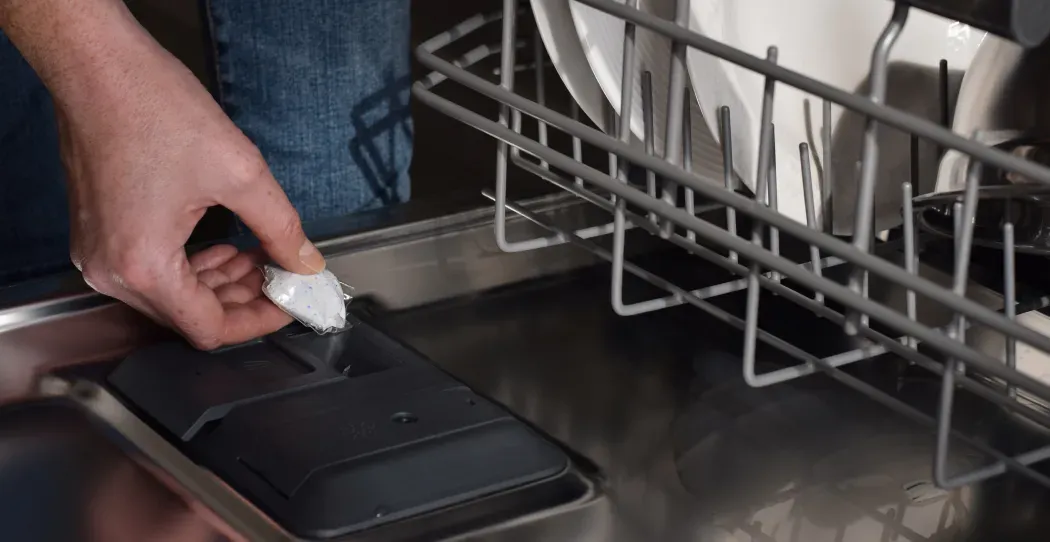
Credit: www.woodcocks.us
Common Soap Dispenser Issues
Dishwasher soap dispensers can face several issues that stop them from working correctly. These problems affect how well your dishwasher cleans your dishes. Knowing the common issues helps you fix them faster. Here are some common soap dispenser problems and what causes them.
Dispenser Door Won’t Open
The dispenser door may stay stuck during the wash cycle. This prevents soap from releasing. Dirt or hard water buildup can block the door. The spring that opens the door might be broken or weak. A faulty latch can also stop the door from opening. Check these parts for any damage or dirt. Cleaning or replacing them often solves the problem.
Soap Not Dispensing Properly
The soap may not come out fully or at all. Soap powder or gel can clump and block the dispenser. Using too much detergent can cause this. Water pressure might be too low to open the dispenser door. Sometimes, the dispenser mechanism itself wears out. Clean the dispenser regularly and avoid overfilling it. Test water flow to ensure it reaches the dispenser properly.
Soap Residue Left Behind
Soap residue can stick inside the dispenser or on dishes. This happens if the dispenser does not rinse well. Using the wrong type of detergent can cause residue. Hard water makes soap harder to rinse away. The dispenser might leak during the wash cycle. Clean the dispenser and check seals for leaks. Use detergent designed for your water type to reduce residue.
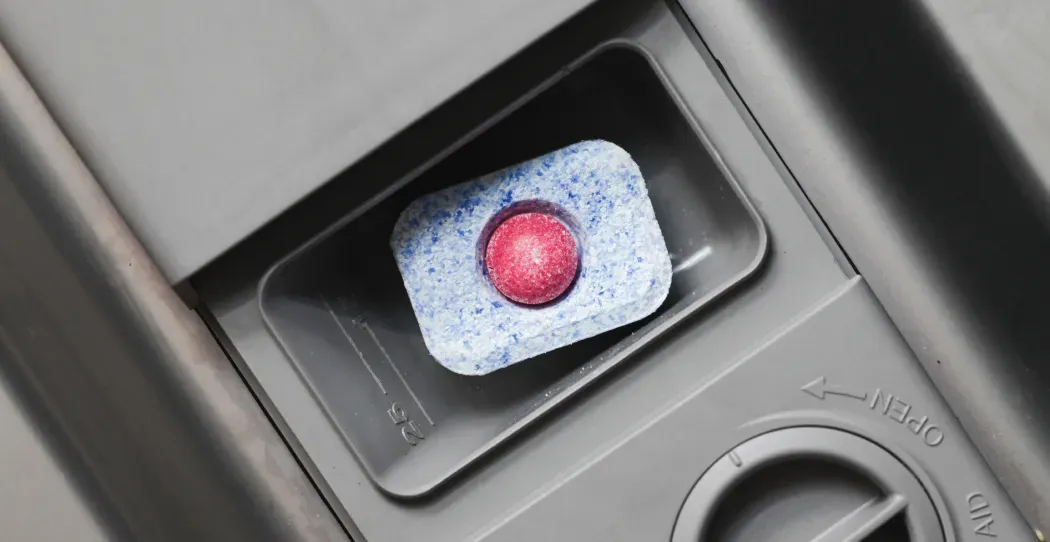
Credit: www.woodcocks.us
Tools Needed For Repair
Fixing a dishwasher soap dispenser needs the right tools. Having them ready makes the task easier and faster. You don’t need many tools, just a few basics and some cleaning supplies.
Basic Hand Tools
- Screwdrivers: Both Phillips and flathead to remove screws.
- Pliers: Useful for gripping and pulling small parts.
- Nut driver or socket set: For loosening bolts or nuts.
- Flashlight: Helps to see inside dark spaces of the dishwasher.
- Putty knife or plastic scraper: To pry open stuck parts gently.
Cleaning Supplies
- White vinegar: Removes soap buildup and grime.
- Soft cloth or sponge: For wiping and cleaning parts.
- Old toothbrush: Cleans small crevices in the dispenser.
- Warm water: To rinse and soak removable parts.
- Dish soap: Helps dissolve grease and residue.
Inspecting The Dispenser
Inspecting the dishwasher soap dispenser is a crucial step when your detergent isn’t releasing properly. Before deciding to replace parts or call a technician, a careful inspection can reveal simple issues that you can fix yourself. Understanding how the dispenser works helps you pinpoint the exact problem quickly.
Check For Mechanical Blockages
Start by opening the dispenser and examining the soap compartment. Sometimes, leftover detergent or hard water deposits can clog the dispenser door or its edges, preventing it from opening fully.
Look for any debris or sticky residue that might be causing the door to stick. Cleaning the area with warm water and a soft brush often clears the blockage and restores proper function.
Have you noticed soap residue building up around your dispenser before? Regular cleaning can save you from frustrating soap-release failures down the line.
Examine The Spring And Latch
The dispenser door relies on a spring and latch mechanism to open at the right time during the cycle. If the spring is broken or stretched, or the latch is stuck, the door may stay closed.
Gently test the door by pressing the latch and observing if it snaps back. If it feels loose or doesn’t spring back, the spring likely needs replacement.
Sometimes, dust or grime can jam the latch. Applying a small amount of lubricant can help, but avoid overdoing it to prevent soap contamination.
Look For Electrical Problems
Some dishwashers use an electronic solenoid or motor to release the soap dispenser door. If this component fails, the dispenser won’t open even if the mechanical parts are fine.
Inspect wiring connections for signs of damage or corrosion. A multimeter can help test if the solenoid or motor receives power during the wash cycle.
Have you checked if your dishwasher’s electronic parts are getting enough voltage? Sometimes a loose wire or faulty control board can disrupt the dispenser’s operation.

Credit: www.youtube.com
Cleaning The Dispenser
Cleaning your dishwasher’s soap dispenser is a simple task that can make a big difference in how well your dishes come out. Over time, soap residue and grime can block the dispenser, preventing it from opening or releasing detergent properly. Taking a few minutes to clean it regularly helps keep your dishwasher working efficiently and your dishes sparkling.
Remove Soap Build-up
Soap build-up often looks like a crusty or sticky layer inside the dispenser. Use a damp cloth or an old toothbrush to gently scrub away this residue. If the build-up is tough, soak the dispenser area with warm water mixed with a little vinegar for 10-15 minutes before scrubbing.
Have you noticed your dishwasher leaving soap scum on your dishes? This simple cleaning step might be the fix you need.
Clean The Dispenser Door
The dispenser door can get clogged with detergent or food particles, stopping it from opening fully. Wipe the door and its edges with a soft cloth soaked in warm soapy water. Make sure to dry it well before closing to avoid any moisture that could cause sticking.
Don’t overlook the tiny hinges and springs on the dispenser door; they can trap dirt and cause malfunctions.
Clear Spray Arms And Filters
Spray arms and filters affect how well water reaches the soap dispenser and your dishes. Remove the spray arms carefully and rinse them under running water to clear any blocked holes. Also, check and clean the dishwasher filter to prevent debris from clogging the system.
Could a blocked spray arm be why your soap dispenser isn’t working correctly? Try this easy check to find out.
Fixing The Dispenser Door
A dishwasher soap dispenser door can get stuck or break, causing poor cleaning. Fixing it often involves checking the latch, spring, or hinge for damage. Simple repairs can restore proper soap release and improve dishwasher performance.
Fixing the dispenser door can make your dishwasher work better. When the door doesn’t open or close properly, soap won’t dispense correctly. This causes dishes to remain dirty after a cycle. Addressing the dispenser door issue is essential for optimal performance.Adjust Or Replace The Spring
The spring is crucial for door movement. First, locate the spring inside the dispenser. Check if it is loose or broken. A loose spring can be tightened. Use a screwdriver to adjust the tension. If broken, replace it with a new one. Ensure the new spring matches the old one in size and type. This ensures proper function.Repair Or Replace The Latch
The latch holds the door closed during the cycle. Examine the latch for damage or wear. If worn out, it may not keep the door shut. Try tightening the latch with a screwdriver. If damaged, a replacement is necessary. Choose a latch compatible with your dishwasher model. Install the new latch carefully. Test the door to confirm it latches securely. Proper latch function is vital for soap release.Addressing Electrical Issues
Electrical issues are a common cause of dishwasher soap dispenser failures. If your dispenser isn’t releasing soap, the problem might be within the wiring or the solenoid that controls the door latch. Understanding how to identify and fix these electrical faults can save you from expensive repairs or replacements.
Test The Dispenser Solenoid
The solenoid is a small coil that triggers the dispenser door to open during the wash cycle. Testing it requires a multimeter to check for electrical continuity.
First, unplug your dishwasher for safety. Then, remove the dispenser cover to access the solenoid terminals.
Set your multimeter to the ohms setting and touch the probes to the solenoid terminals. If the reading shows infinite resistance or no continuity, the solenoid is faulty and needs replacement.
Have you ever checked the solenoid yourself before calling a technician? It’s often a quick fix that many overlook.
Replace Faulty Wiring Or Components
Wiring issues can cause the dispenser to fail without any visible signs. Look for burnt, frayed, or loose wires around the dispenser and control panel.
If you spot damaged wires, replace them carefully with the same gauge and type. Use wire connectors or electrical tape to secure the connections.
Sometimes, the problem lies in the control board or timer that sends power to the dispenser. Testing these parts might require professional help unless you’re comfortable with electrical diagnostics.
Remember, electrical repairs need caution. If you’re unsure, consulting an expert can prevent further damage or injury.
Testing The Repair
Testing the repair is a key step after fixing your dishwasher soap dispenser. It helps confirm the issue is resolved. Proper testing saves time and avoids repeated problems. This process checks if the dispenser releases soap correctly during a wash cycle. It also ensures your dishes come out clean.
Run A Test Cycle
Start by closing the soap dispenser. Add dishwasher detergent as usual. Choose a short or normal wash cycle. Make sure the dishwasher door is fully closed. Turn on the machine and watch it run. Listen for any unusual sounds. A smooth cycle indicates the dispenser is working well.
Check For Proper Soap Dispensing
After the cycle ends, open the dishwasher door. Check if the soap compartment is empty or nearly empty. Soap should have been released during the wash. Look inside for any leftover detergent. Inspect your dishes for soap residue or spots. Clean, soap-free dishes mean the dispenser works fine.
Preventive Maintenance Tips
Clean the soap dispenser regularly to prevent clogs and ensure it opens properly. Check the spring and latch for damage and replace if needed. Keeping the dispenser dry between uses helps avoid soap buildup and improves dishwasher performance.
Preventive Maintenance Tips Dishwasher soap dispensers can fail due to neglect or improper care. Regular maintenance helps keep them in top working condition. Simple preventive measures can avoid common issues. By following these tips, you ensure your dishwasher runs smoothly.Regular Cleaning Schedule
Establish a routine to clean the soap dispenser. Remove any residue weekly. Use warm water and a soft cloth to wipe it down. Avoid harsh chemicals that may damage the dispenser. Keeping the dispenser clean prevents clogs and ensures proper function.Use The Right Detergent
Choose the correct detergent for your dishwasher. Not all detergents are suitable for every model. Check the manufacturer’s recommendations. Liquid detergents may leave residue. Use powder or pods for a cleaner result. The right detergent ensures the dispenser releases soap effectively.Avoid Overloading The Dishwasher
Overloading can obstruct the soap dispenser. Place dishes in a way that allows the door to open. Avoid stacking items too tightly. Ensure the water can circulate freely. Proper loading prevents blockages and helps the dispenser work efficiently.Frequently Asked Questions
Why Is My Dishwasher Soap Dispenser Not Opening?
The soap dispenser may be blocked by detergent buildup or mechanical failure. Clean the dispenser and check the latch. Ensure the dishwasher door closes properly to trigger the dispenser release.
How Do I Fix A Stuck Dishwasher Soap Dispenser?
Remove debris or hardened detergent from the dispenser slot. Lubricate the latch gently if needed. Replace the dispenser if it’s cracked or broken to restore proper function.
Can A Faulty Soap Dispenser Affect Dishwasher Cleaning?
Yes, a malfunctioning soap dispenser prevents detergent release, leading to poor cleaning. Fixing or replacing the dispenser ensures detergent flows correctly for optimal washing results.
How Often Should I Clean The Dishwasher Soap Dispenser?
Clean the soap dispenser every 1-2 months to prevent buildup. Regular cleaning avoids clogs and keeps the dispenser working smoothly for effective detergent release.
Conclusion
Fixing the dishwasher soap dispenser saves time and money. Small problems often cause the dispenser to stop working. Cleaning the dispenser and checking for blockages helps a lot. Make sure the latch opens smoothly every cycle. Regular care keeps your dishwasher running well.
You can enjoy cleaner dishes without hassle. Try these simple steps before calling a repair person. A working soap dispenser means better washing results. Keep your dishwasher in good shape with these tips.