

Are you ready to make a juicy, flavorful pork roast that melts in your mouth? Cooking a pork roast in a Dutch oven is easier than you think, and the results will impress everyone at your table.
Whether you’re a beginner or just looking for a foolproof method, this guide will show you exactly how to get tender, savory pork every time. Keep reading, and you’ll discover simple steps and expert tips that turn your Dutch oven into a magic pot of deliciousness.
Your next meal is about to become unforgettable.
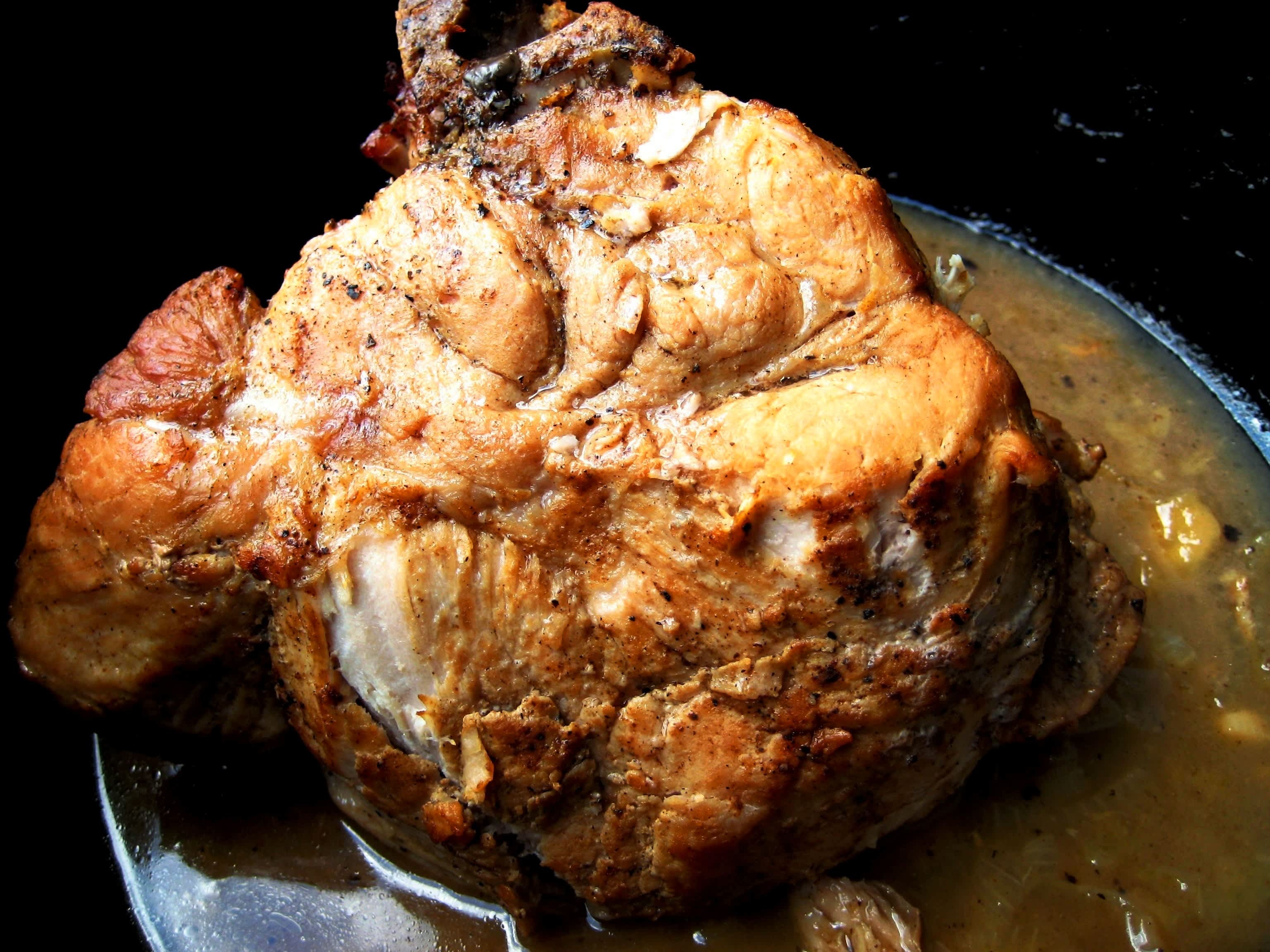
Credit: www.food.com
Choosing The Right Pork Roast
Choosing the right pork roast is key to making a delicious meal in your Dutch oven. The cut you pick will affect the flavor, tenderness, and cooking time. Understanding what works best helps you avoid dry or tough results and makes your cooking experience more enjoyable.
Best Cuts For Dutch Oven Cooking
Not all pork roasts perform equally well in a Dutch oven. You want cuts that stay juicy and tender after slow cooking.
- Pork Shoulder (Boston Butt):This cut has a good balance of fat and meat. The fat melts during cooking, keeping the roast moist and flavorful.
- Pork Loin Roast:Leaner than shoulder but still suitable if you watch cooking time carefully. It cooks faster and is great for those who prefer less fat.
- Pork Belly:Rich and fatty, perfect if you like a melt-in-your-mouth texture after long cooking.
Have you noticed how some roasts shrink a lot? Choosing cuts with enough fat helps prevent that.
How To Select Quality Meat
Quality meat makes a huge difference in taste and texture. Always look for fresh, firm, and well-marbled pork.
- Color:The meat should be pinkish-red, not pale or gray.
- Marbling:Small streaks of fat within the meat add flavor and keep it juicy.
- Smell:Fresh pork has a neutral smell. Avoid any sour or strong odor.
When shopping, ask your butcher where the pork comes from and how it was raised. This often reflects in quality and taste.

Credit: www.facebook.com
Essential Ingredients And Tools
Cooking a pork roast in a Dutch oven requires more than just tossing the meat inside and turning on the heat. The right ingredients and tools make a huge difference in flavor and ease of cooking. Before you begin, make sure you have everything you need to get the best results from your roast.
Spices And Herbs To Enhance Flavor
Seasoning your pork roast properly can transform a simple meal into something memorable. Think beyond just salt and pepper. Fresh herbs like rosemary and thyme add a fragrant touch that pairs beautifully with pork.
- Garlic:Minced or whole cloves add a rich, aromatic flavor.
- Smoked paprika:Brings a subtle smokiness without needing a grill.
- Cumin:Adds a warm, earthy note that deepens the taste.
- Bay leaves:Infuse the roast with a mild herbal fragrance during slow cooking.
- Fresh herbs:Rosemary, thyme, and sage are classic choices to enhance aroma and flavor.
Don’t be afraid to mix and match spices. What’s your go-to seasoning for pork? Experimenting with flavors can be part of the fun.
Dutch Oven Features To Consider
Your choice of Dutch oven can change how your pork roast cooks and tastes. Weight and material affect heat distribution and retention, which are crucial for even cooking.
| Feature | Why It Matters | What to Look For |
|---|---|---|
| Material | Ensures even heat and prevents hot spots | Cast iron or enameled cast iron |
| Size | Must fit your roast comfortably without crowding | 5 to 7 quarts for most roasts |
| Lid Fit | Keeps moisture in to tenderize meat | Heavy, tight-fitting lid |
| Handles | Easy to move in and out of the oven safely | Sturdy, heat-resistant handles |
Does your Dutch oven have all these features? Using the right pot is just as important as the ingredients you add inside it.
Preparing The Pork Roast
Preparing the pork roast properly ensures a flavorful and tender meal. Taking time to trim and season the meat sets the stage for cooking success. Marinating can add extra moisture and depth to the roast. These simple steps improve the texture and taste, making your Dutch oven pork roast delicious.
Trimming And Seasoning Tips
Start by trimming excess fat from the pork roast. Leaving a thin layer helps keep the meat moist. Remove thick fat that won’t render during cooking. Pat the roast dry with paper towels for better seasoning adherence.
Use salt and pepper as the base seasoning. Add garlic powder, paprika, or dried herbs for more flavor. Rub the spices evenly over the entire surface. Let the roast sit at room temperature for 15 minutes before cooking. This helps the seasoning penetrate the meat.
Marinating Options For Tenderness
Marinating adds moisture and softens the pork fibers. Use an acid like apple cider vinegar or lemon juice to break down proteins. Combine with olive oil, garlic, and herbs for a balanced marinade.
- Apple cider vinegar, olive oil, garlic, rosemary
- Soy sauce, honey, ginger, garlic
- Lemon juice, olive oil, thyme, black pepper
Place the roast and marinade in a sealed bag or container. Refrigerate for 2 to 6 hours for best results. Remove the pork from marinade and pat dry before searing in the Dutch oven. This prevents steaming and helps develop a golden crust.
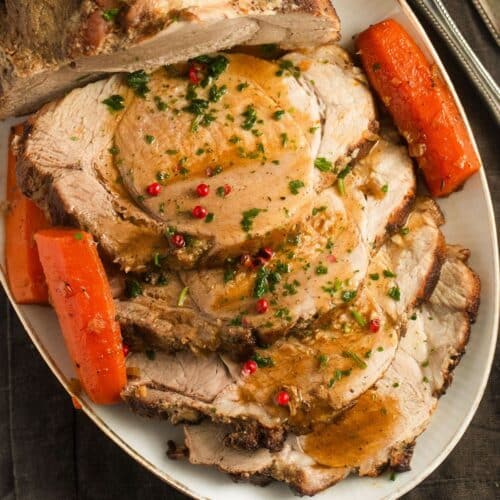
Credit: whereismyspoon.co
Searing The Meat
Searing the meat is a key step in cooking a pork roast in a Dutch oven. It locks in flavors and creates a rich, brown crust. This crust adds texture and depth to the dish. Taking time to sear properly improves the roast’s taste and appearance.
Techniques For A Perfect Brown Crust
- Pat the pork dry with paper towels. Moisture blocks browning.
- Use a heavy-bottomed Dutch oven for even heat distribution.
- Heat the pot over medium-high heat until very hot before adding meat.
- Add a small amount of oil with a high smoke point, like vegetable or canola oil.
- Place the pork roast gently in the pot without crowding it.
- Leave the meat undisturbed for several minutes to form a crust.
- Turn the roast to brown all sides evenly, including edges.
- Remove the roast once a deep brown crust forms, usually 3-5 minutes per side.
Common Mistakes To Avoid
- Not drying the meat well, which causes steaming instead of searing.
- Using too low heat, leading to a pale crust and tougher meat.
- Adding meat to a cold or barely warm pot, preventing browning.
- Moving the roast too soon, breaking the crust before it forms.
- Overcrowding the pot, which lowers temperature and causes steaming.
- Using butter alone for searing; it burns quickly at high heat.
Cooking Process In The Dutch Oven
Cooking a pork roast in a Dutch oven brings out rich flavors and tender textures that are hard to match with other methods. The key lies in managing heat and time carefully to allow the meat to cook evenly and stay juicy. Understanding the cooking process helps you get the best results every time.
Setting The Right Temperature
Start by preheating your oven to 325°F (163°C). This moderate temperature allows the pork roast to cook slowly, breaking down the connective tissues without drying out the meat.
Using a Dutch oven helps retain heat and moisture, creating a perfect environment for a tender roast. Avoid high temperatures that can toughen the meat or burn the exterior before the inside is done.
Timing For Different Roast Sizes
Cooking time depends largely on the size of your pork roast. Here’s a simple guide to help you plan:
| Roast Weight | Cooking Time at 325°F |
|---|---|
| 2 to 3 pounds | 1.5 to 2 hours |
| 4 to 5 pounds | 2.5 to 3 hours |
| 6 to 7 pounds | 3.5 to 4 hours |
Keep in mind that every oven and roast varies. Use a meat thermometer to check for an internal temperature of 145°F (63°C) for safe and juicy pork. Don’t rush the process—patience makes a big difference.
Adding Vegetables And Liquids
Adding vegetables and liquids to a pork roast in a Dutch oven creates rich flavors and tender textures. Vegetables absorb the meat’s juices and add natural sweetness. Liquids keep the roast moist and help form a delicious sauce. Together, they make the dish complete and satisfying.
Best Vegetables To Pair With Pork
Choose vegetables that cook well with pork and add taste. Root vegetables are excellent because they soften and sweeten during cooking. Some good options include:
- Carrots
- Potatoes
- Onions
- Parsnips
- Celery
- Garlic cloves
These vegetables soak up the pork flavors and balance the richness. Cut them into large chunks to avoid overcooking. Place them around the roast in the Dutch oven for even cooking.
Choosing Broths And Sauces
Liquids add moisture and deepen flavor during roasting. Use broth or stock that complements pork’s mild taste. Chicken or vegetable broth works well. Avoid strong broths that overpower the meat.
Adding a splash of apple cider or white wine gives a light acidity. This cuts through the pork’s fat and brightens the dish. For a richer sauce, add tomato paste or mustard to the liquid. Stir well to blend flavors before adding to the Dutch oven.
Fill the Dutch oven with enough liquid to cover the vegetables but not the roast. This keeps the meat tender and juicy without boiling it.
Monitoring And Checking Doneness
Knowing when your pork roast is perfectly cooked can make all the difference between a juicy, flavorful meal and a dry, tough one. Monitoring and checking doneness is essential to get that tender texture and rich taste. It’s not just about timing; it’s about understanding the cues your roast gives you.
Using A Meat Thermometer
A meat thermometer is your best friend when cooking pork roast in a Dutch oven. Insert it into the thickest part of the roast, avoiding bone or fat for an accurate reading.
The ideal internal temperature for pork roast is 145°F (63°C). Once it hits this mark, remove the roast from heat and let it rest. This resting period allows the juices to redistribute, making your meat moist and tender.
Have you ever cut into a roast too early and found it dry? Using a thermometer prevents that mistake. It takes the guesswork out and ensures perfect results every time.
Signs Of Perfectly Cooked Pork
Besides temperature, there are visual and tactile signs to look for. The roast should have a light pink center with clear juices running out when you slice it.
Press the roast gently with your finger or tongs. It should feel firm but still slightly springy. If it feels too soft, it needs more cooking; too hard means it might be overdone.
Notice the aroma as well—well-cooked pork gives off a savory, mouth-watering smell. Trust your senses along with the thermometer to get the best outcome.
Resting And Serving Tips
Resting and serving a pork roast cooked in a Dutch oven is key to a delicious meal. Resting lets the juices settle inside the meat. This makes every bite tender and juicy. Serving it well creates a warm and inviting table setting. Simple touches can turn your pork roast into a special feast.
Why Resting Matters
Resting the pork roast after cooking is very important. It helps the juices spread evenly through the meat. If you cut the roast too soon, the juices will run out. This leaves the meat dry and less tasty.
Let the pork roast rest for at least 10 to 15 minutes. Cover it loosely with foil to keep it warm. This short wait improves the flavor and texture a lot. Your pork roast will be moist, soft, and full of taste.
Presentation Ideas For The Table
Good presentation makes your meal more inviting. Here are some easy ideas:
- Slice the pork roast against the grain for tender pieces.
- Arrange the slices on a warm platter in a fan shape.
- Garnish with fresh herbs like rosemary or parsley for color.
- Place roasted vegetables around the meat for a complete look.
- Serve with a small bowl of pan juices or gravy on the side.
A simple, clean presentation lets the pork roast shine. It invites guests to enjoy each flavorful bite.
Troubleshooting Common Issues
Cooking a pork roast in a Dutch oven can sometimes lead to unexpected challenges. Whether it’s meat that turns out dry or flavors that don’t quite hit the mark, these issues can be frustrating. But don’t worry—you can easily fix these common problems with a few practical tips and adjustments.
Fixing Dry Or Tough Meat
If your pork roast feels dry or tough, it likely means it was cooked at too high a temperature or for too long. Dutch ovens retain heat well, so lowering the oven temperature and extending the cooking time often helps keep the meat juicy and tender.
Try adding a bit more liquid like broth, apple cider, or even water during cooking. This creates steam inside the Dutch oven, which helps break down tough fibers. Also, letting the roast rest for 10-15 minutes after cooking allows juices to redistribute, making every bite moist.
Adjusting Flavor Imbalances
If the pork roast tastes bland or one-sided, don’t panic. Simple flavor fixes can bring your dish back to life. Adding acidity, such as a splash of vinegar or a squeeze of fresh lemon juice, can brighten rich or heavy flavors.
Boost seasoning by sprinkling a pinch of salt or a dash of herbs like rosemary or thyme just before serving. If the roast is too salty, add a bit of unsweetened applesauce or a small amount of cooked vegetables to balance it out. How do you usually tweak your dishes when the flavor feels off?
Variations And Flavor Twists
Adding new flavors to your pork roast in a Dutch oven can transform a simple dish into an exciting meal. Trying different variations lets you discover what suits your taste best and keeps your cooking fresh. Ready to surprise your palate and impress your guests? Let’s dive into some creative twists.
Adding International Spices
You can give your pork roast a global flair by using spices from around the world. Think of cumin and coriander for a Middle Eastern touch or smoked paprika and oregano for a Spanish vibe. These spices add depth without overpowering the natural flavor of the pork.
Try mixing a blend of garam masala and turmeric for an Indian-inspired roast. Or sprinkle Chinese five-spice powder to introduce a sweet and savory balance. Experimenting with these spices encourages you to travel through taste without leaving your kitchen.
Incorporating Sweet And Savory Elements
Sweetness can beautifully complement the savory taste of pork. Adding ingredients like apples, pears, or dried apricots inside the Dutch oven creates a juicy contrast. You might be surprised how a bit of brown sugar or honey in the rub enhances the roast’s caramelization.
Don’t forget to balance sweetness with savory touches such as garlic, rosemary, or mustard. These ingredients bring richness and complexity to your roast. What sweet-savory combo will you try next to keep your meals exciting?
Frequently Asked Questions
How Long To Cook Pork Roast In Dutch Oven?
Cook pork roast in a Dutch oven at 325°F for 2. 5 to 3 hours. Check internal temperature reaches 145°F for safe eating. Cooking time varies by roast size and oven accuracy.
What Seasonings Work Best For Dutch Oven Pork Roast?
Use garlic, rosemary, thyme, salt, pepper, and paprika for pork roast. These herbs and spices enhance flavor and aroma. Customize seasoning based on personal taste preferences.
Can I Cook Pork Roast Without Searing First?
Searing pork roast before slow cooking locks in juices and adds flavor. However, you can skip searing for convenience. The roast will still cook but may have less crust and depth of flavor.
How To Keep Pork Roast Moist In Dutch Oven?
Add broth or water to the Dutch oven to maintain moisture. Cover tightly with the lid during cooking to trap steam. Avoid overcooking to prevent dryness.
Conclusion
Cooking pork roast in a Dutch oven is simple and rewarding. The pot keeps heat and moisture evenly. This method makes the meat tender and full of flavor. You only need a few ingredients and some time. Try seasoning the pork with your favorite herbs and spices.
Let it cook slowly for the best taste. Serve with vegetables or potatoes for a complete meal. This way of cooking brings comfort and great taste to your table. Give it a try and enjoy a delicious, homemade pork roast.