

If you want to cook a juicy, tender pork loin that melts in your mouth, using a Dutch oven is one of the best ways to do it. You might think it’s complicated, but it’s actually simple—and the results are worth every step.
Imagine pulling a perfectly browned, flavorful roast from your oven, filling your kitchen with irresistible aromas. In this guide, you’ll learn exactly how to cook pork loin in a Dutch oven, with easy tips that anyone can follow. Ready to impress your family or guests with a delicious meal?
Keep reading, because your new favorite recipe is just ahead.
Choosing The Right Pork Loin
Choosing the right pork loin is key to a delicious meal. It affects flavor, texture, and cooking time. Knowing the types of pork loin helps pick the best cut for your Dutch oven recipe.
Types Of Pork Loin
Pork loin comes in several forms. Each type has unique features and uses.
- Center-Cut Loin:This is the most common and lean cut. It cooks evenly and stays tender.
- Pork Tenderloin:Smaller and more tender. It cooks faster but can dry out easily.
- Bone-In Pork Loin:Includes bones for extra flavor. Takes longer to cook but stays juicy.
- Pork Sirloin Roast:Cut from the back, slightly fattier and flavorful.
Choose based on your cooking time and flavor preference.
Selecting Fresh Meat
Freshness is crucial for taste and safety. Pick pork loin with a pinkish color. Avoid cuts with dark spots or dryness. The meat should feel firm, not sticky or slimy.
Look for fine marbling of fat. This keeps the pork juicy during cooking. Smell the meat; it should have a mild scent. Strong or sour odors indicate spoilage.
Buy from trusted sources. Fresh pork loin ensures a great meal every time.
Preparing The Pork Loin
Getting your pork loin ready is the foundation of a delicious meal. Proper preparation ensures even cooking, great flavor, and an appealing presentation. Let’s break down what you need to do before the Dutch oven even heats up.
Trimming And Tying
Start by trimming excess fat or silver skin from your pork loin. Removing these parts helps the meat cook evenly and prevents a greasy texture.
Tying the loin with kitchen twine keeps it in a uniform shape. This step is crucial if you want an evenly cooked, juicy roast rather than unevenly done meat.
Have you ever noticed how a tied roast slices more neatly? It’s not just for looks—it really affects the cooking process.
Seasoning And Marinades
Seasoning is where you set the tone for your pork loin’s flavor. Use simple ingredients like salt, pepper, garlic powder, and herbs such as rosemary or thyme for a classic taste.
If you want deeper flavor, marinate the loin for a few hours or overnight. A marinade with olive oil, vinegar, mustard, and fresh herbs works wonders to tenderize and infuse the meat.
Think about what flavors excite you—do you prefer something tangy, sweet, or spicy? Adjust your seasonings to match your mood and the occasion.
Setting Up The Dutch Oven
Setting up the Dutch oven correctly is key to cooking a juicy pork loin. This process helps in even cooking and enhances flavor. Preparing the pot well also prevents sticking and burning. Follow these steps to get your Dutch oven ready for the perfect roast.
Choosing The Right Dutch Oven
Select a Dutch oven that holds heat evenly. Cast iron models are ideal for slow cooking. Make sure it is large enough to fit your pork loin comfortably. A heavy lid helps trap moisture and heat inside. Enamel-coated Dutch ovens are easier to clean and maintain. Avoid pots with thin walls or loose lids for best results.
Preheating And Oiling
Preheat the Dutch oven on medium heat before adding the pork. This step helps create a good sear on the meat. Add a small amount of oil to coat the bottom evenly. Use oils with a high smoke point like vegetable or canola oil. Heat the oil until it shimmers but does not smoke. This prepares the surface to brown the pork loin properly.

Credit: www.facebook.com
Searing The Pork Loin
Searing the pork loin in your Dutch oven is a crucial step that sets the foundation for a flavorful and visually appealing dish. This process locks in the juices and creates a savory crust that enhances the overall taste. Getting this right can transform a simple roast into a memorable meal.
Achieving A Golden Crust
Start with a hot Dutch oven to ensure the pork loin sizzles on contact. Pat your pork dry with paper towels to remove excess moisture—this helps the crust form faster. Use a high smoke point oil like canola or avocado oil to avoid burning and get a nice, even sear.
Press the pork loin gently against the surface and avoid moving it too soon. Let it sit for 3 to 4 minutes on each side until a deep golden crust forms. Have patience—lifting the meat too early can tear the crust and cause sticking.
Tips For Even Browning
- Cut the pork loin into manageable sections if it’s too large to fit comfortably in the pot.
- Rotate the loin every few minutes to brown all sides evenly, including the ends.
- Don’t overcrowd the pot; sear in batches if necessary to maintain heat and ensure proper browning.
- Use tongs to handle the meat gently, preserving the crust as you turn it.
Have you noticed how uneven browning affects flavor? Even searing distributes those rich, caramelized flavors all around your pork loin. This simple step can make a big difference in your final dish.
Cooking The Pork Loin
Cooking pork loin in a Dutch oven is a straightforward process that yields tender, juicy meat with a beautifully caramelized crust. The key lies in managing the oven temperature and timing carefully, as well as adding vegetables and aromatics that enhance the flavor without overpowering the pork. Understanding these elements will help you create a delicious and satisfying meal every time.
Oven Temperature And Timing
Set your oven to 325°F (160°C) for slow, even cooking that keeps the pork loin moist. Too high a temperature risks drying out the meat, while too low can leave it undercooked.
Cook the pork loin for about 20 minutes per pound. Use a meat thermometer to check for an internal temperature of 145°F (63°C) for perfect doneness.
After reaching the right temperature, let the pork rest for 10 minutes outside the oven. This allows the juices to redistribute, making every slice juicy and flavorful.
Adding Vegetables And Aromatics
Place root vegetables like carrots, potatoes, and onions around the pork loin in the Dutch oven. These veggies absorb the pork’s savory juices and add texture to your meal.
Add aromatics such as garlic cloves, fresh rosemary, and thyme sprigs. Their fragrance infuses the meat, giving it a rich and inviting aroma.
Pour a little broth or apple cider into the pot to keep the environment moist and help create a flavorful pan sauce later. Have you tried adding a splash of white wine for extra depth?
Checking For Doneness
Knowing when your pork loin is perfectly cooked can make all the difference between a juicy meal and a dry disappointment. Checking for doneness ensures your Dutch oven masterpiece is safe to eat and deliciously tender. Let’s dive into the key steps that help you achieve that perfect cook every time.
Using A Meat Thermometer
A meat thermometer is your best friend when cooking pork loin. Insert it into the thickest part of the meat, avoiding bone or fat, to get an accurate temperature reading.
Look for a temperature of 145°F (63°C)to achieve medium doneness with a slight pink center, which is recommended for safety and juiciness. If you prefer your pork more well done, aim for 160°F (71°C), but be cautious not to overcook.
Have you ever guessed the doneness and ended up with dry pork? Using a thermometer removes all the guesswork, giving you confidence in every slice.
Resting The Meat
After removing your pork loin from the Dutch oven, don’t rush to cut it. Resting allows the juices to redistribute throughout the meat, making it tender and flavorful.
Cover the pork loosely with foil and let it rest for at least 10 to 15 minutes. This simple step can transform a good roast into a great one.
Next time you cook pork loin, try resting it and notice how much juicier and more enjoyable your meal becomes. Have you ever skipped this step and regretted it?
Serving Suggestions
Serving pork loin cooked in a Dutch oven offers a chance to enjoy a hearty, flavorful meal. Choosing the right sides and sauces enhances the dish’s taste and presentation. This section suggests ideas that complement the tender pork perfectly.
Side Dishes Pairings
- Roasted vegetables like carrots, Brussels sprouts, and potatoes add color and texture.
- Mashed potatoes provide a creamy and smooth contrast to the meat.
- Steamed green beans or asparagus offer a fresh, crisp bite.
- Buttery dinner rolls or crusty bread help soak up any delicious juices.
- A simple mixed green salad with a light vinaigrette balances the richness.
Sauces And Glazes
- Apple sauce pairs naturally, adding a sweet and tangy flavor.
- Mustard-based sauces bring a sharp and zesty kick.
- Balsamic glaze adds a rich, slightly sweet finish.
- Herb-infused gravy keeps the meal warm and savory.
- Honey garlic glaze offers a perfect blend of sweet and savory notes.
:max_bytes(150000):strip_icc()/1905413-9a24d4c2720d42a89a32a341c74d1ae6.jpg)
Credit: www.allrecipes.com
Troubleshooting Common Issues
Cooking pork loin in a Dutch oven can be a rewarding experience, but sometimes things don’t go as planned. You might end up with meat that feels dry or lacking in flavor. Don’t worry—these common issues have simple fixes that can elevate your dish and keep your pork loin juicy and tasty.
Dry Meat Fixes
Dry pork loin is a frequent problem, especially if it’s overcooked. One easy way to bring moisture back is by slicing the pork thin and serving it with a sauce or gravy. A simple pan sauce made from the cooking juices, broth, and a splash of cream or mustard can work wonders.
Another tip is to let the meat rest after cooking. This allows the juices to redistribute, making each bite more succulent. If you find your pork loin is still dry, try cooking it at a lower temperature next time. Slow and steady heat helps keep the meat tender.
Flavor Enhancements
If the pork loin tastes bland, it might need a boost of seasoning or aromatics. Before cooking, rub the meat with garlic, herbs like rosemary or thyme, and a pinch of salt and pepper. These simple additions infuse the pork with depth and character.
During cooking, adding sliced onions, apples, or even a splash of apple cider vinegar can brighten the flavors. Don’t underestimate the power of fresh herbs sprinkled on top just before serving—they add a fresh, vibrant note that can lift the whole dish.
Have you ever tried adding a bit of smoked paprika or a touch of honey to your seasoning mix? These unexpected ingredients can transform your pork loin, making your Dutch oven meal unforgettable.
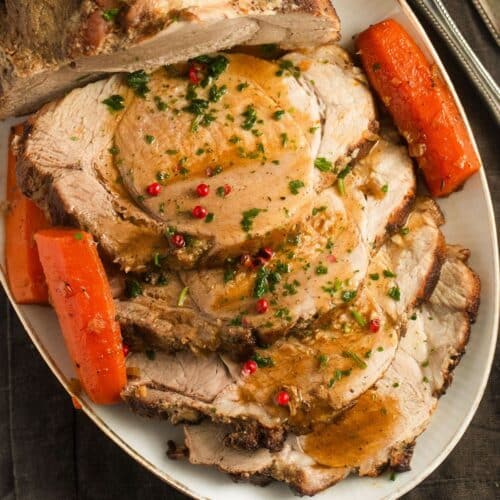
Credit: whereismyspoon.co
Frequently Asked Questions
What Is The Best Temperature For Cooking Pork Loin?
Cooking pork loin in a Dutch oven is best at 325°F. This temperature ensures the meat cooks evenly and remains juicy. Preheat the oven and use a meat thermometer to check for doneness. Aim for an internal temperature of 145°F before letting it rest.
How Long To Cook Pork Loin In Dutch Oven?
Cooking time for pork loin in a Dutch oven is typically 25 minutes per pound. Ensure the oven is preheated to 325°F. Use a meat thermometer to check doneness. The pork should reach an internal temperature of 145°F. Let it rest for 10 minutes before slicing.
Can I Add Vegetables To The Dutch Oven?
Yes, adding vegetables enhances flavor and creates a complete meal. Carrots, potatoes, and onions work well. Place them around the pork loin for even cooking. Vegetables will absorb the juices, becoming tender and flavorful. Adjust cooking time based on vegetable size.
Should I Sear Pork Loin Before Baking?
Searing pork loin before baking is recommended for flavor and texture. Heat oil in the Dutch oven, then sear each side until browned. Searing locks in juices and enhances taste. After searing, proceed with baking the pork loin at the recommended temperature.
Conclusion
Cooking pork loin in a Dutch oven is simple and rewarding. You get tender, juicy meat with a rich flavor. Just follow the steps carefully and watch the heat. The Dutch oven helps cook evenly and keeps the meat moist.
Try different herbs and spices to suit your taste. This method saves time and effort. Enjoy a delicious meal with family or friends. Cooking at home has never been easier or tastier. Give it a try and see the difference yourself.