

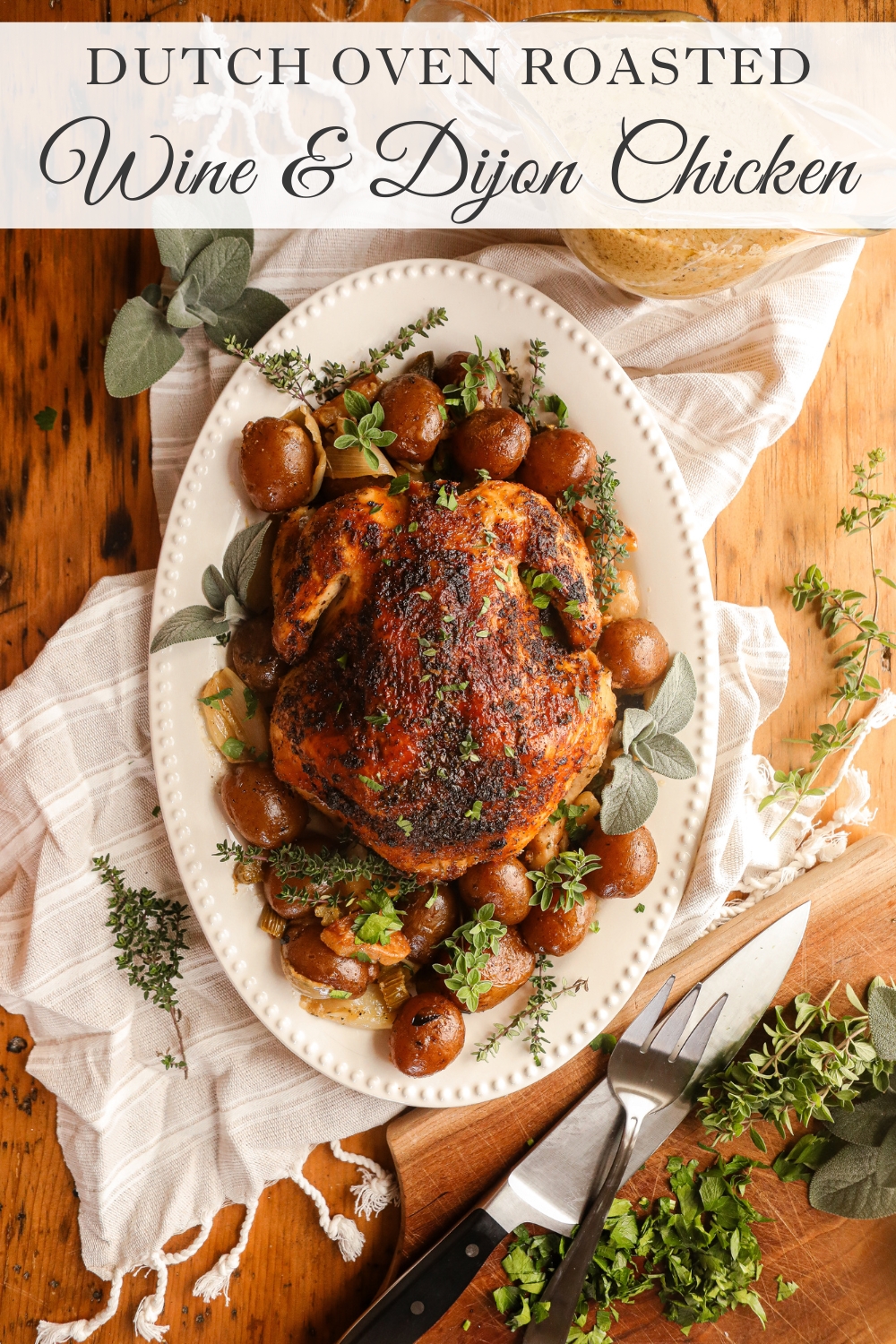
Cooking a whole chicken in a Dutch oven is easier than you might think. Imagine biting into juicy, tender meat with crispy, golden skin—all made in one pot.
You don’t need fancy skills or complicated tools to get this right. Whether you’re cooking for your family or hosting friends, this method will save you time and deliver amazing flavor. Keep reading, and you’ll discover simple steps to make a delicious, comforting meal that everyone will love.
Your kitchen is about to become your favorite place.
Credit: www.sugarmaplefarmhouse.com
Choosing The Right Chicken
Choosing the right chicken is the first and most important step to cooking a delicious whole chicken in your Dutch oven. The quality and size of the bird directly affect cooking time, flavor, and how well it fits inside your pot. Taking time to pick the perfect chicken ensures your meal turns out tender and juicy every time.
Whole Chicken Size Guide
Size matters when selecting your chicken. Most Dutch ovens work best with birds between 3 to 5 pounds. This size fits comfortably, allowing heat to circulate evenly.
Too small, and the chicken might dry out quickly. Too large, and it may not cook evenly or fit inside your pot. Consider your Dutch oven’s diameter and depth before buying.
| Chicken Size | Approximate Weight | Cooking Time Estimate |
|---|---|---|
| Small | 3 – 4 lbs (1.4 – 1.8 kg) | 1 hour 15 minutes |
| Medium | 4 – 5 lbs (1.8 – 2.3 kg) | 1 hour 30 minutes |
| Large | 5 – 6 lbs (2.3 – 2.7 kg) | 1 hour 45 minutes |
Fresh Vs. Frozen Chicken
Deciding between fresh and frozen chicken affects your cooking prep and flavor. Fresh chicken often has a better texture and flavor. It usually cooks faster and absorbs seasoning more effectively.
Frozen chicken requires thawing, which can take time but is convenient for last-minute meal planning. If you choose frozen, thaw it fully in the refrigerator to ensure even cooking.
Have you noticed how fresh chicken sometimes produces a richer broth when cooking in a Dutch oven? That’s because the natural juices stay intact better than in frozen birds.

Credit: www.theseasonedmom.com
Preparing The Chicken
Preparing the chicken is a key step for a juicy, flavorful roast. Clean the bird carefully to remove any unwanted parts. Drying the chicken well helps the skin crisp up during cooking. Seasoning adds taste and aroma that fill your kitchen. Stuffing the chicken brings extra flavor and moisture inside. Each part of preparation makes a difference in the final dish.
Cleaning And Patting Dry
Remove the chicken from its packaging. Check inside the cavity for any giblets or neck pieces. Rinse the chicken under cold water briefly. Use paper towels to pat the chicken completely dry. Dry skin helps achieve a golden, crispy finish. Avoid soaking the chicken to keep the skin firm.
Seasoning Options
Start with salt and pepper for basic flavor. Add garlic powder or minced garlic for a rich taste. Sprinkle paprika for a smoky touch and nice color. Fresh or dried herbs like rosemary, thyme, or sage work well. Rub olive oil or melted butter on the skin to lock in moisture. Mix spices and herbs to create your own blend.
Stuffing Ideas
Fill the cavity with aromatics to enhance flavor. Use quartered onions, garlic cloves, and lemon halves. Fresh herbs like rosemary or thyme add a lovely scent. For a moist interior, add apple or orange slices. Avoid overstuffing to allow even cooking. The stuffing infuses the meat from the inside out.
Selecting The Dutch Oven
Selecting the right Dutch oven is key to cooking a whole chicken perfectly. The pot must hold heat evenly and fit the chicken comfortably. Choosing the best material and size makes a big difference in cooking results. Here is what to consider.
Material Choices
Cast iron is a favorite for Dutch ovens. It holds heat well and cooks evenly. Enamel-coated cast iron is easier to clean and prevents rust. Steel Dutch ovens heat up quickly but may have hot spots. Ceramic options look nice but can be fragile. Pick a material that fits your cooking style and care routine.
Size Recommendations
The size of the Dutch oven must fit your whole chicken with room to spare. A 5 to 7-quart pot works well for chickens up to 5 pounds. Larger chickens need at least 7 quarts to cook evenly. Too small a pot crowds the chicken and blocks heat flow. Too large a pot wastes energy and takes longer to heat.

Credit: www.theirishmanswife.com
Cooking Setup
Setting up your Dutch oven correctly ensures a perfectly cooked whole chicken. The right preparation creates great flavor and even cooking. Small steps in the setup make a big difference in taste and texture.
Preheating The Dutch Oven
Preheat the Dutch oven over medium heat for about 5 minutes. This warms the pot evenly and prevents the chicken from sticking. A hot pot also helps to brown the chicken skin nicely. Avoid overheating to stop burning the oil or aromatics later.
Adding Aromatics And Vegetables
Place chopped onions, garlic, carrots, and celery at the bottom of the Dutch oven. These ingredients add rich flavor and moisture to the chicken. Spread them in an even layer to create a natural roasting rack. The vegetables will cook slowly and soak up delicious juices from the chicken.
Cooking Process
Cooking a whole chicken in a Dutch oven creates tender, flavorful meat with crispy skin. The process involves careful steps to ensure the chicken cooks evenly and stays juicy. Each stage plays a crucial role in developing taste and texture. Follow the instructions below for perfect results every time.
Searing The Chicken
Searing locks in juices and adds rich color to the chicken skin. Heat the Dutch oven over medium-high heat and add a small amount of oil. Place the chicken breast-side down carefully. Cook until the skin turns golden brown, about 5 to 7 minutes. Turn the chicken to brown the other sides evenly. Remove the chicken and set it aside before roasting.
Oven Temperature And Timing
Preheat the oven to 375°F (190°C) for even cooking. Place the seared chicken back into the Dutch oven, breast-side up. Cover with the lid to trap moisture and heat. Roast for 60 to 90 minutes depending on the chicken size. Avoid opening the oven too often to keep heat steady. Let the chicken rest for 10 minutes after cooking to keep juices inside.
Using A Thermometer
A meat thermometer ensures the chicken is cooked safely and perfectly. Insert it into the thickest part of the thigh without touching the bone. The chicken is done when the thermometer reads 165°F (74°C). Check the temperature toward the end of cooking time. This step prevents overcooking and keeps the meat tender.
Resting And Serving
Resting and serving a whole chicken cooked in a Dutch oven is key to a tasty meal. Resting lets the juices settle inside the meat. This keeps the chicken juicy and tender. Serving it right after resting makes the experience even better.
Resting Time
After cooking, let the chicken rest for 10 to 15 minutes. Cover it loosely with foil to keep warm. Resting helps the juices spread evenly. Cutting too soon causes the juices to run out. This makes the meat dry.
Carving Tips
Use a sharp knife or carving set for clean cuts. Start by removing the legs and thighs. Then, cut the breasts from the bone in smooth strokes. Slice against the grain for tender pieces. Arrange the pieces neatly on a serving platter.
Serving Suggestions
- Serve with roasted vegetables for a balanced meal.
- Pair with mashed potatoes or rice for comfort food.
- Add a fresh green salad for lightness.
- Offer warm bread or rolls to soak up juices.
- Drizzle pan juices or gravy over the chicken for extra flavor.
Troubleshooting Tips
Cooking a whole chicken in a Dutch oven can sometimes lead to small problems. These issues are easy to fix with simple tips. Knowing how to solve common problems helps make your chicken juicy and tasty every time. Here are some helpful troubleshooting tips to improve your cooking results.
Dry Or Overcooked Chicken
Dry chicken happens when it cooks too long or at too high heat. Use a meat thermometer to check the temperature. The ideal internal temperature is 165°F (75°C). Remove the chicken from heat as soon as it reaches this point.
Rest the chicken for 10-15 minutes before cutting. This keeps the juices inside and makes it moist. Cover the Dutch oven with a tight lid to lock in moisture while cooking.
Uneven Cooking
Uneven cooking means some parts are done, while others are raw. Turn the chicken halfway through cooking to cook it evenly. Make sure the Dutch oven lid fits well to keep heat consistent.
Use a rack inside the Dutch oven to lift the chicken. This allows heat to circulate around the bird. Place the Dutch oven on the middle oven rack for steady heat distribution.
Enhancing Flavor
Add herbs like rosemary, thyme, or garlic inside the chicken cavity for extra taste. Baste the chicken with its juices every 20 minutes to keep it flavorful.
Use broth or wine in the Dutch oven to create a tasty base. Vegetables like onions, carrots, and celery also add rich flavors during cooking.
Frequently Asked Questions
How Long To Cook A Whole Chicken In A Dutch Oven?
Cook a whole chicken in a Dutch oven for about 1 to 1. 5 hours. Use 350°F (175°C) oven temperature. Ensure the internal temperature reaches 165°F (74°C) for safe consumption. Cooking time varies by chicken size and oven accuracy.
What Temperature Is Best For Dutch Oven Chicken?
Bake the chicken at 350°F (175°C) in the Dutch oven. This temperature cooks the bird evenly. It keeps the meat juicy and tender. Avoid higher heat to prevent drying out the chicken.
Should I Use Vegetables When Cooking Chicken In A Dutch Oven?
Yes, add vegetables like carrots, onions, and potatoes. They enhance flavor and absorb chicken juices. Place them under or around the chicken for even cooking. This also creates a delicious side dish.
How To Keep Dutch Oven Chicken Moist And Tender?
To keep chicken moist, sear it first on high heat. Then cook it covered to trap steam. Baste occasionally with juices during cooking. Use a meat thermometer to avoid overcooking.
Conclusion
Cooking a whole chicken in a Dutch oven is simple and rewarding. The pot keeps the chicken juicy and tender. You only need a few ingredients and some patience. This method works well for family meals or special dinners. Try adding your favorite herbs and vegetables for extra flavor.
Enjoy a delicious, home-cooked meal with minimal effort. Give it a try and taste the difference yourself. Cooking with a Dutch oven makes dinner easy and satisfying.