
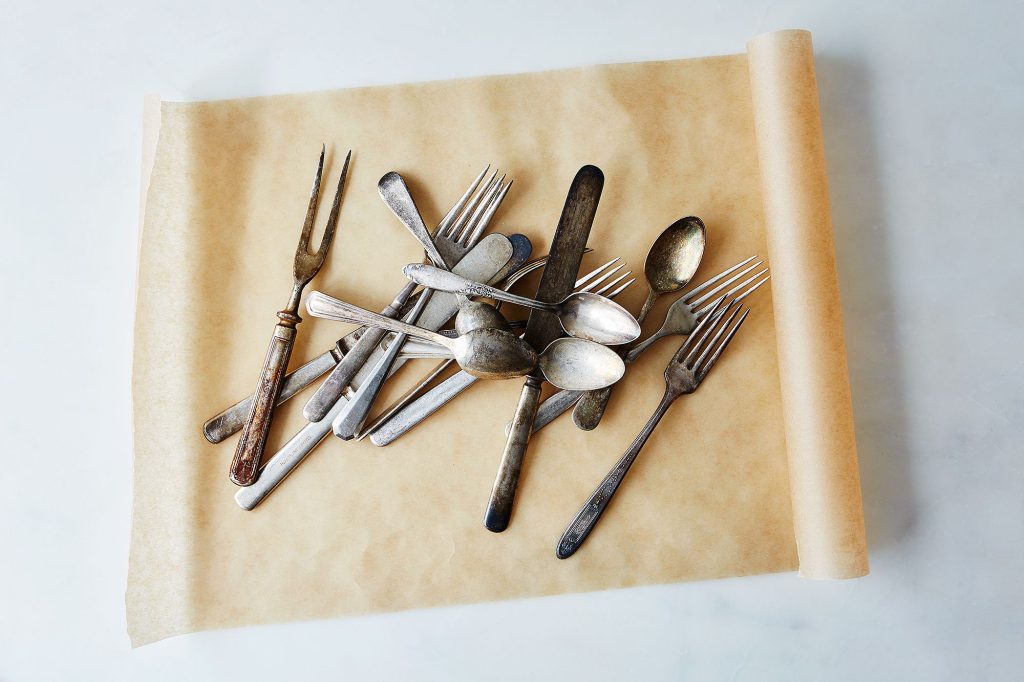
Your silver cutlery is more than just utensils—it’s a part of your family’s special moments and celebrations. But over time, those beautiful pieces can lose their shine and become dull or tarnished.
You might think cleaning silver cutlery is tricky or time-consuming, but it doesn’t have to be. You’ll discover simple, effective methods to restore your silverware’s sparkle quickly and easily. Keep reading, and you’ll learn how to bring back that gleam, making your cutlery look as good as new every time you use it.
Choosing The Right Cleaning Method
Choosing the right cleaning method for your silver cutlery is essential to keep it looking its best without causing damage. Different conditions and types of tarnish require different approaches. Taking a moment to evaluate your silverware’s state and deciding between homemade or commercial cleaners can save you time and effort.
Assessing Silver Cutlery Condition
Start by examining your silver cutlery closely. Is the tarnish light and patchy, or is it heavy and covering the entire surface? Small scratches or dents also affect which cleaning method will work best.
If your cutlery has delicate patterns or engravings, you’ll want to avoid harsh scrubbing that could wear them down. Silver-plated items need extra care because aggressive cleaning can remove the plating. Ask yourself: How often do you use this cutlery? Frequent use usually means lighter tarnish, while storage might cause more stubborn spots.
Homemade Vs Commercial Cleaners
Homemade solutions can be gentle and cost-effective. Common ingredients like baking soda, vinegar, and lemon juice offer safe ways to remove tarnish without harsh chemicals. For instance, a simple paste of baking soda and water can restore shine with minimal risk.
Commercial cleaners promise quick results but often contain stronger chemicals. These can be effective on heavy tarnish but may also strip delicate finishes if misused. Consider your comfort with these products and always test on a small area first.
- Homemade cleaners:safer for regular use, eco-friendly, and budget-friendly.
- Commercial cleaners:effective for tough tarnish, but require caution and sometimes gloves.
What kind of cleaner fits your lifestyle and silverware type? Trying a mild homemade remedy first often reveals if you need something stronger. Remember, the goal is a sparkling finish without damage.

Credit: www.sambonet.com
Basic Cleaning Techniques
Basic cleaning techniques keep silver cutlery shiny and free from dirt. These methods use items found in most homes. They are safe and easy to follow. Regular cleaning stops tarnish and damage. Start with simple steps for best results.
Gentle Soap And Water Wash
Use warm water with mild soap to clean silver cutlery. Avoid harsh detergents that can harm the silver. Dip a soft cloth or sponge into the soapy water. Gently wipe each piece to remove dirt and oils. Rinse well with clean water to remove soap. Dry immediately with a soft towel to prevent water spots.
Using Baking Soda Paste
Baking soda is a mild abrasive that removes tarnish effectively. Mix baking soda with a little water to form a paste. Apply the paste to the silver using a soft cloth or sponge. Rub gently in circular motions to clean the surface. Rinse thoroughly with warm water to remove all paste. Dry the cutlery carefully with a soft cloth to keep shine.
Removing Tarnish Effectively
Tarnish makes silver cutlery look dull and old. Removing it restores shine and beauty. Simple household items help clean tarnish safely and effectively. These natural methods are quick and gentle on silver.
Aluminum Foil And Baking Soda Trick
This trick uses a chemical reaction to remove tarnish fast. Start by lining a bowl with aluminum foil. Add hot water and mix in baking soda until it dissolves.
Place silver cutlery in the bowl, making sure it touches the foil. The tarnish transfers from silver to foil. Leave cutlery for a few minutes.
Remove the pieces and rinse with clean water. Dry with a soft cloth to reveal shiny silver. This method cleans without scrubbing or harsh chemicals.
Lemon Juice And Salt Application
Lemon juice and salt create a natural cleaner for silver. Mix fresh lemon juice with a pinch of salt to make a paste. Apply the paste gently on tarnished areas using a soft cloth.
Rub lightly until the tarnish starts to fade. Let the paste sit for a few minutes for tough spots. Rinse the cutlery with warm water and dry thoroughly.
This method brightens silver and leaves a fresh scent. Avoid soaking silver in lemon juice for too long to prevent damage.
Credit: www.dceastleigh.org
Polishing For Extra Shine
Polishing your silver cutlery is key to bringing out that brilliant shine that catches everyone’s eye. Even after cleaning, a good polish removes tiny tarnish spots and smooths the surface, making your silverware look nearly new again. Are you ready to learn how to add that extra sparkle with simple, effective techniques?
Using Silver Polishing Cloths
Silver polishing cloths are soft, treated fabrics designed specifically to clean and polish silver without scratching it. You just need to rub the cloth gently over each piece of cutlery, focusing on any dull or tarnished areas. This method is quick and mess-free, making it perfect for regular upkeep.
What’s great is that these cloths contain small amounts of polishing agents embedded in the fibers. This means you don’t have to add any creams or liquids, which is especially handy if you want a fast touch-up before guests arrive. Keep a polishing cloth in your silverware drawer for easy access whenever your cutlery needs a shine boost.
Applying Silver Polish Cream
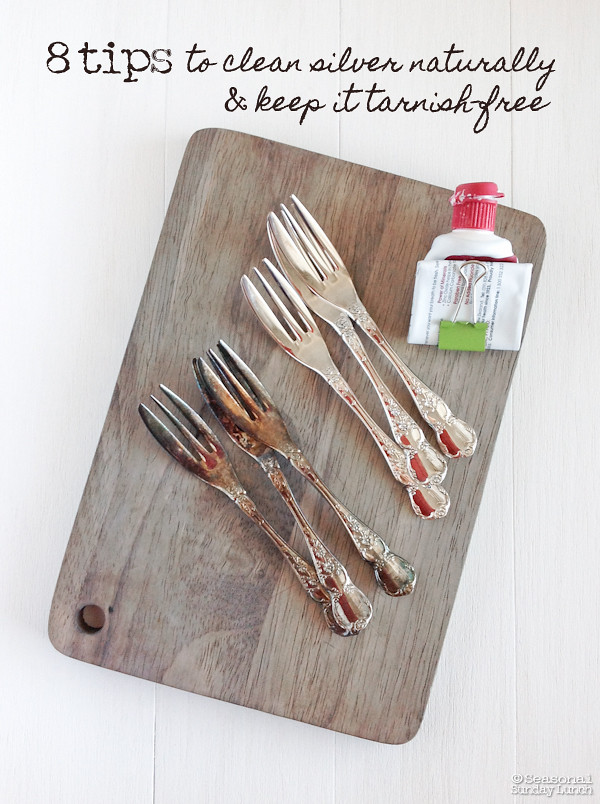
Silver polish cream is a thicker product that provides a deeper clean and shine than cloths alone. Apply a small amount to a soft cloth and rub it gently on your cutlery, covering all surfaces. The cream works to remove stubborn tarnish and restore the silver’s natural glow.
After polishing, rinse the cutlery with warm water and dry it thoroughly with a clean towel to avoid water spots. Using polish cream might take a few extra minutes, but it’s worth it for those special occasions when your silver needs to look flawless. Have you noticed how creamy polishes can revive even the most tired-looking pieces?
Preventing Tarnish Build-up
Regularly washing silver cutlery after use prevents tarnish build-up. Storing pieces in dry, anti-tarnish cloth keeps them shiny longer. Avoid exposure to air and moisture to maintain their bright look.
Preventing tarnish build-up on silver cutlery keeps it shining. Tarnish dulls the appearance, reducing its elegance. Understanding how tarnish forms helps in preventing it. Oxygen and moisture cause silver to tarnish. Keeping silver away from them is crucial.Proper Storage Tips
Store silver cutlery in a dry place. Moisture speeds up tarnish. Use special anti-tarnish cloths or bags. These materials absorb moisture, protecting the silver. Ensure each piece is wrapped separately. This prevents scratches and keeps them clean. Avoid wooden drawers, as wood can release gases. Opt for felt-lined compartments for better protection.Regular Maintenance Routine
Clean silver cutlery regularly. Frequent cleaning prevents tarnish build-up. Use a soft cloth to wipe after each use. This removes any residue that can cause tarnish. Monthly deep cleaning is beneficial. Use mild soap and warm water for washing. Dry each piece thoroughly to avoid moisture. Periodically polish silver with a gentle polish. This enhances shine and adds a protective layer. Implementing these practices ensures your silver cutlery remains pristine. Regular care prevents tarnish and maintains its beauty.
Credit: www.youtube.com
Handling Delicate Or Antique Pieces
Handling delicate or antique silver cutlery requires a gentle touch and mindful care. These pieces often carry sentimental or monetary value and may have fragile details that harsh cleaning can damage. Treating them with respect ensures they stay beautiful for years to come.
Special Care Instructions
Start by avoiding abrasive cleaners or rough cloths that can scratch silver’s surface. Use a soft microfiber cloth and a mild, non-lemon based soap diluted in warm water.
Gently rub the cutlery without pressing too hard, especially around intricate designs or engraved areas. Pat dry immediately with a soft towel to prevent water spots.
Store your silver pieces wrapped in acid-free tissue paper or in a tarnish-resistant cloth pouch. This protects them from air exposure and reduces tarnishing over time.
When To Seek Professional Help
If your silver cutlery has deep scratches, heavy tarnish, or structural damage, professional cleaning might be necessary. Experts have specialized tools and knowledge to restore delicate antiques without causing harm.
Unsure if you should try cleaning yourself? Ask yourself if the piece is irreplaceable or holds significant value. If yes, it’s safer to consult a professional to avoid accidental damage.
Remember, a professional can also advise on long-term care to preserve your silver’s condition. Don’t hesitate to reach out — your treasured cutlery deserves expert attention when needed.
Frequently Asked Questions
How Do You Remove Tarnish From Silver Cutlery?
To remove tarnish, use a silver polish or a baking soda paste. Gently rub with a soft cloth, then rinse and dry. Avoid abrasive materials to prevent scratches.
Can I Clean Silver Cutlery With Household Items?
Yes, you can use baking soda, vinegar, or lemon juice. Mix them into a paste or soak briefly. Always rinse thoroughly and dry immediately to avoid damage.
How Often Should I Clean Silver Cutlery?
Clean silver cutlery after every use to prevent tarnish buildup. Regular polishing maintains shine and prolongs its life. Store in anti-tarnish cloth when not used.
Is It Safe To Clean Silver Cutlery In A Dishwasher?
Avoid cleaning silver cutlery in a dishwasher. Harsh detergents and heat can cause tarnish and damage. Handwashing with mild soap is recommended for best results.
Conclusion
Cleaning silver cutlery does not have to be hard or time-consuming. Use gentle methods to keep your silver shiny and bright. Regular care stops tarnish and damage early. Simple household items often work best for cleaning. With these easy tips, your silver will always look its best.
Keep your cutlery clean and enjoy its beauty for years. Small efforts make a big difference in maintaining silver. Try these steps and see how well they work. Your silver deserves good care, and you can do it.