

Choosing the right kitchen knife can change the way you cook. It’s not just about having a sharp blade; it’s about finding a knife that fits your hand, your style, and your needs.
Imagine slicing through vegetables smoothly or carving meat with ease. Sounds great, right? But with so many options, how do you pick the perfect one for you? Keep reading, and you’ll discover simple tips that make choosing your ideal kitchen knife easy and even enjoyable.
Your cooking will thank you.
Types Of Kitchen Knives
Kitchen knives come in various shapes and sizes. Each type serves a specific purpose in food preparation. Choosing the right knife depends on the tasks you do most in the kitchen. Understanding the main types helps you pick the perfect knife for your needs.
Chef’s Knife
The chef’s knife is the most versatile tool in the kitchen. It usually has a broad, sharp blade around 8 to 10 inches long. This knife is perfect for chopping, slicing, and dicing vegetables, fruits, and meats. It fits well in most kitchens and suits many cooking styles.
Paring Knife
The paring knife is small with a blade about 3 to 4 inches long. It is ideal for peeling, trimming, and precise cutting tasks. This knife works well for fruits and vegetables that need careful handling. Its size makes it easy to control for detailed work.
Serrated Knife
Serrated knives have a saw-like edge that cuts through tough surfaces easily. They are best for slicing bread, tomatoes, and other soft items with a firm skin. This knife helps make clean cuts without crushing the food.
Utility Knife
The utility knife is a medium-sized knife, usually 4 to 7 inches long. It is a good all-around tool for tasks that are too small for a chef’s knife. It can handle cutting sandwiches, slicing small fruits, and trimming meat.
Specialty Knives
Specialty knives serve unique purposes in the kitchen. Examples include boning knives, fillet knives, and cleavers. These knives are designed for specific tasks like removing bones, filleting fish, or chopping through bones. They help improve efficiency for those particular jobs.

Credit: www.wired.com
Blade Materials
Choosing the right blade material is crucial for kitchen knives. The blade material affects sharpness, durability, and maintenance. Different materials suit different cooking styles and care routines. Understanding each type helps pick a knife that fits daily kitchen tasks.
Stainless Steel
Stainless steel blades resist rust and stains well. They require less care and stay sharp for a long time. These blades are ideal for general kitchen use. They handle acidic foods without damage. Stainless steel knives are easy to clean and maintain.
Carbon Steel
Carbon steel blades are very sharp and strong. They hold an edge longer than stainless steel. These blades need regular oiling to prevent rust. Carbon steel knives develop a unique patina over time. They are preferred by chefs who want precise cutting.
Ceramic Blades
Ceramic blades are extremely hard and stay sharp for months. They do not rust or stain at all. These knives are lightweight and easy to handle. Ceramic blades can chip if dropped or used on hard surfaces. They are best for slicing fruits and vegetables.
Blade Construction
Your kitchen knife’s blade construction plays a crucial role in how it performs daily tasks. It affects sharpness, durability, and comfort during use. Understanding the differences in blade types helps you pick a knife that feels right in your hand and lasts through countless meals.
Forged Vs. Stamped
Forged blades are made by heating a solid piece of steel and shaping it with a hammer. This process creates a denser, stronger blade that holds its edge well. Forged knives often feel heavier and more balanced, which some cooks prefer for precision and control.
Stamped knives are cut from a large sheet of steel and then shaped and sharpened. They tend to be lighter and less expensive, making them a good choice if you want something easy to handle or are on a budget. However, they usually don’t last as long or hold an edge as well as forged knives.
Think about how you use your knife—do you want a heavier tool that feels solid or something lighter and quicker? Your cutting style and comfort should guide this choice.
Full Tang Importance
The term “full tang” means the metal of the blade extends all the way through the handle. This design improves the knife’s strength and balance, giving you better control and safety. Knives with partial tangs or no tang at all often feel less sturdy and can break under pressure.
In my kitchen, a full tang chef’s knife has saved me from slips during tough chopping tasks. It gives confidence, especially when working with hard vegetables or dense meats. Do you want your knife to feel like an extension of your hand or something that might wobble?
Choosing a knife with a full tang usually means investing in quality, but it pays off in durability and ease of use. If you want a reliable everyday knife, full tang should be non-negotiable.
Handle Types
The handle of your kitchen knife plays a crucial role in how comfortable and safe your cutting experience will be. Different materials offer unique benefits and challenges, so understanding each type helps you pick the best fit for your cooking style. Consider how the handle feels in your hand—does it provide a solid grip? Is it easy to clean? These questions can guide your choice.
Wood Handles
Wood handles offer a classic look and a warm feel in your hand. They provide good grip when dry, but can become slippery if wet, so maintenance is key. If you enjoy a traditional touch and don’t mind occasional oiling to keep the wood from drying out, this might be your ideal handle.
Many chefs appreciate wood for its natural feel and aesthetic. However, if you often work with wet hands or prefer dishwasher-safe tools, wood might require extra care. Have you noticed how a wooden handle feels compared to other materials when chopping for long periods?
Plastic And Composite
Plastic and composite handles are popular for their durability and ease of cleaning. They resist moisture well, making them a practical choice if you want low-maintenance knives. Some composites mimic the look of wood but with better water resistance and less upkeep.
These handles often come with textured surfaces to improve grip, which is helpful if you work quickly or with slippery ingredients. They can feel lighter in your hand, affecting control—do you prefer a heavier or lighter knife for your cooking tasks? This could influence your choice here.
Metal Handles
Metal handles, typically stainless steel or aluminum, offer a sleek and modern look with excellent durability. They are usually very easy to clean but can become slippery if your hands are wet or greasy. Some metal handles include grooves or patterns to improve grip, but they can still feel cold or hard during extended use.
If you value a knife that lasts and looks sharp on your countertop, metal might be your choice. However, if comfort during long prep sessions matters to you, test how the handle feels in your hand before buying. How much do you prioritize durability over comfort when selecting a knife handle?
Knife Size And Weight
Choosing the right kitchen knife size and weight impacts your cooking experience. The knife must feel natural and easy to handle. A knife that is too big or too heavy causes strain. One that is too small might slow your work. Understanding size and weight helps you pick the best knife.
Choosing The Right Length
Knife length affects control and cutting ability. Shorter knives (6 to 8 inches) work well for small tasks. They offer precision and easy handling. Longer knives (8 to 10 inches) handle bigger foods like melons or large cuts of meat. Choose a length that fits your hand size and typical kitchen tasks.
Balancing Weight And Comfort
Knife weight changes how it feels during use. A heavy knife cuts through tough foods with less effort. A lighter knife allows faster, more precise cuts. Find a balance where the knife feels steady but not tiring. Hold different knives to compare weight and grip. Comfort matters most for long cooking sessions.
Maintenance And Care
Keeping your kitchen knife in top shape is just as important as choosing the right one. Proper maintenance and care extend its life and improve your cooking experience. You’ll notice sharper cuts and safer handling when your blade is well cared for.
Sharpening Techniques
A dull knife is more dangerous than a sharp one. You can sharpen your knife using a whetstone, honing rod, or an electric sharpener. Each tool has its own technique; for instance, a whetstone requires a steady angle, usually around 15-20 degrees.
Try to sharpen your knife regularly, but not too often—over-sharpening can wear down the blade. If you’re unsure, watch a few tutorial videos to get the angle right. Have you ever noticed how much easier chopping becomes with a freshly sharpened knife?
Cleaning Tips
Cleaning your knife correctly prevents damage and keeps it hygienic. Avoid putting your knives in the dishwasher; the heat and detergent can ruin the blade and handle. Instead, wash them by hand with warm soapy water and dry immediately with a towel.
Never leave your knife soaking in the sink. Water can cause rust or loosen the handle. Have you ever experienced a rusty knife that just wouldn’t cut smoothly? Proper cleaning avoids that frustration.
Storage Solutions
How you store your knife affects its sharpness and safety. Use a knife block, magnetic strip, or blade guard to protect the edge and prevent accidents. Tossing knives into a drawer can lead to nicks and dullness.
If space is tight, a magnetic strip on the wall keeps your knives accessible and safe. Think about your kitchen layout—where can you easily reach your knives without risking damage or injury?
Budget Considerations
Choosing a kitchen knife involves thinking about your budget. Knives come in many price ranges, each offering different features and quality. Knowing your spending limit helps you find the best knife for your needs without overspending. Here are some budget categories to consider.
Entry-level Options
Entry-level knives are perfect for beginners or light kitchen use. They usually cost less but still offer decent sharpness and durability. These knives often have simpler designs and basic materials. They work well for simple tasks like slicing fruits or vegetables.
- Made from stainless steel or basic carbon steel
- Lightweight and easy to handle
- Affordable prices, often under $30
- Good for casual cooking and small kitchens
Mid-range Picks
Mid-range knives provide better materials and craftsmanship. They suit home cooks who cook often and want a reliable tool. These knives balance price and quality. Expect sharper blades, more comfortable handles, and longer-lasting edges.
- Higher-quality stainless or carbon steel
- Ergonomic handles for comfort
- Prices typically range from $30 to $100
- Durable and versatile for many kitchen tasks
Investment Knives
Investment knives are for serious cooks and professionals. These knives offer premium steel, expert craftsmanship, and superior balance. They can last a lifetime with proper care. They often come with warranties and special features.
- High-carbon stainless steel or specialty alloys
- Handcrafted or precision-forged blades
- Prices usually exceed $100 and can reach several hundred dollars
- Exceptional sharpness and edge retention
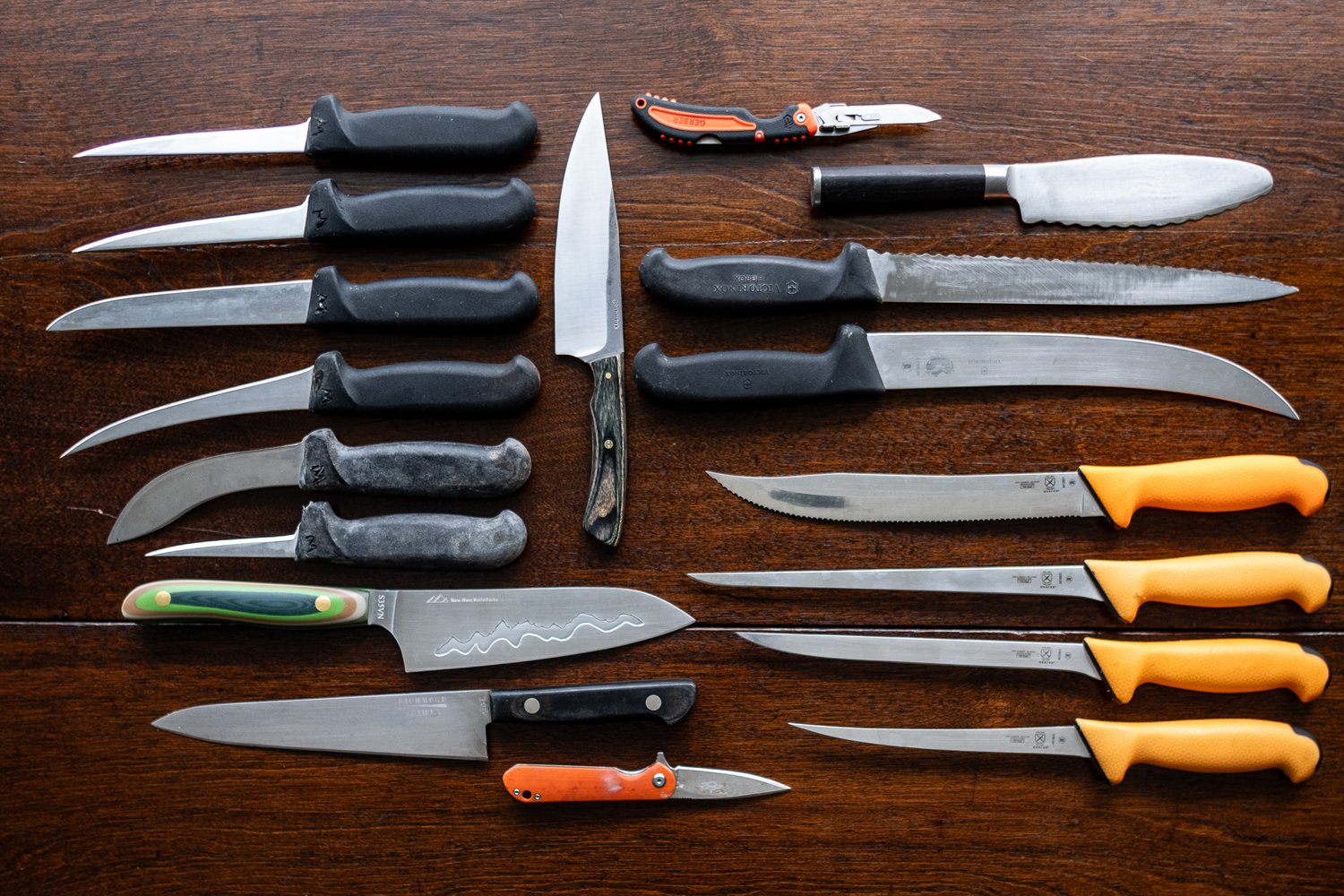
Credit: elevatedwild.com
Testing And Handling
Testing and handling a kitchen knife before buying ensures it fits your cooking style. Trying the knife in hand helps judge its weight and balance. This makes cutting tasks safer and more efficient. Focus on three key areas during testing: grip and comfort, cutting performance, and safety features.
Grip And Comfort
Hold the knife firmly to check its grip. The handle should feel secure without slipping. Look for materials like wood, rubber, or textured plastic. They improve hold, especially when hands are wet or oily. Notice if the knife feels heavy or light. A balanced knife reduces hand fatigue during long use.
Cutting Performance
Test the blade on different foods like vegetables, meat, and bread. It should slice smoothly without much force. A sharp edge helps cut thin, even pieces. Notice if the blade stays steady or wobbles. Stable blades provide better control and precision. Check if the knife is easy to clean after use.
Safety Features
- Look for a finger guard to prevent slips onto the blade.
- Check if the handle offers a non-slip grip.
- A full tang blade adds stability and strength.
- Consider knives with rounded tips to avoid accidents.
Testing these features lowers the chance of cuts and injuries. Always pick a knife that feels safe and secure in your hand.
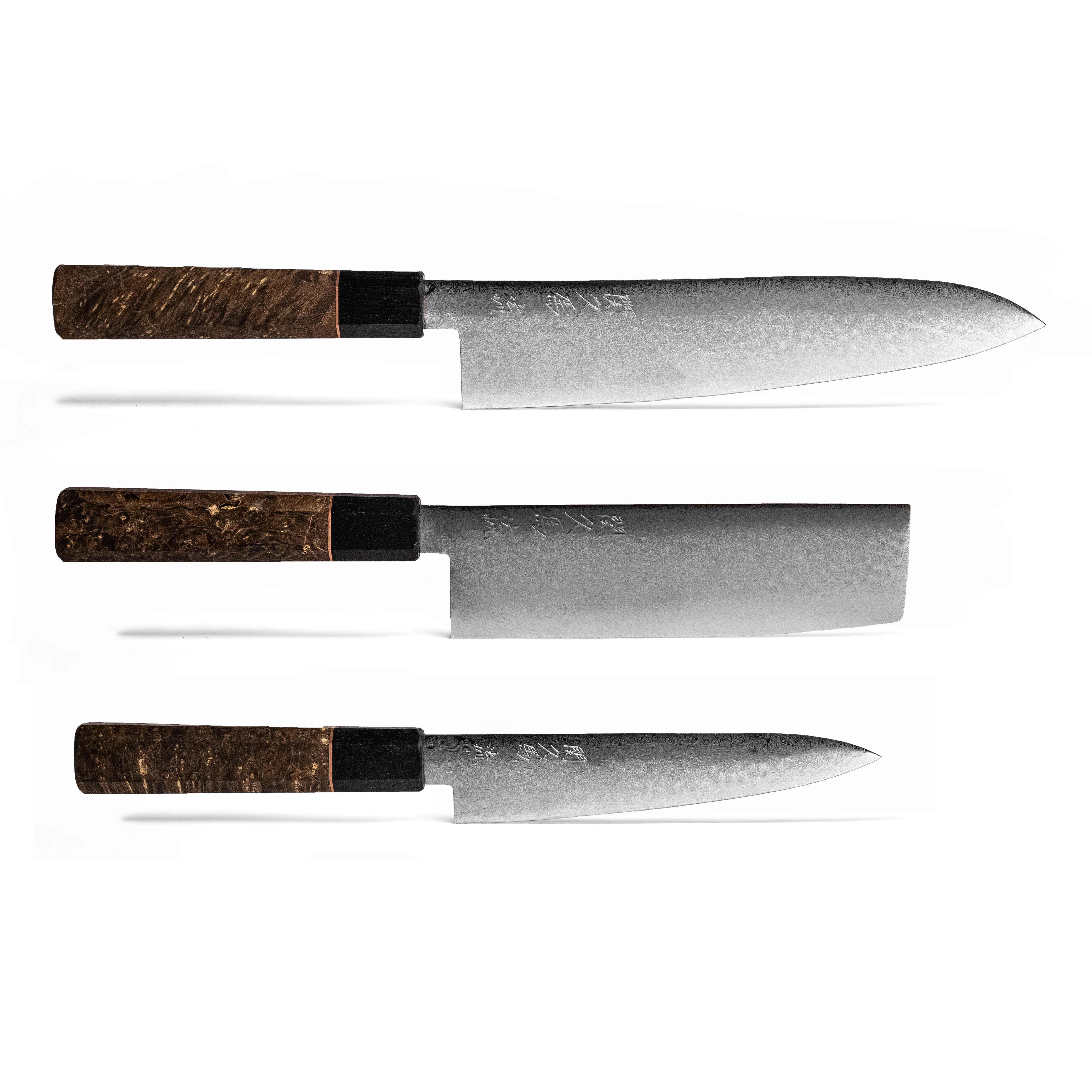
Credit: oishya.com
Frequently Asked Questions
What Knife Types Are Essential For Every Kitchen?
A chef’s knife, paring knife, and serrated knife are essential. They handle most kitchen tasks efficiently, from chopping to slicing bread.
How Do I Choose A Knife Based On Blade Material?
Choose stainless steel for durability and rust resistance. High-carbon steel offers sharper edges but requires more maintenance.
What Knife Size Suits Beginner Cooks Best?
An 8-inch chef’s knife is ideal for beginners. It’s versatile, easy to handle, and suitable for most cutting tasks.
How Important Is The Knife Handle Material?
Handle material affects grip, comfort, and safety. Wood offers a natural feel, while synthetic handles are durable and water-resistant.
Conclusion
Choosing the right kitchen knife makes cooking easier and safer. Think about what you cook most and pick a knife that fits those tasks. Handle comfort and blade quality matter a lot. A good knife lasts longer and feels better in your hand.
Take your time to try different knives before buying. This helps you find the best fit for your kitchen. A sharp, comfortable knife makes every meal more enjoyable. Simple choices lead to better cooking experiences.