

Choosing the perfect dinnerware set for your everyday use might seem simple, but it can actually make a big difference in your daily meals. You want something that looks good, feels comfortable, and can handle the wear and tear of regular use.
Imagine sitting down at your table, knowing your dishes won’t chip, stain, or break easily—how much more enjoyable would your mealtime be? In this guide, you’ll discover practical tips to pick a set that fits your lifestyle, style, and budget.
Keep reading to find out how to make a choice that you’ll love day after day.
Material Options
Choosing the right material for your everyday dinnerware is key. It affects durability, style, and how easy the set is to clean. Each material has its strengths and fits different needs. Consider your lifestyle and preferences when exploring these options.
Porcelain And Bone China
Porcelain and bone china are known for their elegance and strength. They have a smooth, white surface that looks clean and classic. These materials resist chipping and can handle daily use well. Bone china is slightly thinner and lighter than porcelain. Both are microwave and dishwasher safe, making them practical for everyday meals.
Stoneware And Earthenware
Stoneware and earthenware offer a rustic, handmade feel. Stoneware is dense and durable, perfect for frequent use. Earthenware is more porous and can chip easier but adds charm to your table. These materials usually have a textured finish and warm colors. They are safe for microwaves and dishwashers, but handle them with care to avoid cracks.
Glass And Melamine
Glass dinnerware is simple and versatile. It is non-porous, so it won’t absorb stains or odors. Glass can chip, so gentle use is best. Melamine is a lightweight plastic alternative. It is shatterproof and great for families with kids. Melamine comes in many colors and patterns but cannot go in the microwave. Both materials clean easily and suit casual dining.
Set Components
Choosing the right set components shapes your everyday dining experience. Each piece plays a role in daily meals and special moments. Understanding what to include helps create a balanced, practical set. Consider the types and quantities of pieces you need for your lifestyle.
Plates And Bowls
Plates and bowls form the core of any dinnerware set. Choose dinner plates that fit most meals comfortably. Salad or dessert plates add flexibility for lighter dishes. Bowls serve soups, cereals, and snacks. Opt for bowls that are easy to hold and clean.
- Dinner plates: about 10-12 inches wide
- Salad or dessert plates: 7-9 inches wide
- Bowls: 5-7 inches in diameter, deep enough for liquids
Cups And Mugs
Cups and mugs handle hot and cold drinks daily. Smaller cups suit tea or espresso. Larger mugs fit coffee or hot chocolate. Pick sizes that match your drink preferences. Look for sturdy handles and easy-to-clean surfaces.
- Tea or espresso cups: 4-6 oz
- Coffee mugs: 10-16 oz
Serving Pieces
Serving pieces complete your set for shared meals. Include a serving platter for main dishes. Serving bowls work well for salads and sides. Consider utensils like serving spoons and forks. Choose pieces that match your plates and bowls in style and durability.
- Serving platters: large, flat for main dishes
- Serving bowls: medium to large size
- Serving utensils: spoons, forks, ladles
Design And Style
Design and style play a big role in choosing a dinnerware set for everyday use. The right design makes meals more enjoyable. It can brighten your table and match your home’s vibe. The style should feel good to you and fit your daily needs.
Color Choices
Colors affect the mood of your dining area. Neutral colors like white or beige work with many styles. They make food look fresh and clean. Bright colors add energy and fun to meals. Dark colors hide stains well but may show scratches. Choose colors that suit your personality and kitchen lighting.
Patterns And Textures
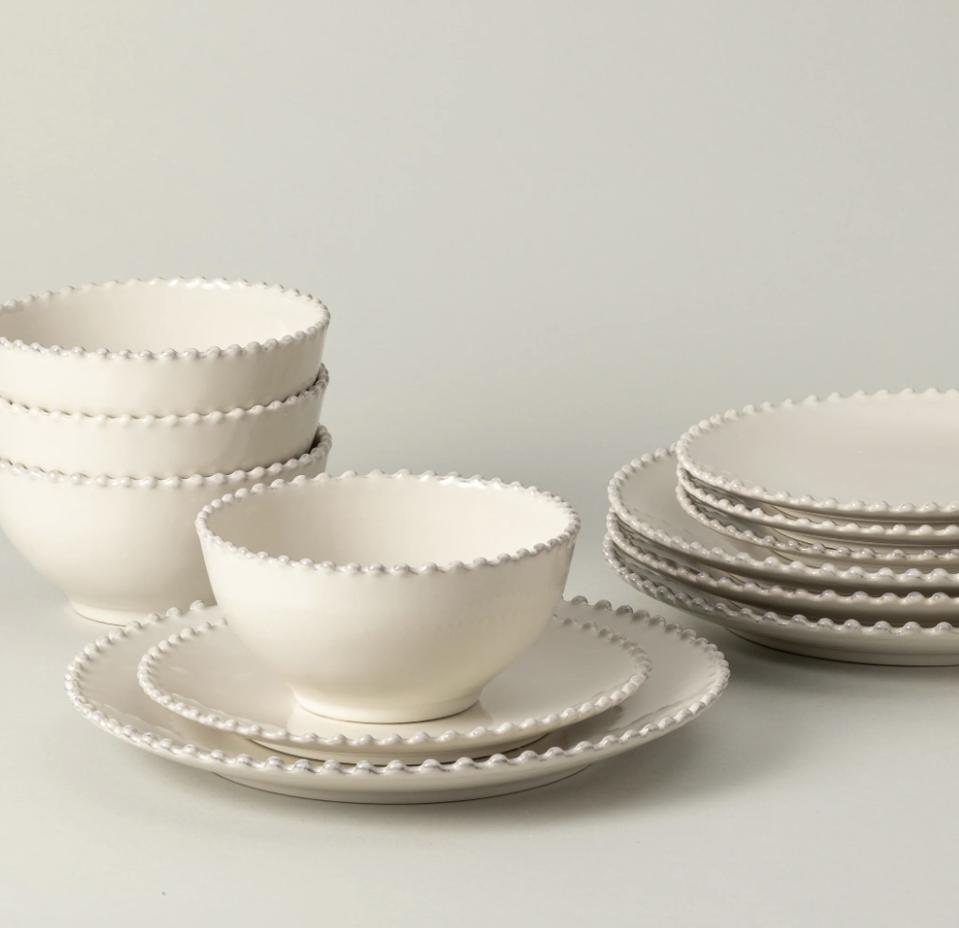
Patterns add character to plain dishes. Simple patterns keep things elegant and easy to mix. Bold patterns create a statement and draw attention. Textures can make plates feel unique and interesting. Smooth finishes look classic, while rough textures add warmth. Pick patterns and textures that match your taste and lifestyle.
Matching With Kitchen Decor
Your dinnerware should blend with your kitchen’s style. Modern kitchens pair well with sleek, minimal sets. Rustic kitchens look great with earthy and handmade styles. Traditional kitchens suit classic and detailed designs. Consider the color and style of cabinets, countertops, and table settings. A well-matched set creates harmony and comfort in your home.

Credit: www.forbes.com
Durability And Maintenance
Choosing a dinnerware set that stands up to daily use means paying close attention to durability and maintenance. You want pieces that hold up well over time without requiring extra care or complicated cleaning routines. This section helps you understand what features to look for so your dinnerware stays beautiful and functional day after day.
Dishwasher And Microwave Safety
Check if the dinnerware is labeled safe for both dishwasher and microwave use. This saves you time and effort during busy days. Personally, I’ve found that sets without this convenience often end up being hand-washed, which can get tedious fast.
Some materials like stoneware and certain ceramics handle microwaves and dishwashers well, while others, such as fine china or hand-painted pieces, may not. Ask yourself: Do you want to heat leftovers directly on the plate? If yes, microwave-safe is essential.
Chip And Scratch Resistance
Daily use means accidental knocks and scrapes, so durability against chips and scratches matters a lot. Look for sets made from tempered glass, porcelain, or melamine, which tend to resist damage better than delicate materials.
I once chose a beautiful but fragile set that quickly showed chips after just a few weeks. Avoiding that hassle means considering durability first, especially if you have kids or frequently entertain guests.
Ease Of Cleaning
How easy it is to clean your dinnerware affects how often you’ll want to use it. Smooth surfaces without intricate designs or deep grooves prevent food from sticking and simplify washing.
Think about your routine. Would you prefer to rinse quickly in the sink or put everything straight in the dishwasher? Selecting easy-to-clean dinnerware keeps your kitchen workflow smooth and stress-free.
Size And Storage
Choose dinnerware with compact sizes for easy stacking and storage. Opt for sets that fit well in cabinets, maximizing space efficiency.
Choosing the perfect dinnerware set for everyday use involves more than just picking a design that catches your eye. Size and storage play crucial roles in ensuring your dinnerware fits seamlessly into your daily life. Whether you’re navigating a small kitchen or simply want to optimize your space, understanding these elements can make a world of difference.Plate And Bowl Dimensions
The dimensions of your plates and bowls are not just about aesthetics. Consider how they fit in your kitchen cabinets and dishwasher. Oversized plates may look grand but can cause headaches if they don’t fit standard racks. Take a tape measure to your storage spaces before purchasing. This small step can save you from constant rearranging or buying additional storage solutions.Stackability
Stackability is your ally in a compact kitchen. Sets that nest neatly help save space and reduce clutter. When shopping, test how the plates and bowls stack together. A well-stacked set can also prevent chips and cracks from constant movement. Have you ever found yourself searching for that missing bowl, only to find it wedged between unstackable dishes? Stackable dinnerware ensures everything stays in its place.Storage Space Considerations
Consider how much storage space you have and how a new dinnerware set will fit into it. Do you have deep cabinets or shallow shelves? Maybe a narrow cupboard that demands a more streamlined set? An organized kitchen isn’t just about aesthetics; it’s about efficiency and ease. When everything has a place, cooking and serving meals becomes a joy rather than a chore.
Credit: www.admiddleeast.com
Budget And Value
Choosing a dinnerware set that fits your budget without sacrificing quality can feel tricky. Yet, understanding the value behind the price helps you make smarter purchases. Let’s break down how cost and value come into play for everyday dinnerware.
Cost Per Piece
Looking at the total price of a dinnerware set can be overwhelming. Instead, divide the price by the number of pieces included to find the cost per piece. This simple calculation helps you compare different sets more fairly.
For example, a $60 set with 12 pieces costs $5 each, while a $90 set with 24 pieces is just $3.75 per piece. Which one offers better value for your daily meals?
Long-term Investment
Think about how long your dinnerware will last. Cheaper sets might save money upfront but could chip or crack quickly. Investing a bit more in durable materials like stoneware or porcelain can save replacement costs down the road.
I once bought an inexpensive set that started showing cracks within months. Spending a little extra on a trusted brand the second time gave me peace of mind and saved money in the long run.
Finding Deals And Discounts
Deals are everywhere if you know where to look. Keep an eye on seasonal sales, outlet stores, and online promotions. Signing up for newsletters from your favorite brands can alert you to exclusive discounts.
- Check holiday sales around Thanksgiving and New Year’s
- Look for bundle offers that add serving pieces for free
- Use cashback apps or coupons for extra savings
Have you ever stumbled upon a perfect set at half price? Those moments make budgeting for dinnerware feel like a win.
Where To Buy
Choosing the right place to buy your dinnerware set matters. It affects price, style options, and convenience. Several sources offer different benefits for everyday use. Consider each option carefully to find what suits your needs best.
Online Retailers
Online stores offer vast selections and easy browsing. You can compare styles, prices, and reviews in one place. Delivery comes straight to your door, saving time and effort. Many websites provide filters to find materials or colors quickly.
Watch for sales and discounts online. They often have deals not found in physical stores. Check return policies before buying to avoid surprises. Trusted sites include large marketplaces and specialty kitchen stores.
Local Stores
Shopping in local stores lets you see dinnerware in person. You can touch the material and check the weight. It helps to judge the quality before buying. Staff can answer questions and offer recommendations.
Local shops may have unique or handmade sets. Supporting local businesses also benefits your community. Look for department stores, kitchen shops, or home goods retailers nearby. Some stores offer loyalty programs or special discounts.
Secondhand Options
Secondhand stores and thrift shops offer budget-friendly dinnerware sets. You might find vintage or unusual designs not sold new. Inspect items carefully for chips or cracks before buying. Buying secondhand helps reduce waste and promotes recycling.
Online marketplaces also list pre-owned sets. Choose sellers with good ratings for safer purchases. This option suits those who like unique styles or want to save money. Clean and care for the dinnerware properly before use.
Credit: www.forbes.com
Frequently Asked Questions
What Materials Are Best For Everyday Dinnerware?
Porcelain and stoneware are durable and chip-resistant. They withstand daily use and dishwasher cleaning well. Melamine is lightweight and great for casual dining. Choose materials that match your lifestyle and maintenance preference.
How To Pick A Dinnerware Set Size?
Consider your household size and typical meal portions. A standard set includes dinner plates, salad plates, and bowls. For families, larger sets with extra pieces offer convenience. Smaller sets suit singles or couples with less frequent use.
Should Dinnerware Be Microwave And Dishwasher Safe?
Yes, microwave and dishwasher-safe dinnerware saves time and effort. Check labels to ensure safety and durability. Avoid materials that crack or fade under heat or detergent. This makes everyday use more practical and efficient.
What Colors And Patterns Suit Everyday Use?
Neutral colors like white or beige are versatile and timeless. Simple patterns add style without overwhelming your table. Choose shades that complement your kitchen decor. Avoid overly bright or delicate designs that may show wear quickly.
Conclusion
Choosing the right dinnerware set makes daily meals more enjoyable. Focus on durability, style, and ease of cleaning. Pick materials that suit your lifestyle and budget. Remember, comfort and function matter most for everyday use. A good set fits your kitchen and personal taste.
Take your time to find what feels right. Small details can make a big difference. Happy dining with your perfect dinnerware!