

Have you ever wondered just how sharp paper can be compared to a knife? It might sound strange, but the edges of paper can actually cut you in surprising ways.
Understanding this can help you stay safe and appreciate everyday objects differently. If you think knives are always the sharpest tools around, you’re about to discover something that might change your mind. Keep reading to find out how paper stacks up against knives and why this matters to you.
Credit: www.youtube.com
Paper Edge Sharpness
Paper might seem harmless, but its edges can be surprisingly sharp. This sharpness doesn’t come from a blade-like quality but from the way paper fibers are structured. Understanding paper edge sharpness helps you appreciate why a simple sheet can sometimes cut your skin like a knife.
Microscopic View Of Paper Edges
Under a microscope, paper edges look jagged and rough rather than smooth. The tiny fibers that make up paper don’t form a perfect straight line; instead, they create many tiny points and splinters. These points are sharp enough to break your skin if you slide your finger across the edge quickly.
Think about the last time you got a paper cut. It probably felt much sharper than you expected, right? That’s because those microscopic fibers act like millions of tiny needles, each one capable of piercing the surface of your skin.
Paper Cutting Mechanism
Paper doesn’t cut by slicing like a knife. Instead, it cuts by exerting pressure on a small surface area, concentrating force on those tiny sharp fibers. This pressure breaks your skin’s surface, causing a cut.
Knives rely on a thin, honed blade to split material cleanly. Paper edges, despite being irregular and rough, still manage to cut because of how concentrated the force becomes on those microscopic fibers. This explains why paper cuts can sting so much—they create many tiny wounds instead of one clean slice.
Have you noticed how pressing paper harder increases the chance of a cut? That’s because more pressure pushes those tiny fibers deeper into your skin. Understanding this could help you handle paper more carefully and avoid painful injuries.
Knife Blade Sharpness
Knife blade sharpness plays a crucial role in how well a knife performs. Sharp blades cut through materials smoothly and with less effort. The sharpness depends on many factors, including the blade’s material and design. Understanding these helps explain why knives are generally sharper than paper edges.
Blade Materials And Design
Blade materials affect sharpness and durability. Common materials include stainless steel, carbon steel, and ceramic. Each material offers different benefits:
- Stainless steel:Resistant to rust and corrosion. Holds a decent edge but may need frequent sharpening.
- Carbon steel:Easier to sharpen and can be very sharp. Prone to rust without care.
- Ceramic:Extremely hard and stays sharp for a long time. Brittle and can chip easily.
The blade design also impacts sharpness. Thin blades with a fine edge cut more precisely. The angle of the blade edge influences how sharp it feels. Smaller angles result in sharper edges but are more fragile.
Sharpness Measurement Techniques
Measuring sharpness is not simple. Experts use several techniques to test it. One common method is the slicing test, where the blade cuts through paper or fabric. Easier slicing means a sharper blade.
Another way is using a microscope to check the blade’s edge. This shows how smooth or jagged the edge looks. Smooth edges are sharper and cut cleaner.
Some tests measure the force needed to cut a material. Less force means higher sharpness. These methods help compare knives and understand their cutting power.
Comparing Paper And Knife Sharpness
Comparing the sharpness of paper and knives reveals surprising details about how we perceive cutting tools. You might think knives always win, but paper’s edge can be unexpectedly effective in certain situations. Understanding the differences helps you choose the right tool for your task and avoid unexpected cuts.
Edge Thickness And Precision
The edge thickness of a knife is usually much larger than that of a piece of paper. Knife edges can be sharpened to a few microns, making them precise for slicing through tough materials.
Paper edges, especially thin paper like tissue or razor blades made from layered paper, have incredibly fine, almost invisible edges. This thinness can make paper surprisingly sharp at a microscopic level, though it lacks the durability of metal.
Have you ever tried to cut something delicate with a knife and found it tears instead? Paper’s fine edge can sometimes offer greater precision on very soft or thin materials, proving sharper in specific scenarios.
Cutting Efficiency In Different Materials
Knives excel at cutting through dense or thick materials like meat, wood, or plastic. Their hardness and edge retention keep them effective even after multiple uses.
Paper, on the other hand, works well on softer materials such as fabric, thin plastic films, or even skin, which is why paper cuts can sting more than knife cuts. The thin edge can slip between fibers with minimal force.
- Knives maintain consistent performance over time but require sharpening.
- Paper edges dull quickly and can’t be resharpened.
- Paper cuts often feel sharper due to the thin, jagged edge causing more skin irritation.
Next time you handle paper, think twice about its sharpness. Would you have guessed it can outperform a knife in some delicate cutting tasks?
Unexpected Paper Cuts
Paper cuts catch many people off guard. They happen so quickly and seem so minor that you might wonder how something as simple as paper can cause such a sharp sting. The truth is, paper cuts are sharper and more painful than you might expect, sometimes rivaling small knife cuts in discomfort.
Why Paper Cuts Hurt
Paper cuts hurt more than you think because the edges of paper are surprisingly thin and sharp. Unlike knives, paper edges are often jagged and irregular, which can tear the skin instead of slicing it cleanly.
Another reason is that paper cuts usually happen on the fingertips, where there are many nerve endings. This makes even a tiny wound feel intense and irritating.
Have you noticed how paper cuts sting long after the injury? This happens because paper cuts often don’t bleed much, leaving nerve endings exposed to air and irritants.
Common Scenarios For Paper Injuries
- Flipping through a thick stack of papers quickly
- Handling envelopes or opening packages
- Sorting through receipts or tickets
- Cutting or trimming paper with scissors
- Filing documents without protective gloves
Think about your own daily routine. How many times do you handle paper without thinking twice? Each quick movement can cause a tiny cut that sneaks up on you later.
Next time you reach for that pile of documents, pause and consider the hidden sharpness of paper. It might save you from an unexpected sting.
Improving Knife Sharpness
Improving the sharpness of your knife can transform your cooking experience. A sharp knife cuts cleanly, reduces effort, and increases safety. If you’ve ever struggled with a dull blade, you know how frustrating it can be—and how much difference a sharp edge makes.
Sharpening Methods
There are several ways to sharpen your knife, each with its own benefits. Using a whetstone is a popular choice. It allows you to control the angle and pressure, giving a precise edge.
Electric sharpeners speed up the process and are easy for beginners. However, they may remove more metal than necessary if used too often.
Honing rods don’t sharpen but realign the edge, keeping your knife sharper between actual sharpening sessions. Do you know when your knife really needs sharpening versus just honing?
Maintaining A Sharp Edge
Keeping your knife sharp doesn’t stop after sharpening. How you use and store your knife plays a big role.
- Always cut on soft surfaces like wood or plastic, avoiding glass or stone.
- Hand wash your knives and dry them immediately to prevent rust and dulling.
- Store knives in a block or on a magnetic strip to protect the edge from damage.
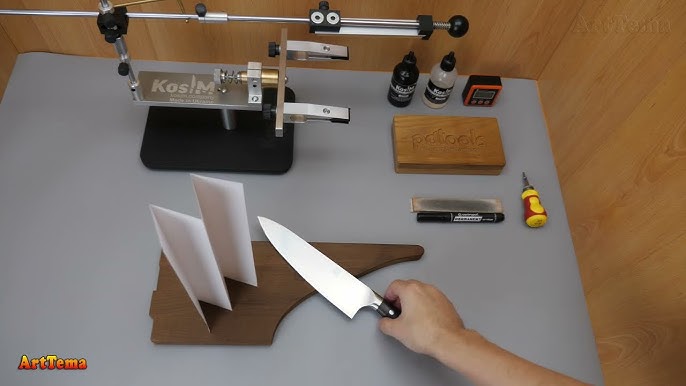
Regular maintenance with a honing rod can extend the time between sharpenings. Have you checked your knife’s edge lately? A quick test is to gently slice through a piece of paper—if it tears or struggles, it’s time to sharpen.
Credit: www.tiktok.com
Everyday Sharpness Myths
Many people wonder about the sharpness of everyday items. Paper and knives often come up in these talks. Some believe paper can cut as sharply as a knife. Others think knives are always much sharper. These ideas create myths. Understanding the truth helps us stay safe and use tools wisely.
Paper Vs. Knife Misconceptions
Paper can feel sharp, but it is not like a knife. Paper cuts are usually shallow and sting more than bleed. A knife has a fine, hard edge designed to slice deeply. Paper edges are rough and often tear skin instead of cleanly cutting. The sharpness of a knife comes from its metal blade and precise design. Paper sharpness depends on how thin and crisp its edge is. People often overestimate paper’s ability to cut like a knife.
Safety Tips For Handling Sharp Objects
- Always hold knives by the handle, not the blade.
- Keep fingers away from the cutting edge.
- Use cutting boards to protect surfaces and keep knives steady.
- Store knives safely in a block or sheath.
- Handle paper carefully to avoid paper cuts.
- Keep sharp objects out of children’s reach.
- Wear gloves if you work with sharp tools often.
Credit: www.tiktok.com
Frequently Asked Questions
How Sharp Is Paper Compared To Knives?
Paper edges can be surprisingly sharp but are less durable than knives. Knives have honed steel blades designed for consistent sharpness and strength, making them more reliable for cutting tasks.
Can Paper Cut Skin Like A Knife?
Yes, paper can cause shallow cuts known as paper cuts. These cuts are usually minor but can be painful due to the thin, sharp edge of the paper.
Why Are Knives Sharper Than Paper?
Knives are made from hardened steel and are professionally sharpened. Paper edges are thin but lack the strength and precision sharpening that knives undergo.
Is Paper Safer Than Knives?
Paper is generally safer since it lacks the strength of a knife blade. However, paper cuts can still cause minor injuries, so caution is necessary.
Conclusion
Paper can be surprisingly sharp but does not match knives. Knives have strong, hard edges made for cutting. Paper edges are thin but easily bend or tear. Paper can cause small cuts but not deep ones. Knives stay sharp longer and cut through tough things.
Always use knives carefully to avoid injury. Paper can be sharp enough to cut skin lightly. Knowing the difference helps you handle both safely. Sharpness depends on material, edge design, and use. Choose the right tool for the task ahead.
Safety first, whether using paper or knives.