

If you’ve ever cooked basmati rice in a rice cooker, you know that getting the water amount just right can be tricky. Too much water, and your rice turns mushy.
Too little, and it ends up dry or undercooked. You want fluffy, perfectly cooked basmati every time, don’t you? You’ll discover the exact water-to-rice ratio that works best for basmati rice in your rice cooker. Plus, you’ll learn simple tips to make your rice taste amazing without any guesswork.
Keep reading, and say goodbye to disappointing rice forever.
Choosing The Right Basmati Rice
Choosing the right basmati rice is key to perfect cooking results. The type and quality affect texture, aroma, and how much water you need in your rice cooker. Knowing these details helps you cook fluffy, separate grains every time.
Types Of Basmati Rice
- Traditional Basmati: Long grains, strong aroma, ideal for special dishes.
- Brown Basmati: Whole grain version, nuttier taste, takes longer to cook.
- Golden Basmati: Slightly shorter grains, mild fragrance, cooks faster.
Quality Indicators
- Grain Length: Longer grains show higher quality basmati.
- Fragrance: A natural, nutty aroma means fresh rice.
- Color: Uniform white or light ivory grains are best.
- Packaging Date: Fresher rice cooks better and tastes richer.
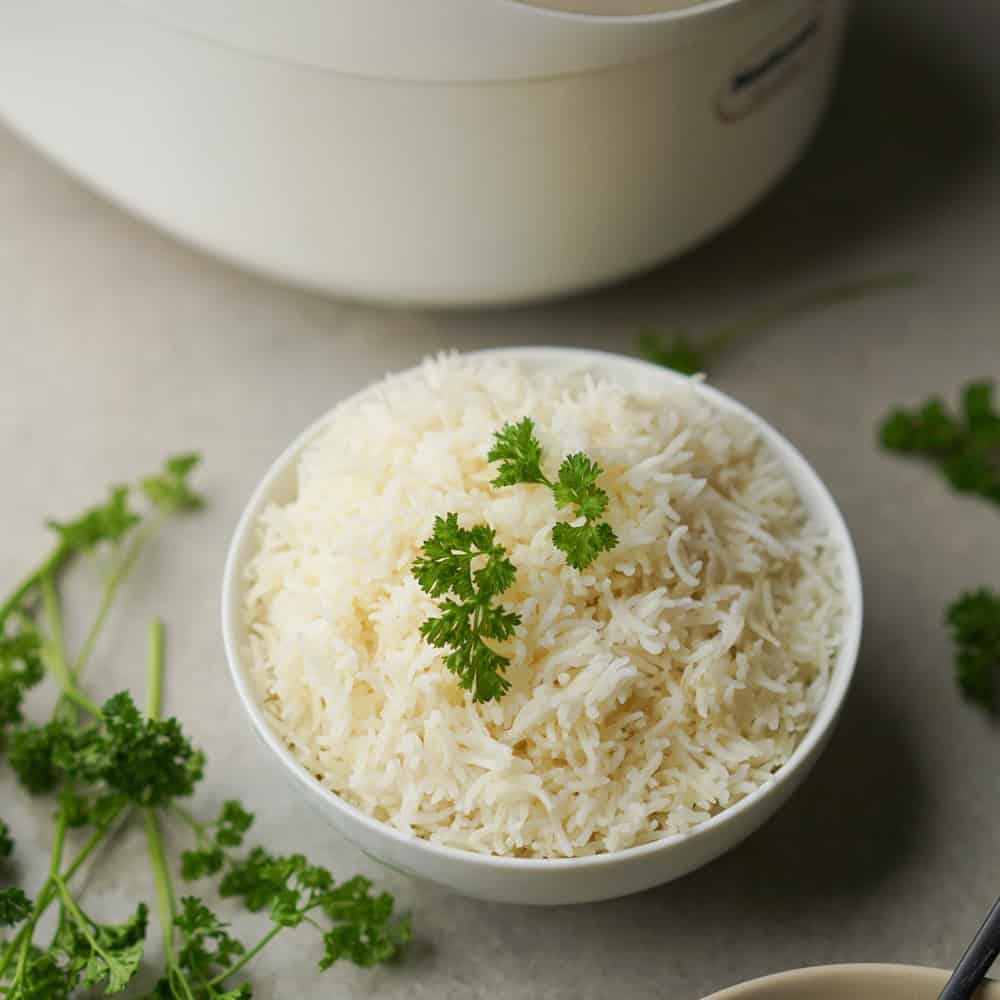
Credit: www.hungryhuy.com
Water To Rice Ratio Basics
The water to rice ratio is key for cooking perfect basmati rice in a rice cooker. It controls the rice texture and moisture. Using too much water makes rice soggy. Too little water leaves it hard or undercooked. Understanding basic ratios helps achieve fluffy, tender grains every time.
Each rice cooker and type of basmati rice might need slight changes. But starting with the right ratio gives a solid foundation. The goal is to balance water and rice for ideal cooking results.
Standard Measurements
The common water to basmati rice ratio is 1.5 cups water for 1 cup rice. This ratio usually works well in most rice cookers. It yields soft, separate grains with a light texture.
Some cooks prefer a 1.25 to 1 ratio for firmer rice. Others use up to 2 cups water for softer rice. Testing these ratios helps find your preferred texture.
| Rice (cups) | Water (cups) | Result |
|---|---|---|
| 1 | 1.5 | Fluffy, tender grains |
| 1 | 1.25 | Firm texture |
| 1 | 2 | Softer, stickier rice |
Adjusting For Rice Age
Old basmati rice absorbs more water and cooks faster. It needs less water than fresh rice. Reduce water by about 10% for aged rice to avoid mushiness.
Fresh rice has a harder outer layer. It requires slightly more water for proper cooking. Add 10% extra water if rice is newly purchased or stored well.
Always measure rice and water carefully. Small changes affect final texture a lot. Adjust amounts based on rice age for best results.
Using A Rice Cooker For Basmati
Using a rice cooker for basmati rice simplifies the cooking process. The cooker controls the heat and timing automatically. This helps achieve fluffy, separate grains every time. Precise water measurement plays a key role in perfect basmati rice. Electric rice cookers are designed to handle this well.
Rice Cooker Settings
Most rice cookers have a “white rice” or “regular” setting suitable for basmati. This setting uses moderate heat and cooks rice evenly. Some advanced cookers offer a “basmati” or “long grain” setting. These adjust cooking time and temperature for ideal texture.
Use the rice cooker’s measuring cup to add water. The general water-to-rice ratio is 1.5 cups water for 1 cup basmati. Rinse the rice before cooking to remove excess starch. This prevents clumping and keeps grains separate.
Benefits Of Electric Rice Cookers
- Consistent results without constant monitoring.
- Automatic shut-off prevents overcooking or burning.
- Keep-warm function maintains perfect temperature after cooking.
- Energy efficient compared to stove cooking.
- Easy cleanup with non-stick inner pots.
Electric rice cookers save time and effort. They make cooking basmati rice simple and reliable. Ideal for busy kitchens and beginners.

Credit: www.theincrediblebulks.com
Tips For Perfect Texture
Achieving the perfect texture for basmati rice in a rice cooker isn’t just about the right water ratio. Small adjustments in preparation can make a big difference in how fluffy and aromatic your rice turns out. Paying attention to rinsing, soaking, and resting can elevate your rice from ordinary to restaurant-quality with minimal effort.
Rinsing Techniques
Rinsing basmati rice removes excess starch that can cause clumping. Use cold water and gently swirl the rice with your fingers.
Rinse until the water runs clear—usually 3 to 4 times. This prevents your rice from becoming sticky and helps each grain stay separate after cooking.
Soaking Time
Soaking basmati rice for 20 to 30 minutes before cooking allows the grains to absorb water evenly. This step shortens cooking time and results in longer, fluffier grains.
Skip soaking and you risk unevenly cooked rice with some grains hard in the center. Try soaking next time and notice the difference in texture immediately.
Resting After Cooking
Once the rice cooker switches off, let your rice rest with the lid closed for 10 minutes. This allows steam to finish cooking the rice gently and redistributes moisture.
Fluff your rice with a fork afterward to separate the grains. Skipping this resting period often leads to clumpy rice with uneven moisture.
Troubleshooting Common Issues
Cooking basmati rice in a rice cooker should be simple, but sometimes things don’t turn out as expected. You might end up with rice that’s too sticky, undercooked, or even burnt. Understanding why these issues happen helps you fix them quickly and get perfect rice every time.
Too Sticky Or Mushy
If your basmati rice turns out sticky or mushy, you likely added too much water. Basmati rice needs less water compared to other types. Try reducing the water slightly—usually, a 1:1.25 rice-to-water ratio works well.
Another cause can be rinsing the rice insufficiently. Washing removes extra starch that causes stickiness. Rinse the rice under cold water until the water runs clear to avoid mushy results.
Undercooked Rice
Undercooked rice means the water wasn’t enough or the cooking time was too short. Check your rice cooker’s settings and make sure it completes the full cooking cycle.
If your rice cooker has a ‘keep warm’ mode that kicks in too early, the rice might be dry or hard inside. Let the rice rest for 10 minutes after cooking to let steam finish the process evenly.
Burning Or Sticking
Burning or sticking at the bottom happens when there’s not enough water or the cooker’s inner pot isn’t properly greased. Try adding a few drops of oil or butter before cooking to prevent this.
Also, check if your rice cooker’s pot has scratches or damage, which can cause uneven heating. Using a good non-stick pot makes a big difference in avoiding stuck rice.
Flavor Enhancements
Enhancing the flavor of basmati rice cooked in a rice cooker can transform a simple dish into a delightful meal. Small changes in the cooking liquid and added ingredients bring out aromatic and rich tastes. These flavor enhancements do not require extra effort but make a big difference.
Adding Spices
Spices add depth and warmth to basmati rice. You can add whole or ground spices directly to the rice cooker before cooking. Common choices include:
- Cardamom pods
- Cloves
- Cinnamon sticks
- Bay leaves
- Cumin seeds
These spices release natural oils during cooking, infusing the rice with a pleasant aroma. Use a small amount to avoid overpowering the delicate flavor of basmati rice.
Using Broth Instead Of Water
Replacing water with broth is an easy way to boost flavor. Chicken, vegetable, or beef broth adds a savory taste and richer color to the rice. Use the same amount of broth as you would water for perfect texture.
Broth contains natural salts and seasonings, reducing the need for extra salt. This method keeps the rice moist and flavorful without extra steps.
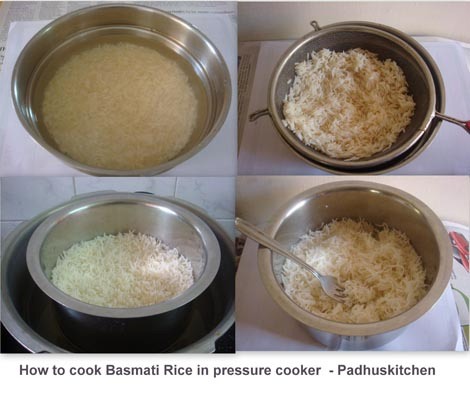
Credit: www.padhuskitchen.com
Frequently Asked Questions
How Much Water Is Needed For Basmati Rice In A Rice Cooker?
Use 1. 5 cups of water for every 1 cup of basmati rice in a rice cooker. This ratio ensures fluffy, perfectly cooked rice without being mushy or dry.
Can I Use Less Water For Firmer Basmati Rice?
Yes, reduce water slightly to 1. 25 cups per 1 cup of basmati rice for firmer texture. Adjust based on personal preference and rice variety.
Should I Rinse Basmati Rice Before Cooking In A Rice Cooker?
Rinsing basmati rice removes excess starch and prevents stickiness. Rinse until water runs clear for fluffier, separate grains.
Does Water Quantity Vary With Rice Cooker Brands?
Water needs are generally consistent, but slight variations may occur. Refer to your rice cooker’s manual for best results with basmati rice.
Conclusion
Cooking basmati rice in a rice cooker is easy with the right water amount. Use about one and a half cups of water for each cup of rice. This ratio keeps the rice soft and fluffy. Avoid adding too much water to stop it from becoming mushy.
Remember, rice cookers may vary, so adjust water slightly if needed. With this simple tip, your basmati rice will turn out perfect every time. Enjoy your meal with confidence and ease.