

You’ve just cooked a big batch of vegetables and stored the leftovers in your fridge. But how long can you keep those cooked veggies before they go bad?
Knowing the answer can save you from food waste, prevent stomach aches, and keep your meals tasting fresh. You’ll discover exactly how long cooked vegetables stay good in the fridge and the best tips to store them safely. Keep reading to make sure your veggies stay fresh and delicious every time.
Storage Duration For Common Cooked Vegetables
Knowing how long you can keep cooked vegetables in the fridge helps you avoid waste and stay safe. Different types of vegetables last different amounts of time once cooked. Let’s break down the storage duration for common cooked vegetables so you can plan your meals better and keep your fridge organized.
Leafy Greens
Cooked leafy greens like spinach, kale, and Swiss chard usually last about 3 to 5 days in the fridge. Because they have a high moisture content, they spoil faster than some other vegetables. To keep them fresh longer, store them in airtight containers and avoid stacking heavy items on top.
Root Vegetables
Root vegetables such as carrots, beets, and potatoes tend to hold up well after cooking. You can safely store them for 4 to 7 days when refrigerated properly. If you notice any sliminess or off smells, it’s best to toss them out to prevent foodborne illness.
Cruciferous Vegetables
Vegetables like broccoli, cauliflower, and Brussels sprouts usually stay good for 3 to 5 days after cooking. Their texture can become mushy over time, but they are generally safe to eat within this period. Storing them in a sealed container helps retain freshness and prevent odors from spreading.
Squash And Pumpkins
Cooked squash and pumpkins, including zucchini and butternut squash, can last about 3 to 5 days in the fridge. Their soft flesh can spoil quickly if left uncovered, so airtight storage is key. Ever tried reheating cooked pumpkin after a week? Chances are it won’t taste as good or be safe to eat anymore.
Credit: www.epicurious.com
Factors Affecting Vegetable Shelf Life
Understanding the factors that affect the shelf life of cooked vegetables in your fridge can help you reduce waste and keep your meals safe and tasty. Several elements play a role, from how you store them to the conditions inside your refrigerator. Paying attention to these can make a noticeable difference in how long your veggies stay fresh.
Storage Temperature
The temperature inside your fridge is crucial. Cooked vegetables stored at or below 40°F (4°C) generally last longer. If your fridge is too warm, bacteria multiply faster, causing the veggies to spoil quickly.
Have you ever found leftovers that smelled off just a day after storing? That’s often due to inconsistent fridge temperatures. Use a fridge thermometer to check your fridge’s actual temperature and adjust settings if needed.
Moisture Levels
Moisture can either help or harm cooked vegetables. Too much moisture creates a breeding ground for mold and bacteria, while too little can dry the veggies out and affect texture.
Think about storing leafy greens; wrapping them in a slightly damp paper towel can keep them crisp without getting soggy. On the other hand, for veggies like roasted carrots, it’s better to keep them dry to prevent sliminess.
Container Types
The kind of container you use impacts freshness significantly. Airtight containers prevent air exposure, which slows down spoilage. Glass containers with tight lids are often better than plastic because they don’t retain odors and are easier to clean thoroughly.
If you use plastic containers, make sure they’re BPA-free and seal properly. Ever noticed your leftovers tasting like last week’s fish dish? That’s a sign your container isn’t sealing well or absorbing odors.
Pre-cooling And Handling
How you handle cooked vegetables before refrigeration matters a lot. Placing hot veggies directly into the fridge raises the overall temperature, which can affect other stored food and promote bacterial growth.
Let your cooked vegetables cool down to room temperature, but don’t leave them out for more than two hours. Quick and careful handling keeps your veggies safer and fresher for longer.
Signs Of Spoiled Cooked Vegetables
Knowing the signs of spoiled cooked vegetables helps avoid foodborne illness. Spoiled vegetables show clear changes in look, feel, smell, and taste. Spotting these signs early keeps your meals safe and fresh.
Visual Changes
- Colors fade or darken unusually.
- White or green mold spots appear.
- Vegetables look slimy or wet.
- Surface shows wrinkles or shriveling.
Texture Alterations
- Vegetables feel mushy or overly soft.
- They become slimy or sticky to touch.
- Loss of firmness or crispness.
- Unnatural mushiness in cooked veggies.
Smell Indicators
- Sour or rotten odor emerges.
- Strong, unpleasant smells develop.
- Foul or musty scent is noticeable.
- Fresh vegetable aroma is lost.
Taste Differences
- Bitter or sour taste appears.
- Flavor is off or strange.
- Unpleasant aftertaste lingers.
- Loss of usual vegetable flavor.
Credit: blog.misfitsmarket.com
Tips To Extend Freshness
Keeping cooked vegetables fresh longer saves food and money. Simple habits make a big difference in how long they last in the fridge. Follow these tips to keep your veggies tasty and safe.
Proper Cooling Techniques
Cool cooked vegetables quickly after cooking. Leaving them warm invites bacteria growth. Spread them out on a shallow dish to speed cooling. Avoid stacking hot food in deep containers.
Do not leave vegetables out more than two hours. Once cool, place them in the fridge right away. This step helps keep the food safe and fresh.
Ideal Storage Containers
Use airtight containers to store cooked vegetables. Glass or BPA-free plastic containers work best. They keep moisture and odors out, preserving flavor and texture.
Label containers with the date you cooked the vegetables. This helps track freshness and prevents eating old food. Avoid using foil or plastic wrap alone, as they don’t seal well.
Avoiding Cross-contamination
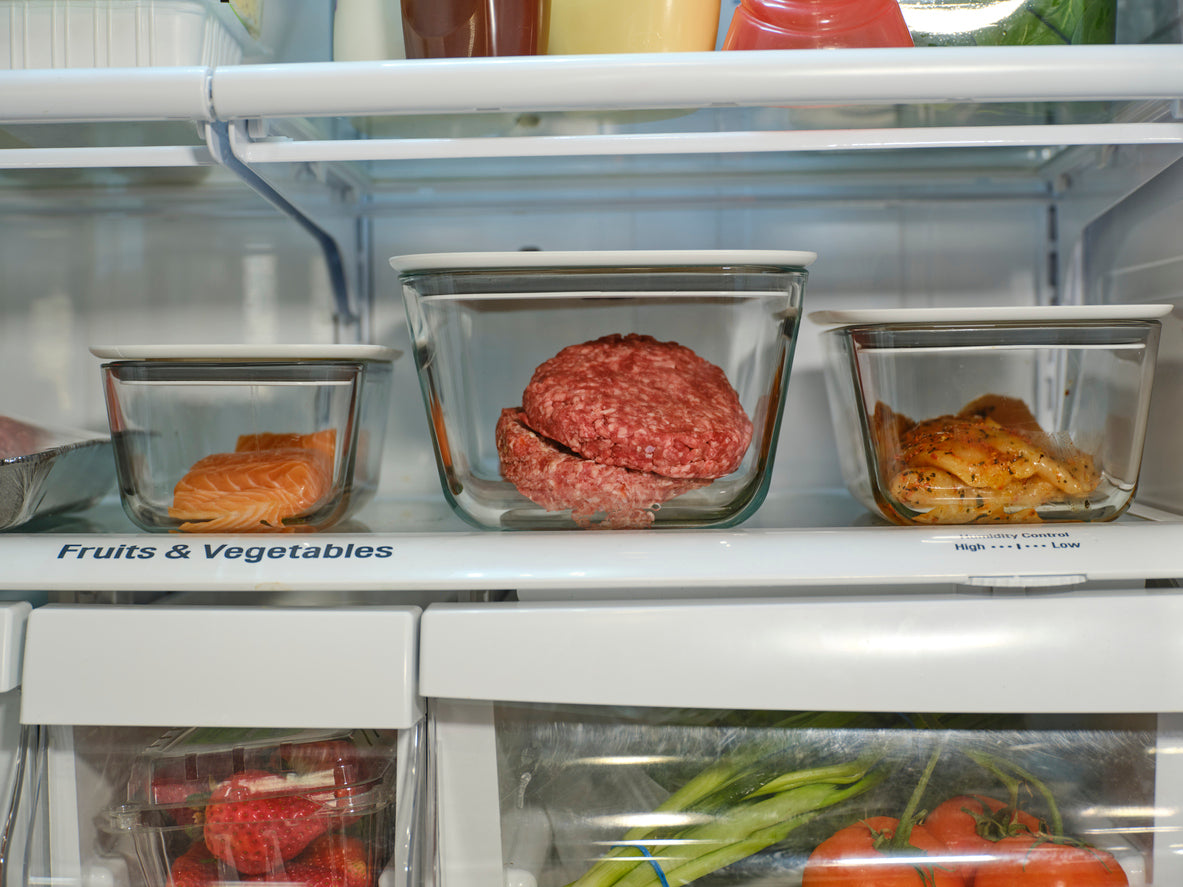
Keep cooked vegetables separate from raw meat and seafood. Store them on higher shelves in the fridge. This prevents raw juices from dripping and contaminating the veggies.
Always use clean utensils and hands when handling cooked vegetables. Avoid touching other foods to reduce bacteria spread. Clean your fridge regularly to maintain a safe environment.
Freezing Cooked Vegetables
Freeze cooked vegetables if you want to store them longer. Use freezer-safe containers or bags. Remove as much air as possible to prevent freezer burn.
Label with the date and use within 2-3 months for best quality. Thaw frozen vegetables in the fridge or microwave before eating. Avoid refreezing thawed vegetables to keep texture and taste.
Health Risks Of Eating Spoiled Vegetables
Eating spoiled vegetables can pose serious health risks that are often overlooked. You might think a little discoloration or off smell is harmless, but these signs can mean harmful bacteria or toxins are present. Understanding these risks helps you protect yourself and your family from unnecessary illness.
Foodborne Illnesses
Consuming spoiled vegetables can lead to foodborne illnesses such as salmonella, listeria, and E. coli infections. These bacteria thrive on decomposing produce and can cause symptoms like nausea, vomiting, diarrhea, and stomach cramps.
Have you ever experienced sudden stomach issues after a meal? Spoiled vegetables might be the culprit, even if you don’t see visible mold. Always trust your senses and err on the side of caution.
Toxins And Bacterial Growth
Some bacteria on spoiled vegetables produce toxins that are not destroyed by cooking. This means even reheating won’t make the food safe to eat.
For example, certain types of Staphylococcus aureus can produce toxins causing severe food poisoning. These toxins can lead to headaches, fever, and dehydration, which are much more dangerous than simple spoilage symptoms.
Preventive Measures
- Store Properly:Keep cooked vegetables in airtight containers and refrigerate promptly to slow bacterial growth.
- Follow Time Limits:Consume cooked vegetables within 3 to 4 days to minimize risks.
- Use Your Senses:Check for odd smells, sliminess, or discoloration before eating.
- Reheat Thoroughly:Heat leftovers until steaming hot to kill most bacteria, but remember toxins may remain.
Are you confident in how you handle and store your leftovers? Taking these simple steps can reduce your chances of falling ill from spoiled vegetables.
Reheating Cooked Vegetables Safely
Reheating cooked vegetables safely is essential to keep them tasty and free from harmful bacteria. Improper reheating can cause food poisoning. Follow simple rules to protect your health and enjoy your meals.
Safe Temperature Guidelines
Always heat cooked vegetables to an internal temperature of 165°F (74°C). This temperature kills most bacteria and germs. Use a food thermometer to check the temperature. Avoid eating vegetables that are not heated enough.
Methods Of Reheating
Several ways exist to reheat cooked vegetables safely:
- Microwave: Cover vegetables with a microwave-safe lid or wrap. Stir occasionally for even heating.
- Stovetop: Heat vegetables in a pan over medium heat. Stir often to avoid burning.
- Oven: Preheat oven to 350°F (175°C). Place vegetables in an oven-safe dish and heat until warm.
Choose the method that works best for you. Make sure vegetables are hot throughout before eating.
Avoiding Repeated Reheating
Reheating vegetables more than once increases the risk of bacteria growth. Only reheat the portion you plan to eat. Store the rest in the fridge immediately. Cool leftovers quickly and reheat only once for safety.
Credit: grassrootscoop.com
Frequently Asked Questions
How Long Do Cooked Vegetables Last In The Fridge?
Cooked vegetables typically last 3 to 7 days in the fridge. Store them in airtight containers to maintain freshness. Always check for signs of spoilage before consumption.
Can I Freeze Cooked Vegetables For Longer Storage?
Yes, freezing cooked vegetables extends their shelf life up to 8 to 12 months. Use freezer-safe containers or bags, and label with dates for best results.
What Are Signs Cooked Vegetables Have Gone Bad?
Look for mold, off smells, slimy texture, or discoloration. If any of these appear, discard the cooked vegetables immediately to avoid foodborne illness.
How Should Cooked Vegetables Be Stored In The Fridge?
Store cooked vegetables in airtight containers or sealed bags. Keep the fridge temperature below 40°F (4°C) to slow bacterial growth and maintain quality.
Conclusion
Cooked vegetables stay fresh in the fridge for about 3 to 7 days. Store them in airtight containers to keep them safe. Always check for signs of spoilage before eating. Smell and look carefully. Eating spoiled vegetables can cause stomach problems.
When in doubt, throw them away. Proper storage helps reduce food waste and saves money. Keep your fridge clean and set at the right temperature. This way, your cooked vegetables stay tasty and healthy longer. Simple steps make a big difference.
Enjoy your meals safely!