

Have you ever wondered how long you can keep sushi in your fridge without risking its taste or safety? Whether you’ve got leftovers from your favorite sushi night or just want to prepare ahead, knowing the right storage time is key.
If you’re unsure about when sushi goes bad, you’re not alone—and getting it wrong can spoil your meal or even make you sick. You’ll discover exactly how long sushi stays fresh in the fridge and the best ways to store it so every bite feels like it’s straight from the restaurant.
Keep reading to protect your health and enjoy sushi the right way every time.

Credit: www.tastingtable.com
Sushi Shelf Life Basics
Sushi is a popular dish loved for its fresh flavors and delicate texture. Knowing how long sushi lasts in the fridge helps keep it safe and tasty. Sushi shelf life depends on many factors. Proper storage is key to maintaining its quality and safety. Understanding these basics makes your sushi experience better and safer.
Types Of Sushi And Their Storage Needs
Sushi comes in many forms. Each type has different storage needs.
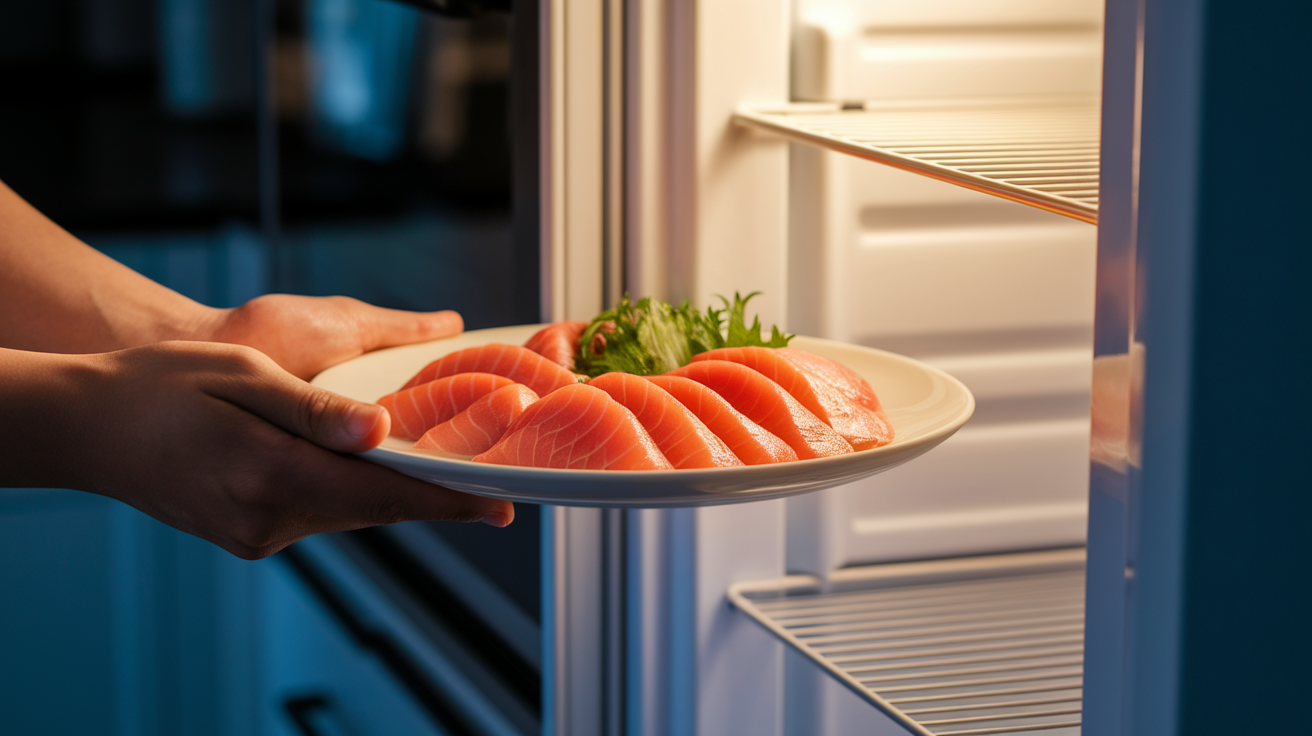
- Nigiri and Sashimi:These have raw fish on top of rice or alone. They stay fresh for about 24 hours in the fridge.
- Maki Rolls:Rolls with fish or vegetables wrapped in seaweed. They last around 24 hours too.
- Cooked Sushi:Sushi with cooked ingredients like shrimp or eel. It can last 2-3 days refrigerated.
- Vegetarian Sushi:Made with only vegetables or fruits. These last up to 3 days in the fridge.
Store sushi in an airtight container to avoid drying out or absorbing fridge odors.
Factors Affecting Sushi Freshness
Several things affect how long sushi stays fresh.
- Temperature:Keep sushi at or below 40°F (4°C) to slow bacteria growth.
- Type of Fish:Fatty fish spoil faster than lean fish.
- Rice Quality:Freshly made rice lasts shorter than refrigerated rice.
- Exposure to Air:Air causes sushi to dry out and lose flavor.
- Handling:Clean hands and utensils reduce contamination risk.
Eating sushi within 24 hours is safest for most types. Cooked and vegetarian sushi can last a bit longer.
Credit: knowseafood.com
Optimal Fridge Conditions
Keeping sushi fresh in the fridge depends on the right conditions. Sushi is delicate and spoils quickly if not stored properly. The fridge must maintain a steady temperature and protect sushi from air exposure. These steps help preserve taste and texture for longer.
Ideal Temperature For Sushi Storage
Keep sushi at a temperature between 32°F and 39°F (0°C to 4°C). This range slows bacterial growth and keeps fish safe to eat. Avoid temperature fluctuations by placing sushi on a middle or lower shelf. Do not store sushi in the fridge door, where temperatures vary most.
Best Practices For Wrapping And Sealing
Wrap sushi tightly to block air and moisture. Use plastic wrap or airtight containers for best results. Press the wrap gently but firmly to keep sushi compact. Avoid wrapping too tightly to prevent crushing the rice and fish. Store wrapped sushi on a flat surface to maintain shape.
Safe Storage Timeframes
Knowing the safe storage timeframes for sushi in the fridge helps prevent food poisoning. Different types of sushi last for different times. Storing sushi properly keeps it fresh and tasty longer. Always keep sushi in an airtight container to avoid contamination.
Raw Fish Sushi Lifespan
Raw fish sushi, like sashimi or nigiri with raw fish, stays fresh for about 24 hours. Beyond this, harmful bacteria can grow quickly. Keep it chilled below 40°F (4°C) to slow bacteria growth. Eating raw fish sushi after this time is risky. Always check for off smells or slimy texture before eating.
Cooked Sushi Lifespan
Cooked sushi, such as those with cooked shrimp or eel, lasts longer than raw fish sushi. It can stay safe for up to 3 days in the fridge. Store it well-sealed to keep moisture and flavors intact. If the sushi looks dry or smells odd, do not eat it.
Vegetarian Sushi Lifespan
Vegetarian sushi, made with vegetables or fruits, usually lasts 3 to 5 days. These ingredients spoil slower than fish but still need proper storage. Use airtight containers and keep the fridge cold. Check for any discoloration or soft spots before eating.
Signs Sushi Has Gone Bad
Knowing the signs that sushi has gone bad is crucial to avoid food poisoning and enjoy your meal safely. Sushi is delicate and spoils quickly if not stored properly. Recognizing these signs early can save you from an unpleasant and risky eating experience.
Visual Indicators
Look closely at the sushi before eating it. Fresh sushi rice should be moist but not soggy, and the fish should have a vibrant, natural color.
If the fish looks dull, discolored, or has a slimy coating, these are red flags. Also, check for any mold spots or unusual dryness on the surface. These visual changes mean the sushi is no longer safe to eat.
Smell And Texture Changes
Fresh sushi smells clean and slightly ocean-like, never fishy or sour. If you notice a strong, unpleasant odor, it’s best to discard it immediately.
Texture matters too. When sushi becomes mushy or sticky in an odd way, or the fish feels slimy instead of firm, these are clear signs of spoilage. Trust your senses—if something feels off, don’t risk it.
Tips To Extend Sushi Freshness
Sushi is a delightful delicacy, but its freshness can be fleeting. Whether you’re saving leftovers from a restaurant or storing homemade rolls, extending the freshness of sushi is crucial for maintaining its delicious taste and texture. With the right techniques, you can enjoy sushi for longer without compromising on quality. Let’s dive into some practical tips that will help you keep your sushi fresh in the fridge.
Proper Packaging Techniques
Packaging plays a pivotal role in preserving sushi’s freshness. Start by wrapping each sushi roll or piece tightly in plastic wrap. This prevents air exposure, which can dry out the rice and affect the flavor. After wrapping, place the sushi in an airtight container. This double layer of protection minimizes the risk of spoilage and helps retain moisture.
Consider using containers with a tight seal. You might have experienced opening your fridge to find a faint scent of sushi lingering. Airtight containers prevent this, keeping flavors locked in and odors out.
Using Ice Packs And Coolers
Maintaining a cool temperature is vital for sushi preservation. If you’re transporting sushi or storing it temporarily outside the fridge, use ice packs. Place these around your sushi to keep it chilled. This technique is especially useful for picnics or road trips.
Investing in a quality cooler can also be beneficial. Have you ever found yourself disappointed with warm sushi at a gathering? Coolers equipped with ice packs ensure sushi remains at a safe and tasty temperature. They’re practical for events and ensure your sushi stays fresh longer.
By implementing these simple yet effective strategies, you can extend the shelf life of sushi and savor its flavors for more meals. So next time you have leftover sushi, remember these tips to keep it fresh and delectable. Are you ready to make your sushi last longer? Try these methods and enjoy every bite!
Credit: www.tastingtable.com
Reheating And Consuming Leftover Sushi
Reheating and consuming leftover sushi requires care to keep it safe and tasty. Sushi contains raw fish and other ingredients that can spoil quickly. Knowing how to handle leftovers reduces health risks and keeps flavors fresh. Follow these tips to enjoy your sushi safely after refrigeration.
Is Reheating Recommended?
Reheating sushi is generally not advised. Raw fish loses texture and taste when heated. Rice can become hard or dry. Some types of sushi, like tempura rolls, may handle reheating better because they are cooked. Still, reheating can change the sushi’s quality.
Microwaving sushi can make it soggy or unevenly warm. It may also increase bacteria growth if not heated properly. Eating sushi cold or at room temperature soon after refrigeration is safer and tastier.
Safe Consumption Practices
Store sushi in an airtight container immediately after eating. Keep it in the fridge at 40°F (4°C) or below. Consume leftover sushi within 24 hours for best safety. Beyond this, bacteria can grow and cause illness.
Before eating, check sushi for off smells or slimy texture. Discard any sushi that looks or smells bad. Avoid mixing old sushi with fresh soy sauce or wasabi to prevent contamination.
- Eat sushi cold or at room temperature after refrigeration.
- Do not leave sushi out more than two hours.
- Use clean utensils to handle leftovers.
- Consider making fresh sushi for best flavor and safety.
Frequently Asked Questions
How Long Can Sushi Safely Stay In The Fridge?
Sushi can safely stay in the fridge for up to 24 hours. After this, the risk of bacterial growth increases, making it unsafe to eat. Always store sushi in an airtight container to maintain freshness and prevent contamination.
Does Sushi Quality Decline After Refrigeration?
Yes, sushi quality declines after refrigeration. Rice hardens, and fish loses its fresh texture and flavor. Eating sushi within 24 hours preserves the best taste and texture, ensuring a safe and enjoyable experience.
Can Leftover Sushi Be Reheated Safely?
Reheating sushi is not recommended. Heat alters the texture of raw fish and rice, affecting taste and safety. It’s best to consume sushi cold and fresh within a day to avoid foodborne illnesses.
How Should Sushi Be Stored In The Fridge?
Store sushi in an airtight container to prevent drying out and odor absorption. Keep it on the middle shelf where temperature is stable. Avoid leaving sushi in the fridge door to maintain optimal freshness.
Conclusion
Sushi stays fresh in the fridge for about one to two days. Eat it quickly to enjoy the best taste and texture. Keep it in a sealed container to avoid drying out. Always check the smell and look before eating.
Fresh sushi tastes better and is safer. Don’t take risks with old sushi. Trust your senses and store it right. This way, you can enjoy sushi safely and deliciously at home.