

You’ve just brought home your favorite sushi, and you’re wondering how long you can keep it fresh in the fridge. Eating sushi past its prime can be risky, and nobody wants that.
But how do you know when it’s still safe and tasty? You’ll discover the simple facts about sushi storage, how to tell if it’s gone bad, and the best tips to keep your sushi fresh longer. Keep reading to make sure every bite you take is safe and delicious!
Sushi Shelf Life Basics
Sushi is a delicate food that needs careful storage. Knowing its shelf life helps keep it safe and tasty. Fresh sushi can spoil quickly if not stored properly. This section covers the basics of sushi shelf life. Understanding these basics helps enjoy sushi safely at home.
Factors Affecting Freshness
- Type of fish: Raw fish spoils faster than cooked fish.
- Temperature: Sushi must be kept cold, ideally below 40°F (4°C).
- Packaging: Airtight packaging slows down spoilage and odor transfer.
- Time: The longer sushi stays in the fridge, the less fresh it becomes.
- Ingredients: Sushi with mayonnaise or cream cheese can spoil faster.
Types Of Sushi And Storage Times
| Type of Sushi | Recommended Storage Time in Fridge |
|---|---|
| Raw fish sushi (nigiri, sashimi) | Up to 24 hours |
| Cooked fish sushi (e.g., eel, shrimp) | Up to 48 hours |
| Vegetarian sushi (cucumber, avocado) | Up to 3 days |
| Sushi rolls with sauces or mayo | Up to 24 hours |
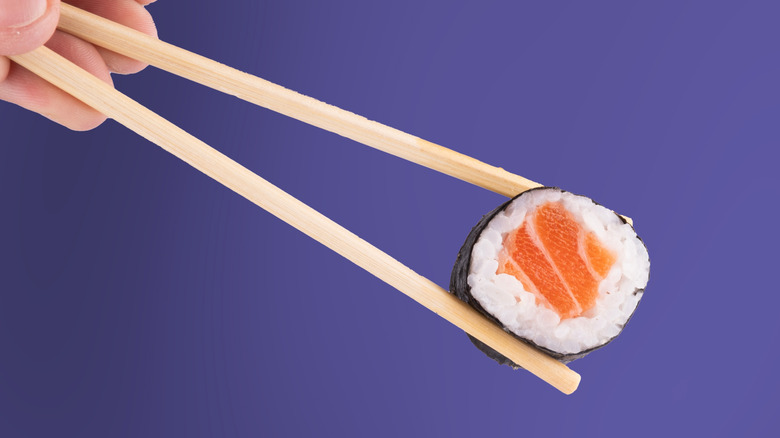
Credit: www.tastingtable.com
Safe Storage Practices
Keeping sushi fresh and safe requires careful storage in the fridge. Proper handling stops bacteria growth and keeps flavors intact. Follow simple steps to store sushi safely and enjoy it later without worry.
Ideal Fridge Temperature
The fridge should be cold enough to slow bacteria growth. Set the temperature between 32°F and 38°F (0°C to 3°C). Use a fridge thermometer to check. Avoid frequent door openings to keep temperature steady. This cold range helps maintain sushi freshness and safety.
Packaging Tips For Sushi
Seal sushi tightly to prevent air contact. Use airtight containers or wrap sushi in plastic wrap. Avoid loose wrapping to stop drying out. Place sushi on a flat surface to keep shape. Label with the date to track freshness. Proper packaging keeps sushi moist and safe for up to 24 hours.
Signs Sushi Has Gone Bad
Knowing when sushi has gone bad is crucial for your health and enjoyment. Sushi looks delicate and fresh, but subtle signs often tell you it’s time to toss it out. Paying attention to these signs can save you from unpleasant tastes and potential food poisoning.
Visual Indicators
Look closely at the sushi’s appearance. Fresh sushi rice should be fluffy and slightly sticky, not dried out or hard. The fish should have a vibrant, translucent color—dullness or discoloration is a red flag.
Also, check for any slimy film on the fish or rice. This is a clear sign of spoilage. If you notice any mold spots, no matter how small, never take the risk of eating the sushi.
Smell And Texture Changes
Fresh sushi has a clean, ocean-like smell. If you detect any sour, fishy, or ammonia-like odors, it means the sushi is past its prime.
Texture matters too. The fish should feel firm and smooth, not mushy or sticky. Rice that has hardened or feels overly wet indicates it’s no longer safe to eat.
Have you ever eaten sushi that just didn’t taste right? That unsettling smell or odd texture is your body’s warning. Trust these senses to guide you before you take a bite.

Credit: www.instagram.com
Extending Sushi Freshness
Keeping sushi fresh after you bring it home can be tricky, but it’s not impossible. The key is understanding how to slow down the natural process of spoilage without ruining the texture or flavor. You want to enjoy sushi that tastes almost as good as when it was first made, and that means handling it with care.
Freezing Sushi: Pros And Cons
Freezing sushi might sound like a good way to extend its life, but it comes with trade-offs. Fish can develop ice crystals that damage its texture, making it mushy or dry when thawed. Rice also loses its soft, sticky quality, turning hard or crumbly.
On the upside, freezing can stop bacteria growth and keep sushi safe longer. If you must freeze sushi, wrap each piece tightly in plastic wrap and place it in an airtight container or freezer bag. Thaw it slowly in the fridge, not at room temperature.
Have you ever noticed sushi rice getting tough after freezing? That’s the common downside. Still, freezing is better than letting sushi sit in the fridge for days. It’s a useful option if you don’t plan to eat sushi within a day or two.
Using Sushi Within Recommended Time
The best way to enjoy sushi is to eat it as soon as possible—ideally within 24 hours. Fresh sushi left in the fridge beyond this time can lose flavor and texture and might become unsafe. Fish can develop a strong smell and slimy feel, which are clear signs it’s time to toss it out.
Keep sushi in a sealed container to reduce exposure to air and prevent it from drying out. Avoid stacking pieces tightly; give them some space to breathe. If you’re unsure about freshness, trust your senses—if it smells off or looks different, don’t risk it.
Think about how you buy or order sushi—do you plan to eat it right away or save some for later? Keeping this in mind helps you decide how to store it properly and when to consume it. Your taste buds and stomach will thank you.
Reheating And Serving Leftover Sushi
Sushi stays fresh in the fridge for up to 24 hours. Reheat gently to keep the texture and flavor intact. Serve cold sushi soon after removing it from the fridge for the best taste and safety.
Reheating sushi can seem tricky. It’s key to preserve its taste and texture. The fridge keeps sushi fresh, but reheating is crucial for enjoyment. Using safe methods ensures flavor is maintained. Proper serving enhances the sushi experience.Safe Reheating Methods
To reheat sushi safely, keep the following tips in mind:- Use a microwave to warm sushi gently. Set it to low power.
- Steam sushi in a steamer. It helps retain moisture.
- Utilize an oven on low heat. Wrap sushi in foil for protection.
Best Practices For Enjoyment
Enjoying leftover sushi involves a few simple practices:- Check sushi for freshness before reheating. Appearance matters.
- Pair sushi with fresh soy sauce. It complements flavors.
- Serve sushi with pickled ginger. It adds zest.
- Consider adding fresh wasabi. It enhances taste.

Credit: fridge.com
Common Myths About Sushi Storage
Sushi storage has many myths that confuse people about safety and freshness. Some believe sushi lasts long in the fridge, while others think it spoils quickly. Clearing up these myths helps you enjoy sushi without worries. Understanding proper storage keeps sushi tasty and safe to eat.
Raw Fish Sushi Lasts For Days In The Fridge
Many think raw fish sushi stays fresh for days. Actually, raw fish is very perishable. It should be eaten within 24 hours for best quality. Keeping it longer risks food poisoning and bad taste.
Refrigerating Sushi Kills Bacteria
Cold temperatures slow bacteria but do not kill them. Sushi still can spoil if stored too long. Proper refrigeration only delays spoilage; it does not make sushi safe forever.
Leaving Sushi At Room Temperature Is Safe For Several Hours
Sushi left out too long can grow harmful bacteria. It should not stay at room temperature for more than two hours. Eating sushi left out longer is risky.
Freezing Sushi Maintains Its Freshness
Freezing changes sushi texture and flavor. Raw fish sushi does not freeze well at home. It is better to eat sushi fresh or store it in the fridge briefly.
Sushi Rice Can Be Stored Separately For Longer
Sushi rice dries out quickly when stored alone. It loses its softness and flavor. Keeping rice with fish in an airtight container is better for short storage.
Frequently Asked Questions
How Long Is Sushi Safe In The Fridge?
Sushi is safe to eat within 24 hours when stored in the fridge. Keep it in an airtight container at 40°F (4°C) or below. Consuming sushi beyond this period risks foodborne illness due to raw fish spoilage.
Can Refrigerated Sushi Last More Than One Day?
Refrigerated sushi is best consumed within 24 hours. Some types without raw fish, like vegetable rolls, may last up to 48 hours. However, freshness and safety decrease rapidly, so eating sushi sooner is always recommended.
How To Store Sushi Properly In The Fridge?
Store sushi in an airtight container to prevent drying and bacterial growth. Keep it at or below 40°F (4°C). Avoid mixing sauces or toppings before refrigeration to maintain texture and flavor. Consume within a day for best quality.
Is Leftover Sushi Safe To Eat Next Day?
Leftover sushi can be eaten the next day if refrigerated promptly. Ensure it is stored properly in an airtight container. Check for any off smell or sliminess before consuming to avoid food poisoning.
Conclusion
Sushi stays fresh in the fridge for about one to two days. Eat it soon for the best taste and safety. Keep sushi in an airtight container to slow spoilage. Raw fish spoils faster than cooked ingredients. Always trust your senses—look, smell, and feel before eating.
When in doubt, throw it out. Storing sushi properly helps enjoy it safely and deliciously. Remember, freshness matters most for sushi enjoyment.