

Are you wondering how long you can safely marinate salmon in your fridge without ruining its taste or texture? Getting this timing right can make a huge difference in how flavorful and tender your salmon turns out.
Too little time, and your fish might miss out on those delicious flavors. Too long, and it could become mushy or overly salty. You’ll discover the perfect marinating window to help you create mouthwatering salmon every time. Keep reading to unlock the secrets that will elevate your cooking and impress everyone at your table.

Credit: aksalmonco.com
Marinating Basics For Salmon
Marinating salmon is a simple yet powerful way to boost its flavor and tenderness. Understanding the basics helps you avoid common mistakes and get the best out of your fish. Let’s break down why marinating matters and what ingredients work best for your salmon.
Why Marinate Salmon
Marinating adds layers of flavor that cooking alone can’t achieve. It tenderizes the fish, making each bite juicy and soft. Have you noticed how plain salmon can sometimes taste dry or bland? A good marinade fixes that problem.
Besides flavor, marinating also helps to preserve moisture during cooking. This is especially useful if you plan to grill or bake your salmon. You control the taste and texture simply by adjusting your marinade time and ingredients.
Common Marinade Ingredients
Most salmon marinades balance acid, oil, and seasoning. Acid like lemon juice or vinegar breaks down proteins and tenderizes the fish. Oils such as olive or sesame add richness and help spread flavors evenly.
- Acids:Lemon juice, lime juice, rice vinegar, balsamic vinegar
- Oils:Olive oil, avocado oil, sesame oil
- Seasonings:Garlic, ginger, soy sauce, honey, mustard, fresh herbs
Think about your taste preferences. Do you want something tangy, sweet, or savory? Mixing soy sauce with ginger and honey, for example, creates a sweet and salty glaze that many people love. Don’t hesitate to experiment with combinations to find your favorite.
Ideal Marinating Time
Knowing the ideal marinating time for salmon is crucial to achieving the perfect balance of flavor and texture. Marinate too briefly, and the salmon might lack depth. Marinate too long, and you risk ruining its delicate flesh.
Minimum Duration
Salmon needs at least 15 to 30 minutes in the fridge to absorb the marinade’s flavors. This short time is enough for light seasonings like lemon juice, herbs, or soy sauce to start infusing the fish.
If you’re in a hurry, even 15 minutes will make a noticeable difference. Have you ever tried tossing salmon in a quick marinade just before cooking? You might be surprised how much flavor it picks up.
Maximum Safe Time
Generally, marinating salmon for up to 2 hours in the fridge is safe and effective. Beyond this, the texture can start to break down, especially with acidic marinades containing citrus or vinegar.
For thicker cuts or whole fillets, you might stretch this to 3 hours, but avoid overnight marinating. Trust your senses—if the salmon starts to smell overly fishy or the flesh feels mushy, it’s time to cook.
Effects Of Over-marinating
Marinating salmon for too long can cause the proteins to break down excessively, leading to a mushy texture. The fish might lose its firmness and flake apart before cooking.
Over-marinating also risks overpowering the natural flavor of salmon. Have you ever had salmon taste too sour or salty? That’s often from leaving it in the marinade too long.
To avoid this, stick to recommended times and keep an eye on the marinade’s ingredients—acidic bases demand shorter marinating periods.
Temperature And Storage Tips
Keeping salmon fresh while marinating depends on the right temperature and storage methods. A cool fridge slows bacteria growth and keeps flavors intact. Choosing the correct container prevents leaks and odors. Safe storage also stops germs from spreading to other foods. These tips help your salmon stay tasty and safe.
Optimal Fridge Temperature
Set your fridge temperature between 32°F and 39°F (0°C to 4°C). This range keeps salmon cold enough to stay fresh without freezing. Use a fridge thermometer to check the temperature often. Avoid storing salmon near the fridge door where temperature can change.
Proper Container Choices
- Use glass or food-grade plastic containers with tight lids.
- Avoid metal containers that may react with acidic marinades.
- Seal containers well to prevent spills and keep odors out.
- Use shallow containers for even marinade coverage.
Avoiding Cross-contamination
- Store salmon on the bottom shelf to catch any drips.
- Keep salmon away from ready-to-eat foods like vegetables.
- Clean hands and surfaces before and after handling salmon.
- Use separate utensils for raw salmon and other foods.
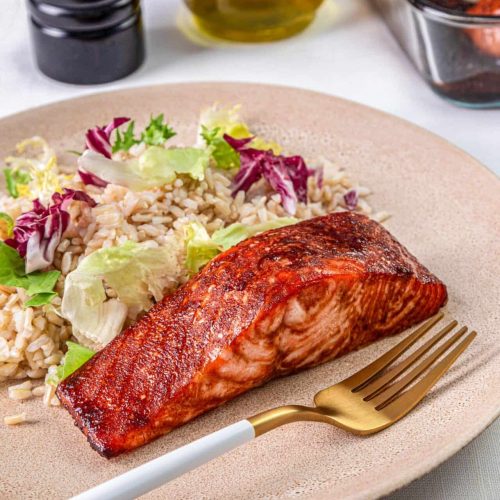
Credit: bakedbree.com
Marinade Types And Timing
Understanding the right type of marinade and its timing is crucial for perfect salmon. Different marinades interact with the fish uniquely, affecting texture and flavor. Let’s look at how acidic, oil-based, and herb-spice marinades work and how long you can leave your salmon in the fridge to get the best results.
Acidic Marinades
Acidic marinades usually contain ingredients like lemon juice, vinegar, or yogurt. They break down the salmon’s proteins, making it tender but can quickly turn the fish mushy if left too long.
For salmon, marinate in acidic mixtures for 15 to 30 minutes. Beyond 30 minutes, the texture starts to degrade, especially in the fridge. Have you ever found your salmon too soft after marinating? Acidic marinades are often the reason.
Oil-based Marinades
Oil-based marinades with olive oil or sesame oil help keep salmon moist and add a smooth texture. They don’t break down the fish like acidic ones, so you can marinate longer without risking mushiness.
You can safely marinate salmon in oil-based mixes for 1 to 2 hours, or even up to 4 hours for deeper flavor. Just keep it in the fridge to avoid spoilage. Think about how a simple olive oil and garlic mix can transform the taste without altering the fish’s firmness.
Herb And Spice Marinades
Herbs and spices add bold flavors without affecting the salmon’s texture much. These marinades often combine fresh herbs like dill, thyme, or parsley with spices such as paprika or cumin.
Salmon can marinate for 30 minutes to 2 hours with herbs and spices safely. Since there’s no strong acid or heavy oil involved, you get vibrant flavors without worrying about texture changes. What’s your favorite herb or spice combo to bring salmon to life?
Signs Salmon Is Over-marinated
Knowing the signs that salmon is over-marinated can save your meal from turning into a disappointing experience. Marinating salmon enhances its flavor and tenderness, but leaving it in the fridge too long can change its texture, taste, and look in ways you might not expect. Paying attention to these signs helps you enjoy salmon at its best.
Texture Changes
Salmon that’s over-marinated often becomes mushy or overly soft. The acids in the marinade break down the fish’s proteins too much, making it lose its natural firmness. If your salmon feels almost falling apart before cooking, it’s likely been marinating for too long.
Flavor Impact
Too much time in the marinade can overpower salmon’s delicate flavor. Instead of a balanced taste, you might notice a sour or overly salty flavor that masks the fish’s natural sweetness. Has your salmon ever tasted more like the marinade than the fish itself? That’s a clear sign it’s been over-marinated.
Appearance Variations
Over-marinated salmon can change color, often becoming paler or unevenly colored. The acids can cause the flesh to look dull or even slightly translucent. If your salmon looks less vibrant than usual, check how long it’s been soaking—this could be why.
Quick Tips For Perfect Flavor
Marinating salmon enhances its flavor and texture beautifully. Perfect flavor depends on simple yet important tips. These help you avoid over-marinating or under-flavoring your fish. Keep marinating times and ingredients balanced for the best taste. Use the right approach based on the salmon cut size. Try alternative flavor boosters to add variety and depth.
Balancing Ingredients
Use equal parts of acid and oil for a smooth marinade. Acid like lemon juice or vinegar tenderizes the salmon. Oil helps keep the fish moist during marinating. Add herbs and spices for an extra flavor punch. Avoid too much salt; it can make the salmon tough.
Marinating Small Vs Large Cuts
Small salmon pieces need less time to absorb flavors. Marinate small cuts for 15 to 30 minutes only. Large fillets or steaks can stay longer, up to 1 hour. Over-marinating large cuts may cause a mushy texture. Always keep salmon in the fridge while marinating.
Alternative Flavor Boosters
- Use soy sauce for a salty, umami taste.
- Try ginger and garlic for a fresh, spicy kick.
- Add honey or maple syrup for sweetness and caramel notes.
- Fresh herbs like dill, parsley, or cilantro brighten the flavor.
- A splash of orange or lime juice adds a citrus twist.

Credit: therecipecritic.com
Frequently Asked Questions
How Long Can Salmon Marinate Safely In The Fridge?
Salmon can marinate safely for up to 24 hours in the fridge. Beyond this, texture and flavor may degrade. Always keep it well-covered and chilled below 40°F (4°C) to prevent bacterial growth and maintain freshness.
Does Marinating Salmon Longer Improve Its Flavor?
Marinating salmon longer than 24 hours usually doesn’t improve flavor. Over-marinating can make the fish mushy and overpower its natural taste. For best results, marinate between 30 minutes and 2 hours for a balanced flavor and firm texture.
Can I Marinate Salmon Overnight In The Refrigerator?
Yes, you can marinate salmon overnight, but limit it to 12-24 hours. This time frame allows flavors to infuse without compromising texture. Avoid acidic marinades for too long, as they can break down the fish and make it overly soft.
What Happens If Salmon Marinates Too Long In The Fridge?
If salmon marinates too long, its texture becomes mushy and less appealing. Acidic ingredients can “cook” the fish, changing its consistency. Additionally, flavors might become too strong or imbalanced, affecting the overall taste.
Conclusion
Salmon tastes best when marinated just right. Keep it in the fridge for about 30 minutes to 2 hours. Too little time means less flavor. Too long can change the texture and taste. Always use fresh salmon for safety and flavor.
Enjoy your meal with a perfect, balanced marinade. Simple steps make a big difference. Try this tip for your next salmon dish.