
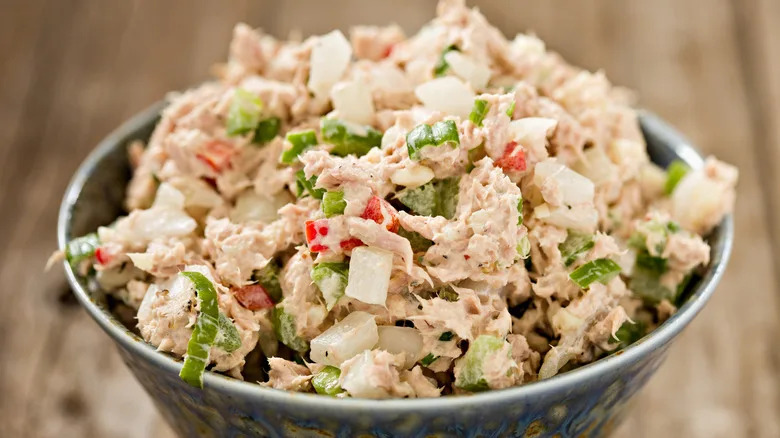
You’ve just made a delicious homemade tuna salad, and now you’re wondering how long it can safely stay fresh in your fridge. You don’t want to waste your effort or risk your health by eating spoiled food.
Knowing exactly how long your tuna salad lasts can save you from unpleasant surprises and keep your meals tasty and safe. Keep reading to find out the best storage tips and the safe time frame for enjoying your homemade tuna salad without worry.
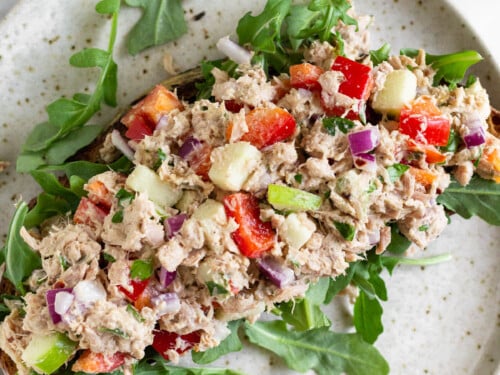
Credit: eatthegains.com
Shelf Life Of Tuna Salad
Understanding the shelf life of homemade tuna salad is essential for both safety and taste. You might think it lasts forever once refrigerated, but several factors can shorten its freshness. Knowing how long you can keep your tuna salad helps prevent food waste and keeps your meals enjoyable.
Factors Affecting Freshness
The freshness of your tuna salad depends on what ingredients you add and how you store it. Ingredients like mayonnaise, eggs, and fresh vegetables can spoil faster than the tuna itself. If you add lemon juice or vinegar, these can slightly extend freshness by slowing bacterial growth.
Storage conditions play a big role too. Keeping the salad in an airtight container and placing it in the coldest part of your fridge helps maintain its quality. Have you ever noticed how a poorly sealed container makes your salad smell off sooner? That’s the effect of exposure to air and other fridge odors.
Average Storage Duration
Typically, homemade tuna salad lasts about 3 to 5 days in the fridge. After this time, the risk of foodborne illness increases, and the taste starts to decline. If you want to enjoy it safely, plan your meals within this window.
Labeling your container with the date you made the salad can save you from guessing. If the salad develops a sour smell, slimy texture, or any discoloration, it’s best to discard it immediately. Trust your senses—they are often the best guide.
Safe Storage Practices
Keeping your homemade tuna salad fresh and safe to eat depends largely on how you store it. You might think just tossing it in any container and placing it in the fridge is enough, but the details matter. Proper storage slows down spoilage and keeps harmful bacteria at bay, which is crucial for something as perishable as tuna salad.
Proper Containers
Use airtight containers to store your tuna salad. This prevents air from getting in and drying out the salad or causing contamination.
Glass containers with tight-fitting lids work great because they don’t absorb odors or stains. Plastic containers are fine, but make sure they seal well and are BPA-free to avoid any chemical leaching.
Have you ever noticed your tuna salad tasting a bit off after a day? It might be because it was stored in a loose container that let air and fridge smells in.
Ideal Fridge Temperature
Keeping your fridge at the right temperature is key to extending the life of your tuna salad.
The ideal temperature is between 34°F and 40°F (1°C to 4°C). Temperatures above this range allow bacteria to multiply faster, which can spoil your salad quicker and increase the risk of foodborne illness.
Do you check your fridge’s temperature regularly? A simple fridge thermometer can help you maintain the perfect chill and keep your food safer for longer.
Signs Of Spoilage
Knowing the signs of spoilage in your homemade tuna salad is crucial for your health and taste experience. Spoiled tuna salad can cause food poisoning and ruin your meal. Here’s how you can easily spot when your tuna salad has gone bad, so you never have to guess or take risks.
Visual Changes
Check your tuna salad carefully before eating. If you notice any discoloration, such as dull or grayish spots on the tuna or vegetables, this is a red flag. Mold is an obvious sign of spoilage—white, green, or black fuzzy patches mean it’s time to toss it out.
Also watch out for excess liquid pooling at the bottom of the container. This can indicate the salad is breaking down and losing freshness. If your tuna salad looks slimy or unusually wet, don’t take a chance.
Smell And Texture
Smell is one of the quickest ways to detect spoilage. Fresh tuna salad should smell mildly fishy and tangy from the dressing. If you catch a sour, ammonia-like, or rotten odor, your salad is no longer safe to eat.
Texture changes often go hand in hand with smell. If the tuna feels mushy or sticky instead of firm and flaky, it’s a sign bacteria may have started to grow. Crunchy ingredients like celery or onions losing their crispness also hint at spoilage.
Taste Indicators
Tasting spoiled tuna salad is risky, but if you do, be alert for off or bitter flavors. Fresh tuna salad has a balanced, pleasant taste with no sharp or sour notes. If the flavor is strange or unpleasant, spit it out immediately and discard the rest.
Always trust your instincts when it comes to taste. Is the flavor different from what you remember? It’s better to be safe than sorry, especially if you notice any other spoilage signs.

Credit: www.delish.com
Tips To Extend Freshness
Keeping homemade tuna salad fresh in the fridge can be a challenge. Several simple steps can help extend its shelf life. Focus on the ingredients, the way you prepare it, and how you store it.
Ingredient Selection
Choose fresh, high-quality tuna and vegetables. Use mayonnaise or dressing that is fresh and unopened. Avoid adding watery vegetables like cucumber, which can make the salad soggy quickly. Fresh lemon juice can help slow down spoilage. Pick crisp celery or onions for better texture and taste.
Preparation Techniques
Wash hands and utensils before starting. Drain tuna well to remove extra liquid. Mix ingredients gently to avoid bruising. Store the salad in an airtight container. Keep it cold during preparation and after storing. Avoid making large batches to reduce waste.
Avoiding Cross-contamination
Use clean cutting boards and knives. Do not mix raw and cooked foods. Keep tuna salad separate from raw meats and seafood in the fridge. Clean surfaces and containers after use. Seal the container tightly to prevent air and bacteria exposure.
Reheating And Serving
Reheating and serving homemade tuna salad requires care to keep it safe and tasty. Tuna salad has delicate ingredients that need gentle handling. Proper reheating can bring back freshness without losing texture. Serving it right enhances flavor and enjoyment.
Safe Reheating Methods
Tuna salad is best eaten cold or at room temperature. Reheating can change its texture and taste. If reheating is necessary, follow these tips:
- Use a microwave-safe dish. Heat on low power to avoid overcooking.
- Heat in short bursts of 15-20 seconds. Stir gently between bursts.
- Avoid reheating more than once. This helps prevent bacteria growth.
- Check that the salad is warmed evenly but not hot. Tuna salad is safe at 165°F (74°C) if reheated.
- Refrigerate leftovers promptly after reheating. Do not leave out for long periods.
Best Serving Suggestions
Serve tuna salad fresh from the fridge for best taste. Here are simple ideas to enjoy it:
- Spread on toasted bread or crackers for a crunchy bite.
- Place on a bed of fresh lettuce or mixed greens.
- Use as a filling for sandwiches or wraps.
- Add sliced tomatoes or cucumbers for extra freshness.
- Top with a sprinkle of black pepper or fresh herbs like parsley.
These serving tips keep the salad flavorful and appealing. Cold or lightly warmed, tuna salad stays delicious with the right care.

Credit: www.yahoo.com
Frequently Asked Questions
How Long Does Homemade Tuna Salad Last In The Fridge?
Homemade tuna salad lasts about 3 to 5 days when stored properly in the fridge. Keep it in an airtight container to maintain freshness and prevent bacteria growth.
Can I Freeze Homemade Tuna Salad Safely?
Freezing homemade tuna salad is not recommended. The texture of mayonnaise and vegetables changes after freezing, making it watery and unappetizing.
How To Tell If Tuna Salad Has Gone Bad?
If tuna salad smells sour, looks discolored, or has a slimy texture, it’s spoiled. Always check before eating to avoid foodborne illness.
What Is The Best Way To Store Homemade Tuna Salad?
Store tuna salad in an airtight container in the coldest part of the fridge. Keep it below 40°F (4°C) to slow bacterial growth and extend freshness.
Conclusion
Homemade tuna salad stays fresh about 3 to 4 days in the fridge. Keep it in a sealed container to avoid spoilage. Always check for changes in smell or texture before eating. Eating spoiled tuna salad can cause stomach problems.
If unsure, it’s safer to throw it out. Proper storage helps keep your salad tasty and safe. Enjoy your tuna salad within this time for the best flavor and health. Simple care makes a big difference.