

You’ve just taken shrimp out of the freezer and want to enjoy a delicious meal. But how long can defrosted shrimp stay in your fridge before it’s no longer safe to eat?
Knowing this is key to protecting your health and avoiding food waste. You’ll discover the exact timeframe to keep your defrosted shrimp fresh and tips to store it properly. Keep reading to make sure every bite is safe and tasty.
Shelf Life Of Defrosted Shrimp
Knowing the shelf life of defrosted shrimp helps keep food safe and tasty. Shrimp spoils quickly if not stored well. Understanding how long shrimp lasts in the fridge prevents waste and illness.
Time Frame For Refrigerated Shrimp
Defrosted shrimp usually stays fresh in the fridge for 1 to 2 days. Keep shrimp at or below 40°F (4°C) to slow bacteria growth. Store shrimp in a sealed container or tightly wrapped to keep moisture in. Use shrimp as soon as possible after defrosting for best flavor and safety.
Factors Affecting Freshness
- Storage temperature:Cooler temps extend shrimp’s shelf life.
- Packaging:Airtight wrapping prevents exposure to air and bacteria.
- Initial quality:Fresh shrimp lasts longer than those near expiry.
- Handling:Clean hands and surfaces reduce contamination risk.
- Defrosting method:Thaw shrimp in the fridge, not at room temperature.

Credit: www.tastyfoodaffair.com
Signs Of Spoiled Shrimp
Knowing the signs of spoiled shrimp is crucial to avoid foodborne illness and wasted meals. Shrimp can look okay but be unsafe to eat if it has gone bad. Paying attention to changes in appearance, smell, and texture will help you decide if your defrosted shrimp is still good or should be tossed.
Visual Indicators
Fresh shrimp usually have a translucent, slightly shiny appearance with a firm texture. If you notice the shrimp turning dull, gray, or yellowish, it’s a clear sign of spoilage. Look out for any dark spots or discoloration on the shell or flesh, which often indicate bacteria growth.
Another visual clue is the presence of a slimy film on the shrimp’s surface. This sliminess is not natural and suggests the shrimp is decomposing. If you see any mold or unusual fuzz, it’s time to discard the shrimp immediately.
Smell And Texture Changes
Fresh shrimp should have a mild, ocean-like scent. If your shrimp smells strongly of ammonia or has a sour, fishy odor, it’s a red flag. This unpleasant smell means harmful bacteria have started breaking down the shrimp.
Texture also tells a lot about freshness. Spoiled shrimp often feel mushy or sticky rather than firm and springy. When you press the shrimp, it should bounce back, but if it leaves an indentation, don’t take the risk of eating it.
Proper Defrosting Methods
Defrosting shrimp the right way is key to keeping it fresh and safe to eat. The method you choose affects both the texture and the time shrimp can stay in your fridge afterward. Let’s look at some proper defrosting methods to help you handle shrimp confidently.
Refrigerator Thawing
Thawing shrimp in the refrigerator is the safest and most reliable method. Place the shrimp in a covered container or on a plate to catch any drips. It usually takes about 12 to 24 hours, depending on the amount, but the slow thaw keeps the shrimp at a safe temperature.
This method keeps shrimp fresh longer after defrosting—often up to 2 days in the fridge. Have you noticed the texture stays firm and the flavor stays intact when you thaw this way? That’s because the shrimp stays chilled and never enters the “danger zone” temperature range.
Cold Water Thawing
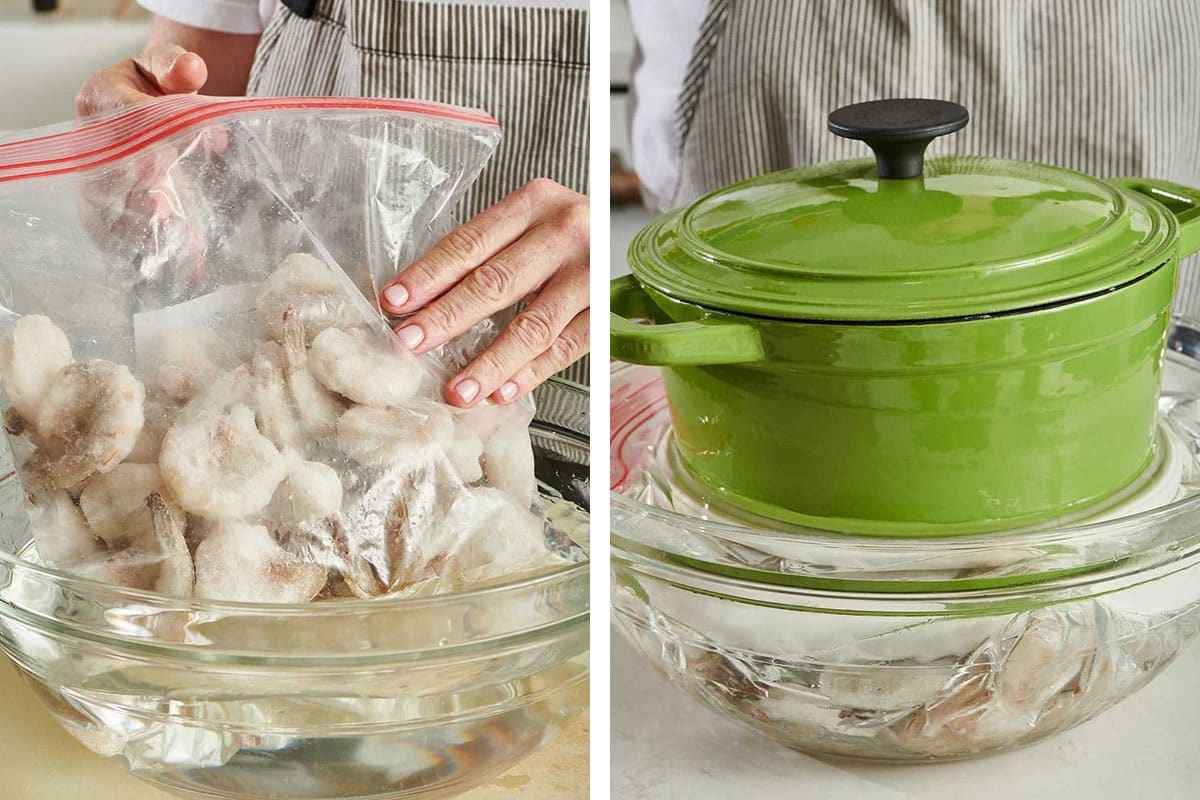
If you’re short on time, cold water thawing is a solid option. Seal the shrimp in a watertight bag and submerge it in cold water. Change the water every 30 minutes to keep it cold and speed up thawing.
This method takes about 1 to 2 hours, depending on quantity. Shrimp thawed this way should be cooked immediately or stored in the fridge for no more than 24 hours. Have you tried this and found it effective? Just remember, warm water is a no-go—it can encourage bacteria growth.
Microwave Thawing Risks
Using a microwave to defrost shrimp is fast but risky. Microwaves can start cooking the edges while the center remains frozen, causing uneven texture and taste. It can also make shrimp rubbery and tough.
Additionally, uneven heating increases the chance of bacteria developing if you don’t cook the shrimp right after thawing. If you’re in a rush, you might think this is convenient, but is it worth sacrificing quality and safety?

Credit: wilprepkitchen.com
Storage Tips For Defrosted Shrimp
Proper storage of defrosted shrimp is key to keeping it fresh and safe. Shrimp can spoil quickly if not handled well. Follow these tips to store defrosted shrimp the right way. This helps maintain quality and prevents foodborne illness.
Ideal Container Choices
Use airtight containers to store defrosted shrimp. Containers that seal tightly keep out moisture and air. Glass or plastic containers with lids work well. Avoid using open bowls or plastic wrap alone. You can also use resealable freezer bags. Squeeze out extra air before sealing the bag. This reduces exposure to bacteria and keeps shrimp fresh longer.
Temperature Settings
Keep defrosted shrimp at a temperature below 40°F (4°C). The fridge should be cold enough to slow bacterial growth. Store shrimp on the bottom shelf or in a meat drawer. This prevents juices from dripping onto other foods. Check your fridge thermometer often to ensure proper temperature. Do not leave shrimp out at room temperature for long.
Avoiding Cross-contamination
Store shrimp separately from raw meats and ready-to-eat foods. Use separate cutting boards and utensils when handling shrimp. Wash hands and surfaces thoroughly after contact. Keep shrimp in a sealed container to prevent drips. This protects other foods from harmful bacteria. Clean your fridge regularly to reduce contamination risk.
Cooking And Handling Guidelines
Proper cooking and handling of defrosted shrimp keeps you safe and preserves taste. Shrimp can spoil quickly if not treated right after thawing. Follow clear guidelines to enjoy shrimp safely and deliciously.
Safe Cooking Temperatures
Cook shrimp until they reach an internal temperature of 145°F (63°C). This temperature kills harmful bacteria and parasites. Use a food thermometer to check the temperature accurately. Shrimp should turn pink and opaque when fully cooked. Avoid overcooking to keep shrimp tender and juicy.
Using Leftover Shrimp
Store leftover cooked shrimp in an airtight container in the fridge. Eat leftovers within 2 days for best quality and safety. Reheat shrimp quickly to at least 165°F (74°C) before eating. Do not refreeze cooked shrimp once thawed and cooked. Always discard shrimp that smells off or looks slimy.
Credit: themom100.com
Frequently Asked Questions
How Long Can Defrosted Shrimp Stay In The Fridge?
Defrosted shrimp can safely stay in the fridge for 1 to 2 days. Keep them in an airtight container. Always check for a fresh smell before cooking.
Can I Refreeze Defrosted Shrimp After Refrigeration?
No, refreezing defrosted shrimp is not recommended. It affects texture and safety. Use them within 1-2 days after thawing.
What Is The Best Way To Store Defrosted Shrimp?
Store defrosted shrimp in a sealed container or plastic bag. Keep them on the lowest fridge shelf to avoid cross-contamination.
How To Tell If Defrosted Shrimp Has Gone Bad?
Check for a strong ammonia smell or slimy texture. Fresh shrimp should smell like the ocean. Discard if either sign appears.
Conclusion
Defrosted shrimp stays fresh in the fridge for about 1 to 2 days. Keep shrimp in a sealed container to avoid spoilage. Always check for a bad smell or slimy texture before cooking. Cook shrimp thoroughly to stay safe from bacteria.
Use shrimp quickly to enjoy the best taste and quality. Proper storage helps reduce food waste and saves money. Remember, freshness matters for both flavor and health. Store shrimp right, and enjoy your meals without worry.