

You’ve just made a big pot of delicious Bolognese, and now you’re wondering how long it will stay fresh in your fridge. You want to enjoy every bite without risking your health or wasting food.
Knowing the right storage time can save you from unpleasant surprises and keep your meals tasty. You’ll discover exactly how long Bolognese lasts in the fridge, the best ways to store it, and tips to tell if it’s still good to eat.
Keep reading to make sure your next meal is safe and satisfying.
Bolognese Shelf Life
Bolognese sauce is a delicious and hearty dish that many enjoy. Knowing how long it stays fresh in the fridge helps prevent food waste and foodborne illnesses. Proper storage and awareness of its shelf life ensure you enjoy it safely.
Typical Fridge Duration
Bolognese usually lasts 3 to 4 days in the fridge. Store it in an airtight container to keep it fresh. Always cool the sauce before refrigerating to avoid bacterial growth. Avoid leaving it out at room temperature for more than two hours.
Factors Affecting Longevity
- Ingredients:Meat-based sauces spoil faster than vegetarian ones.
- Storage container:Airtight containers slow down spoilage.
- Fridge temperature:Keep your fridge below 40°F (4°C) for best results.
- Initial cooking quality:Well-cooked sauce lasts longer.
- Handling:Avoid double-dipping or using dirty utensils.
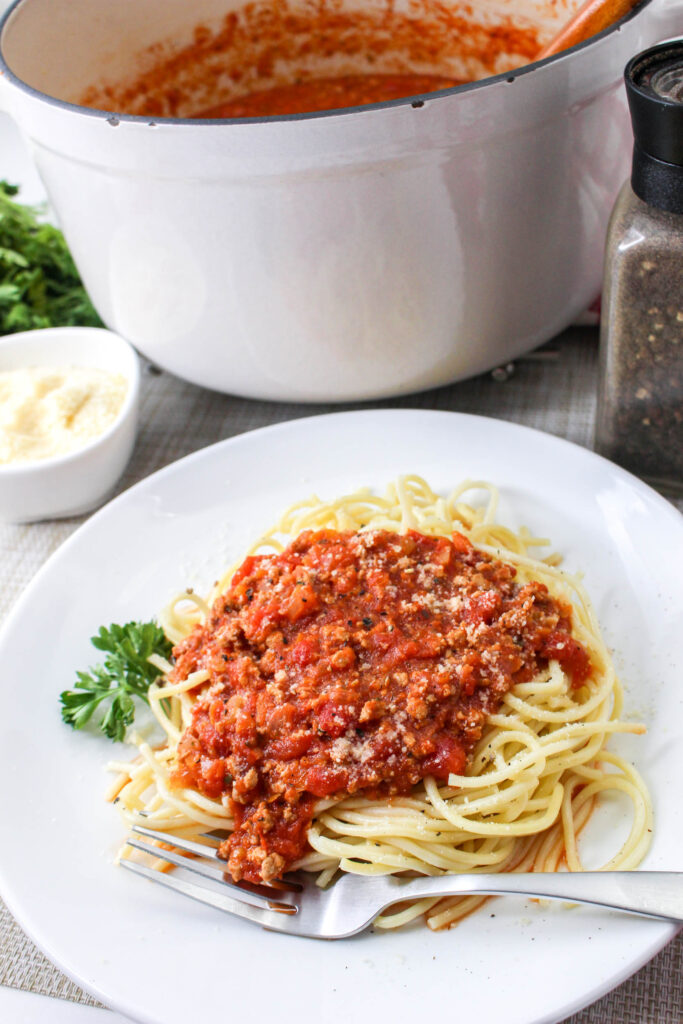
Credit: www.mommalew.com
Storage Best Practices
Proper storage is key to keeping Bolognese fresh and safe. Storing the sauce correctly helps preserve its flavor and texture. It also prevents bacteria growth that causes spoilage. Follow these storage best practices for the best results.
Ideal Containers
Use airtight containers to store Bolognese in the fridge. Glass containers with tight lids work well. They do not absorb odors or stains. Plastic containers are fine if BPA-free and seal tightly. Avoid leaving the sauce in its original pot. Transfer it to smaller containers to cool faster. This reduces the time food stays in the temperature danger zone.
Optimal Fridge Temperature
Keep your fridge at or below 40°F (4°C). This temperature slows bacterial growth. Use a fridge thermometer to monitor the temperature. Avoid frequent opening of the fridge door. This keeps the temperature stable. Store Bolognese on the middle or lower shelves. These areas maintain a more consistent cold temperature than the door.
Signs Of Spoilage
Knowing the signs of spoilage helps keep you safe. Bolognese sauce can go bad even in the fridge. Watch for clear clues before eating leftovers. Identifying spoilage early stops foodborne illness. Check appearance, smell, and texture for changes.
Appearance Changes
Look for any mold spots on the sauce. Mold can be white, green, or black. A slimy surface layer means bacteria growth. Color may darken or fade with time. Any unusual patches or discoloration show spoilage.
Smell Indicators
Fresh Bolognese smells rich and savory. A sour or rancid odor means it is bad. Rotten smell can be sharp or musty. Trust your nose; bad smell warns against eating.
Texture Differences
Normal sauce feels thick and smooth. Spoiled sauce turns watery or clumpy. Slimy or sticky texture is a bad sign. Avoid eating if texture feels off or strange.

Credit: www.everylastbite.com
Freezing Bolognese
Freezing bolognese is a smart way to save leftovers and enjoy a quick meal later. It keeps the rich flavors intact and prevents waste. Proper freezing preserves the sauce’s texture and taste for weeks. Knowing how to freeze and thaw bolognese helps maintain its quality.
Freezing Tips
- Cool the bolognese to room temperature before freezing.
- Use airtight containers or freezer bags to avoid freezer burn.
- Divide into portions for easy defrosting and reheating.
- Label each container with the date before freezing.
- Freeze bolognese within two hours of cooking for safety.
- Leave some space in containers for sauce expansion.
Thawing Methods
- Move frozen bolognese to the fridge for slow thawing overnight.
- Use the microwave’s defrost setting for quicker thawing.
- Reheat gently in a saucepan, stirring to heat evenly.
- Avoid thawing at room temperature to prevent bacteria growth.
- If pressed for time, reheat from frozen on low heat.
Reheating Safely
Reheating Bolognese sauce safely is key to enjoying your meal without risking foodborne illness. Improper reheating can leave harmful bacteria alive or ruin the taste and texture. Let’s look at how you can warm your Bolognese in a way that keeps it both safe and delicious.
Temperature Guidelines
Heat your Bolognese until it reaches at least 165°F (74°C) throughout. This temperature kills most bacteria that can cause illness. Use a food thermometer to check the sauce’s temperature in the thickest part.
If you don’t have a thermometer, make sure the sauce is steaming hot and bubbling evenly. Avoid reheating it just until warm, as that won’t eliminate all harmful germs. Reheat quickly and thoroughly to reduce the time bacteria can multiply.
Avoiding Overcooking
While you want to heat the sauce properly, overcooking can dry it out and change the flavor. Reheat Bolognese gently on low to medium heat, stirring often to distribute the warmth evenly.
If using a microwave, cover the container and stop to stir every 30 seconds. This helps avoid hot spots that can burn or cold spots that stay unsafe. Have you noticed how a little care during reheating can revive the sauce’s original richness?
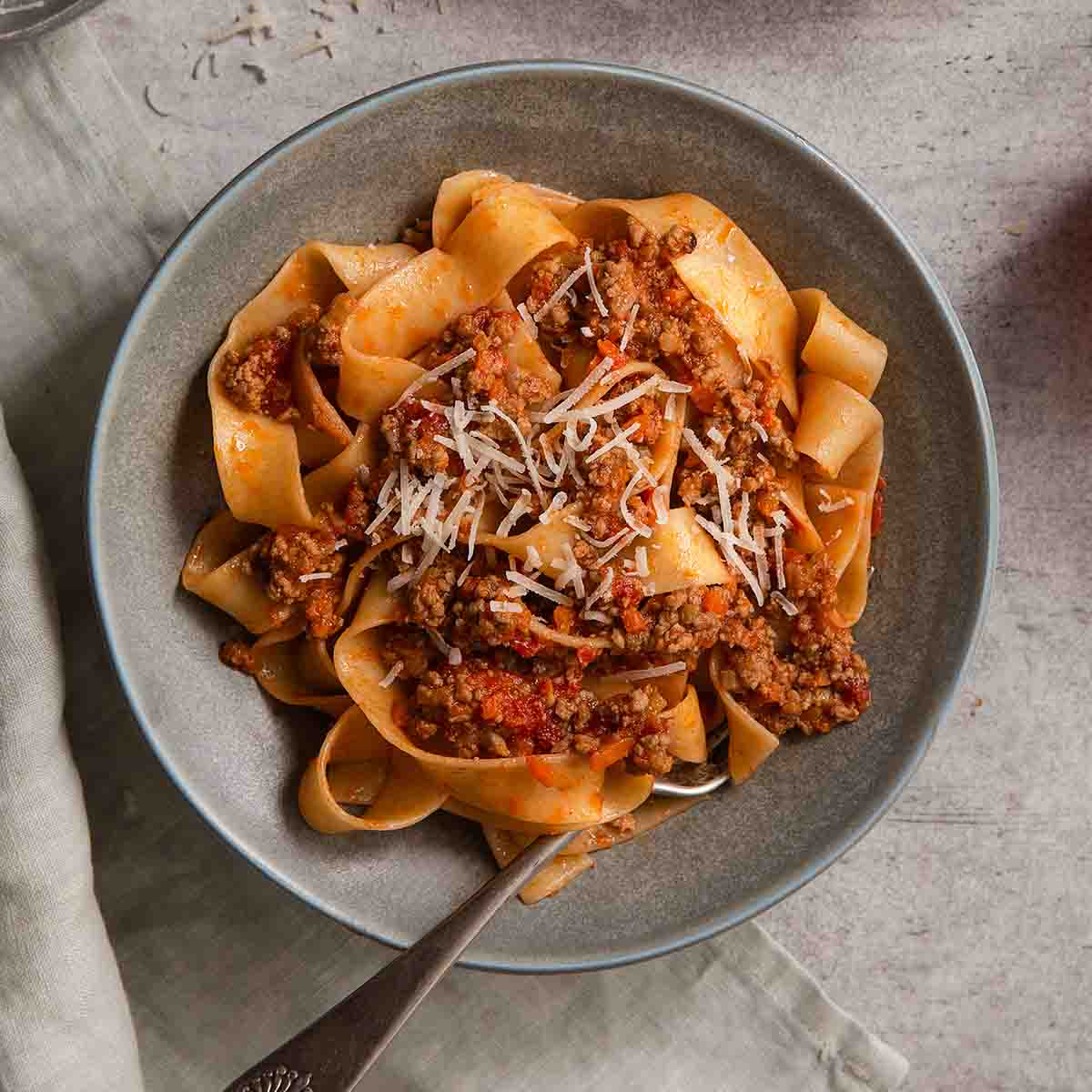
Credit: leitesculinaria.com
Frequently Asked Questions
How Long Does Cooked Bolognese Last In The Fridge?
Cooked Bolognese can last 3 to 4 days in the fridge. Store it in an airtight container at or below 40°F (4°C) to maintain freshness and prevent bacteria growth.
Can You Freeze Bolognese Sauce For Later Use?
Yes, Bolognese freezes well for up to 3 months. Cool it completely before freezing in airtight containers or freezer bags. Thaw in the fridge before reheating.
How Can I Tell If Bolognese Has Gone Bad?
Spoiled Bolognese smells sour and looks discolored. Mold or slimy texture indicates spoilage. Always discard if you notice any off smell or appearance.
Is It Safe To Eat Bolognese After 5 Days In Fridge?
Eating Bolognese after 5 days is risky and not recommended. Bacteria can multiply, causing food poisoning. Stick to a 3 to 4-day fridge storage rule.
Conclusion
Bolognese stays fresh in the fridge for about 3 to 4 days. Store it in an airtight container to keep it safe. Always check for bad smell or mold before eating. Reheat it thoroughly to enjoy the best taste. Eating it within this time keeps you healthy and satisfied.
Proper storage matters for lasting flavor and safety. Keep these tips in mind for your next meal. Easy, tasty, and safe—just how leftovers should be.