

You’ve just made or bought some delicious boba, and you’re wondering how long you can keep it fresh in your fridge. Maybe you want to enjoy it later without losing that perfect chewy texture.
But how long is too long? If you leave it too long, it might turn hard or even spoil. You’ll discover exactly how long boba can last in the fridge and the best ways to store it so every sip stays tasty.
Keep reading to never waste your favorite drink again!

Credit: www.reteacups.com
Boba Shelf Life In The Fridge
Understanding how long boba can last in the fridge is key to enjoying your bubble tea without wasting any. Storing boba properly can keep it chewy and flavorful, but knowing the right timeframe is essential to avoid unpleasant textures or taste. Let’s break down the shelf life and what affects boba’s freshness when refrigerated.
Typical Storage Duration
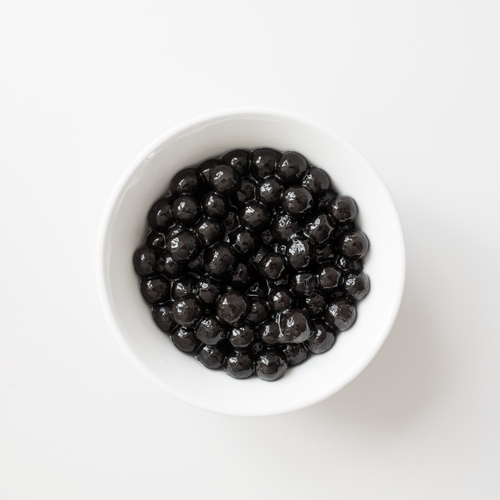
Cooked boba pearls generally last about 3 to 5 days in the fridge. Beyond this period, they tend to harden and lose their chewy texture. It’s best to store them in an airtight container with some simple syrup or water to help maintain moisture.
Uncooked boba, on the other hand, has a much longer shelf life and can be kept in a cool, dry place for several months. However, once cooked, refrigeration is necessary to slow down spoilage. You might notice that even within a few days, the texture changes, so try to consume cooked boba relatively quickly.
Factors Affecting Freshness
- Storage Container:Airtight containers prevent moisture loss and exposure to air, which can dry out the pearls.
- Temperature Consistency:Frequent fridge opening or temperature fluctuations can speed up spoilage.
- Type of Boba:Tapioca pearls behave differently from popping boba or jelly cubes, affecting shelf life.
- Preparation Method:Adding sugar syrup helps keep boba soft, while storing in plain water may lead to a firmer texture.
Have you ever opened your fridge to find your boba turning into little rubbery balls? That’s usually a sign it’s past its prime. Paying attention to how you store and the environment can help you enjoy your bubble tea just the way you like it, even days after making it.
Credit: www.reteacups.com
Signs Of Spoiled Boba
Knowing when your boba has gone bad is key to enjoying every sip safely. Spoiled boba can sneak into your fridge and ruin your drink experience without much warning. Watch out for these clear signs to avoid wasting your time and taste buds.
Changes In Texture
Fresh boba pearls are soft, chewy, and slightly bouncy. If you notice they have become hard, dry, or overly mushy, it’s a red flag. Sometimes, spoiled boba can turn sticky or slimy, which means bacteria or mold might be growing.
Have you ever bitten into a pearl that felt chalky or crumbled easily? That’s a strong hint that the texture has gone off. Texture changes are often the first clue that your boba isn’t safe to eat anymore.
Off Smell And Taste
Smell your boba before adding it to your drink. If it has a sour, fermented, or otherwise strange odor, don’t take a chance. Good boba should have a mild, sweet scent from the tapioca and any added sugar.
Tasting a small piece can confirm your suspicions—if the flavor is bitter, sour, or just “off,” throw it out immediately. Trust your senses here; they are your best tool to avoid an unpleasant or unsafe experience.
Best Practices For Storing Boba
Storing boba correctly can make a big difference in how long it stays fresh and tasty. You want to keep that chewy texture and sweet flavor intact, even after a day or two in the fridge. Paying attention to how you store boba can save you from wasting ingredients and disappointing your taste buds.
Proper Container Selection
Choosing the right container is key to preserving your boba. Use an airtight container to prevent moisture loss and avoid any fridge odors mixing with your pearls.
Glass containers with tight-sealing lids work best because they don’t absorb smells or stains. Plastic containers are okay, but make sure they’re BPA-free and seal tightly to keep the boba fresh.
Have you noticed how some containers trap steam? That can make the boba soggy. So, avoid containers that aren’t fully sealed or have loose lids.
Ideal Temperature Settings
Keeping your fridge temperature stable is essential for boba longevity. Aim for a temperature between 35°F and 40°F (1.5°C to 4.5°C) to slow down spoilage without freezing the pearls.
Freezing boba might seem like a good idea, but it often ruins the chewy texture once thawed. Instead, keep your boba chilled but never frozen.
Have you ever left boba out too long and found it dry or hard? That’s why refrigeration is a must, but setting your fridge too cold or too warm can hurt the quality just as much.
Reviving Refrigerated Boba
Refrigerated boba tends to harden and lose its chewy texture. Reviving it requires gentle care. Proper reheating brings back the softness and flavor. The right technique makes your boba enjoyable again. Below are simple ways to restore your refrigerated pearls.
Reheating Methods
- Microwave: Place boba in a microwave-safe bowl. Cover with a damp paper towel to retain moisture. Heat on medium power for 20-30 seconds. Stir and check texture. Repeat if needed, but avoid overheating.
- Boiling Water: Heat water until boiling. Turn off the heat and drop boba into the water. Let sit for 2-3 minutes. Drain and serve immediately. This method softens without making boba soggy.
- Steaming: Set up a steamer or use a heatproof bowl over boiling water. Place boba in the bowl and cover. Steam for 3-5 minutes. This warms boba gently and keeps it moist.
Restoring Softness
Boba becomes hard because of moisture loss. To restore softness, soak pearls in warm sugar syrup or honey water for 10 minutes. This adds moisture and flavor. Avoid cold liquids, which make boba tough again.
After soaking, drain excess syrup to prevent sogginess. Serve boba soon after to enjoy the best texture. Soft, chewy pearls improve your bubble tea experience.
Avoiding Common Storage Mistakes
Storing boba correctly in the fridge matters for taste and texture. Many common mistakes reduce boba’s freshness and make it less enjoyable. Avoiding these errors helps keep boba chewy and flavorful longer. Small changes in storage can make a big difference.
Overcrowding The Container
Putting too much boba in one container causes it to clump. Boba pearls stick together and lose their shape. Overcrowding traps moisture and heat, speeding up spoilage. Use a container that fits boba comfortably with some space left. Spread the pearls out to keep them separate and fresh.
Ignoring Moisture Control
Excess moisture makes boba soggy and slimy. Water inside the container creates a sticky mess. Dry boba lasts longer and keeps its chewy texture. Use a paper towel to absorb extra moisture inside the container. Seal the container tightly to avoid outside moisture getting in. Check the boba regularly to prevent wetness build-up.

Credit: twistyindia.com
Alternative Storage Options
Finding the best way to store boba can be tricky once you’ve made or bought more than you can finish in one sitting. While refrigeration is the most common choice, it’s not always ideal for maintaining that chewy texture you love. Luckily, there are other storage options that might fit your needs better and extend the life of your boba pearls.
Freezing Boba
Freezing boba can be a surprising yet effective way to keep it fresh for longer periods. When you freeze the pearls, they maintain their shape and texture better than if left in the fridge for days. Just make sure to place them in an airtight container or freezer bag to prevent freezer burn.
Thaw the frozen boba by soaking them in warm water for about 10 minutes before use. This quick step helps restore their chewy consistency. Have you ever tried freezing boba and noticed a difference in taste or texture?
Using Boba Powder
Another alternative is using boba powder instead of pre-made pearls. Boba powder is a dry mix that you can store in your pantry for months without worrying about spoilage. When you’re ready for boba, just follow the simple instructions to cook fresh pearls on demand.
This option gives you control over how fresh your boba is and can save you from wasting leftovers. It’s also a space-saver since powder takes up less room than jars or bags of cooked pearls. Do you think having fresh-cooked boba every time might be worth the extra effort?
Frequently Asked Questions
How Long Does Cooked Boba Last In The Fridge?
Cooked boba typically lasts 3 to 5 days in the fridge. Keep it in an airtight container to maintain freshness. Avoid leaving it out at room temperature for too long to prevent spoilage.
Can You Freeze Boba For Longer Storage?
Yes, you can freeze cooked boba for up to 1 month. Thaw it in the fridge before use. Freezing may change its texture, so it might be less chewy after thawing.
How To Tell If Boba Has Gone Bad?
Spoiled boba often smells sour and has a slimy texture. Discoloration or mold is a clear sign of spoilage. If unsure, it’s safer to discard it to avoid health risks.
Should Boba Be Stored In Syrup Or Water?
Storing boba in sugar syrup helps retain its chewiness and flavor. Water can make boba harden and lose texture faster. Use fresh syrup and refrigerate to keep boba fresh longer.
Conclusion
Boba can stay fresh in the fridge for about 1 to 2 days. After that, it gets hard and loses flavor. Always store boba in an airtight container to keep it soft. Use cold water, not syrup, to store it better.
Eating old boba might cause stomach upset. So, enjoy your boba soon after making or buying it. This way, you get the best taste and texture every time. Simple steps help you enjoy your favorite drink longer.