

Have you ever opened a bottle of apple juice and wondered how long it will stay fresh in your fridge? You’re not alone.
Knowing the right time to drink or toss your apple juice can save you from wasting money and protect you from unpleasant tastes or even health risks. You’ll discover exactly how long apple juice lasts in the fridge and simple tips to keep it fresh longer.
Keep reading to make sure every sip you take is delicious and safe.
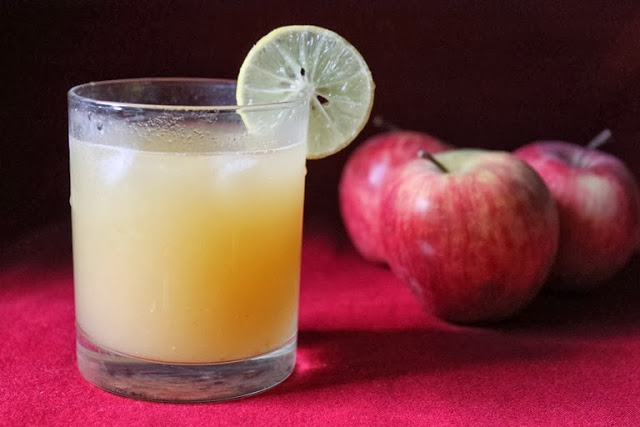
Credit: www.yummytummyaarthi.com
Shelf Life Of Apple Juice
Understanding the shelf life of apple juice is key to enjoying its fresh taste and avoiding waste. How long apple juice lasts depends on several factors like whether the container is opened and the type of juice you have. Let’s break down these differences to help you know exactly when to drink it or toss it out.
Unopened Vs Opened Juice
Unopened apple juice can last quite a while because it’s sealed and protected from air and bacteria. Typically, commercial unopened juice stays fresh for 6 to 12 months when stored in the fridge or pantry, depending on the expiration date.
Once you open the bottle, things change quickly. Exposure to air speeds up spoilage. Opened apple juice usually lasts about 7 to 10 days in the fridge before it starts to lose flavor and freshness. Have you ever noticed a sour smell or cloudy appearance? That’s a clear sign it’s time to discard it.
Commercial Vs Freshly Squeezed
Commercial apple juice undergoes pasteurization, which kills most bacteria and extends shelf life. This means it stays good longer, even after opening, compared to fresh juice.
Freshly squeezed apple juice, however, doesn’t have preservatives or pasteurization. It’s delicious but much more perishable. You’ll want to drink it within 2 to 3 days of refrigeration to enjoy its best flavor and avoid spoilage.
Think about your own fridge—do you reach for that fresh juice quickly, or does it sit too long? Knowing these timeframes can help you plan better and reduce waste.

Credit: iamzchef.com
Storage Conditions
Proper storage conditions play a crucial role in extending the freshness of apple juice in your fridge. If you don’t store it correctly, the juice can spoil faster, affecting its taste and safety. Let’s look at key factors that help keep your apple juice fresh longer.
Optimal Fridge Temperature
Keeping your fridge at the right temperature is essential for preserving apple juice. The ideal temperature range is between 32°F and 40°F (0°C to 4°C). Temperatures above this range speed up spoilage, while freezing can alter the juice’s texture and flavor.
Have you ever noticed your juice tasting off after a few days? It might be because your fridge is too warm or unevenly cooled. Using a fridge thermometer can help you monitor the temperature precisely, ensuring your apple juice stays fresh for its maximum shelf life.
Sealing And Container Types
How you seal and store apple juice matters just as much as temperature. Airtight containers prevent oxygen from entering, which slows down oxidation and bacterial growth. Glass bottles with tight-fitting lids are excellent choices, but BPA-free plastic containers also work well.
If you pour juice into an open container or leave the cap loose, you invite faster spoilage. Resealing the original container tightly after each use is a simple habit that can save you from wasting juice. Think about how often you open your fridge—every time oxygen gets in, the clock starts ticking on freshness.
Signs Of Spoilage
Knowing the signs of spoilage in apple juice helps avoid drinking bad juice. Spoiled juice can cause stomach aches and other problems. It is important to check the juice carefully before drinking it. Here are the key signs to watch for.
Changes In Smell And Taste
Fresh apple juice has a sweet and fruity smell. Spoiled juice smells sour or fermented. Sometimes it may smell like vinegar. A bad taste is sharp or off, not sweet. A quick sniff or small sip can reveal spoilage.
Appearance And Texture Alterations
Good apple juice is clear or slightly cloudy. Spoiled juice becomes cloudy or thick. You may see sediment or floating particles. Bubbles or foam that stays for a long time can be a sign. The texture can feel slimy or sticky too.
Factors Affecting Freshness
Understanding what affects the freshness of apple juice helps you make the most of every sip. Several factors influence how long your juice stays tasty and safe to drink in the fridge. Paying attention to these details can save you from tossing out juice prematurely or worse, drinking spoiled juice.
Exposure To Air
Once opened, apple juice interacts with oxygen, which speeds up spoilage. The more air the juice is exposed to, the faster it can lose its flavor and develop off smells. Always make sure the bottle is tightly sealed after pouring to reduce this exposure.
Have you ever noticed how juice left in a half-empty bottle tastes different after a day or two? That’s oxygen at work. Using smaller containers to store leftover juice can limit the air contact and keep it fresh longer.
Light And Temperature Fluctuations
Light, especially sunlight, can break down the nutrients and alter the taste of apple juice. Keep your juice in the darker parts of the fridge, away from the door or light sources.
Temperature changes also play a big role. Opening the fridge frequently or keeping the juice near the door causes temperature swings that speed up spoilage. Try to store your apple juice in the main body of the fridge where the temperature is more stable.
Think about how often you open your fridge during the day. Could reducing that frequency help your apple juice last longer?
Extending Shelf Life
Extending the shelf life of apple juice is all about controlling the environment around it. You want to slow down the natural spoilage process without compromising the flavor or safety of the juice. Small changes in how you store and treat your apple juice can make a big difference in how long it stays fresh and tasty.
Proper Storage Tips
Keep your apple juice in the coldest part of the fridge, not the door. The temperature there stays more consistent, which helps prevent early spoilage.
Use airtight containers to limit exposure to air. Oxygen speeds up spoilage, so sealing your juice tightly is key.
- Choose glass bottles or BPA-free plastic for storage.
- Keep juice away from strong-smelling foods to avoid flavor contamination.
- Always check the expiration date and use the juice within a week after opening.
I once left a half-full bottle of apple juice in the fridge door and noticed it turned sour faster than usual. That experience taught me to store juice in the fridge’s back shelves where temperatures are steadier.
Using Preservatives Safely
If you want to keep apple juice longer, preservatives can help. Natural options like lemon juice or vitamin C powder slow down oxidation and bacterial growth.
Add just a small amount—about a teaspoon of lemon juice per cup of apple juice. Too much can change the taste, so balance is important.
- Use food-grade vitamin C powder as an antioxidant booster.
- Preservatives don’t replace refrigeration; they only extend freshness.
- Always follow recommended amounts to keep your juice safe and tasty.
Have you tried adding lemon juice to your apple juice before? It’s a simple trick that can keep the juice fresh longer without artificial chemicals.
Credit: www.tiktok.com
Health Risks Of Spoiled Juice
Spoiled apple juice isn’t just unpleasant to drink—it can pose real health risks. When juice goes bad, harmful bacteria and molds can grow, turning a refreshing drink into a potential source of illness. Understanding these risks helps you decide when to toss that juice and protect your health.
Common Contaminants
Apple juice that’s past its prime often harbors bacteria such as Salmonella, E. coli, and Listeria. These bacteria thrive in sugary, moist environments like fruit juice. Mold can also develop, releasing toxins that may not be visible but are harmful.
Sometimes, the juice looks and smells normal but still contains dangerous microbes. That’s why relying solely on taste or smell can be risky. Always check the expiration date and storage conditions to avoid contamination.
Symptoms Of Consumption
Drinking spoiled apple juice can cause symptoms like nausea, vomiting, stomach cramps, and diarrhea. These signs usually appear within hours after consumption, but some infections may take longer to show.
If you experience severe symptoms such as high fever, dehydration, or persistent vomiting, seek medical help immediately. It’s better to be cautious than to ignore warning signs from your body.
Have you ever felt sick after drinking juice you thought was fine? Paying attention to how long the juice has been in your fridge can save you from uncomfortable and potentially dangerous health issues.
Best Practices For Buying Apple Juice
Buying apple juice might seem straightforward, but making smart choices can really affect how long it stays fresh in your fridge. Paying attention to details before you even open the bottle helps you enjoy every sip without rushing through it. Here are some tips to help you pick the best apple juice that lasts longer and tastes better.
Checking Expiry Dates
Always check the expiry or best-before date on the apple juice packaging. Fresh juice has a longer fridge life, so picking a bottle with a later date means you get more time to enjoy it. Avoid bottles that are close to or past the expiry date, even if they look fine—taste and safety can be compromised.
Have you ever bought juice only to realize it expired the next day? That’s a waste of money and a disappointment. Make it a habit to glance at the date before adding the bottle to your cart. It’s a small step that saves frustration later.
Choosing Quality Brands
Not all apple juices are created equal. Brands that use minimal additives and preservatives often offer juice that tastes fresher and lasts longer when refrigerated. Look for labels that mention “100% pure apple juice” without added sugars or artificial flavors.
I once switched to a local brand known for its natural ingredients and noticed the juice stayed fresh longer in my fridge. Quality brands also tend to use better packaging that protects the juice from light and air, which helps extend shelf life.
- Check if the brand uses pasteurization, as this process kills bacteria without affecting flavor much.
- Consider brands with resealable caps to keep the juice fresh after opening.
- Read online reviews about freshness and taste before making a purchase.
Would you rather choose convenience or quality? Sometimes paying a bit more upfront means less waste and better flavor over time.
Frequently Asked Questions
How Long Does Opened Apple Juice Last In The Fridge?
Opened apple juice typically lasts 7 to 10 days in the fridge. Always check the expiration date and store it in a sealed container to maintain freshness.
Can Apple Juice Spoil Even When Refrigerated?
Yes, apple juice can spoil in the fridge if left too long or improperly sealed. Signs include off smell, cloudy appearance, or sour taste.
What Is The Shelf Life Of Unopened Apple Juice?
Unopened apple juice can last 6 to 12 months if stored in a cool, dark place. Always check the best-by date for guidance.
How Can I Tell If Apple Juice Has Gone Bad?
Look for changes in color, smell, and taste. Spoiled juice often smells sour, looks cloudy, and tastes off.
Conclusion
Apple juice stays fresh in the fridge for about 7 to 10 days. Keep it tightly sealed to avoid spoilage. Always check for changes in smell or taste before drinking. If it looks cloudy or has bubbles, do not drink it.
Storing apple juice properly helps keep its flavor and safety. Remember to note the date when you open the bottle. This way, you can enjoy your juice without worry. Fresh apple juice tastes best and is safer to drink. Simple care extends its shelf life effectively.