

You’ve just roasted a batch of veggies, and the delicious aroma is still lingering in your kitchen. But how long can you keep those roasted veggies in your fridge before they go bad?
Knowing the answer can save you from wasting food and protect your health. You’ll discover exactly how long roasted vegetables stay fresh, the signs to watch for when they start to spoil, and the best ways to store them to keep that tasty flavor alive.
Keep reading to make the most of your roasted veggies every time.
Shelf Life Of Roasted Veggies
Knowing the shelf life of roasted veggies can save you from food waste and keep your meals tasty and safe. Roasted vegetables don’t last forever, but with the right storage, you can enjoy them for several days after cooking. Let’s look at how long you can expect them to stay fresh in your fridge and what affects their longevity.
Typical Storage Duration
Usually, roasted veggies stay good in the fridge for about 3 to 5 days. This window gives you enough time to use leftovers in salads, wraps, or as side dishes. If you notice any odd smell or slimy texture before this time, it’s best to discard them.
Keeping them in an airtight container helps maintain freshness. Avoid leaving roasted veggies out at room temperature for more than two hours, as bacteria can start to grow quickly.
Factors Affecting Freshness
Several things can change how long your roasted veggies last. The type of vegetable plays a big role—denser veggies like carrots or potatoes often last longer than softer ones like zucchini or mushrooms.
How you store them also matters. Vegetables stored in a humid environment tend to spoil faster, so using paper towels inside the container to absorb extra moisture can extend their life.
Think about the seasoning and oil used too. Heavy oils might cause veggies to become soggy sooner, while dry roasting or using less oil can help keep them crispier for longer.
Best Storage Practices
Proper storage is key to keeping your roasted veggies fresh and tasty for as long as possible. How you store them can make a big difference in flavor, texture, and safety. Let’s dive into the best ways to keep those roasted veggies fridge-ready and delicious.
Ideal Containers
Choosing the right container matters. Airtight containers are your best bet because they prevent moisture loss and keep your veggies from absorbing fridge odors. Glass containers with tight-fitting lids work wonderfully—they don’t stain or retain smells, making them easy to clean and reuse.
If you don’t have glass containers, BPA-free plastic ones with secure seals are a good alternative. Avoid loosely covered dishes or plastic wrap alone, as they allow air in, which can dry out your veggies faster.
Temperature Settings
Your fridge temperature should be set between 34°F and 40°F (1°C to 4°C) to keep roasted vegetables fresh and safe. Temperatures above this range can speed up spoilage, while freezing can change their texture drastically.
Place your container on a middle or lower shelf, where the temperature tends to be more stable. Have you noticed how veggies near the fridge door spoil faster? That’s because the door area experiences frequent temperature changes from opening and closing.
Signs Of Spoilage
Knowing when roasted veggies go bad helps keep you safe and avoid food waste. Spoiled vegetables can cause stomach issues or taste unpleasant. Pay attention to signs that show vegetables are no longer fresh. These clues come from how they look, smell, and feel.
Visual Changes
Check roasted veggies for any unusual spots or colors. Dark or black areas may mean mold growth. A slimy or wet surface is another bad sign. Wilted or shriveled pieces show loss of freshness. If you see white fuzz or strange patches, do not eat them. Fresh roasted vegetables keep their natural color and firmness.
Smell And Texture
Smell tells a lot about vegetable freshness. A sour or rotten odor means spoilage. Fresh roasted veggies smell warm and slightly sweet. Touch the vegetables to feel their texture. Slimy or sticky surfaces are unsafe to eat. Mushy or overly soft vegetables have started to rot. Healthy roasted veggies stay firm but tender.
Tips To Extend Freshness
Keeping roasted vegetables fresh in the fridge helps reduce food waste and saves time. Proper storage techniques make a big difference. Small habits can extend their flavor and texture. Follow these tips to keep your veggies tasty longer.
Proper Cooling Techniques
Cool roasted vegetables before storing them in the fridge. Hot food raises the fridge temperature. This can spoil other foods and the veggies themselves. Spread the veggies on a baking sheet to cool faster. Avoid covering them while still warm. Once cool, transfer to an airtight container. Store in the fridge within two hours of cooking.
Avoiding Moisture Build-up
Excess moisture causes veggies to become soggy and spoil faster. Use paper towels to absorb moisture inside the container. Place a dry towel or paper towel under the lid. Leave the container slightly open for air circulation if possible. Avoid sealing wet vegetables tightly. Check stored veggies regularly and remove any water buildup.
Reheating Roasted Veggies
Reheating roasted veggies can be tricky if you want to keep them tasty and safe to eat. The way you warm them up affects their texture and flavor, so choosing the right method matters. Let’s look at how to reheat your roasted veggies properly to enjoy them just like the first time.
Safe Methods
Always reheat roasted veggies to an internal temperature of 165°F (74°C) to kill any bacteria. Using a microwave is quick, but uneven heating can leave cold spots where germs survive. To avoid this, stir the veggies halfway through reheating.
Oven reheating is gentler and keeps the veggies safe while preserving texture. Preheat your oven to around 350°F (175°C), spread the veggies on a baking sheet, and warm for 10–15 minutes. This method evenly heats without making them soggy.
If you’re in a hurry, reheating on the stovetop in a skillet with a little oil works well. Toss the veggies over medium heat for a few minutes until hot, stirring often. This helps retain a slight crispness and prevents drying out.
Maintaining Flavor And Texture
Roasted veggies often lose their crunch and vibrant taste after refrigeration. To bring back some freshness, add a splash of olive oil or a sprinkle of fresh herbs before reheating. This simple step boosts flavor and adds moisture.
Avoid overheating which can turn veggies mushy or burnt. Pay attention to reheating times and check frequently. You want them hot but still firm and flavorful.
Have you noticed how reheated roasted carrots or Brussels sprouts can taste dull? Try tossing them with a squeeze of lemon juice or a pinch of sea salt after warming. These little touches brighten the flavor instantly.
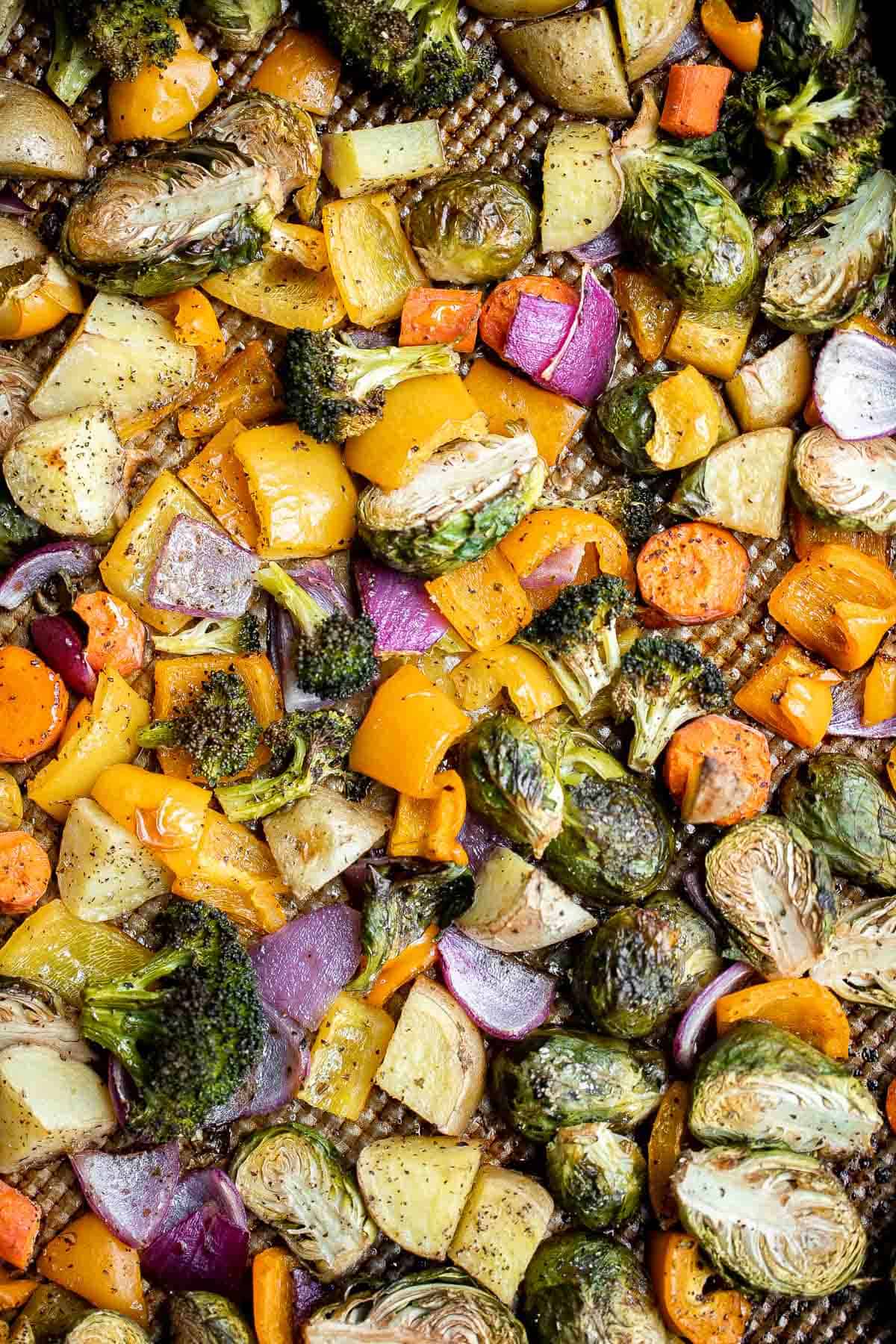
Credit: www.aheadofthyme.com
Common Mistakes To Avoid
Keeping roasted vegetables fresh in the fridge is tricky. Many make simple mistakes that shorten their shelf life. Avoid these errors to enjoy your veggies longer and safer. Small changes in storage habits can make a big difference.
Storing Roasted Veggies While Still Warm
Putting hot roasted vegetables in the fridge raises the temperature inside. This can cause other foods to spoil faster. Let veggies cool to room temperature before storing. Cooling prevents moisture buildup and keeps texture intact.
Using Incorrect Containers
Plastic bags or loose covers let air in. Air exposure makes veggies dry or soggy quickly. Use airtight containers or glass jars. These keep vegetables fresh by sealing in moisture and blocking air.
Mixing Different Vegetables Together
Some vegetables release gases that spoil others faster. Keep different types separate to extend freshness. For example, store tomatoes away from broccoli. This prevents early decay and unwanted flavors.
Ignoring Refrigerator Temperature
The fridge should be between 35°F and 40°F (1.5°C to 4°C). Higher temperatures speed up spoilage. Use a fridge thermometer to check the temperature regularly. Proper cooling keeps roasted veggies safe to eat longer.
Leaving Roasted Veggies Uncovered
Exposed vegetables dry out and absorb odors from other foods. Cover them with lids or wrap tightly with plastic wrap. This protects flavor and texture, keeping veggies tasty for days.
Using Leftover Roasted Veggies
Leftover roasted veggies save time and reduce food waste. They keep well in the fridge for 3 to 5 days. Using them creatively makes meals tasty and varied. Roasted vegetables add flavor and nutrition to many dishes. They are easy to reheat or mix with fresh ingredients.
Creative Meal Ideas
Transform leftover roasted veggies into new meals. Toss them with pasta and olive oil for a quick dinner. Add to salads for extra color and taste. Blend with eggs to make a veggie-packed omelet. Use them as a topping on homemade pizza. Mix into grain bowls with rice or quinoa. They also work well in sandwiches or wraps.
Incorporating Into Recipes
Leftover roasted veggies fit into many recipes. Stir into soups for added texture and flavor. Blend into sauces for a rich vegetable base. Combine with beans or lentils for hearty stews. Use as filling for savory pies or casseroles. Add to tacos or burritos for a healthy boost. Roasted veggies can replace fresh ones in many dishes.

Credit: www.andersonandgrant.com
:max_bytes(150000):strip_icc()/Why-You-Should-Roast-a-Pan-of-Summer-Veggies-Every-Week-According-to-a-Food-Editor-cb2f8999c6f847c78f86d5e67a41b41b.jpg)
Credit: www.eatingwell.com
Frequently Asked Questions
How Long Do Roasted Veggies Last In The Fridge?
Roasted vegetables typically stay fresh in the fridge for 3 to 5 days. Store them in an airtight container to maintain quality and prevent spoilage.
Can I Freeze Roasted Vegetables For Longer Storage?
Yes, you can freeze roasted veggies to extend their shelf life. Place them in freezer-safe bags or containers and consume within 2 to 3 months.
How To Tell If Roasted Veggies Have Gone Bad?
Check for mold, off smells, or slimy texture. If any signs appear, discard the roasted vegetables immediately to avoid foodborne illness.
Does Reheating Affect Roasted Veggies’ Shelf Life?
Reheating doesn’t extend shelf life but can improve taste. Always reheat thoroughly and consume within 24 hours after reheating.
Conclusion
Roasted veggies usually stay fresh in the fridge for 3 to 5 days. Store them in an airtight container to keep their taste and texture. Check for any signs of spoilage like bad smell or sliminess before eating. Eating them within this time helps avoid waste and keeps meals tasty.
Remember, proper storage is key to enjoying your roasted vegetables safely. Keep these tips in mind for easy and healthy leftovers.