

Are you tired of slow internet and dead zones in your home? A Netgear WiFi extender might be the simple fix you need.
But how does it actually work to boost your signal and give you faster, more reliable WiFi? Understanding this can help you get the most out of your device and enjoy seamless internet everywhere. Keep reading to discover how a Netgear WiFi extender can transform your online experience.

Credit: www.wifi-extsetup.com
How Wifi Extenders Work
Understanding how a Netgear WiFi extender works can help you get the most out of your home network. These devices boost your existing WiFi signal, making it possible to enjoy faster internet in every corner of your space. Let’s break down the key ways they operate so you know exactly what’s happening behind the scenes.
Signal Reception And Transmission
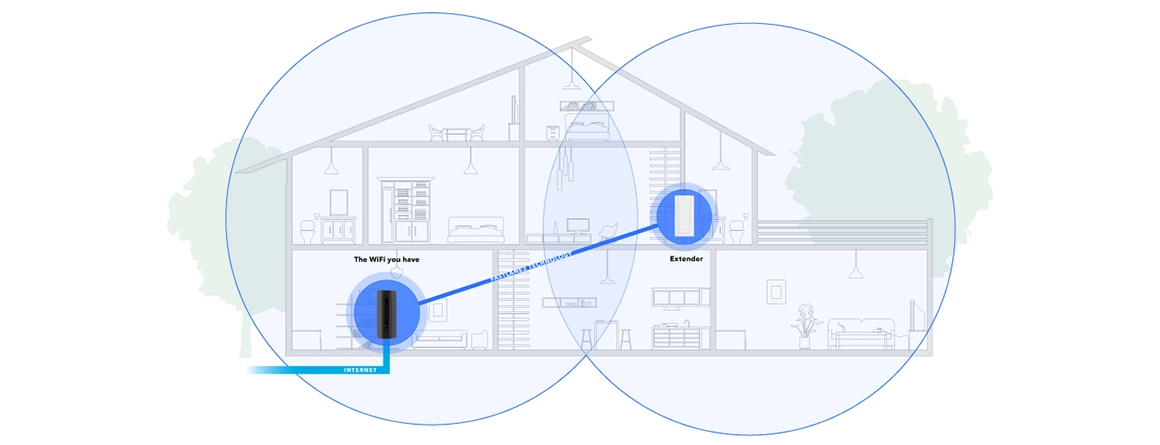
A WiFi extender first captures the wireless signal sent by your router. Think of it as a relay catching the internet signal mid-air.
Once it receives the signal, the extender amplifies it and then sends it out to areas where the WiFi was weak or unavailable. This process helps fill in the dead zones in your home or office.
Repeating Wireless Signals
The core function of a WiFi extender is to repeat the wireless signal it receives. It doesn’t create a new network but extends the reach of your existing one.
By repeating the signal, the extender allows devices far from the router to connect with better strength. Have you ever noticed how your phone or laptop suddenly loads pages faster near the extender? That’s the repeater at work.
Placement And Coverage
Where you place your extender is crucial. It needs to be close enough to the router to catch a strong signal but far enough to extend coverage into weak areas.
A good tip is to put it halfway between your router and the dead zone. This balance ensures the extender receives a clear signal and pushes it efficiently to where you need it most.
Features Of Netgear Wifi Extenders
Netgear WiFi extenders come with a range of features that improve your home or office internet coverage. These features help boost signal strength and provide stable connections across larger areas. Understanding these features can help you get the best performance from your extender.
Dual-band Technology
Netgear WiFi extenders use dual-band technology to offer two frequency bands: 2.4 GHz and 5 GHz. The 2.4 GHz band covers longer distances but offers slower speeds. The 5 GHz band provides faster speeds but covers a shorter range. This technology balances speed and coverage, reducing interference and improving overall connection quality.
Easy Setup Options
Setting up a Netgear WiFi extender is quick and simple. Most models support the push-button WPS method, allowing you to connect with your router in seconds. You can also use a web interface or mobile app for guided setup. These options make installation user-friendly, even for beginners.
Compatibility With Routers
Netgear extenders work with almost all router brands and models. They support standard WiFi protocols, making them flexible for different networks. This compatibility ensures you can enhance your current WiFi system without needing new equipment.
Setting Up Your Netgear Extender
Setting up your Netgear WiFi extender is a straightforward process that boosts your internet coverage quickly. Whether you want to eliminate dead zones or enhance signal strength, understanding the setup options helps you choose the best way to connect your extender. Let’s break down the main methods to get your extender working efficiently.
Connecting To Your Router
Start by placing your Netgear extender within the range of your existing router’s WiFi signal. It’s important to find a spot that’s close enough for a strong connection but also extends coverage to areas with weak signal.
Power on your extender and wait until the LED light indicates it’s ready to connect. Using your computer or mobile device, search for the extender’s network name (SSID) and join it.
Once connected, your device will prompt you to enter your router’s WiFi password. This links the extender to your router, allowing it to rebroadcast the signal. Have you ever noticed how a simple change in location can drastically improve your WiFi speed?
Using The Wps Button
If your router supports WPS (Wi-Fi Protected Setup), this is one of the fastest ways to connect your extender. Press the WPS button on your router, then press the WPS button on your Netgear extender within two minutes.
The extender’s LED lights will blink during the connection process and turn solid when paired successfully. This method requires no passwords, making it quick and hassle-free, especially if you want a seamless setup experience.
However, not all routers have a WPS button. If yours doesn’t, you’ll need to use the manual web interface setup instead.
Web Interface Configuration
Accessing the Netgear extender’s web interface gives you full control over the setup. Connect your device to the extender’s network, then open a browser and go to http://mywifiext.netor the IP address specified in your extender’s manual.
Log in using the default credentials, usually “admin” for username and “password” for the password, unless you’ve changed them. The setup wizard will guide you through scanning available networks and selecting your router’s WiFi.
This method lets you customize settings like network name and password for the extended network. It’s ideal for users who want more control or need to troubleshoot connection issues. Have you tried configuring your network manually to optimize your home WiFi?
Credit: www.netgear.com
Tips To Maximize Signal Boost
Boosting your Netgear WiFi extender’s signal isn’t just about plugging it in. Small changes can make a big difference in how strong and reliable your connection becomes. Let’s look at practical tips that can help you get the most out of your extender’s signal strength.
Optimal Extender Placement
Placing your extender in the right spot is crucial. It should be close enough to your main router to catch a strong signal but far enough to reach the area where you need better coverage.
Try positioning it halfway between your router and the dead zone. Avoid putting it behind thick walls or metal objects, as these block signals. You might need to move it a few times to find the sweet spot where the signal is strongest.
Avoiding Interference
WiFi signals can get easily interrupted by other electronic devices. Things like microwaves, cordless phones, and even baby monitors can cause interference and weaken your extender’s performance.
Keep your extender away from these devices and large appliances. Also, check if neighbors use the same WiFi channel and switch your extender to a less crowded channel to reduce signal noise.
Firmware Updates
Many people overlook firmware updates, but they are essential. Netgear often releases updates that improve extender performance and fix bugs.
Check for updates regularly through the Netgear app or web interface. Updating your firmware ensures your extender runs smoothly and can handle the latest network demands.
Common Issues And Fixes
Netgear WiFi extenders improve your home network by boosting signal range. Despite their benefits, users may face some common issues. These problems can reduce performance or cause connection troubles. Understanding these issues helps you fix them quickly. The following sections explain common problems and simple solutions.
Slow Speeds
Slow internet speeds can happen due to distance or interference. Walls, furniture, and appliances may block the signal. The extender’s placement affects speed. Place it midway between your router and dead zone.
- Reduce devices using the network at once.
- Restart the extender and router to clear glitches.
- Update extender firmware for better performance.
Connection Drops
Connection drops cause frustration and interrupt tasks. These drops may occur from weak signals or outdated software. Changing the extender’s location can help. Keep it away from microwaves and cordless phones.
- Check for firmware updates regularly.
- Reset the extender to factory settings if needed.
- Ensure the router’s signal is strong near the extender.
Extender Not Detected
The extender may not appear on your device’s WiFi list. This issue happens if the extender is not set up correctly. Power cycle the extender and router to refresh connections. Use the Netgear installation app for guided setup.
- Verify the extender is plugged in and powered on.
- Connect to the extender’s default network name during setup.
- Place the extender closer to the router during installation.
Comparing Netgear Extenders With Other Brands
Choosing the right WiFi extender means comparing different brands carefully. Netgear extenders have earned a solid reputation for their reliability and features. Still, many other brands offer similar devices with their own advantages. Understanding how Netgear stands against others helps in making an informed choice.
Performance Differences
Netgear extenders often provide strong signal boosts and wide coverage. Their technology usually supports dual-band connections, improving speed and reducing interference. Other brands may focus on budget models that work well but might have slower speeds or shorter range. Some competitors offer mesh system compatibility, which can enhance whole-home coverage in larger spaces.
Price And Value
Netgear extenders generally cost more than basic models from other brands. The higher price reflects better build quality and advanced features. Budget options from other brands might save money upfront but may need replacement sooner. Netgear devices often include extra features like easy setup apps and firmware updates, adding value over time.
User Experience
Netgear offers user-friendly setup processes with clear instructions and helpful apps. Their customer support is responsive and widely available. Other brands might have simpler interfaces but less detailed guidance. Some users find Netgear’s apps more intuitive, which helps reduce frustration during installation. Overall, Netgear aims to provide smooth experiences for users of all skill levels.
Credit: www.youtube.com
Frequently Asked Questions
What Is A Netgear Wifi Extender?
A Netgear WiFi extender amplifies your existing WiFi signal. It bridges the gap between your router and WiFi devices. This ensures a stronger, more reliable connection. It is ideal for eliminating dead zones and improving connectivity. Setup is user-friendly, making it accessible for all users.
How Do I Set Up A Netgear Extender?
Setting up a Netgear extender is straightforward. Plug it into a power outlet and connect to your WiFi network. Use the setup wizard for guidance. Follow the on-screen instructions to complete the process. Placement is key for optimal performance, so choose a central location.
Can A Netgear Extender Improve Wifi Speed?
A Netgear extender boosts signal strength but doesn’t increase internet speed. It enhances connectivity in areas with weak signals. This can lead to more stable connections and fewer interruptions. For faster speeds, consider upgrading your internet plan or router.
Do Netgear Extenders Work With Any Router?
Netgear extenders are compatible with most routers. They work with any standard WiFi network. Compatibility ensures seamless integration and improved coverage. Always check your extender’s specifications for assurance. It’s designed to enhance connectivity regardless of router brand.
Conclusion
Netgear WiFi extenders help boost your wireless signal. They catch the router’s signal and send it farther. This helps reduce dead zones in your home or office. Setup is simple and does not need technical skills. Using one can improve internet speed and connection reliability.
Choosing the right spot for the extender is important. This device works well for streaming, gaming, and browsing. Overall, a Netgear WiFi extender makes your network stronger and more stable. It’s a smart choice for better WiFi coverage.